

Free Kraljevo Travel Guide & Mobile App
Plan your Kraljevo trip with Evendo. Get free guides to top attractions, restaurants, hotels, and bars. Web access or download the mobile app.


Kraljevo, Serbia, pairs medieval heritage, Žiča Monastery, mountain scenery, riverside walks and authentic central Serbian culture and cuisine.
A Royal Town on the Ibar
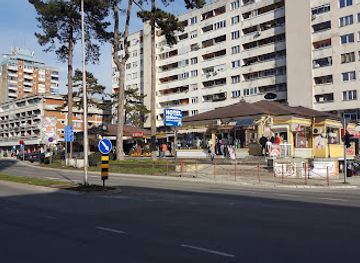
Kraljevo lies in central Serbia where the Ibar and Ribnica rivers meet, backed by the wooded slopes and valleys of the Šumadija and Kopaonik regions. Its broad central square, Trg srpskih ratnika, gives the town an open, approachable character, while the riverbanks, cafés and surrounding hills provide a slower rhythm than Serbia’s larger cities. Kraljevo is an important regional centre, but its greatest significance comes from the medieval heritage scattered across the nearby landscape.Read more about Kraljevo
Monasteries and Medieval Landscapes
Everyday Central Serbian Life
When is the best time to visit Kraljevo?
Best: May–June, September · 23–27°C| Month | High (°C) | Rainfall (mm) |
|---|---|---|
| January | 2 | 40 |
| February | 3 | 35 |
| March | 11 | 40 |
| April | 17 | 50 |
| May (best) | 23 | 60 |
| June (best) | 27 | 70 |
| July | 31 | 80 |
| August | 30 | 80 |
| September (best) | 23 | 70 |
| October | 17 | 60 |
| November | 9 | 50 |
| December | 4 | 40 |
Getting to and around Kraljevo
How to get there
Transportation
Best attractions in Kraljevo
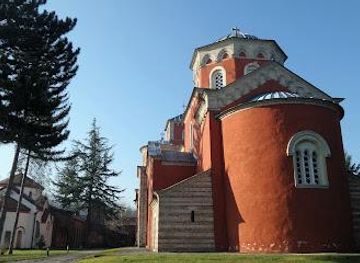
Kraljevo’s principal attractions extend from its approachable town centre into the surrounding Ibar valley. The National Museum Kraljevo introduces local archaeology, history and cultural heritage, while Trg srpskih ratnika provides a useful starting point for exploring the central streets and everyday life around the shops and cafés. At the edge of the urban area, the meeting of the Ibar and Ribnica rivers creates a pleasant setting for a walk. The most important nearby sight is Žiča Monastery, recognised by its red façades and medieval Serbian history. South along the Ibar, Maglič Fortress rises above the river on a rocky ridge, offering a powerful landscape encounter as well as historic ruins. Mataruška Banja adds spa architecture and wooded surroundings, and the wider region leads towards Studenica Monastery and the forests of the Raška area. These experiences make Kraljevo a base for combining local culture with heritage and countryside.
-
Monastery
Studenica Monastery
Discover the serene beauty and rich history of Studenica Monastery, a UNESCO World Heritage Site nestled in the heart of Serbia's stunning landscapes.
49 min drive · 29 km from city centre
-
Memorial
Memorial Park October in Kragujevac
Discover the tranquil beauty and historical significance of Memorial Park October in Kragujevac, a serene memorial park that invites reflection and relaxation.
56 min drive · 36 km from city centre
-
Water park
Aquapark Jagodina
Discover the ultimate water adventure at Aquapark Jagodina, where fun meets relaxation for the whole family.
1 h 14 min drive · 54 km from city centre
-
Fortress
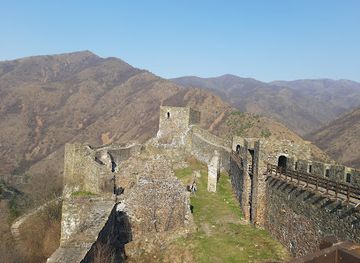
Maglič Fortress
Explore the historic Maglić Fortress in Raški okrug, a stunning blend of medieval architecture and breathtaking natural beauty.
37 min drive · 17 km from city centre


Best landmarks in Kraljevo
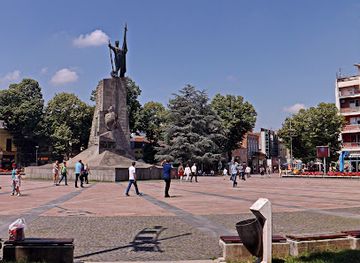
Kraljevo’s most important landmarks express the relationship between the modern town and the medieval landscape around it. Trg srpskih ratnika is the principal civic square, marked by the monument known as the Monument to the Serbian Warriors and framed by the town’s twentieth-century urban fabric. The National Museum Kraljevo occupies a significant civic role, preserving objects and interpretations connected with the region’s past. Nearby Žiča Monastery is the outstanding religious landmark: its red-painted church and surviving medieval foundations recall the establishment of the Serbian archbishopric and the royal traditions of the Nemanjić era. South of the town, Maglič Fortress commands a rocky ridge above the Ibar, its towers and curtain walls illustrating the strategic importance of the valley. The Memorial Park of October 1941 provides a solemn counterpoint, commemorating civilians and prisoners killed during wartime reprisals and anchoring modern Kraljevo in the history of the Second World War.
-
Monastery
Žiča Monastery
Explore the rich history and breathtaking beauty of Žiča Monastery, a serene Orthodox sanctuary nestled in the heart of Serbia.
15 min drive · 5.1 km from city centre
-
 Hotel
HotelHotel Tourist
Experience comfort and convenience at Hotel Tourist, the perfect base for exploring the rich culture and history of Kraljevo, Serbia.
3 min walk · 0.3 km from city centre
-
Fortress
Maglich Fortress
Discover the enchanting Maglich Fortress, a historic treasure in Serbia offering breathtaking views and rich cultural heritage.
37 min drive · 17 km from city centre
-
Historical landmark
Serbian Warriors Square
Explore the rich history of Serbia at Serbian Warriors Square, a monument honoring the bravery of its warriors in the heart of Kraljevo.
4 min walk · 0.3 km from city centre
Explore Kraljevo on the map
Plan your Kraljevo trip on one map. See where the top attractions, landmarks, restaurants, bars and hotels are, find what's near where you're staying, and book hotels and experiences in a few clicks.
Best hotels in Kraljevo
Best restaurants in Kraljevo
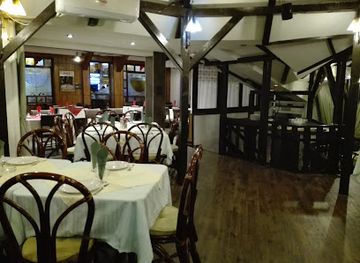
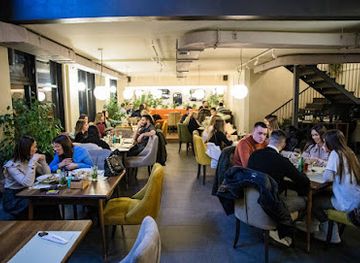
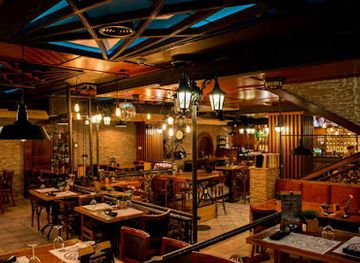
Kraljevo’s food culture reflects central Serbia, with grilled meats, hearty bean dishes, soups, stuffed vegetables, fresh salads and vegetable-based dishes appearing in traditional restaurants and family-run eateries. Ćevapi, pljeskavica and various grilled specialities are widely available, while burek, pogača and other bakery foods suit a quick breakfast or informal meal. Dairy products, peppers, seasonal produce and preserves from the surrounding countryside are important to the local table, and market stalls offer a glimpse of this agricultural connection. Cafés around the central square and river area provide coffee, pastries and a relaxed pause between visits. Restaurants serving Serbian cooking tend to be more characteristic than international chains, while nearby villages and spa settlements may offer rustic menus shaped by regional ingredients. Local rakija is sometimes offered as an aperitif, but it should be approached as a traditional drink rather than assumed to be part of every meal.
-
Restaurant
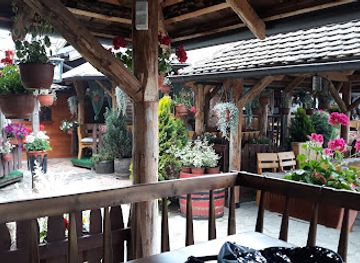
Brvnara
Discover Brvnara: A Culinary Gem in Grdica Offering Authentic Serbian Dishes Surrounded by Scenic Beauty.
7 min drive · 2.4 km from city centre
-
Restaurant
Restoran AS Kraljevo
Experience authentic Serbian cuisine at Restoran AS Kraljevo—where every meal tells a story of tradition and flavor.
8 min drive · 2.8 km from city centre
-
Restaurant
Tramonto Kafe Restoran
Discover delightful Serbian cuisine at Tramonto Kafe Restoran in Kraljevo – where every meal is a celebration of flavor and hospitality.
5 min walk · 0.4 km from city centre
-
Bakery
Mirage Extreme
Experience the sweet charm of Mirage Extreme Bakery & Breakfast Restaurant in Kraljevo – where every bite tells a story!
4 min walk · 0.3 km from city centre
Best bars in Kraljevo
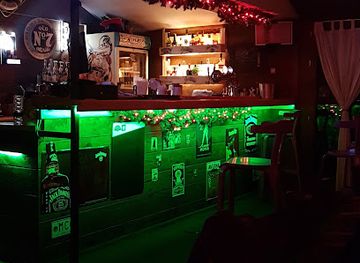
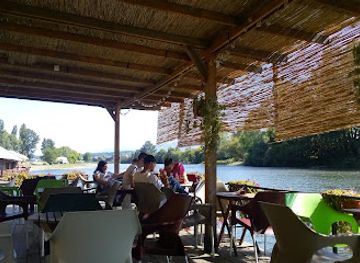
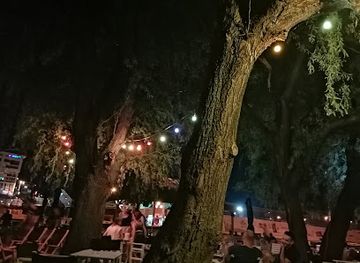
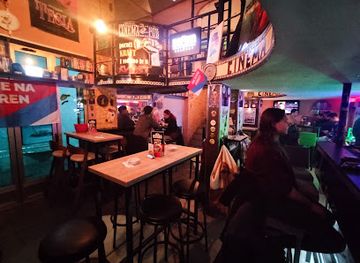
Kraljevo’s evening life is concentrated around the central streets and square, with cafés and casual bars providing the main social setting rather than a large clubbing scene. Residents often gather for coffee, beer or a leisurely conversation well into the evening, and some venues offer straightforward cocktails, local spirits and televised sport. During warmer months, outdoor seating becomes an important part of the town’s after-dark character. Restaurants and cafés near the centre can make a relaxed base for an evening, while occasional live music and cultural programmes add variety without transforming Kraljevo into a major nightlife destination. The town’s scale means that venues may be quieter outside peak periods, and activity is generally more subdued in spa settlements and rural areas. Visitors should use established taxis or arrange transport in advance when staying outside the central area.
-
Bar
Splav Azimuth
Experience the vibrant riverside atmosphere at Splav Azimuth in Kraljevo, where great drinks and local culture come together.
8 min walk · 0.7 km from city centre
-
Bar
Grey
Experience the vibrant ambiance and delightful drinks at Grey Bar, Kraljevo's premier destination for socializing and relaxation.
8 min walk · 0.6 km from city centre
-
Bar
I-Bar Caffe
Discover the vibrant atmosphere and local flavors at I-Bar Caffe in Kraljevo, where every visit is a celebration of good times and great company.
8 min walk · 0.6 km from city centre
-
Pub
Cinema Pub
Experience the best of cinema and nightlife at Cinema Pub in Kraljevo, where great drinks meet unforgettable movie moments.
4 min walk · 0.3 km from city centre
Best nightclubs in Kraljevo
Kraljevo’s evening life is concentrated around the central streets and square, with cafés and casual bars providing the main social setting rather than a large clubbing scene. Residents often gather for coffee, beer or a leisurely conversation well into the evening, and some venues offer straightforward cocktails, local spirits and televised sport. During warmer months, outdoor seating becomes an important part of the town’s after-dark character. Restaurants and cafés near the centre can make a relaxed base for an evening, while occasional live music and cultural programmes add variety without transforming Kraljevo into a major nightlife destination. The town’s scale means that venues may be quieter outside peak periods, and activity is generally more subdued in spa settlements and rural areas. Visitors should use established taxis or arrange transport in advance when staying outside the central area.
-
Bar
Splav Azimuth
Discover the lively Splav Azimuth in Kraljevo, where great drinks, music, and an unforgettable atmosphere await you.
8 min walk · 0.7 km from city centre
-
Bar
I-Bar Caffe
Discover the vibrant atmosphere of I-Bar Caffe in Kraljevo, where exquisite drinks meet lively entertainment in the heart of Serbia.
8 min walk · 0.6 km from city centre
-
Club
Play
Discover the vibrant nightlife at Play Nightclub in Kraljevo, where electrifying music and an unforgettable atmosphere await every night.
5 min walk · 0.4 km from city centre
-
Pub
BEER PUB
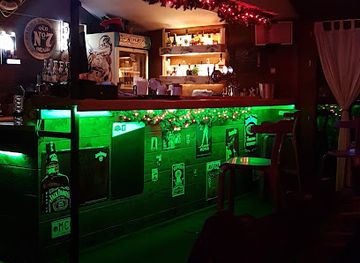
Experience the vibrant atmosphere and local flavors at Kraljevo's Beer Pub, a must-visit destination for beer lovers and travelers.
4 min walk · 0.3 km from city centre


Best shops in Kraljevo
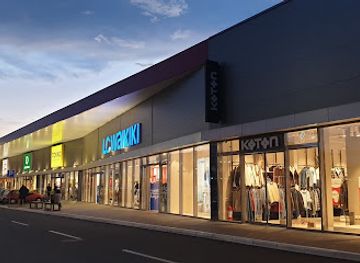
Shopping in Kraljevo is centred on ordinary Serbian town life rather than a specialised luxury retail scene. The central streets contain clothing shops, pharmacies, bakeries, cafés and practical stores, while the town market is the best place to encounter seasonal fruit and vegetables, dairy products, preserves and other supplies from the surrounding countryside. Small retailers and market stalls may also carry honey, homemade sweets, woven goods and bottles of regional rakija, although quality and provenance should be checked carefully. Traditional food products make more useful souvenirs than generic imports, and artisan or craft items may be found through local cultural networks rather than in a single dedicated bazaar. Modern supermarkets provide familiar provisions, while the centre remains better for browsing independent businesses and tasting local bakery specialities. Opening patterns can vary, particularly outside the main commercial streets and on public holidays.
-
Shopping mall
BIG Kraljevo
Explore the vibrant BIG Kraljevo Shopping Mall - a retail paradise with diverse brands, delightful dining, and engaging entertainment in the heart of Kraljevo.
14 min walk · 1.1 km from city centre
-
Vaporizer store
Vape Shop Umbrella Elektronske Cigarete Kraljevo
Discover Kraljevo's premier destination for vaporizers and hookahs at Umbrella Vape Shop, where quality meets expert advice.
4 min walk · 0.3 km from city centre
-
Shopping mall
Trzni Centar Lesnina
Discover diverse shopping and local cuisine at Tržni Centar Lesnina, Kraljevo's vibrant shopping mall that captures the essence of Serbian culture.
6 min walk · 0.5 km from city centre
-
Clothing store
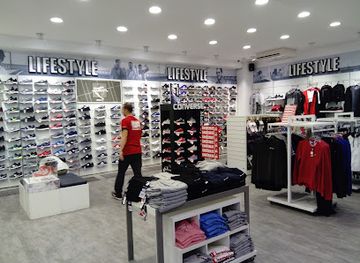
Sport Vision
Explore the latest trends in fashion at Sport Vision, Kraljevo's premier clothing store offering stylish apparel for every occasion.
3 min walk · 0.3 km from city centre

Get your free copy of our complete guide to Kraljevo, delivered straight to you.
Everything on this page, from attractions and restaurants to essentials and local phrases, in one PDF you can read offline, print or share.
Already have an account? Sign in
Your Kraljevo guide is ready.
We'll send it to · Not you? Sign out

Getting your guide ready…
We are putting together a fresh copy of the Kraljevo guide. This can take up to a minute.
This can take a few moments. If your browser asks, choose Allow so the download can start. You'll find the guide in your Downloads folder.
Nothing happened? Download it again
Sorry, the guide is taking longer than usual. Please try again in a minute, or get it by email instead.
Kraljevo essentials
Currency and Payment
Safety
Emergency Situations
Do's and Don'ts
Local Tips
From Eve
Local phrases worth knowing
You don't need to get them perfect. A few words go a long way, and locals appreciate the effort.
Basics
| English | Local | Say it |
|---|---|---|
| Hello | Здраво | [Zdravo] |
| Goodbye | Довиђења | [Doviđenja] |
| Yes | Да | [Da] |
| No | Не | [Ne] |
| Please/You're welcome | Молим/Нема на чему | [Molim/Nema na čemu] |
| Thank you | Хвала | [Hvala] |
| Excuse me/Sorry | Извините | [Izvinite] |
| How are you? | Како си? | [Kako si?] |
| Fine. And you? | Добро. А ти? | [Dobro. A ti?] |
| Do you speak English? | Да ли говорите енглески? | [Da li govorite engleski?] |
| I don't understand | Не разумем | [Ne razumem] |
Eating & Drinking
| English | Local | Say it |
|---|---|---|
| I'd like to see the menu, please | Желео бих да видим мени, молим | [Želeo bih da vidim meni, molim] |
| I don't eat meat | Не једем месо | [Ne jedem meso] |
| Cheers! | Здраво! | [Zdravo!] |
| I would like to pay, please | Желео бих да платим, молим | [Želeo bih da platim, molim] |
Emergencies
| English | Local | Say it |
|---|---|---|
| Help! | Упомоћ! | [Upomoć!] |
| Go away! | Иди одавде! | [Idi odavde!] |
| Call the Police! | Позвате полицију! | [Pozvate policiju!] |
| Call a doctor! | Позвате лекара! | [Pozvate lekara!] |
| I'm lost | Изгубио сам се | [Izgubio sam se] |
| I'm ill | Болестан сам | [Bolestan sam] |
Shopping
| English | Local | Say it |
|---|---|---|
| I'd like to buy... | Желео бих да купим... | [Želeo bih da kupim...] |
| I'm just looking | Само гледам | [Samo gledam] |
| How much is it? | Колико кошта? | [Koliko košta?] |
| That's too expensive | То је превише скупо | [To je previše skupo] |
| Can you lower the price? | Можете ли снизити цену? | [Možete li sniziti cenu?] |
Time & Numbers
| English | Local | Say it |
|---|---|---|
| What time is it? | Колико је сати? | [Koliko je sati?] |
| It's one o'clock | Један је сат | [Jedan je sat] |
| Half past (10) | Половина (10) | [Polovina (10)] |
| Morning | Јутро | [Jutro] |
| Afternoon | Поподне | [Popodne] |
| Evening | Вече | [Veče] |
| Yesterday | Јуче | [Juče] |
| Today | Данас | [Danas] |
| Tomorrow | Сутра | [Sutra] |
| 1 | Један | [Jedan] |
| 2 | Два | [Dva] |
| 3 | Три | [Tri] |
| 4 | Четири | [Četiri] |
| 5 | Пет | [Pet] |
| 6 | Шест | [Šest] |
| 7 | Седам | [Sedam] |
| 8 | Осам | [Osam] |
| 9 | Девет | [Devet] |
| 10 | Десет | [Deset] |
Transport & Directions
| English | Local | Say it |
|---|---|---|
| Where's a/the...? | Где је...? | [Gde je...?] |
| What's the address? | Која је адреса? | [Koja je adresa?] |
| Can you show me (on the map)? | Можете ли ми показати (на мапи)? | [Možete li mi pokazati (na mapi)?] |
| When's the next (bus)? | Кад је следећи (аутобус)? | [Kad je sledeći (autobus)?] |
| A ticket (to ....) | Једну карту (за ....) | [Jednu kartu (za ....)] |
History of Kraljevo
Medieval Raška and Žiča
The wider Kraljevo area formed part of the medieval Raška heartland, where the Serbian state developed important political and ecclesiastical institutions. Žiča Monastery, founded in the early thirteenth century by Stefan the First-Crowned and his brother Saint Sava, became the seat of the Serbian archbishopric and is traditionally associated with the coronation of Serbian kings. Its position near the Ibar valley reflects the region’s importance as a corridor between central Serbia and the medieval centres farther south. Although the modern town did not yet exist in its present form, the surrounding landscape already possessed a concentration of religious, political and defensive sites that continues to define Kraljevo’s historical identity.
Maglič and the Ibar Valley
Maglič Fortress, probably built or substantially developed in the thirteenth century, guarded the Ibar valley from a high limestone ridge south of present-day Kraljevo. Its walls, towers and churches formed a defensive complex controlling movement through a strategically important route. The fortress was connected with the medieval Serbian state and later passed through periods of Serbian and Ottoman control as political power shifted across the region. The surrounding valley also contains monasteries and remnants of medieval settlement, making it an important historical landscape rather than an isolated monument. Maglič’s ruined walls remain one of the clearest physical reminders of the military geography of medieval central Serbia.
Karanovac under Ottoman Rule
The settlement that developed into modern Kraljevo was known for centuries as Karanovac. It grew as a market and administrative centre in the Ibar region during the Ottoman period and remained connected to trade routes linking the interior with the Morava valley and southern Serbia. Its fortunes changed during the Serbian uprisings of the early nineteenth century, when control of the surrounding territory was contested and the settlement became part of the emerging autonomous Serbian principality. The town’s later expansion was shaped by this shift from an Ottoman frontier market to a Serbian administrative and commercial centre.
From Karanovac to Kraljevo
In 1882, the town was renamed Kraljevo after the proclamation of the Serbian Kingdom under King Milan I. The new name expressed the monarchy’s effort to connect the settlement with Serbia’s medieval royal heritage, particularly the nearby traditions of Žiča and the Raška region. During the late nineteenth and early twentieth centuries, Kraljevo developed civic institutions, improved transport links and expanded its role as a regional market town. Its central urban form, public buildings and commercial streets reflect this period of state-building, when towns across Serbia were being reshaped according to modern administrative and economic needs.
War, Industry and Reconstruction
Kraljevo experienced severe disruption during the Second World War. In 1941, German occupation forces carried out mass reprisals against civilians and prisoners in the town, an event commemorated at the Memorial Park of October 1941. After the war, Kraljevo became an important industrial and transport centre, serving the surrounding agricultural and mountainous districts. Socialist-era development expanded housing, public services and manufacturing beyond the older core. On 3 November 2010, a strong earthquake struck the Kraljevo area, damaging buildings and infrastructure and prompting a major period of reconstruction. The contemporary town therefore combines medieval regional heritage with the physical traces of twentieth-century industry, war and renewal.
Kraljevo in Photos
Browse through our photo collection highlighting the charm and character of the destination.
Cities near Kraljevo
The closest cities to Kraljevo, if you have time for more than one stop.
-

-

-

-

-


Swipe for more cities
Explore more

Explore more of Serbia
Discover Serbia: A Balkan treasure with rich history, stunning natural landscapes, and vibrant cities waiting to be explored.
Explore Serbia