

Free Île Cocos Travel Guide & Mobile App
Explore Île Cocos with free travel guides. Discover regional history, expert tips, proposed trips, and audio guides on web or mobile app.


Explore Île Cocos in the Seychelles for clear-water snorkelling, granite islets, turtle encounters and protected reef scenery near La Digue.
Read more about Île Cocos
When is the best time to visit Île Cocos?
Best: June–August · 31°C| Month | High (°C) | Rainfall (mm) |
|---|---|---|
| January | 31 | 250 |
| February | 32 | 200 |
| March | 32 | 180 |
| April | 32 | 160 |
| May | 32 | 150 |
| June (best) | 31 | 120 |
| July (best) | 31 | 100 |
| August (best) | 31 | 110 |
| September | 31 | 120 |
| October | 32 | 150 |
| November | 32 | 180 |
| December | 31 | 220 |
Getting to and around Île Cocos
How to get there
Transportation
Best attractions in Île Cocos
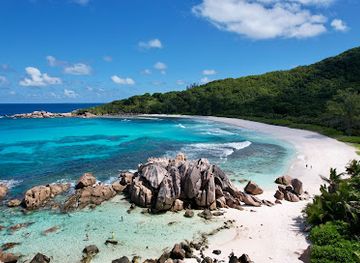
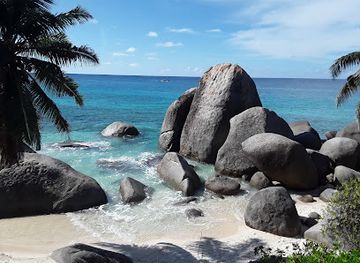
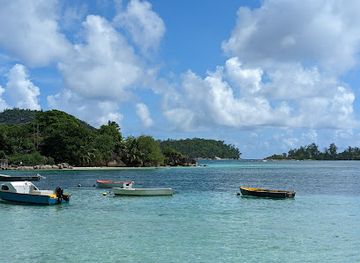
Île Cocos’ attractions are almost entirely marine and natural. Snorkelling over shallow reef, granite shelves and sandy channels is the principal activity, with opportunities to see reef fish and, in suitable conditions, hawksbill or green turtles. The three small islets provide a striking above-water setting of granite rock, low vegetation and narrow shoreline rather than a conventional programme of museums, monuments or walks. Boat approaches are part of the experience, revealing how quickly the water changes from pale, sheltered shallows to deeper ocean. Landing may be possible at selected points, but access depends on tide, swell and operator guidance, and there are no visitor facilities. The protected waters also reward quiet observation from the boat, particularly for those interested in reef ecology and seabirds. Île Cocos is best understood alongside La Digue, where visitors can find accommodation, cycling, beaches and cultural context; La Digue is a separate inhabited island, not part of Île Cocos itself. The destination suits travellers seeking a focused marine excursion rather than a wide range of land-based attractions.
-
Island
Silhouette Island
Experience the untouched beauty of Silhouette Island, Seychelles, where lush rainforests meet pristine beaches in a tropical paradise.
-
Bay
Anse Cocos
Discover the serene beauty of Anse Cocos, a breathtaking bay in the Seychelles, ideal for relaxation, snorkeling, and scenic hikes.
-
Island
Fregate
Discover the serene beauty and luxury of Fregate Island, a hidden paradise in the Seychelles with stunning landscapes and exotic wildlife.
-
Island
Ile du Nord
Explore the untouched beauty of Ile du Nord, an idyllic island in the Seychelles with pristine beaches and rich biodiversity for nature lovers.
Best landmarks in Île Cocos
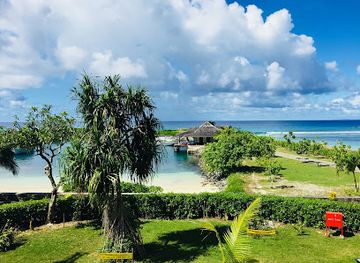
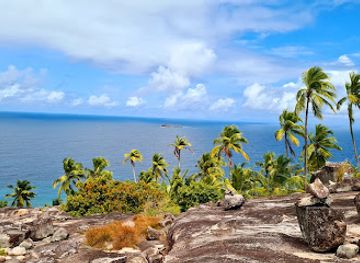
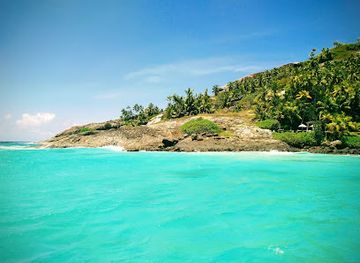
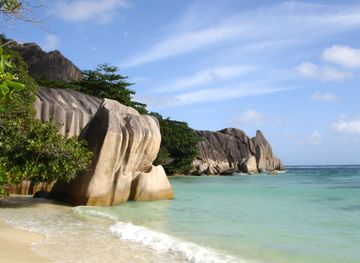
The defining landmarks of Île Cocos are natural rather than architectural. The three granite islets form a recognisable cluster of low, weathered rock set against open water, with narrow beaches, wave-cut surfaces and vegetation shaped by exposure to the sea. The surrounding protected reef is the principal landmark beneath the surface: its shallow coral areas and channels give the island group its visual and ecological identity. There are no churches, forts, historic houses or civic buildings, and no permanent settlement to explore. The most meaningful sense of place comes from viewing the islets from a boat and understanding their relationship with nearby Félicité and La Digue, both separate islands in the Inner Islands. Visitors should not mistake Félicité’s private development or La Digue’s inhabited landscape for features of Île Cocos. The island group’s significance lies in its undeveloped marine setting and its role within Seychelles’ conservation network.
-
 Resort hotel
Savoy Seychelles Resort & Spa
Experience the ultimate luxury at Savoy Seychelles Resort & Spa, where relaxation meets adventure in stunning Beau Vallon.
-
Botanical garden
Victoria Botanical Gardens
Experience the stunning beauty and ecological diversity of Seychelles at the Victoria Botanical Gardens, a peaceful retreat for nature lovers and travelers alike.
-
Restaurant
Del Place Restaurant
Experience the best of Seychellois cuisine and breathtaking ocean views at Del Place Restaurant, where every meal is a celebration of flavor.
-
Resort hotel
STORY Seychelles
Experience the luxury of STORY Seychelles, where pristine beaches meet exceptional hospitality and unforgettable adventures await.
Explore Île Cocos on the map
Plan your trip on one map. See where the top cities, national parks and sights are, and book hotels and experiences in a few clicks.
Best hotels in Île Cocos
Best restaurants in Île Cocos
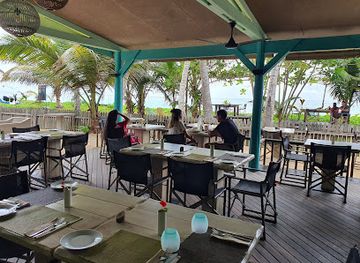
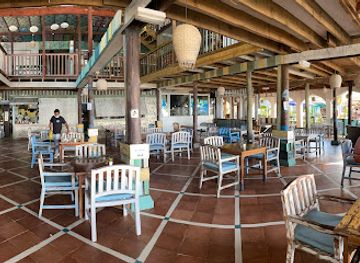
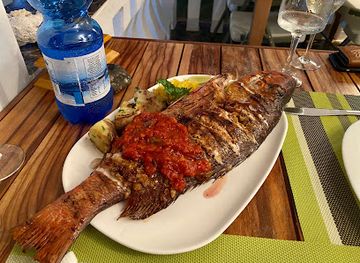
There are no restaurants, cafés or food shops on Île Cocos. Organised excursions commonly provide drinking water and may include a simple picnic or barbecue, but arrangements vary and should be confirmed before departure. Most visitors eat before or after the trip on La Digue, where small restaurants, takeaways and guesthouse kitchens reflect the wider Seychellois tradition of combining rice, seasonal vegetables, fish and Creole flavourings. Seafood is prominent across the Inner Islands, while coconut, chilli, garlic and local fruit often appear in island cooking. Praslin offers a broader choice of restaurants and can be a practical base for boat excursions, although it is separate from Île Cocos. Travellers with allergies, dietary restrictions or a need for regular medication should bring suitable provisions, since the uninhabited islets cannot supply replacements.
-
Creole
Kafe Kreol Cafe & Restaurant
Experience authentic Creole cuisine at Kafe Kreol in Anse Royale - where vibrant flavors meet island hospitality.
-
Restaurant
The Boat House Restaurant
Discover exquisite dining at The Boat House Restaurant in Beau Vallon - where fresh seafood meets breathtaking ocean views.
-
Restaurant
Perry's Grillz
Discover culinary excellence at Perry's Grillz in Mahe, Seychelles – where local flavors meet international flair.
-
Restaurant
La Gaulette Restaurant
Experience authentic Seychellois cuisine at La Gaulette Restaurant on Mahé's stunning coastline.

Best bars in Île Cocos
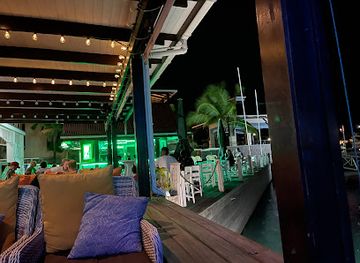
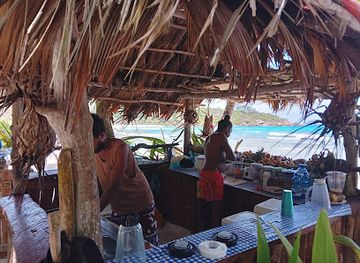
Île Cocos has no bars, nightclubs or evening entertainment, and excursions return to an inhabited island before nightfall. Evening life is therefore based on La Digue or, for some itineraries, Praslin. La Digue’s atmosphere is generally quiet and social, centred on hotel and guesthouse dining, small bars and relaxed beachfront or village settings rather than a large club scene. Praslin provides a wider selection of hotel bars and restaurants, while Mahé has the country’s most developed nightlife but lies much farther away. A sunset drink or dinner should be planned around the boat schedule, as there is no way to remain on Île Cocos after the day’s access arrangements end. Alcohol is not necessary for enjoying the marine environment, and responsible operators expect visitors to remain alert during boat travel and snorkelling.
-
Bar
The Boardwalk Bar & Grill
Discover the lively charm of The Boardwalk Bar & Grill, a fusion of dining, dancing, and stunning marina views on Eden Island.
-
Bar
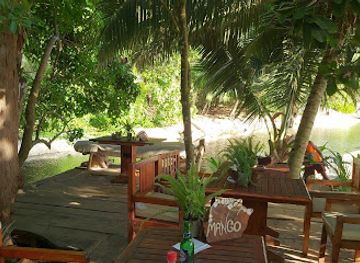
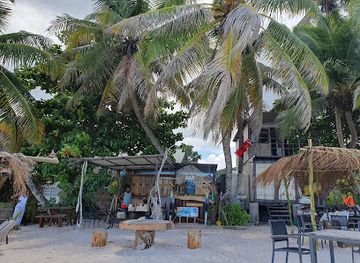
Coco Bar
Discover the vibrant Coco Bar in La Digue, a beachfront gem serving fresh cocktails and local cuisine in a relaxed, inviting atmosphere.
-
Bar
Summer Bar
Experience the laid-back charm of Summer Bar in Quatre Bornes, where breathtaking ocean views meet refreshing cocktails in a tropical paradise.
-
Grill
ROYAL BAY BEACH CLUB
Experience the perfect blend of relaxation and adventure at Royal Bay Beach Club, where breathtaking views meet exquisite dining in Seychelles.
Best nightclubs in Île Cocos
Île Cocos has no bars, nightclubs or evening entertainment, and excursions return to an inhabited island before nightfall. Evening life is therefore based on La Digue or, for some itineraries, Praslin. La Digue’s atmosphere is generally quiet and social, centred on hotel and guesthouse dining, small bars and relaxed beachfront or village settings rather than a large club scene. Praslin provides a wider selection of hotel bars and restaurants, while Mahé has the country’s most developed nightlife but lies much farther away. A sunset drink or dinner should be planned around the boat schedule, as there is no way to remain on Île Cocos after the day’s access arrangements end. Alcohol is not necessary for enjoying the marine environment, and responsible operators expect visitors to remain alert during boat travel and snorkelling.
-
Casino
Club Liberté Casino
Club Liberté Casino: A premier gaming and dining destination in Anse Soleil, Seychelles, offering thrilling experiences and vibrant nightlife.
-
Travel lounge
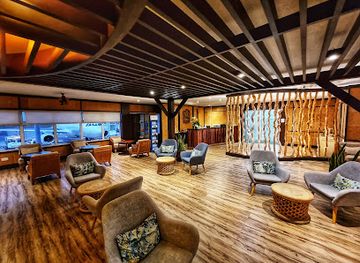
Salon Vallee De Mai first, business class lounge
Experience the ultimate luxury and relaxation at Salon Vallee De Mai, Seychelles' premier travel lounge at the airport.
-
Night club
Barrel Night Club
Discover the vibrant nightlife at Barrel Night Club in Victoria; a lively venue for unforgettable evenings filled with music, dancing, and great company.
-
Bar
Bourgeois Bar & Lounge at Eden Bleu Hotel
Experience the elegance and vibrant atmosphere of Bourgeois Bar & Lounge at Eden Bleu Hotel, your perfect island getaway for cocktails and relaxation.


Best shops in Île Cocos
Île Cocos has no shops, stalls or market, so shopping must be completed on La Digue, Praslin or Mahé before or after the excursion. La Digue’s small retail scene includes convenience shops, locally produced food, practical beach supplies and souvenirs, while Praslin and Mahé offer a wider selection of galleries, craft outlets and supermarkets. Appropriate mementoes may include Seychelles-made art, textiles, spices or packaged coconut products, provided they are legally sourced and can be carried home under the visitor’s customs rules. Do not collect shells, coral, sand, drift material or plants from Île Cocos. The most useful purchase for the excursion is practical rather than decorative: reusable water storage, sun protection, waterproof storage and suitable footwear. Check conservation and import restrictions before buying products made from marine or protected wildlife.
-
Supermarket
STC Hypermarket
Discover the vibrant local flavors and international goods at STC Hypermarket, the largest supermarket in Seychelles, located in Victoria.
-
Historical landmark
Craft Village
Explore Craft Village in Pointe Au Sel - A vibrant hub of Seychellois art and culture, showcasing handmade crafts and rich heritage.
-
Artist
Roots Seychelles
Explore the vibrant artistry of Seychelles at Roots Seychelles, a unique gallery showcasing local talent and rich cultural heritage.
-
Souvenir store
Koral Souvenir Boutique
Discover unique Seychellois crafts and authentic souvenirs at Koral Souvenir Boutique in Beau Vallon, a must-visit for every traveler.

Get your free copy of our complete guide to Île Cocos, delivered straight to you.
Everything on this page, from attractions and restaurants to essentials and local phrases, in one PDF you can read offline, print or share.
Already have an account? Sign in
Your Île Cocos guide is ready.
We'll send it to · Not you? Sign out

Getting your guide ready…
We are putting together a fresh copy of the Île Cocos guide. This can take up to a minute.
This can take a few moments. If your browser asks, choose Allow so the download can start. You'll find the guide in your Downloads folder.
Nothing happened? Download it again
Sorry, the guide is taking longer than usual. Please try again in a minute, or get it by email instead.
Île Cocos essentials
Currency and Payment
Safety
Emergency Situations
Do's and Don'ts
Local Tips
From Eve
Local phrases worth knowing
You don't need to get them perfect. A few words go a long way, and locals appreciate the effort.
Basics
| English | Local | Say it |
|---|---|---|
| Hello | Bonzour | [Bohn-zoo] |
| Goodbye | Aurevoir | [Oh-reh-vwah] |
| Yes | Wi | [Wee] |
| No | Non | [Nawn] |
| Please/You're welcome | Silvouplé | [Seel-vu-play] |
| Thank you | Mèrsi | [Mer-see] |
| Excuse me/Sorry | S'il vous plaît | [Seel voo play] |
| How are you? | Koman ou lé? | [Koh-mahn oo lay?] |
| Fine. And you? | Byen. É ou? | [B-yen. Eh oo?] |
| Do you speak English? | Es ou kapab koz Anglè? | [Es oo kah-bab kohz Ahn-glay?] |
| I don't understand | Mwen pa konpran | [Mwen pah kon-prahn] |
Eating & Drinking
| English | Local | Say it |
|---|---|---|
| I'd like to see the menu, please | Mwen ti a kontan vwar meni, silvouplé | [Mwen tee ah kohn-tahn vwar men-ee, seel-vu-play] |
| I don't eat meat | Mwen pa manze vyann | [Mwen pah mahn-zay vyahn] |
| Cheers! | Santé! | [Sahn-tay] |
| I would like to pay, please | Mwen ti a kontan pey, silvouplé | [Mwen tee ah kohn-tahn pay, seel-vu-play] |
Emergencies
| English | Local | Say it |
|---|---|---|
| Help! | Seki! | [Seh-kee!] |
| Go away! | Alé! | [Ah-lay!] |
| Call the Police! | Apel lapolis! | [Ah-pel lah-po-lees!] |
| Call a doctor! | Apel en doktor! | [Ah-pel ahn dok-tor!] |
| I'm lost | Mwen pa trouv | [Mwen pah troov] |
| I'm ill | Mwen malad | [Mwen mah-lahd] |
Shopping
| English | Local | Say it |
|---|---|---|
| I'd like to buy... | Mwen ti a kontan achte... | [Mwen tee ah kohn-tahn ah-shteh...] |
| I'm just looking | Mwen zis pe regarde | [Mwen zees pay reh-gahr-day] |
| How much is it? | Ki kantite li coûte? | [Kee kahn-teh lee koot?] |
| That's too expensive | Sa tro chère | [Sah tro shair] |
| Can you lower the price? | Es ou kapab desann pri? | [Es oo kah-bab day-sahn pree?] |
Time & Numbers
| English | Local | Say it |
|---|---|---|
| What time is it? | Ki l’heure li? | [Kee luhr lee?] |
| It's one o'clock | Li enn l’heure | [Lee enn luhr] |
| Half past (10) | Demi (10) | [Duh-mee (10)] |
| Morning | Matin | [Mah-tan] |
| Afternoon | Apres-midi | [Ah-preh-mee-dee] |
| Evening | Swar | [Swar] |
| Yesterday | Yer | [Yair] |
| Today | Zordi | [Zor-dee] |
| Tomorrow | Demain | [Duh-mehn] |
| 1 | En | [Ahn] |
| 2 | De | [Duh] |
| 3 | Trois | [Trwah] |
| 4 | Katre | [Kah-tray] |
| 5 | Senk | [Sank] |
| 6 | Siz | [Seez] |
| 7 | Set | [Set] |
| 8 | Huit | [Wheet] |
| 9 | Neuf | [Nuhf] |
| 10 | Dix | [Deez] |
Transport & Directions
| English | Local | Say it |
|---|---|---|
| Where's a/the...? | Koté enn/enn...? | [Koh-tay enn/enn...?] |
| What's the address? | Ki l’adress? | [Kee lah-dress?] |
| Can you show me (on the map)? | Es ou kapab montre mwen (lo plan)? | [Es oo kah-bab mohn-tray mwen (loh plahn)?] |
| When's the next (bus)? | Kan prosen (bus)? | [Kahn proh-sen (boos)?] |
| A ticket (to ....) | En tiké (pou ....) | [Ahn tee-kay (poo ....)] |
History of Île Cocos
Granite-island formation and marine ecology
Île Cocos belongs to the granitic Inner Islands of the Seychelles, a distinctive island group formed from ancient continental rock rather than volcanic cones or coral atolls. Its three small islets and surrounding reef habitats reflect the interaction of granite shorelines, tropical weather, tides and open-ocean currents. There is no archaeological record of a permanent settlement on Île Cocos comparable with the inhabited islands, but its position within the Inner Islands placed it within the sailing and fishing environment used by Seychellois communities for generations.
Maritime movement in the Inner Islands
Before modern tourism, the waters around La Digue, Félicité and Île Cocos were part of a wider inter-island seascape travelled by small boats. Fishing, coconut cultivation and movement between settlements shaped life on the neighbouring inhabited islands, while small uninhabited islets served as navigational reference points and temporary stopping places. Île Cocos did not develop into a town or plantation centre, and its historical importance is therefore primarily geographical: it occupies a familiar position in the maritime landscape of the Seychelles’ Inner Islands.
Colonial Seychelles and the neighbouring islands
The Seychelles became a French colony in the eighteenth century and passed to British control during the Napoleonic period, remaining a British colony until independence in 1976. The main economic and administrative developments took place on larger islands such as Mahé, Praslin and La Digue rather than on Île Cocos. Nevertheless, the small island group was affected by the broader colonial economy based on coconut products, food cultivation, shipping and inter-island labour. The absence of permanent settlement helped preserve its largely natural character.
La Digue’s changing relationship with the sea
La Digue developed a distinctive island economy based historically on coconut processing, vanilla, small-scale agriculture, fishing and boat travel. As roads, ferries and tourism expanded in the twentieth century, nearby marine areas became increasingly accessible to visitors. Île Cocos consequently changed from a remote navigational feature into a destination for organised snorkelling and boat excursions, although it has remained without permanent accommodation or an urban settlement.
Marine protection and conservation
The establishment of Île Cocos as a protected marine area in 1996 reflected a wider shift in the Seychelles towards safeguarding reefs, turtles, fish populations and coastal habitats. Protection places greater emphasis on regulated access and responsible visitor behaviour than on construction or intensive development. Today, the defining historical transformation of Île Cocos is the move from an uninhabited maritime outpost to a conservation-led excursion destination, with its natural underwater environment forming the principal heritage of the place.
Île Cocos in Photos
Browse through our photo collection highlighting the charm and character of the destination.
Neighbouring regions of Île Cocos
The closest regions to Île Cocos, if you have time for more than one.
-

-

-

-

-


Swipe for more regions
Explore more
Explore more of Seychelles
Discover the enchanting islands of Seychelles, where stunning beaches, vibrant wildlife, and rich Creole culture come together for an unforgettable tropical escape.
Explore Seychelles