

La Digue Island, Seychelles Travel Guide
Discover La Digue Island in Seychelles: A tropical paradise featuring stunning beaches, unique granite boulders, and a laid-back atmosphere perfect for nature lovers.
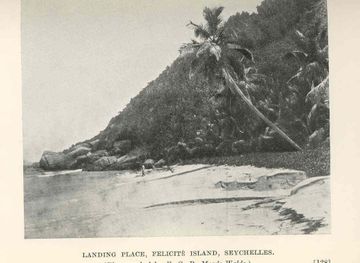
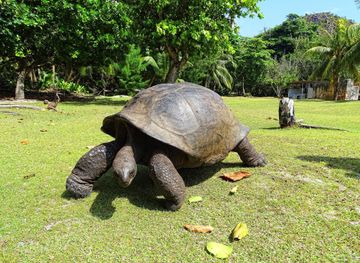
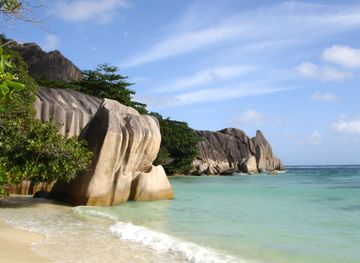
La Digue Island, nestled in the heart of Seychelles, is a gem that offers an idyllic escape from the hustle and bustle of everyday life. Known for its stunning granite boulders, white sandy beaches, and turquoise waters, this island paradise is a haven for nature lovers and those seeking tranquility. The island's most famous beach, Anse Source d'Argent, is often cited as one of the most beautiful beaches in the world. Its unique rock formations and clear, shallow waters make it perfect for snorkeling and photography. One of the island's charms is its laid-back atmosphere. Bicycles are the main mode of transport, allowing visitors to leisurely explore the island's lush landscapes and vibrant local culture. Don't miss a visit to L'Union Estate, a historical plantation where you can learn about the island's colonial past and see giant tortoises up close. La Digue is also a gateway to exploring the nearby islands of Félicité, Grande Soeur, and Petite Soeur, each offering their own unique experiences. For those who enjoy hiking, the trails around Nid d'Aigle provide breathtaking panoramic views of the island and the surrounding ocean. With a variety of accommodations ranging from luxury resorts to charming guesthouses, La Digue caters to all types of travelers. Whether you're looking to relax on the beach, explore the underwater world, or immerse yourself in local culture, La Digue Island promises an unforgettable experience.

Know before you go
Hi, I'm Eve. Here are a few practical things to know before exploring La Digue Island.
- Rent a bicycle to explore the island at your own pace.
- Visit Anse Source d'Argent early in the morning to avoid crowds.
- Carry cash, as some local shops and eateries do not accept credit cards.
- Bring reef-safe sunscreen to protect the coral reefs while snorkeling.
- Try local Creole dishes at the island's small eateries for an authentic experience.
- Check the tide schedules if you plan to visit the beaches, as high tide can cover much of the sandy areas.
Top City Travel Guides in La Digue Island
The cities of La Digue Island, and the easiest places to base yourself.

Explore La Digue Island: Things to Do, Places to Eat, Hotels & More
Handpicked recommendations for top attractions, local dining, accommodations, and more

Top Attractions & Sightseeing in La Digue Island
Top-rated picks
Best Attractions

Anse Source d'Argent
Discover the breathtaking beauty of Anse Source d'Argent, a stunning beach on La Digue Island, Seychelles, known for its unique granite boulders and crystal-clear waters.
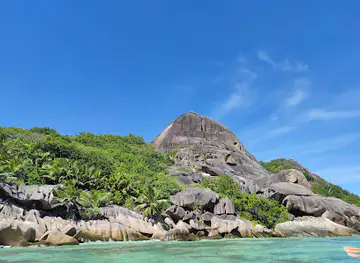
Crystal Water Kayaks
Experience the serene beauty of Seychelles with kayaking adventures at Crystal Water Kayaks in La Passe, perfect for all skill levels.

Pointe Grand Anse
Experience the breathtaking beauty and tranquility of Pointe Grand Anse, a scenic gem on La Digue Island in Seychelles.
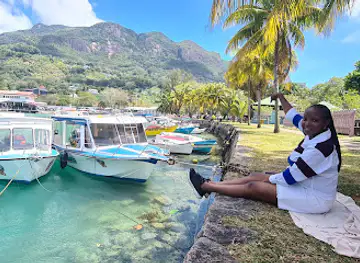
Bicentenary Monument Seychelles
Explore the Bicentenary Monument Seychelles, a vibrant historical landmark celebrating the rich heritage of this tropical paradise.

Best landmarks in La Digue Island
Top-rated picks
Best Landmarks

Crystal Water Kayaks
Discover the enchanting waters of La Passe with Crystal Water Kayaks, your gateway to unforgettable kayaking adventures in Seychelles.
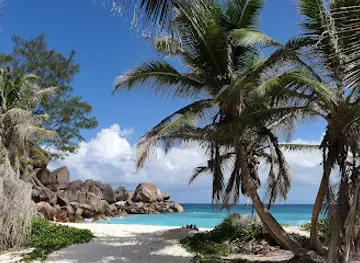
Grand Anse Beach
Experience the breathtaking beauty of Grand Anse Beach in Seychelles, where golden sands meet turquoise waters for an unforgettable tropical escape.
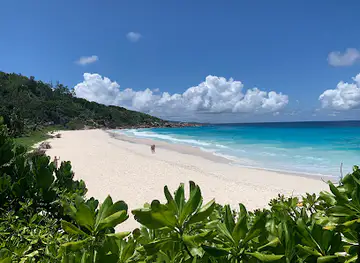
Petite Anse Beach
Experience the breathtaking beauty of Petite Anse Beach in Seychelles, where pristine sands meet crystal-clear waters for an unforgettable tropical getaway.

Pointe Grand Anse
Experience the breathtaking beauty of Pointe Grand Anse, a serene haven of crystal-clear waters and stunning beaches on La Digue, Seychelles.

Best restaurants in La Digue Island


Best bars in La Digue Island
Top-rated picks
Best Bars

Gecko Bar
Discover the perfect blend of relaxation and entertainment at Gecko Bar in Beau Vallon, where stunning ocean views meet delicious local flavors.

The Boardwalk Bar & Grill
Discover the perfect blend of dining, cocktails, and nightlife at The Boardwalk Bar & Grill on Eden Island, a vibrant waterfront destination.

Coco Bar
Experience the vibrant atmosphere of Coco Bar in La Digue, where refreshing cocktails meet stunning views in a tropical paradise.

Summer Bar
Discover the tropical charm of Summer Bar in Anse Intendance, where refreshing drinks and breathtaking views await every visitor.

Best nightclubs in La Digue Island
Top-rated picks
Best Nightclubs

The Boardwalk Bar & Grill
Experience the vibrant nightlife and exquisite dining at The Boardwalk Bar & Grill on Eden Island, where every evening becomes a celebration.

Coco Bar
Discover Coco Bar in La Digue: a vibrant bar offering exquisite drinks and breathtaking views in the heart of Seychelles.

ROYAL BAY BEACH CLUB
Explore the beauty of Anse Royale at Royal Bay Beach Club, where delectable dining meets thrilling water sports in a tropical paradise.

Robinson Crusoe Bar
Experience the tropical charm and lively atmosphere of Robinson Crusoe Bar on La Digue, where refreshing drinks meet stunning island views.

Best shops in La Digue Island
Top-rated picks
Best Shops

Eden Plaza
Discover the vibrant shopping experience at Eden Plaza, where local charm meets international brands in the beautiful Seychelles.

STC Hypermarket
Experience the vibrant local culture at STC Hypermarket in Victoria, offering a diverse selection of groceries and unique local products.

Koral Souvenir Boutique
Explore Koral Souvenir Boutique in Beau Vallon for unique handcrafted treasures and local artistry representing the vibrant culture of the Seychelles.

The Chop Shop Seychelles
Explore the vibrant flavors of Seychelles at The Chop Shop, your go-to supermarket in Victoria for local and international delights.

Explore La Digue Island on the Map
A handpicked selection of must-see spots in La Digue Island, mapped for you.
La Digue Island Essentials
-
La Digue Island is accessible via the main island of Mahé or Praslin. The Seychelles International Airport (SEZ) in Mahé is the primary entry point for international travelers. From Mahé, you can take a domestic flight to Praslin Island, which takes about 15 minutes. From Praslin, you can catch a ferry to La Digue, a journey that lasts approximately 15-20 minutes. Direct ferry services are also available from Mahé to La Digue, taking around 1.5 hours.
-
La Digue is a small island, and the primary modes of transport are bicycles and ox-carts. Bicycles can be rented from various rental shops around the island. For shorter distances, walking is also a feasible option. Taxis are available but are relatively expensive. There are no car rentals for tourists as the island promotes eco-friendly transportation.
-
The official currency of Seychelles is the Seychellois Rupee (SCR). Credit cards are widely accepted in hotels, restaurants, and larger shops. However, it is advisable to carry some cash for smaller establishments and local markets. ATMs are available on the island, but it's a good idea to withdraw sufficient cash before arriving to avoid inconvenience.
-
La Digue is generally a safe destination with low crime rates. However, tourists should take standard precautions such as not leaving belongings unattended and avoiding isolated areas at night. There are no specific high-crime areas targeting tourists, but it's always best to stay vigilant and aware of your surroundings.
-
In case of emergency, dial 999 for immediate assistance. La Digue has a small health center for medical emergencies, but serious cases may require transfer to a hospital in Mahé or Praslin. It is recommended to have travel insurance that covers medical emergencies. For minor health issues, there are a few pharmacies on the island where you can purchase over-the-counter medications.
-
Fashion: Do dress modestly, especially when visiting religious sites. Avoid wearing revealing clothing. Religion: Do respect local customs and traditions. Always remove your shoes before entering someone's home or a place of worship. Public Transport: Do be respectful and give up your seat to elderly passengers. Don't eat or drink on public transport. Greetings: Do greet people with a friendly 'Bonjour' or 'Hello'. A handshake is also common. Eating & Drinking: Do try local delicacies and accept food offerings graciously. Don't refuse hospitality, as it is considered impolite.
-
To experience La Digue like a local, visit the local markets where you can buy fresh produce and traditional Seychellois goods. Engage with locals, as they are often friendly and willing to share stories about the island's history and culture. Don't miss visiting the iconic Anse Source d'Argent beach, known for its stunning granite boulders and clear waters. For a unique experience, take a guided tour to the Veuve Nature Reserve to see the rare Seychelles paradise flycatcher.
When is the best time to visit La Digue Island?
Useful Local Phrases for La Digue Island
You don't need to speak the language perfectly. Even learning a few simple words can make conversations warmer—and locals usually appreciate the effort.
— Eve

Here are the phrases I use most often in La Digue Island. Try a few—you'll be surprised how far they go! 😊
❤️
-
- HelloBonzour
[bɔ̃zuʁ] - GoodbyeAurevoir
[oʁvwaʁ] - YesWi
[wi] - NoNon
[nɔ̃] - Please/You're welcomeSil vou plé
[sil vu ple] - Thank youMersi
[mɛʁsi] - Excuse me/SorryEskizé
[ɛskize] - How are you?Koman ou lé?
[kɔmɑ̃ u le] - Fine. And you?Bon. É ou?
[bɔ̃ e u] - Do you speak English?Ou koz Anglé?
[u koza ɑ̃ɡle] - I don't understandMwa pa konpran
[mwa pa kɔ̃pʁɑ̃]
- HelloBonzour
-
- I'd like to see the menu, pleaseMwan ti a kontan vwar men, sil vou plé
[mwɑ̃ ti a kɔ̃tɑ̃ vwaʁ mɛn sil vu ple] - I don't eat meatMwa pa manze vyann
[mwa pa mɑ̃ze vjɑ̃] - Cheers!Santé!
[sɑ̃te] - I would like to pay, pleaseMwan ti a kontan pey, sil vou plé
[mwɑ̃ ti a kɔ̃tɑ̃ pe sil vu ple]
- I'd like to see the menu, pleaseMwan ti a kontan vwar men, sil vou plé
-
- Help!Sos!
[sos] - Go away!Alez ale!
[ale ale] - Call the Police!Apel Poliz!
[apɛl pɔliz] - Call a doctor!Apel en doktè!
[apɛl ɛ̃ dɔkte] - I'm lostMwan pe perdi
[mwɑ̃ pe pɛʁdi] - I'm illMwan malad
[mwɑ̃ mala]
- Help!Sos!
-
- I'd like to buy...Mwan ti a kontan achte...
[mwɑ̃ ti a kɔ̃tɑ̃ aʃte] - I'm just lookingMwan zis pe regard
[mwɑ̃ zis pe ʁeɡaʁ] - How much is it?Konbyen sa koute?
[kɔ̃bjen sa kut] - That's too expensiveSa tro koute
[sa tʁo kut] - Can you lower the price?Ou kapav rabais pri?
[u kapav ʁabe pʁi]
- I'd like to buy...Mwan ti a kontan achte...
-
- What time is it?Ki letan i sa?
[ki lɛtɑ̃ i sa] - It's one o'clockI 1 o'clock
[i ɛ̃ ɔklo] - Half past (10)Demi (10)
[dəmi (10)] - MorningMaten
[matɛ̃] - AfternoonApre midi
[apʁe midi] - EveningSwar
[swaʁ] - YesterdayYer
[jeʁ] - TodayOzour
[ozuʁ] - TomorrowDemain
[dəmɛ̃] - 1En
[ɛ̃] - 2De
[de] - 3Trois
[tʁwa] - 4Katre
[katʁ] - 5Senk
[sɛ̃k] - 6Siz
[siz] - 7Set
[sɛt] - 8Huit
[ɥit] - 9Nef
[nɛf] - 10Dis
[dis]
- What time is it?Ki letan i sa?
-
- Where's a/the...?Kot i en...?
[kɔt i ɛ̃] - What's the address?Ki adres?
[ki adʁɛs] - Can you show me (on the map)?Ou kapav montre mwan (lo kat)?
[u kapav mɔ̃tʁe mwɑ̃ lo kat] - When's the next (bus)?Kan prosen (bwa)?
[kɑ̃ pʁɔsɛn bwa] - A ticket (to ....)En tikè (pou ....)
[ɛ̃ tike pu]
- Where's a/the...?Kot i en...?
History of La Digue Island
-
La Digue Island's history dates back to the early 18th century when it was first settled by French colonists. The island was named after the ship 'La Digue,' which was part of the fleet of French explorer Marc-Joseph Marion du Fresne. The initial settlers primarily engaged in farming and fishing, laying the foundation for the island's future community.
-
During the colonial era, La Digue Island came under the control of several European powers, including the French and the British. The island's strategic location in the Indian Ocean made it a valuable asset for maritime trade routes. Under British rule in the 19th century, coconut plantations became a significant part of the island's economy, and the remnants of these plantations can still be seen today.
-
La Digue Island's culture is a rich tapestry woven from African, European, and Asian influences. The Seychellois Creole language, which is widely spoken on the island, is a blend of French, English, and African dialects. The island's cultural heritage is also reflected in its music, dance, and culinary traditions, which feature a mix of Creole, French, and Indian flavors.
-
In the late 19th and early 20th centuries, La Digue Island became known for its vanilla plantations. Vanilla cultivation brought economic prosperity to the island and attracted laborers from other parts of the Seychelles and beyond. Although the vanilla industry has declined, the island's lush plantations and traditional processing methods are a testament to this significant period in its history.
-
La Digue Island is renowned for its stunning landscapes, characterized by massive granite boulders and pink sand beaches, such as Anse Source d'Argent. These natural formations are not only a geological marvel but also hold cultural significance for the island's inhabitants. The boulders have been used in traditional construction, and the beaches have inspired local folklore and legends.
-
In recent decades, La Digue Island has become a leader in marine conservation and eco-tourism. The island's surrounding coral reefs and marine life are protected by various conservation initiatives, ensuring the preservation of its natural beauty for future generations. Eco-tourism has also become a major focus, with sustainable practices being implemented to minimize the environmental impact of tourism.
Neighbouring Regions of La Digue Island
The closest regions to La Digue Island, if you have time for more than one.



Your all‑in‑one travel companion app
Explore expert travel guides, compare and book tours, experiences, hotels, and more—all from the palm of your hand. Download now for seamless trip planning wherever your wanderlust takes you.


Explore More of Seychelles
Looking beyond La Digue Island? Discover Seychelles for broader travel guides, local hot-spots, and regional highlights.
Explore SeychellesLa Digue Island in Photos
Browse through our photo collection highlighting the charm and character of the destination.


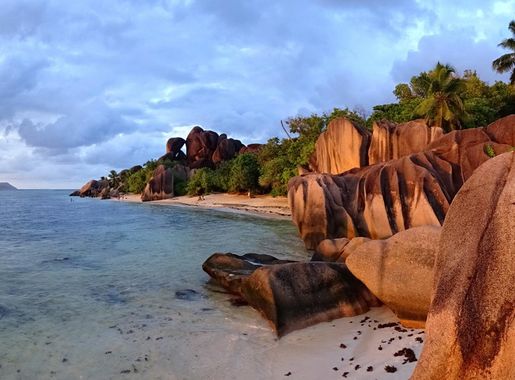


La Digue Island: A Pristine Paradise in Seychelles
La Digue Island, nestled in the heart of Seychelles, is a gem that offers an idyllic escape from the hustle and bustle of everyday life. Known for its stunning granite boulders, white sandy beaches, and turquoise waters, this island paradise is a haven for nature lovers and those seeking tranquility. The island's most famous beach, Anse Source d'Argent, is often cited as one of the most beautiful beaches in the world. Its unique rock formations and clear, shallow waters make it perfect for snorkeling and photography. One of the island's charms is its laid-back atmosphere. Bicycles are the main mode of transport, allowing visitors to leisurely explore the island's lush landscapes and vibrant local culture. Don't miss a visit to L'Union Estate, a historical plantation where you can learn about the island's colonial past and see giant tortoises up close. La Digue is also a gateway to exploring the nearby islands of Félicité, Grande Soeur, and Petite Soeur, each offering their own unique experiences. For those who enjoy hiking, the trails around Nid d'Aigle provide breathtaking panoramic views of the island and the surrounding ocean. With a variety of accommodations ranging from luxury resorts to charming guesthouses, La Digue caters to all types of travelers. Whether you're looking to relax on the beach, explore the underwater world, or immerse yourself in local culture, La Digue Island promises an unforgettable experience.