

Free Praslin Island Travel Guide & Mobile App
Explore Praslin Island with free travel guides. Discover regional history, expert tips, proposed trips, and audio guides on web or mobile app.


Praslin Island in Seychelles combines coco de mer forest, granite beaches, Creole food, marine excursions and an unhurried tropical atmosphere.
Read more about Praslin Island
When is the best time to visit Praslin Island?
Best: June–August · 29°C| Month | High (°C) | Rainfall (mm) |
|---|---|---|
| January | 30 | 350 |
| February | 31 | 200 |
| March | 31 | 200 |
| April | 31 | 175 |
| May | 30 | 150 |
| June (best) | 29 | 100 |
| July (best) | 29 | 100 |
| August (best) | 29 | 100 |
| September | 29 | 150 |
| October | 30 | 200 |
| November | 30 | 250 |
| December | 30 | 300 |
Getting to and around Praslin Island
How to get there
Transportation
Top city travel guides in Praslin Island
The cities of Praslin Island, and the easiest places to base yourself.
-

-

-


Swipe for more cities
Best attractions in Praslin Island
Praslin’s attractions are concentrated within a relatively compact island but vary from protected forest to open coast. Vallée de Mai Nature Reserve is the principal inland experience, with paths through mature coco de mer woodland and habitat for endemic Seychelles species. Along the shore, Anse Lazio, Anse Georgette, Anse Volbert and the beaches around Grand Anse offer different combinations of swimming, snorkelling, scenic walking and watersports. Boat excursions provide access to reefs, sandbanks and neighbouring islands such as Curieuse, which lies outside Praslin and has its own protected landscapes and wildlife. Visitors can also explore Baie Sainte Anne, small coastal communities, viewpoints, local churches and informal food businesses. The island suits outdoor activities more than intensive sightseeing: kayaking, diving, fishing, paddleboarding and guided nature walks are commonly arranged through local providers. Weather determines the quality of marine activities, so a flexible itinerary is useful. Praslin’s appeal lies in the relationship between its forest reserve, granite coastline and marine environment rather than in a large collection of museums or urban attractions.
-
Tourist attraction
Takamaka Rum Distillery
Explore the art of rum-making at Takamaka Rum Distillery in Seychelles, where tradition meets breathtaking scenery and exquisite flavors.
-
National park
Vallée de Mai, Praslin, Seychelles
Explore Vallée de Mai, a UNESCO World Heritage site in Praslin, Seychelles, famous for its unique Coco de Mer palms and rich biodiversity.
-
Public beach
Anse Takamaka Beach
Discover the tranquility and natural beauty of Anse Takamaka Beach, a stunning public beach in Seychelles, perfect for relaxation and snorkeling adventures.
-
Hiking area
Copolia Trail
Discover the stunning Copolia Trail in Seychelles, a hiking paradise with breathtaking views, diverse wildlife, and unique plant life that will captivate nature lovers.


Best landmarks in Praslin Island
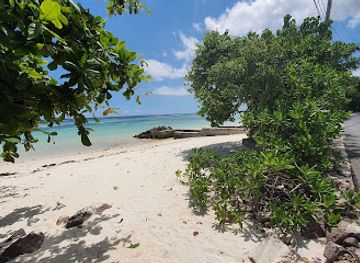
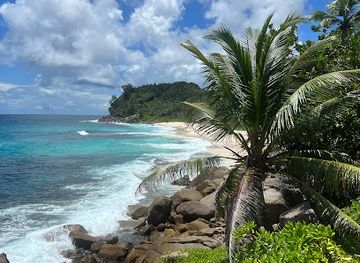
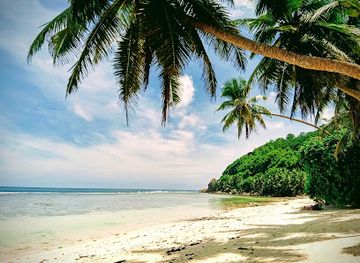
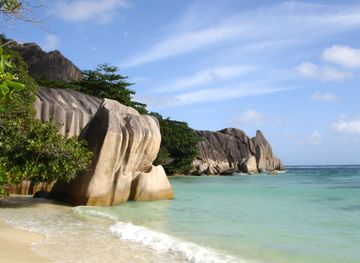
The most important landmark on Praslin is Vallée de Mai, whose dense coco de mer forest gives the island a strong botanical and cultural identity. Its protection as a UNESCO World Heritage Site reflects the restricted range and ecological importance of this palm habitat. On the coast, the granite-framed curve of Anse Lazio is one of Praslin’s most recognisable natural scenes, while Anse Georgette is another notable north-western beach shaped by pale sand and dark coastal rock. Baie Sainte Anne harbour is an important practical and historical reference point, linking the island to Mahé and other parts of the archipelago. The broad sweep of Anse Volbert, commonly known as Côte d’Or, is significant as both a physical landmark and a centre of visitor life. Praslin’s landscape is also marked by forested ridges, sheltered bays and granite outcrops rather than by monumental architecture. Curieuse Island and its wildlife are often visited from Praslin but lie outside the island and should be treated as a separate excursion.
-
Hotel
Constance Ephelia Mahe Seychelles
Discover the luxurious oasis of Constance Ephelia in Mahé, Seychelles, where breathtaking nature meets unparalleled comfort and adventure.
-
 Resort hotel
Savoy Seychelles Resort & Spa
Discover a luxurious escape at Savoy Seychelles Resort & Spa, where stunning ocean views and exceptional service create an unforgettable getaway.
-
Resort hotel
STORY Seychelles
Experience luxury and adventure at STORY Seychelles, a premier resort hotel located on the breathtaking Beau Vallon beach.
-
Hotel
Coral Strand Smart Choice Hotel
Discover the Coral Strand Smart Choice Hotel, where stunning beaches and modern comfort meet in the heart of Seychelles' breathtaking Beau Vallon.
Explore Praslin Island on the map
Plan your trip on one map. See where the top cities, national parks and sights are, and book hotels and experiences in a few clicks.
Best hotels in Praslin Island
Best restaurants in Praslin Island
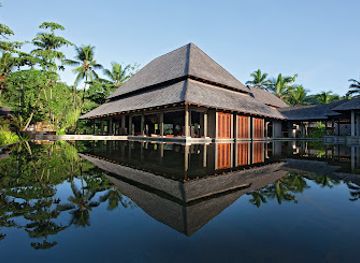
Praslin’s food scene reflects Seychellois Creole cooking, with fish, octopus, prawns, coconut, rice, fruit and aromatic spices appearing in home-style meals and restaurant menus. Grilled or curried seafood is widely available, while octopus curry is one of the dishes visitors may encounter across the islands; recipes and seasoning vary between cooks. Around Côte d’Or, Baie Sainte Anne and Grand Anse, dining ranges from hotel restaurants and independent eateries to casual cafés and takeaway counters. Creole buffets, when offered, can provide a useful introduction to several preparations at once. Local fruit juices and tropical fruit are common, and the island’s markets and small shops are practical places to find snacks and ingredients rather than formal dining experiences. Prices and card acceptance vary, particularly outside the main visitor districts, so it is sensible to confirm payment options. The strongest culinary experience is often a simple seafood or coconut-based meal eaten without rushing, rather than a search for a large concentration of branded restaurants.
-
Restaurant
Constance Ephelia Mahe Seychelles
Experience unparalleled luxury in a tropical paradise at Constance Ephelia Mahe Seychelles - where adventure meets relaxation amidst breathtaking landscapes.
-
Creole
Kafe Kreol Cafe & Restaurant
Experience authentic Creole cuisine at Kafe Kreol Cafe & Restaurant in Anse Royale, where local flavors and vibrant culture come together.
-
Italian
La Perle Noire Restaurant
Experience authentic Italian cuisine at La Perle Noire Restaurant in Beau Vallon, where every dish tells a story of flavor and tradition.
-
Restaurant
Surfers Beach Restaurant
Discover exquisite flavors at Surfers Beach Restaurant - where Seychelles' culinary delights meet breathtaking ocean views.
Best bars in Praslin Island
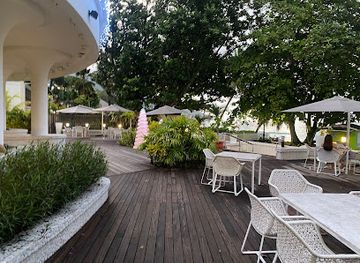
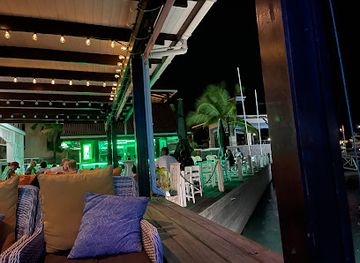
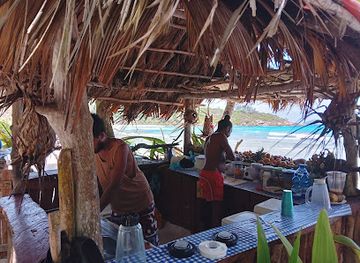
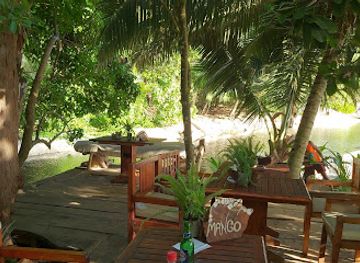
Praslin has a low-key evening scene rather than a major nightclub circuit. Bars attached to hotels, guesthouses and restaurants provide places for cocktails, Seychellois rum, beer, wine and sunset drinks, particularly around Côte d’Or and other settled coastal areas. Traditional-style local bars and casual eateries may be more sociable and informal than dedicated nightlife venues, while occasional live music or themed evenings depend on the establishment and season. Baie Sainte Anne and Grand Anse have local evening activity, but the island generally becomes quiet earlier than urban destinations on Mahé. Visitors should not expect a continuous strip of clubs or late-night entertainment, and transport options become more limited outside the main settlements. Evening walks should be planned with lighting and road conditions in mind. For many travellers, Praslin nightlife centres on a relaxed dinner, conversation and the coastal atmosphere rather than organised entertainment.
-
Bar
Gecko Bar
Discover the vibrant atmosphere of Gecko Bar in Beau Vallon, where delicious seafood meets refreshing drinks against a stunning beach backdrop.
-
Bar
The Boardwalk Bar & Grill
Experience the perfect blend of dining and nightlife at The Boardwalk Bar & Grill on Eden Island, where stunning views meet vibrant atmosphere.
-
Bar
Coco Bar
Discover the vibrant atmosphere of Coco Bar in La Digue, Seychelles, where refreshing cocktails meet stunning island views for a perfect relaxation spot.
-
Bar
Summer Bar
Experience the ultimate relaxation at Summer Bar in Anse Intendance, where stunning views and refreshing drinks await every tourist in Seychelles.
Best nightclubs in Praslin Island
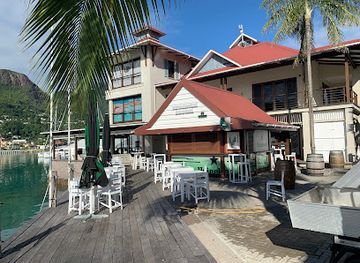
Praslin has a low-key evening scene rather than a major nightclub circuit. Bars attached to hotels, guesthouses and restaurants provide places for cocktails, Seychellois rum, beer, wine and sunset drinks, particularly around Côte d’Or and other settled coastal areas. Traditional-style local bars and casual eateries may be more sociable and informal than dedicated nightlife venues, while occasional live music or themed evenings depend on the establishment and season. Baie Sainte Anne and Grand Anse have local evening activity, but the island generally becomes quiet earlier than urban destinations on Mahé. Visitors should not expect a continuous strip of clubs or late-night entertainment, and transport options become more limited outside the main settlements. Evening walks should be planned with lighting and road conditions in mind. For many travellers, Praslin nightlife centres on a relaxed dinner, conversation and the coastal atmosphere rather than organised entertainment.
-
Night club
The Boardwalk Bar & Grill
Explore the vibrant nightlife at The Boardwalk Bar & Grill, where delicious cuisine meets lively entertainment in breathtaking Eden Island.
-
Grill
ROYAL BAY BEACH CLUB
Discover the ultimate beach experience at Royal Bay Beach Club, combining delicious grill dining with thrilling water sports in Seychelles.
-
Bar
Club Liberté Casino
Discover the excitement of gaming, dining, and live music at Club Liberté Casino in Anse Soleil, the ultimate destination for tourists seeking vibrant nightlife.
-
Night club
Barrel Night Club
Dive into the heart of Victoria's nightlife at Barrel Night Club, where music, dance, and unforgettable memories await.


Best shops in Praslin Island
Shopping on Praslin is modest in scale and centred on practical local outlets, small supermarkets, craft stalls, galleries and shops serving the main visitor areas. Baie Sainte Anne and Côte d’Or offer the broadest choice, while Grand Anse has services around the airport and western settlements. Typical purchases include locally produced food items, spices, vanilla, coconut-based products, woven crafts, artwork, island-themed clothing and souvenirs made from permitted materials. Coco de mer products are particularly associated with Praslin, but genuine nuts and authorised derivatives should be bought from licensed sellers with the required certification; collecting natural specimens from beaches or forests is not appropriate. Small shops may have limited opening arrangements and may prefer cash, especially away from the main tourist centres. The island is better suited to buying distinctive local produce and crafts than to extensive fashion or luxury retail. Visitors seeking a larger choice of shops usually find more options on Mahé, outside Praslin.
-
Supermarket
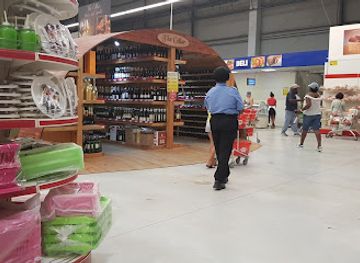
STC Hypermarket
Discover the vibrant STC Hypermarket in Victoria, Seychelles, for an authentic shopping experience filled with local and international delights.
-
Souvenir store
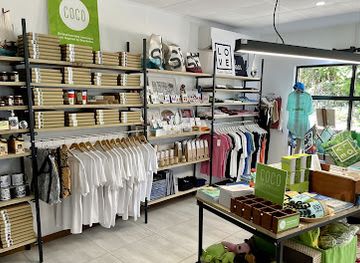
Koral Souvenir Boutique
Discover unique handcrafted treasures at Koral Souvenir Boutique in Beau Vallon, where Seychellois artistry meets unforgettable memories.
-
Supermarket
The Chop Shop Seychelles
Explore the vibrant flavors of Seychelles at The Chop Shop, your go-to supermarket for local and international culinary delights.
-
Grocery store
SPR SHOPPING
Explore local culinary delights and essentials at SPR Shopping, your grocery store in the heart of Anse Royale, Seychelles.

Get your free copy of our complete guide to Praslin Island, delivered straight to you.
Everything on this page, from attractions and restaurants to essentials and local phrases, in one PDF you can read offline, print or share.
Already have an account? Sign in
Your Praslin Island guide is ready.
We'll send it to · Not you? Sign out

Getting your guide ready…
We are putting together a fresh copy of the Praslin Island guide. This can take up to a minute.
This can take a few moments. If your browser asks, choose Allow so the download can start. You'll find the guide in your Downloads folder.
Nothing happened? Download it again
Sorry, the guide is taking longer than usual. Please try again in a minute, or get it by email instead.
Praslin Island essentials
Currency and Payment
Safety
Emergency Situations
Do's and Don'ts
Local Tips
From Eve
Local phrases worth knowing
You don't need to get them perfect. A few words go a long way, and locals appreciate the effort.
Basics
| English | Local | Say it |
|---|---|---|
| Hello | Bonzour | [bɔ̃.zur] |
| Goodbye | Orevwar | [o.ʁɛ.vwaʁ] |
| Yes | Wi | [wi] |
| No | Non | [nɔ̃] |
| Please/You're welcome | S'il vous plaît | [sil vu ple] |
| Thank you | Mersi | [mɛʁ.si] |
| Excuse me/Sorry | Pardon | [paʁ.dɔ̃] |
| How are you? | Koman ou va? | [kɔmɑ̃ u va] |
| Fine. And you? | Bon. E ou? | [bɔ̃ e u] |
| Do you speak English? | Es ou koz Angle? | [ɛs u ko.zɑ̃.ɡl] |
| I don't understand | Mwa pa konpran | [mwa pa kɔ̃.pʁɑ̃] |
Eating & Drinking
| English | Local | Say it |
|---|---|---|
| I'd like to see the menu, please | Mwen ti a kontan vwar meni, sil vous plaît | [mwen ti a kɔ̃.tɑ̃ vwaʁ me.ni sil vu ple] |
| I don't eat meat | Mwen pa manz vyann | [mwen pa mɑ̃z vjɑ̃] |
| Cheers! | Santé! | [sɑ̃.te] |
| I would like to pay, please | Mwen ti a kontan peye, sil vous plaît | [mwen ti a kɔ̃.tɑ̃ pe.je sil vu ple] |
Emergencies
| English | Local | Say it |
|---|---|---|
| Help! | Seki! | [se.ki] |
| Go away! | Alé! | [a.le] |
| Call the Police! | Apele Lapolis! | [a.pe.le la.po.lis] |
| Call a doctor! | Apele enn doktor! | [a.pe.le ɛn dɔk.tɔʁ] |
| I'm lost | Mwen perdi | [mwen pɛʁ.di] |
| I'm ill | Mwen maladi | [mwen ma.la.di] |
Shopping
| English | Local | Say it |
|---|---|---|
| I'd like to buy... | Mwen ti a kontan achte... | [mwen ti a kɔ̃.tɑ̃ aʃ.te] |
| I'm just looking | Mwen zis pe regard | [mwen zis pɛ ʁə.ɡaʁd] |
| How much is it? | Ki kantite sa coûte? | [ki kɑ̃.ti.te sa kut] |
| That's too expensive | Sa tro cher | [sa tʁo ʃɛʁ] |
| Can you lower the price? | Es ou kapab desann pri? | [ɛs u ka.pɑb de.sɑ̃ pʁi] |
Time & Numbers
| English | Local | Say it |
|---|---|---|
| What time is it? | Ki ler i ete? | [ki lɛʁ i e.te] |
| It's one o'clock | I enn ler | [i ɛn lɛʁ] |
| Half past (10) | Demi (10) | [də.mi (10)] |
| Morning | Matin | [ma.tɛ̃] |
| Afternoon | Apremidi | [a.pʁe.mi.di] |
| Evening | Swar | [swaʁ] |
| Yesterday | Yer | [jeʁ] |
| Today | Ajourd'hui | [a.ʒuʁ.dɥi] |
| Tomorrow | Demain | [də.mɛ̃] |
| 1 | En | [ɛ̃] |
| 2 | De | [də] |
| 3 | Trois | [tʁwa] |
| 4 | Katre | [ka.tʁe] |
| 5 | Senk | [sɛ̃k] |
| 6 | Sis | [sis] |
| 7 | Set | [sɛt] |
| 8 | Huit | [ɥit] |
| 9 | Nef | [nɛf] |
| 10 | Diz | [diz] |
Transport & Directions
| English | Local | Say it |
|---|---|---|
| Where's a/the...? | Kot i annan enn...? | [kɔt i ɑ̃.nɑ̃ ɛn] |
| What's the address? | Ki l'adresse? | [ki la.dʁɛs] |
| Can you show me (on the map)? | Es ou kapab montre mwan (lo kat)? | [ɛs u ka.pɑb mɔ̃.tʁe mwɑ̃ lo kat] |
| When's the next (bus)? | Kan i annan prosen (bus)? | [kɑ̃ i ɑ̃.nɑ̃ pʁo.sɛ̃ bus] |
| A ticket (to ....) | En tiket (pou ....) | [ɛ̃ ti.kɛt pu] |
History of Praslin Island
Early Maritime Knowledge and European Mapping
Praslin formed part of the wider maritime world of the western Indian Ocean long before permanent European settlement. Seafarers from surrounding regions knew the Seychelles islands, while European navigators charted them during the age of oceanic exploration. French expeditions recorded Praslin in the eighteenth century, and the island was later named after César Gabriel de Choiseul, duc de Praslin, a French statesman. Its dense palm forests and sheltered anchorages made it significant to early visitors, even though it did not develop into a large colonial town.
French Settlement and the Island of Palms
France established control over the Seychelles in the eighteenth century, and Praslin gradually acquired permanent settlement, plantations and small coastal communities. The island became associated with its abundant palms, particularly the coco de mer, whose large fruit encouraged legends and attracted commercial interest. Early economic activity centred on maritime access, small-scale agriculture and the harvesting of valuable natural products rather than on an urban centre. The names of places such as Baie Sainte Anne reflect the island’s French colonial foundations.
British Rule and Plantation Agriculture
After the Napoleonic Wars, the Seychelles passed to Britain under the Treaty of Paris in 1814. Praslin’s economy developed within the plantation system that shaped much of the archipelago, with coconut, vanilla, cinnamon and other tropical products cultivated or processed on the island. Enslaved people and, after emancipation, their descendants formed an essential part of the labour force and the emerging Creole society. Remnants of plantation practices, traditional cooking and the distribution of settlements remain part of Praslin’s cultural landscape.
The Coco de Mer and Scientific Interest
Praslin’s coco de mer palm became both an economic resource and a subject of international scientific interest. The palm grows naturally on Praslin and neighbouring Curieuse, and its enormous seeds were once found floating on distant shores before their origin was understood. The unusual fruit, restricted natural range and slow growth later encouraged stronger conservation measures. Vallée de Mai preserves an important palm forest, helping protect a habitat that also supports endemic plants and animals.
Conservation and Vallée de Mai
During the twentieth century, the ecological value of Praslin’s interior became increasingly recognised. Vallée de Mai was protected as a nature reserve and was inscribed as a UNESCO World Heritage Site in 1983 because of its exceptional coco de mer forest and endemic biodiversity. Conservation transformed the area from a source of natural products into a carefully managed destination for research, education and walking. The reserve is now central to Praslin’s identity and to Seychelles’ wider effort to balance tourism with environmental protection.
Modern Tourism and Improved Island Connections
Tourism became a major part of Praslin’s economy during the later twentieth century, alongside fishing and services. Improved air and sea connections with Mahé made the island accessible to international visitors while leaving much of its settlement pattern relatively low-rise and dispersed. Guesthouses, hotels, restaurants and excursion businesses developed around existing communities rather than creating a single large resort city. Contemporary Praslin therefore combines a visitor economy with local residential districts, protected forests, working beaches and a continuing Creole island culture.
Praslin Island in Photos
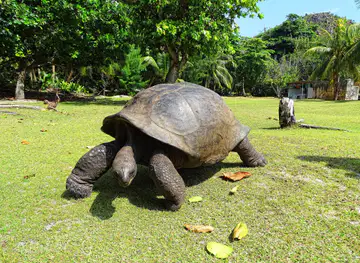
Browse through our photo collection highlighting the charm and character of the destination.
Neighbouring regions of Praslin Island
The closest regions to Praslin Island, if you have time for more than one.
-
-

-

-

-


Swipe for more regions
Explore more
Explore more of Seychelles
Discover the enchanting islands of Seychelles, where stunning beaches, vibrant wildlife, and rich Creole culture come together for an unforgettable tropical escape.
Explore Seychelles