

Free Île Souris Travel Guide & Mobile App
Explore Île Souris with free travel guides. Discover regional history, expert tips, proposed trips, and audio guides on web or mobile app.


Île Souris in Seychelles offers a quiet offshore escape near Anse Royale, with granite rocks, reef waters, kayaking and views of Mahé.
Read more about Île Souris
When is the best time to visit Île Souris?
Best: June–August · 30°C| Month | High (°C) | Rainfall (mm) |
|---|---|---|
| January | 31 | 280 |
| February | 31 | 250 |
| March | 31 | 210 |
| April | 31 | 180 |
| May | 31 | 130 |
| June (best) | 30 | 90 |
| July (best) | 30 | 70 |
| August (best) | 30 | 80 |
| September | 30 | 110 |
| October | 30 | 160 |
| November | 30 | 210 |
| December | 30 | 260 |
Getting to and around Île Souris
How to get there
Transportation
Top city travel guides in Île Souris
The cities of Île Souris, and the easiest places to base yourself.

Swipe for more cities
Best attractions in Île Souris
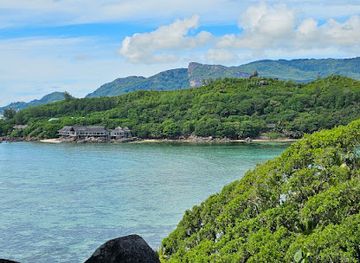
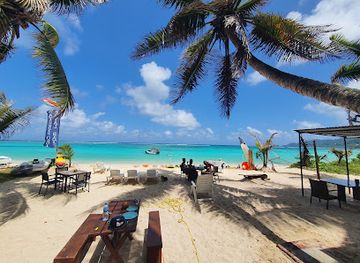
Île Souris itself is the principal attraction: a small granite islet set in shallow reef-fringed water off Anse Royale on Mahé. Its appeal comes from the approach by kayak or small boat, the changing views of the southeastern coast and the opportunity to experience a compact offshore landscape without large-scale facilities. Depending on conditions, visitors may swim, paddle or snorkel in suitable areas, although coral and rock should never be touched or stood on. The islet is best suited to a short, low-impact visit rather than a full-day programme. There are no known conventional museums, gardens, historic houses or purpose-built family attractions on the islet. For a wider range of activities, the nearby mainland around Anse Royale, outside Île Souris, provides a beach, road access, local services and connections to other parts of Mahé. Visitors interested in geology can observe the weathered granite and coastal processes, while those focused on nature should treat the surrounding shallows and vegetation as fragile habitats. Conditions, landing access and any local restrictions may change, so an excursion arranged on Mahé is the most practical way to visit.
-
Tourist attraction
Takamaka Rum Distillery
Discover the rich heritage of rum-making at Takamaka Rum Distillery in Pointe Au Sel, Seychelles, where tradition meets taste in every sip.
-
Botanical garden
Jardin du Roi Spice Garden
Explore the enchanting Jardin du Roi Spice Garden in Anse Royale, a botanical paradise blending nature, history, and exquisite cuisine.
-
Beach
Anse Royale Beach
Discover the serene beauty of Anse Royale Beach in Seychelles, an idyllic spot for relaxation, snorkeling, and experiencing local culture.
-
Tour agency
Island cruise taxi and Tour seychelles
Explore the breathtaking beauty of Pointe Au Sel, Mahe Island, where adventure meets relaxation in the heart of Seychelles.


Best landmarks in Île Souris
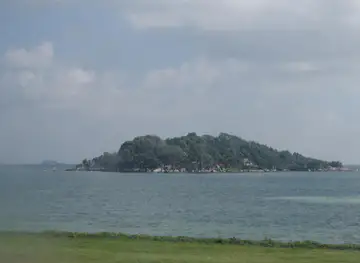
The defining landmark is Île Souris itself, whose low granite profile stands just offshore from Anse Royale and is readily understood as part of Mahé's southeastern coastal scenery. Its importance is visual and geographical rather than architectural: weathered granite, surrounding shallows and the contrast between a tiny offshore outcrop and Mahé's larger, forested island form a compact expression of the Seychelles landscape. The reef-fringed water around it is also significant, revealing the shallow marine setting that shapes access and gives the islet its character. There are no major castles, churches, civic buildings or monuments on Île Souris. The adjacent coastline and Anse Royale beach, while outside the islet itself, provide the mainland viewpoint from which its position is most easily appreciated. Visitors should avoid treating rocks, coral or natural features as souvenirs, and should observe any local guidance about landing, boating and marine protection. The landmark is best experienced in changing light from the water or shore, with attention to the relationship between granite, reef and open Indian Ocean.
-
Tourist attraction
Takamaka Rum Distillery
Discover the rich flavors and heritage of Seychelles at the Takamaka Rum Distillery, where tradition meets tropical paradise.
-
Botanical garden
Victoria Botanical Gardens
Immerse yourself in the lush landscapes and vibrant flora of Victoria Botanical Gardens, a tranquil escape in the heart of Seychelles.
-
Botanical garden
Jardin du Roi Spice Garden
Discover the beauty of Jardin du Roi Spice Garden, a lush botanical paradise in Anse Royale, blending exquisite spices and delightful cuisine.
-
National park
Saint-Anne Marine National Park
Discover the stunning landscapes and vibrant marine life of Saint-Anne Marine National Park in the Seychelles, a paradise for nature lovers and adventure seekers.


Explore Île Souris on the map
Plan your trip on one map. See where the top cities, national parks and sights are, and book hotels and experiences in a few clicks.
Best hotels in Île Souris
Best restaurants in Île Souris
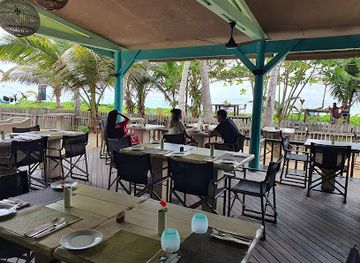
Île Souris has no established restaurant, café or food market, so dining belongs on Mahé, particularly around the Anse Royale area outside the islet. Visitors can look for Seychellois cooking influenced by African, French, Indian and broader Indian Ocean traditions, with fish, octopus, rice, grilled foods, coconut, spices and fruit appearing frequently in local meals. Takeaway food, casual cafés and locally run restaurants are more realistic choices near the mainland beach and road than a formal meal on the islet. Fresh seafood is common in the national cuisine, but availability, preparation and provenance vary by establishment. Picnicking may be possible only if all food and packaging are brought back to Mahé; avoid leaving scraps that could attract wildlife. On a small-island excursion, carry water rather than relying on facilities, and confirm in advance whether an organised boat trip includes refreshments. For a broader culinary experience, explore markets and restaurants elsewhere on Mahé rather than expecting Île Souris to function as a dining destination.
-
Creole
Kafe Kreol Cafe & Restaurant
Experience authentic Creole cuisine at Kafe Kreol Cafe & Restaurant in Anse Royale – where every dish tells a story of Seychelles' rich culinary heritage.
-
Restaurant
Surfers Beach Restaurant
Experience exquisite flavors and breathtaking views at Surfers Beach Restaurant in Takamaka - A culinary paradise by the sea.
-
Restaurant
Perry's Grillz
Experience exceptional grilled delights at Perry's Grillz in Mahe - where local flavors meet inviting ambiance.
-
Restaurant
La Gaulette Restaurant
Experience authentic Creole flavors at La Gaulette Restaurant in Mahé - a culinary haven with stunning ocean views.


Best bars in Île Souris
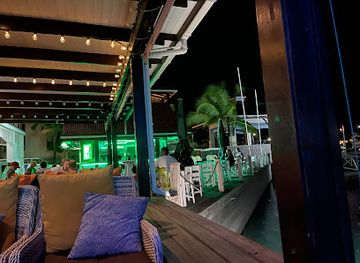
Île Souris has no nightlife infrastructure and is not a destination for evening entertainment. Once daylight fades, the lack of lighting, paths and reliable facilities makes returning to Mahé essential. Evening options are found on the mainland, including the Anse Royale area outside the islet, where visitors may encounter casual restaurants, hotel bars and relaxed drinks rather than a concentrated club district. Seychelles nightlife is generally more modest outside Victoria and the principal resort areas, with music, dining and socialising often taking place within hotels or local establishments. Availability varies by season and by venue, so ask locally rather than relying on old listings. A sunset view from a properly arranged mainland or boat excursion can be enjoyable, but operators should make safety and the return journey clear before departure. Alcohol is not necessary to appreciate the coast, and responsible drinking is especially important when boats, swimming or uneven rocks are involved.
-
Creole
Kafe Kreol Cafe & Restaurant
Discover the heart of Creole cuisine at Kafe Kreol Cafe & Restaurant, where every meal is a delightful celebration of Seychelles flavors.
-
Restaurant
Maria's Rock Cafeteria
Experience the flavors of Seychelles at Maria's Rock Cafeteria, where stunning views and delightful cuisine await every traveler.
-
Bar
Gecko Bar
Discover the vibrant Gecko Bar in Beau Vallon, where delicious cuisine meets a lively atmosphere, perfect for unwinding in paradise.
-
Bar
The Boardwalk Bar & Grill
Discover the lively ambiance of The Boardwalk Bar & Grill on Eden Island, where exquisite dining meets vibrant nightlife with stunning marina views.


Best nightclubs in Île Souris
Île Souris has no nightlife infrastructure and is not a destination for evening entertainment. Once daylight fades, the lack of lighting, paths and reliable facilities makes returning to Mahé essential. Evening options are found on the mainland, including the Anse Royale area outside the islet, where visitors may encounter casual restaurants, hotel bars and relaxed drinks rather than a concentrated club district. Seychelles nightlife is generally more modest outside Victoria and the principal resort areas, with music, dining and socialising often taking place within hotels or local establishments. Availability varies by season and by venue, so ask locally rather than relying on old listings. A sunset view from a properly arranged mainland or boat excursion can be enjoyable, but operators should make safety and the return journey clear before departure. Alcohol is not necessary to appreciate the coast, and responsible drinking is especially important when boats, swimming or uneven rocks are involved.
-
Night club
The Boardwalk Bar & Grill
Discover vibrant nightlife and exquisite dining at The Boardwalk Bar & Grill on Eden Island, a unique blend of relaxation and excitement.
-
Bar
Summer Bar
Discover the vibrant charm of Summer Bar in Anse Intendance, where refreshing drinks and lively ambiance await every visitor.
-
Grill
ROYAL BAY BEACH CLUB
Experience the ultimate beach getaway at Royal Bay Beach Club, where relaxation meets adventure in the heart of Anse Royale.
-
Bar
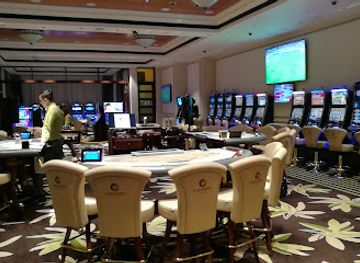
Club Liberté Casino
Dive into the vibrant nightlife and culinary delights at Club Liberté Casino in the beautiful Anse Soleil, a must-visit tourist attraction.

Best shops in Île Souris
Île Souris has no shops, market stalls or craft outlets, so shopping must be done on Mahé. The nearby Anse Royale area, outside the islet, is useful for practical supplies rather than extensive retail, while Victoria and other established centres on Mahé offer a wider selection of groceries, crafts, clothing and locally made products. Visitors may find Seychelles-themed art, shell-free jewellery, woven goods, spices, tea, preserves and other island products, but should check provenance and avoid buying coral, shells, protected wildlife products or objects collected from beaches. Markets and small independent sellers provide better opportunities to encounter local produce than a remote offshore excursion. Carrying water, snacks and sun protection from the mainland is sensible because Île Souris has no commercial facilities. Shopping here is therefore part of preparing for the visit and supporting mainland businesses, not an activity available on the islet itself.
-
Grocery store
Kumar & Kumar Supermarket
Explore the vibrant Kumar & Kumar Supermarket in Pointe Au Sel for local flavors and fresh goods, perfect for every traveler.
-
Grocery store
ISPC Supermarket Fresh Anse Royale
Discover the local flavors of Seychelles at ISPC Supermarket Fresh Anse Royale, where fresh produce meets friendly service.
-
Supermarket
The Chop Shop Meat & Deli
Experience the finest selection of meats and deli products at The Chop Shop Meat & Deli in Anse Royale, a true culinary treasure for every tourist.
-
Souvenir store
Koral Souvenir Boutique
Explore Koral Souvenir Boutique in Beau Vallon for unique handicrafts, local art, and memorable souvenirs from Seychelles.


Get your free copy of our complete guide to Île Souris, delivered straight to you.
Everything on this page, from attractions and restaurants to essentials and local phrases, in one PDF you can read offline, print or share.
Already have an account? Sign in
Your Île Souris guide is ready.
We'll send it to · Not you? Sign out

Getting your guide ready…
We are putting together a fresh copy of the Île Souris guide. This can take up to a minute.
This can take a few moments. If your browser asks, choose Allow so the download can start. You'll find the guide in your Downloads folder.
Nothing happened? Download it again
Sorry, the guide is taking longer than usual. Please try again in a minute, or get it by email instead.
Île Souris essentials
Currency and Payment
Safety
Emergency Situations
Do's and Don'ts
Local Tips
From Eve
Local phrases worth knowing
You don't need to get them perfect. A few words go a long way, and locals appreciate the effort.
Basics
| English | Local | Say it |
|---|---|---|
| Hello | Bonjour | [bawn-zhoor] |
| Goodbye | Au revoir | [oh ruh-vwahr] |
| Yes | Oui | [wee] |
| No | Non | [noh] |
| Please/You're welcome | S'il vous plaît | [seel voo pleh] |
| Thank you | Merci | [mehr-see] |
| Excuse me/Sorry | Excusez-moi | [ehk-skew-zay mwah] |
| How are you? | Comment ça va? | [koh-mohn sah vah] |
| Fine. And you? | Bien. Et vous? | [byan. eh voo?] |
| Do you speak English? | Parlez-vous anglais? | [par-lay voo ahn-glay?] |
| I don't understand | Je ne comprends pas | [zhuh nuh kom-prahn pah] |
Eating & Drinking
| English | Local | Say it |
|---|---|---|
| I'd like to see the menu, please | Je voudrais voir le menu, s'il vous plaît | [zhuh voo-dray vwar luh meh-nu, seel voo pleh] |
| I don't eat meat | Je ne mange pas de viande | [zhuh nuh mahnzh pah duh vyahnd] |
| Cheers! | Santé! | [sahn-tay] |
| I would like to pay, please | Je voudrais payer, s'il vous plaît | [zhuh voo-dray pay-ay, seel voo pleh] |
Emergencies
| English | Local | Say it |
|---|---|---|
| Help! | Au secours! | [oh se-kur] |
| Go away! | Allez-vous en! | [ah-lay voo ahn!] |
| Call the Police! | Appelez la police! | [ah-peh-lay lah poh-lees!] |
| Call a doctor! | Appelez un docteur! | [ah-peh-lay uhn dok-teur!] |
| I'm lost | Je suis perdu | [zhuh swee pair-due] |
| I'm ill | Je suis malade | [zhuh swee mah-lahd] |
Shopping
| English | Local | Say it |
|---|---|---|
| I'd like to buy... | Je voudrais acheter... | [zhuh voo-dray ah-sheh-tay...] |
| I'm just looking | Je regarde juste | [zhuh ruh-gard zhoost] |
| How much is it? | C'est combien? | [seh kohm-byen?] |
| That's too expensive | C'est trop cher | [seh troh shair] |
| Can you lower the price? | Pouvez-vous baisser le prix? | [poo-vay voo beh-say luh pree?] |
Time & Numbers
| English | Local | Say it |
|---|---|---|
| What time is it? | Quelle heure est-il? | [kel uhr eh-teel?] |
| It's one o'clock | Il est une heure | [eel eh ewn uhr] |
| Half past (10) | Dix heures et demie | [dees uhr eh duh-mee] |
| Morning | Matin | [mah-tahn] |
| Afternoon | Après-midi | [ah-pray mee-dee] |
| Evening | Soir | [swahr] |
| Yesterday | Hier | [ee-air] |
| Today | Aujourd'hui | [oh-zhoor dwee] |
| Tomorrow | Demain | [duh-mahn] |
| 1 | Un | [uhn] |
| 2 | Deux | [duh] |
| 3 | Trois | [trwah] |
| 4 | Quatre | [katr] |
| 5 | Cinq | [sank] |
| 6 | Six | [sees] |
| 7 | Sept | [set] |
| 8 | Huit | [weet] |
| 9 | Neuf | [nuhf] |
| 10 | Dix | [dees] |
Transport & Directions
| English | Local | Say it |
|---|---|---|
| Where's a/the...? | Où est un/une...? | [oo eh uhn/oon...?] |
| What's the address? | Quelle est l'adresse? | [kel eh luh-dress?] |
| Can you show me (on the map)? | Pouvez-vous me montrer (sur la carte)? | [poo-vay voo muh mohn-tray (sur lah kart)?] |
| When's the next (bus)? | Quand est le prochain (bus)? | [kahn eh luh pro-shin (boos)?] |
| A ticket (to ....) | Un billet (pour ...) | [uhn bee-yay (poor ...)] |
History of Île Souris
Granite Islands Formed in Deep Geological Time
Île Souris belongs to the granitic island group of Seychelles, whose rocks are remnants of ancient continental material associated with the breakup of Gondwana. Geological processes, weathering and marine erosion shaped the small offshore outcrop seen today, as well as the larger granite mass of Mahé nearby. Its rounded rock surfaces, shallow coastal waters and isolated position are therefore products of a much older natural history than the human settlement of Seychelles. There is no substantial built heritage on the islet, but its geology is central to understanding its appearance and its relationship with the surrounding coast.
Indian Ocean Navigation Before Permanent Settlement
The Seychelles archipelago lay within the wider sailing world of the Indian Ocean before Europeans established a permanent colony. Arab and other regional mariners knew the islands, while later European navigators charted their position and waters. Small islets such as Île Souris were part of a maritime environment marked by reefs, granite headlands and sheltered coastal passages, even when they had no permanent settlement. The islet's significance in this period is geographical rather than monumental: it formed one of the minor coastal features encountered around Mahé by vessels and local boat users.
French Settlement on Mahé, Eighteenth Century
France established a permanent settlement in Seychelles during the eighteenth century, with Mahé becoming the principal centre of administration and agriculture. French colonists developed plantations and coastal settlements, and the island's coves and offshore rocks became part of a working maritime landscape rather than an isolated wilderness. Île Souris was not a major administrative or defensive site, but its position off Anse Royale places it within the coastal environment shaped by this period of settlement. French influence remains visible across Seychelles in place names, aspects of language and elements of culinary culture.
British Rule and the Plantation Economy
Seychelles passed to British control in the early nineteenth century after the Napoleonic Wars, and British rule continued until independence. On Mahé, the colonial economy included plantations producing crops such as coconut, cinnamon, vanilla and patchouli, alongside fishing and maritime trade. The southeastern coast developed within this wider economic system, although Île Souris itself remained a small natural islet rather than an industrial or residential centre. The contrast between cultivated mainland slopes and undeveloped offshore rocks is a reminder of how intensely some parts of Mahé were used while neighbouring islets retained a more natural character.
From Colonial Colony to Independent Seychelles
Social, economic and political changes gradually transformed Seychelles during the twentieth century. Improved roads, public services and maritime links connected Mahé's coastal communities more closely with Victoria and one another. Seychelles became an independent republic in 1976, and tourism increasingly joined fishing and agriculture as a major part of the national economy. For places such as Île Souris, this shift brought a new visitor interest in beaches, reefs, granite landscapes and water-based excursions, rather than a new permanent settlement or large-scale construction on the islet.
Conservation and Low-Impact Coastal Tourism
Contemporary Seychelles places considerable emphasis on protecting its exceptional terrestrial and marine environments, although the practical rules applying to a particular site can vary and should be checked locally. Île Souris is best experienced as a low-impact natural excursion connected to Mahé, not as land available for development. Careful boating, responsible snorkelling, avoidance of coral damage and removal of rubbish help preserve the reef and rocky shore. Its modern importance lies in showing how a very small offshore feature can contribute to the wider landscape, recreation and environmental identity of the Seychelles.
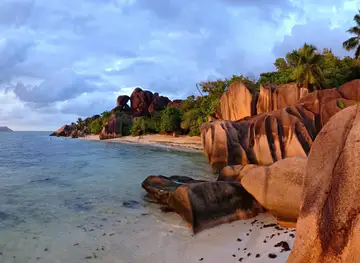
Île Souris in Photos
Browse through our photo collection highlighting the charm and character of the destination.
Neighbouring regions of Île Souris
The closest regions to Île Souris, if you have time for more than one.
-
-
-
-

-


Swipe for more regions
Explore more
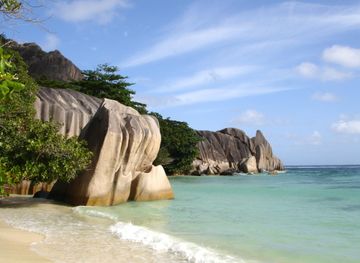
Explore more of Seychelles
Discover the enchanting islands of Seychelles, where stunning beaches, vibrant wildlife, and rich Creole culture come together for an unforgettable tropical escape.
Explore Seychelles