
Île aux Serpents, Seychelles Travel Guide
Discover Île aux Serpents in Seychelles: A hidden gem with unique wildlife, rugged landscapes, and serene beauty perfect for nature enthusiasts and adventurers.
Île aux Serpents, also known as Snake Island, is one of Seychelles' most unique and captivating destinations. Located off the coast of Mahé, this small, uninhabited island is known for its rocky landscape and rich biodiversity. Despite its name, the island is not infested with snakes; rather, it is home to a variety of reptiles, including harmless snakes and skinks. This makes it a must-visit spot for nature enthusiasts and wildlife photographers. The island's rugged terrain offers a stark contrast to the typical tropical beaches of Seychelles. It's an ideal destination for those looking to explore something off the beaten path. You can take a guided tour to discover its unique flora and fauna, all while enjoying the stunning views of the Indian Ocean. The island also serves as a sanctuary for seabirds, making it a great spot for birdwatching. Though Île aux Serpents is not a typical tourist hotspot, its untouched beauty and serene atmosphere make it a perfect escape from the hustle and bustle of more crowded destinations. Whether you're an adventurer, a nature lover, or simply looking to experience a different side of Seychelles, Île aux Serpents offers a unique and memorable experience.

Know before you go
Hi, I'm Eve. Here are a few practical things to know before exploring Île aux Serpents.
- Wear sturdy shoes for walking on the island's rocky terrain.
- Bring binoculars for birdwatching and spotting wildlife.
- Consider hiring a local guide to get the most out of your visit.
- Pack plenty of water and snacks as there are no facilities on the island.
- Visit during the dry season for the best weather conditions.
Explore Île aux Serpents: Things to Do, Places to Eat, Hotels & More
Handpicked recommendations for top attractions, local dining, accommodations, and more

Top Attractions & Sightseeing in Île aux Serpents
Top-rated picks
Best Attractions

Saint-Anne Marine National Park
Discover paradise at Saint-Anne Marine National Park, where vibrant marine life meets stunning landscapes in the heart of Seychelles.

Bicentenary Monument Seychelles
Discover the Bicentenary Monument in Seychelles, a historical landmark celebrating the island's rich cultural heritage and history.

THE GIANT TORTOISES OF THE SEYCHELLES
Explore the enchanting world of giant tortoises in Seychelles, where conservation meets breathtaking natural beauty in a tropical paradise.

Best landmarks in Île aux Serpents
Top-rated picks
Best Landmarks

Jardin du Roi Spice Garden
Explore the lush beauty of Jardin du Roi Spice Garden, a serene botanical oasis in Anse Royale showcasing spices and tropical plants.

Saint-Anne Marine National Park
Explore the stunning biodiversity and pristine beauty of Saint-Anne Marine National Park, a must-visit destination in Seychelles for nature lovers and adventurers alike.

Copolia Trail
Discover the natural beauty of Seychelles on the Copolia Trail, a hiking paradise with stunning views and lush landscapes.

Sauzier Waterfall
Experience the beauty of Sauzier Waterfall, a breathtaking hiking area in N.Y.S. Village, perfect for nature lovers and adventure seekers.

Best restaurants in Île aux Serpents
Top-rated picks
Best Restaurants

Del Place Restaurant
Experience exquisite dining with stunning ocean views at Del Place Restaurant in Seychelles - where local flavors meet culinary excellence.
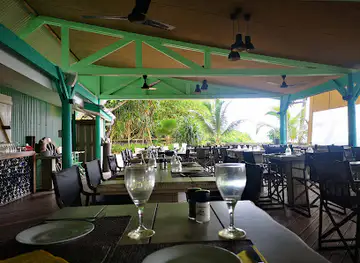
Kafe Kreol Cafe & Restaurant
Experience authentic Creole cuisine at Kafe Kreol in Anse Royale, where every dish is a celebration of Seychelles' rich culinary heritage.

The Boat House Restaurant
Experience exquisite dining at The Boat House Restaurant in Beau Vallon, Seychelles - where fresh seafood meets breathtaking ocean views.

Jardin du Roi Spice Garden
Explore the aromatic paradise of Jardin du Roi Spice Garden in Anse Royale - where botanical beauty meets exquisite Creole cuisine.

Best bars in Île aux Serpents
Top-rated picks
Best Bars

Berjaya Beau Vallon Bay Resort & Casino
Discover the allure of Berjaya Beau Vallon Bay Resort & Casino, where luxury meets adventure on the stunning shores of Seychelles.

Kafe Kreol Cafe & Restaurant
Discover the vibrant flavors of Creole cuisine at Kafe Kreol Cafe & Restaurant in Anse Royale, Seychelles—where every dish tells a story.

Fisherman's Cove Resort
Explore the luxurious Fisherman's Cove Resort in Bel Ombre, Seychelles, where stunning views, exquisite dining, and adventure await every traveler.

Surfers Beach Restaurant
Savor the flavors of the Seychelles at Surfers Beach Restaurant, offering a delightful culinary experience with stunning ocean views.

Best nightclubs in Île aux Serpents
Top-rated picks
Best Nightclubs

Beach Shak Seychelles
Experience the ultimate beachside dining at Beach Shak Seychelles, where grilled delicacies meet spectacular sunset views.

Gecko Bar
Experience the vibrant flavors and coastal beauty at Gecko Bar, a must-visit restaurant and bar in Beau Vallon, Seychelles.

The Boardwalk Bar & Grill
Experience vibrant dining and nightlife at The Boardwalk Bar & Grill on Eden Island, where culinary excellence meets lively entertainment.

Ocean Deck Bar
Discover the Ocean Deck Bar in Beau Vallon, where stunning ocean views meet delicious local cuisine in a relaxed atmosphere.

Best shops in Île aux Serpents
Top-rated picks
Best Shops

Sir Selwyn Selwyn-Clarke Market
Discover the lively Sir Selwyn Selwyn-Clarke Market in Victoria, Seychelles, where local culture, fresh produce, and unique souvenirs await.

STORY Seychelles
Immerse yourself in luxury and natural beauty at STORY Seychelles, the ultimate resort experience in Beau Vallon.

Eden Plaza
Discover the vibrant shopping experience at Eden Plaza in Providence, where unique boutiques and delightful dining options await.

STC Hypermarket
Explore a wide variety of local and international products at STC Hypermarket in Victoria, Seychelles - your ultimate shopping destination.

Explore Île aux Serpents on the Map
A handpicked selection of must-see spots in Île aux Serpents, mapped for you.
Île aux Serpents Essentials
-
Île aux Serpents is a small island located in the Seychelles archipelago. The nearest airport is Seychelles International Airport (SEZ) on Mahé Island. From Mahé, you can take a boat or a helicopter to Île aux Serpents. Boat trips are available from various points on Mahé and typically take around 1 to 2 hours depending on the weather. Helicopter transfers are quicker but more expensive, offering a scenic aerial view of the islands.
-
Île aux Serpents is a small island, and most of its attractions are accessible on foot. There are no cars or public transportation on the island. For longer excursions or specific tours, private boat charters can be arranged. Bicycles may also be available for rent, providing a convenient way to explore the island at your own pace.
-
The official currency of Seychelles is the Seychellois Rupee (SCR). While some high-end establishments may accept credit cards, it's advisable to carry cash for smaller transactions and local markets. ATMs are not available on Île aux Serpents, so ensure you withdraw sufficient cash from Mahé before your trip. Foreign currency exchange services are also limited on the island.
-
Île aux Serpents is generally a safe destination for tourists. However, it is always wise to take standard precautions. Avoid leaving your belongings unattended and be cautious when swimming or partaking in water activities. There are no specific high-crime areas targeting tourists, but staying vigilant is always recommended.
-
In case of emergency, dial 999 for immediate assistance. Due to the island's limited infrastructure, medical facilities are minimal, so it is highly recommended to have travel insurance that covers medical emergencies. For minor health issues, carry a basic first-aid kit as pharmacies are not available on the island. The nearest comprehensive medical facilities are located on Mahé Island.
-
Fashion: Do wear lightweight, breathable clothing suitable for a tropical climate. Always bring a hat and sunscreen. Avoid wearing camouflage or military-style clothing, as it is illegal in Seychelles. Religion: Do respect local customs and traditions. While Seychelles is predominantly Christian, it is important to be respectful when visiting any religious sites. Public Transport: Given the lack of public transportation, do plan your trips ahead of time and coordinate with available boat charters. Greetings: Do greet people with a friendly 'Hello' or 'Bonjour.' A handshake is also acceptable. Eating & Drinking: Do try local Creole dishes and seafood. Don't refuse food offerings as it can be considered impolite.
-
To experience Île aux Serpents like a local, engage with the island's natural environment. Participate in guided nature walks or snorkeling tours to explore the rich biodiversity. Visit during the early morning or late afternoon to avoid the midday heat. Take part in any local festivals or community events if they coincide with your visit to immerse yourself in the island culture. Remember to respect the environment by not littering and following any conservation guidelines provided.
When is the best time to visit Île aux Serpents?
Useful Local Phrases for Île aux Serpents
You don't need to speak the language perfectly. Even learning a few simple words can make conversations warmer—and locals usually appreciate the effort.
— Eve

Here are the phrases I use most often in Île aux Serpents. Try a few—you'll be surprised how far they go! 😊
❤️
-
- HelloBonzour
[Bohn-zhoor] - GoodbyeAurevoir
[Oh-reh-vwahr] - YesWi
[Wee] - NoNon
[Nohn] - Please/You're welcomeSilvouplé
[Seel-voo-play] - Thank youMersi
[Mehr-see] - Excuse me/SorryEkskiz moi
[Ex-skee moi] - How are you?Koman ou ete?
[Koh-mahn oo eh-tay] - Fine. And you?Byen. E ou?
[Byan. Ay oo?] - Do you speak English?Ou koz Anglè?
[Oo kohz Ahn-glay?] - I don't understandMwen pa konpran
[Mwen pah kon-prahn]
- HelloBonzour
-
- I'd like to see the menu, pleaseMwen ti a kontan vwar meni, silvouplé
[Mwen tee ah kohn-tahn vwah men-ee, seel-voo-play] - I don't eat meatMwen pa manze lasiy
[Mwen pah mahn-zay lah-see] - Cheers!Santé!
[Sahn-tay] - I would like to pay, pleaseMwen ti a kontan peye, silvouplé
[Mwen tee ah kohn-tahn pay-ay, seel-voo-play]
- I'd like to see the menu, pleaseMwen ti a kontan vwar meni, silvouplé
-
- Help!Seyed!
[Say-ed!] - Go away!Ale loin!
[Ah-lay lwah!] - Call the Police!Apel polis!
[Ah-pel poh-lees!] - Call a doctor!Apel en doktor!
[Ah-pel ahn dok-tor!] - I'm lostMwen pe per
[Mwen peh pahr] - I'm illMwen malad
[Mwen mah-lahd]
- Help!Seyed!
-
- I'd like to buy...Mwen ti a kontan achete...
[Mwen tee ah kohn-tahn ah-sheh-tay] - I'm just lookingMwen zis pe gade
[Mwen zees peh gah-day] - How much is it?Konbyen sa kosté?
[Kohn-byen sah koh-stay?] - That's too expensiveSa tro cher
[Sah tro shair] - Can you lower the price?Ou kapav fer pri desann?
[Oo kah-pahv fair pree day-sahn?]
- I'd like to buy...Mwen ti a kontan achete...
-
- What time is it?Ki ler li?
[Kee lehr lee?] - It's one o'clockLi enn ler
[Lee enn lehr] - Half past (10)Demi (10)
[Duh-mee (10)] - MorningBonmaten
[Bohn-mah-ten] - AfternoonApre midi
[Ah-preh mee-dee] - EveningSware
[Swah-ray] - YesterdayYer
[Yair] - TodayAzi
[Ah-zee] - TomorrowDemain
[Duh-meh] - 1En
[Ahn] - 2De
[Day] - 3Trois
[Trois] - 4Katre
[Kah-tray] - 5Senkan
[Sen-kahn] - 6Sis
[Sees] - 7Sete
[Set] - 8Huit
[Wheet] - 9Nef
[Nehf] - 10Dix
[Dee]
- What time is it?Ki ler li?
-
- Where's a/the...?Kot i trouv en...?
[Koh-t ee troov ahn...?] - What's the address?Ki adress?
[Kee ah-dress?] - Can you show me (on the map)?Ou kapav montre mwan (lo map)?
[Oo kah-pahv mohn-tray mwah (loh mahp)?] - When's the next (bus)?Kan prosen (buss)?
[Kahn proh-sen (bus)?] - A ticket (to ....)En tiké (pou ....)
[Ahn tee-kay (poo ....)]
- Where's a/the...?Kot i trouv en...?
History of Île aux Serpents
-
Île aux Serpents, also known as Serpent Island, was first discovered by European explorers in the 15th century. The island, part of the Seychelles archipelago, was initially uninhabited. However, archaeological evidence suggests that it was frequented by Arab traders and possibly even earlier seafarers. These early visitors left behind artifacts such as pottery shards and old coins, indicating the island's role as a transient stopover for maritime routes.
-
During the late 18th century, the Seychelles, including Île aux Serpents, came under French colonial rule. The French used the island primarily for strategic military purposes due to its remote location and vantage points. Fortifications and watchtowers were constructed, remnants of which still stand today. These structures were part of a broader defense network aimed at protecting the archipelago from British naval attacks during the Napoleonic Wars.
-
In 1814, the Treaty of Paris marked the transition of Seychelles from French to British control. Île aux Serpents was no exception and saw a shift in its strategic importance. The British expanded upon the existing fortifications and used the island as a lookout post. The island's natural resources, including its unique flora and fauna, also became subjects of British scientific research during this period.
-
Île aux Serpents played a minor yet notable role during World War II. The island's location made it an ideal spot for monitoring maritime activity in the Indian Ocean. British forces established a small outpost to keep an eye on enemy submarine movements. Although the island did not witness direct combat, its strategic importance was crucial in maintaining naval superiority in the region.
-
Seychelles gained independence from British rule in 1976, and Île aux Serpents transitioned into a new era. The island became a protected area due to its unique biodiversity, particularly its population of rare reptiles and endemic plant species. Conservation efforts were put in place to preserve its natural heritage, making it a focal point for environmental studies and ecotourism.
-
Today, Île aux Serpents is a symbol of Seychelles' rich cultural and natural heritage. The island is a popular destination for eco-tourists and history enthusiasts alike. Guided tours often highlight the island's historical landmarks, including the remnants of colonial-era fortifications and World War II installations. Additionally, local folklore and legends about the island add a mystical element, making it a fascinating destination for those keen to explore the intertwining of history and nature.
Neighbouring Regions of Île aux Serpents
The closest regions to Île aux Serpents, if you have time for more than one.



Your all‑in‑one travel companion app
Explore expert travel guides, compare and book tours, experiences, hotels, and more—all from the palm of your hand. Download now for seamless trip planning wherever your wanderlust takes you.


Explore More of Seychelles
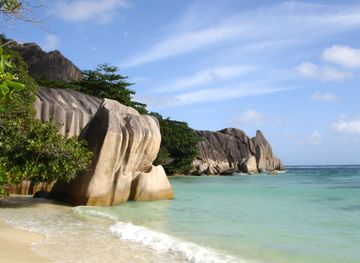
Looking beyond Île aux Serpents? Discover Seychelles for broader travel guides, local hot-spots, and regional highlights.
Explore SeychellesÎle aux Serpents in Photos
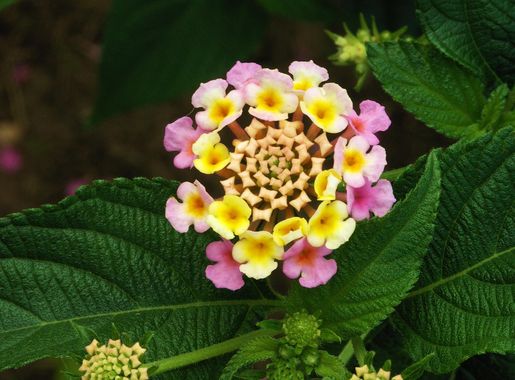
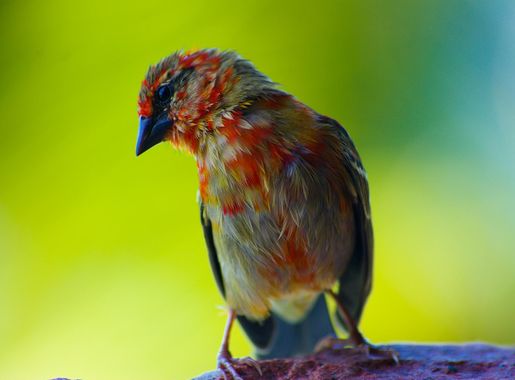
Browse through our photo collection highlighting the charm and character of the destination.




Île aux Serpents: The Serene Snake Island of Seychelles
Île aux Serpents, also known as Snake Island, is one of Seychelles' most unique and captivating destinations. Located off the coast of Mahé, this small, uninhabited island is known for its rocky landscape and rich biodiversity. Despite its name, the island is not infested with snakes; rather, it is home to a variety of reptiles, including harmless snakes and skinks. This makes it a must-visit spot for nature enthusiasts and wildlife photographers. The island's rugged terrain offers a stark contrast to the typical tropical beaches of Seychelles. It's an ideal destination for those looking to explore something off the beaten path. You can take a guided tour to discover its unique flora and fauna, all while enjoying the stunning views of the Indian Ocean. The island also serves as a sanctuary for seabirds, making it a great spot for birdwatching. Though Île aux Serpents is not a typical tourist hotspot, its untouched beauty and serene atmosphere make it a perfect escape from the hustle and bustle of more crowded destinations. Whether you're an adventurer, a nature lover, or simply looking to experience a different side of Seychelles, Île aux Serpents offers a unique and memorable experience.