

Free Île d'Aurore Travel Guide & Mobile App
Explore Île d'Aurore with free travel guides. Discover regional history, expert tips, proposed trips, and audio guides on web or mobile app.


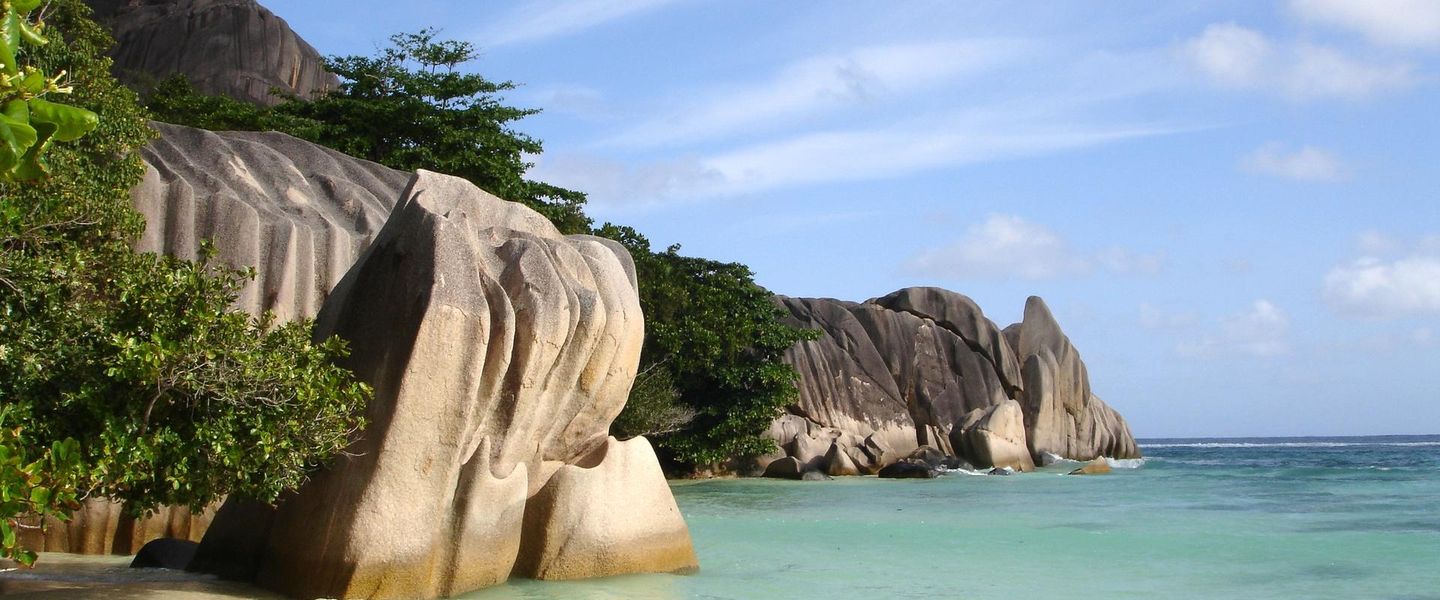


Île d'Aurore is not a verifiable Seychelles destination; confirm the intended island or locality before planning travel, accommodation, or excursions.
Read more about Île d'Aurore
When is the best time to visit Île d'Aurore?
Best: January–March · 30–31°C| Month | High (°C) | Rainfall (mm) |
|---|---|---|
| January (best) | 30 | 100 |
| February (best) | 31 | 90 |
| March (best) | 31 | 122 |
| April | 31 | 166 |
| May | 30 | 205 |
| June | 30 | 179 |
| July | 30 | 160 |
| August | 30 | 141 |
| September | 30 | 154 |
| October | 30 | 179 |
| November | 30 | 193 |
| December | 30 | 206 |
Getting to and around Île d'Aurore
How to get there
Transportation
Top city travel guides in Île d'Aurore
The cities of Île d'Aurore, and the easiest places to base yourself.
-

-

-

-

-


Swipe for more cities
Destinations in Île d'Aurore
Resorts, valleys and scenic spots worth a trip of their own.

Swipe for more destinations
Best attractions in Île d'Aurore
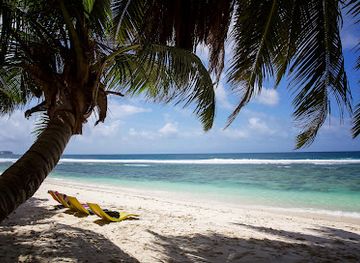
No attractions can be reliably described as belonging to Île d'Aurore because the place has not been geographically verified in Seychelles. The archipelago's recognised destinations offer different combinations of beaches, granite landscapes, coral reefs, nature reserves, botanical areas, marine excursions, and historic settlements, but these cannot be transferred to an unidentified island. In particular, access rules, wildlife habitats, boat routes, conservation status, and visitor facilities vary substantially between Mahé, Praslin, La Digue, protected islands, and private resorts. Confirm the intended island before researching beaches, trails, diving, snorkelling, birdwatching, gardens, or cultural sites.
-
Public beach
Port Launay Beach
Discover the serene beauty of Port Launay Beach in Seychelles, where white sands and turquoise waters create a perfect tropical escape.
-
Anse Intendance
Explore Anse Intendance, a stunning beach in Seychelles, perfect for relaxation, adventure, and breathtaking views of nature's beauty.
-
Beach
Beau Vallon Beach
Experience the beauty and vibrancy of Beau Vallon Beach in Seychelles, a perfect blend of relaxation, adventure, and local culture.
-
Public beach
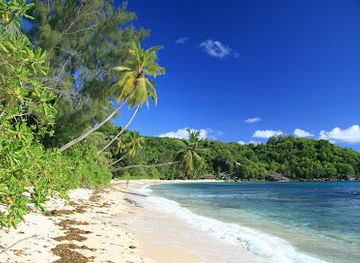
Anse Takamaka Beach
Discover the serene beauty of Anse Takamaka Beach, a stunning public beach in Seychelles, perfect for relaxation and tropical adventures.
Best landmarks in Île d'Aurore
There are no confirmed landmarks of Île d'Aurore because no recognised Seychelles island or locality has been established under that name. Seychelles landmarks must be associated with their actual islands: the capital Victoria and its historic buildings are on Mahé, while notable granite formations, nature areas, and historic sites elsewhere belong to specifically identified islands. Assigning any of these places to Île d'Aurore would create a false geographical connection. A map pin, official property address, or recognised island name is needed before architectural, archaeological, coastal, or natural landmarks can be described accurately.
-
Tourist attraction
Takamaka Rum Distillery
Experience the rich flavors of Seychelles at Takamaka Rum Distillery, where tradition meets craftsmanship in every sip.
-
Resort hotel
STORY Seychelles
Experience unparalleled luxury and natural beauty at STORY Seychelles, your ultimate resort destination on Beau Vallon beach.
-
 Resort hotel
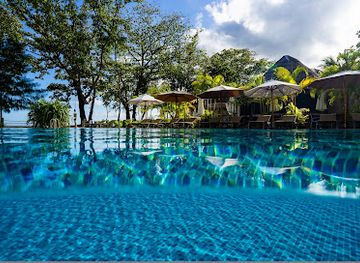
Four Seasons Resort Seychelles
Experience luxurious tranquility and breathtaking natural beauty at Four Seasons Resort Seychelles, a premier vacation destination on Mahe Island.
-
Resort hotel
Avani Barbarons Seychelles Resort
Experience luxury and tranquility at Avani Barbarons Seychelles Resort, a stunning tropical haven on the shores of Mahe, Seychelles.
Explore Île d'Aurore on the map
Plan your trip on one map. See where the top cities, national parks and sights are, and book hotels and experiences in a few clicks.
Best hotels in Île d'Aurore
Best restaurants in Île d'Aurore
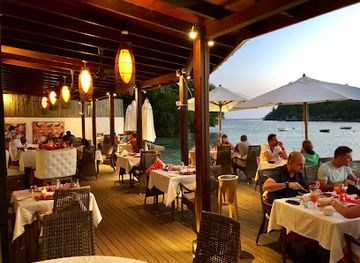
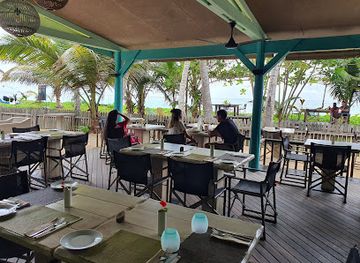
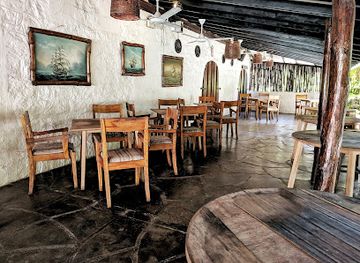
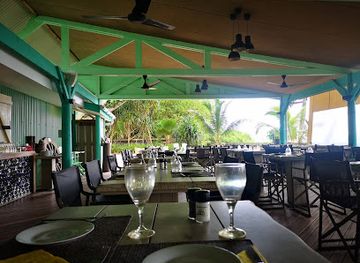
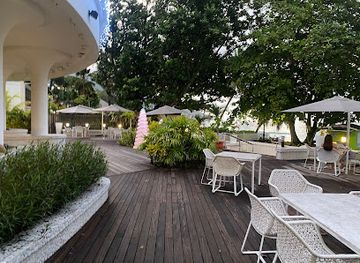
No dining scene can be assigned to Île d'Aurore without knowing whether the name refers to a real island, resort, or property. In documented parts of Seychelles, food commonly reflects Creole traditions shaped by African, French, Indian, and broader Indian Ocean influences, with fish, seafood, rice, fruit, spices, and coconut frequently appearing in local cooking. Restaurants range from takeaways and cafés to hotel dining rooms and private-island establishments, while availability and prices can change significantly outside the main population centres. Confirm the actual island, meal arrangements, and payment options with the relevant accommodation before relying on any recommendation.
-
Restaurant
Del Place Restaurant
Experience exquisite Seychellois cuisine with breathtaking views at Del Place Restaurant in N.Y.S. Village.
-
Restaurant
STORY Seychelles
Experience the fusion of local flavors and international cuisine at STORY Seychelles in Beau Vallon – A true culinary destination.
-
Creole
Kafe Kreol Cafe & Restaurant
Discover authentic Creole flavors at Kafe Kreol Cafe & Restaurant in Anse Royale - a must-visit culinary gem in Seychelles.
-
Italian
La Perle Noire Restaurant
Experience authentic Italian cuisine at La Perle Noire Restaurant in Beau Vallon – where every dish tells a story.
Best bars in Île d'Aurore
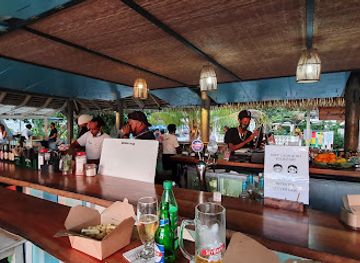
Île d'Aurore has no verifiable nightlife scene. Evening life in Seychelles depends on the island: Mahé has the broadest selection of bars, restaurants, cultural venues, and occasional live entertainment, while smaller islands generally offer hotel bars, Creole music, relaxed dining, and limited late-night activity rather than a substantial club scene. Remote and private islands may require guests to use on-site facilities, and transport after dark can be restricted. The intended location should therefore be confirmed before assuming that bars, music venues, taxis, or organised evening events are available.
-
Creole
Kafe Kreol Cafe & Restaurant
Experience the authentic taste of Creole cuisine at Kafe Kreol Cafe & Restaurant in Anse Royale, Seychelles, where every dish tells a story.
-
Bar
Surfers Beach Restaurant
Discover the vibrant flavors and stunning views at Surfers Beach Restaurant in Takamaka, Seychelles - a true coastal dining experience.
-
Grill
Beach Shak Seychelles
Experience the vibrant flavors of the tropics at Beach Shak Seychelles, where grilled delights and cocktails meet stunning ocean views.
-
Bar
Gecko Bar
Discover the vibrant atmosphere and delightful flavors at Gecko Bar in Beau Vallon, a must-visit for tourists seeking relaxation and fun.
Best nightclubs in Île d'Aurore
Île d'Aurore has no verifiable nightlife scene. Evening life in Seychelles depends on the island: Mahé has the broadest selection of bars, restaurants, cultural venues, and occasional live entertainment, while smaller islands generally offer hotel bars, Creole music, relaxed dining, and limited late-night activity rather than a substantial club scene. Remote and private islands may require guests to use on-site facilities, and transport after dark can be restricted. The intended location should therefore be confirmed before assuming that bars, music venues, taxis, or organised evening events are available.
-
Bar
Del Place Restaurant
Experience the essence of Seychelles at Del Place Restaurant, where fresh local ingredients meet breathtaking views in a warm, inviting atmosphere.
-
Resort hotel
Four Seasons Resort Seychelles
Experience unparalleled luxury and natural beauty at Four Seasons Resort Seychelles, a tropical paradise perfect for relaxation, romance, and adventure.
-
Grill
Beach Shak Seychelles
Experience the vibrant flavors and lively atmosphere at Beach Shak Seychelles, the ultimate grill and cocktail destination on Mahe Island.
-
Night club
The Boardwalk Bar & Grill
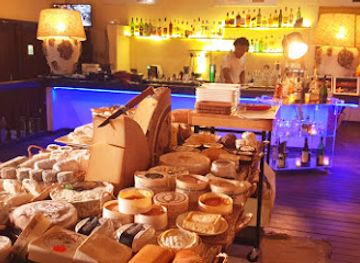
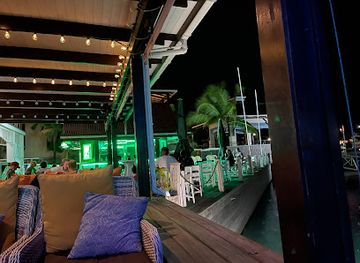
Experience the vibrant nightlife of Eden Island at The Boardwalk Bar & Grill, where delicious cocktails and live entertainment await you.
Best shops in Île d'Aurore
No shopping district or market can be attributed to Île d'Aurore. In recognised Seychelles destinations, shopping ranges from markets and independent shops in Victoria to small island stores, craft outlets, galleries, and hotel boutiques. Common purchases may include locally produced foods, spices, artworks, textiles, jewellery, and crafts, although availability differs between islands and some goods are imported. Visitors should confirm the real island before planning shopping, especially if they need groceries, medication, cash services, or specialist equipment, as smaller and private islands can have very limited retail provision.
-
Market
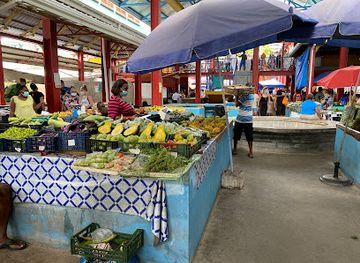
Sir Selwyn Selwyn-Clarke Market
Experience the vibrant culture and flavors of Seychelles at Sir Selwyn Selwyn-Clarke Market, a must-visit for any traveler.
-
Resort hotel
STORY Seychelles
Experience unparalleled luxury and natural beauty at STORY Seychelles, your perfect escape in Beau Vallon.
-
Shopping mall
Eden Plaza
Explore Eden Plaza, Seychelles' premier shopping mall, where local culture meets international brands in a vibrant retail experience.
-
Public beach
Anse Takamaka Beach
Experience the tranquility of Anse Takamaka Beach, a breathtaking public beach in Seychelles with crystal-clear waters and stunning sunsets.
Get your free copy of our complete guide to Île d'Aurore, delivered straight to you.
Everything on this page, from attractions and restaurants to essentials and local phrases, in one PDF you can read offline, print or share.
Already have an account? Sign in
Your Île d'Aurore guide is ready.
We'll send it to · Not you? Sign out

Getting your guide ready…
We are putting together a fresh copy of the Île d'Aurore guide. This can take up to a minute.
This can take a few moments. If your browser asks, choose Allow so the download can start. You'll find the guide in your Downloads folder.
Nothing happened? Download it again
Sorry, the guide is taking longer than usual. Please try again in a minute, or get it by email instead.
Île d'Aurore essentials
Currency and Payment
Safety
Emergency Situations
Do's and Don'ts
Local Tips
From Eve
Local phrases worth knowing
You don't need to get them perfect. A few words go a long way, and locals appreciate the effort.
Basics
| English | Local | Say it |
|---|---|---|
| Hello | Bonzur | [bawn-zoor] |
| Goodbye | Orevwar | [oh-reh-vwahr] |
| Yes | Wi | [wee] |
| No | Non | [nohn] |
| Please/You're welcome | Silvouplé | [sil-voo-play] |
| Thank you | Mersi | [mer-see] |
| Excuse me/Sorry | Eskizé | [es-kee-zay] |
| How are you? | Koman ou ete? | [koh-mahn oo eh-teh] |
| Fine. And you? | Byen. E ou? | [byen. eh oo?] |
| Do you speak English? | Es ou koz Anglè? | [es oo koze ahn-gleh?] |
| I don't understand | Mwen pa konpran | [mwen pah kon-pran] |
Eating & Drinking
| English | Local | Say it |
|---|---|---|
| I'd like to see the menu, please | Mwen ti a kontan vwar menu, silvouplé | [mwen tee ah kon-tahn vwar meh-nu, sil-voo-play] |
| I don't eat meat | Mwen pa manje vyann | [mwen pah mahn-jay vyahn] |
| Cheers! | Santé! | [sahn-tay] |
| I would like to pay, please | Mwen ti a kontan pey, silvouplé | [mwen tee ah kon-tahn pay, sil-voo-play] |
Emergencies
| English | Local | Say it |
|---|---|---|
| Help! | Ede! | [eh-day] |
| Go away! | Ale loin! | [ah-lay lwahn] |
| Call the Police! | Apele Polis! | [ah-peh-lay poh-lees] |
| Call a doctor! | Apele en doktor! | [ah-peh-lay ahn dok-tor] |
| I'm lost | Mwen perdi | [mwen pair-dee] |
| I'm ill | Mwen malad | [mwen mah-lahd] |
Shopping
| English | Local | Say it |
|---|---|---|
| I'd like to buy... | Mwen ti a kontan achte... | [mwen tee ah kon-tahn ah-shtay...] |
| I'm just looking | Mwen pe zis vwar | [mwen pay zees vwar] |
| How much is it? | Konbyen sa koute? | [kohn-byan sah koo-tay?] |
| That's too expensive | Sa tro chèr | [sah troh shair] |
| Can you lower the price? | Es ou kapab rabais pri? | [es oo ka-pahb rah-bay pree?] |
Time & Numbers
| English | Local | Say it |
|---|---|---|
| What time is it? | Ki l'heure li? | [kee l'uh-hr lee?] |
| It's one o'clock | Li enn l'heure | [lee en l'uh-hr] |
| Half past (10) | Demi (10) | [duh-mee (10)] |
| Morning | Matin | [mah-tan] |
| Afternoon | Aprè-midi | [ah-preh-mee-dee] |
| Evening | Sware | [swahr] |
| Yesterday | Yè | [yeh] |
| Today | Ajourd'hui | [ah-zhoor-dwee] |
| Tomorrow | Demain | [duh-man] |
| 1 | En | [ahn] |
| 2 | De | [duh] |
| 3 | Trois | [twah] |
| 4 | Katre | [ka-truh] |
| 5 | Sen | [sahn] |
| 6 | Sis | [sees] |
| 7 | Set | [seht] |
| 8 | Huit | [weet] |
| 9 | Nèf | [nehf] |
| 10 | Dix | [dees] |
Transport & Directions
| English | Local | Say it |
|---|---|---|
| Where's a/the...? | Koté en/sa...? | [koh-tay ahn/sah...?] |
| What's the address? | Ki ladrès? | [kee lah-dress?] |
| Can you show me (on the map)? | Es ou kapab montre mwen (lo kat)? | [es oo ka-pahb mon-tray mwen (loh kaht)?] |
| When's the next (bus)? | Kan prosen (buss)? | [kahn proh-sen (boos)?] |
| A ticket (to ....) | En tiké (pou ....) | [ahn tee-kay (poo ....)] |
History of Île d'Aurore
No verified historical record for Île d'Aurore
There is no confidently established historical record identifying Île d'Aurore as an island or locality in Seychelles. Consequently, archaeological sites, settlements, political events, industries, and traditions cannot be attributed to it without a confirmed geographical reference. Any detailed history presented under this name would risk being invented or transferred from another Seychelles island.
Seychelles before permanent settlement
The Seychelles archipelago was visited by Austronesian seafarers and later by Arab and other Indian Ocean navigators, although it had no permanent indigenous population before the colonial period. Early European charts and accounts recorded islands under varying names, so precise identification matters when interpreting historical claims. This broad archipelago history cannot establish Île d'Aurore as a separate documented place.
French settlement and colonial naming
France established a settlement in Seychelles in the eighteenth century, naming the islands and developing plantations worked by enslaved people brought from Africa and Madagascar. Many present-day island names and cultural influences date from this period. However, available general historical knowledge does not identify an island called Île d'Aurore within the French Seychelles administration.
British administration and social change
Seychelles came under British control during the Napoleonic period and remained a British colony until independence in 1976. During the nineteenth and twentieth centuries, the islands developed creole society, maritime trade, agriculture, and expanding links with global shipping. These developments shaped recognised islands and settlements, but cannot be assigned specifically to Île d'Aurore.
Independence and modern tourism
Seychelles became an independent republic in 1976 and subsequently developed tourism alongside fishing, services, conservation, and international transport. Mahé became the principal administrative and transport centre, while other recognised islands developed distinct resort and community economies. No documented modern tourism region called Île d'Aurore can be separated from those established destinations.
Conservation in the Seychelles archipelago
Seychelles is internationally associated with marine conservation, endemic species, protected areas, and the safeguarding of fragile island ecosystems. Conservation policies differ between islands and protected sites, and access may require permits or operator arrangements. Without knowing which real island Île d'Aurore refers to, no accurate statement can be made about its habitats, protected status, or environmental history.
Île d'Aurore in Photos
Browse through our photo collection highlighting the charm and character of the destination.
Neighbouring regions of Île d'Aurore
The closest regions to Île d'Aurore, if you have time for more than one.
-

-

-
-

-


Swipe for more regions
Explore more
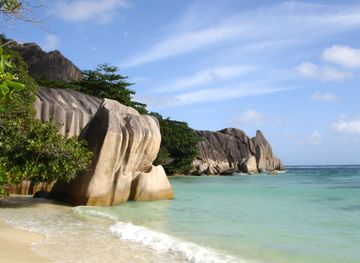
Explore more of Seychelles
Discover the enchanting islands of Seychelles, where stunning beaches, vibrant wildlife, and rich Creole culture come together for an unforgettable tropical escape.
Explore Seychelles