

Free Île Thérèse Travel Guide & Mobile App
Explore Île Thérèse with free travel guides. Discover regional history, expert tips, proposed trips, and audio guides on web or mobile app.


Île Thérèse in Seychelles offers a quiet granite-island escape near Mahé, with forested slopes, sheltered coves, snorkelling and boat-based exploration.
Read more about Île Thérèse
When is the best time to visit Île Thérèse?
Best: June–August · 30–31°C| Month | High (°C) | Rainfall (mm) |
|---|---|---|
| January | 31 | 280 |
| February | 31 | 230 |
| March | 31 | 210 |
| April | 31 | 180 |
| May | 31 | 160 |
| June (best) | 31 | 140 |
| July (best) | 30 | 130 |
| August (best) | 30 | 140 |
| September | 30 | 170 |
| October | 31 | 210 |
| November | 31 | 240 |
| December | 31 | 270 |
Getting to and around Île Thérèse
How to get there
Transportation
Best attractions in Île Thérèse
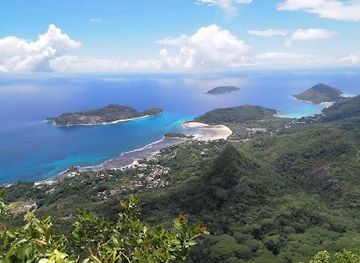
Île Thérèse’s attractions are primarily natural and marine rather than built. Boat approaches reveal a compact granitic island covered in tropical vegetation, with rocky shores, small sandy coves and sheltered waters that may suit swimming or snorkelling when conditions are favourable. The coastal setting is the principal experience: visitors can observe granite formations, shallow reef life and the changing views back towards Mahé. Land-based exploration is limited by the absence of roads and visitor infrastructure, but a short walk may be possible where an operator identifies a safe landing and a suitable route. The island is not a conventional sightseeing destination with museums, galleries, restaurants or formal family attractions; its interest lies in solitude, scenery and contact with the marine environment. Excursions may also include time on the water around the island, although the route and activities vary with weather, tide and the operator’s arrangements. Île Thérèse is best suited to travellers who value a quiet, lightly developed setting and are prepared to carry their own supplies, follow conservation guidance and accept that rough seas may alter the plan.
-
Tourist attraction
Takamaka Rum Distillery
Explore the heritage of Seychelles at Takamaka Rum Distillery, where tradition meets taste in a stunning tropical setting.
-
Public beach
Port Launay Beach
Discover the pristine shores and vibrant waters of Port Launay Beach, a tropical paradise in the heart of Seychelles, perfect for relaxation and adventure.
-
Public beach
Anse Takamaka Beach
Discover the tranquil charm of Anse Takamaka Beach, a public paradise in the Seychelles perfect for relaxation and adventure.
-
Hiking area
Morne Blanc Trail
Explore the breathtaking Morne Blanc Trail in Seychelles, a perfect hiking destination for nature lovers and adventurers seeking stunning views.


Best landmarks in Île Thérèse
Île Thérèse has few constructed landmarks, and its most recognisable features are geographical. The island’s steep, forested granite mass is a distinctive offshore marker viewed from Mahé’s western coastline and from surrounding waters. Granite boulders, rocky shelves and small coves define the shoreline, while the wooded slopes create the island’s characteristic profile. Its separation from Mahé is itself significant: the short channel gives Île Thérèse a sense of remoteness without placing it far from Seychelles’ main population centre. There is no town square, church, fort or colonial building to visit, and the island should not be presented as an architectural heritage site. Instead, its landmark value lies in the combination of exposed ancient rock, tropical vegetation and a visually clear relationship with Mahé. A boat approach usually provides the most coherent view of these features, since landing access can be limited by swell, rocks and local arrangements.
-
Hotel
Constance Ephelia Mahe Seychelles
Discover the ultimate luxury experience at Constance Ephelia, a stunning resort in Mahé, Seychelles, offering adventure, relaxation, and exquisite dining.
-
 Resort hotel
Savoy Seychelles Resort & Spa
Experience luxury and tranquility at Savoy Seychelles Resort & Spa, where tropical paradise meets world-class hospitality in the heart of the Seychelles.
-
Tourist attraction
Takamaka Rum Distillery
Experience the rich flavors and heritage of Seychelles at Takamaka Rum Distillery, where tradition meets the art of rum-making.
-
Restaurant
Del Place Restaurant
Experience the finest Seychellois cuisine at Del Place Restaurant, where exquisite flavors meet stunning ocean views for an unforgettable dining experience.


Explore Île Thérèse on the map
Plan your trip on one map. See where the top cities, national parks and sights are, and book hotels and experiences in a few clicks.
Best hotels in Île Thérèse
Best restaurants in Île Thérèse
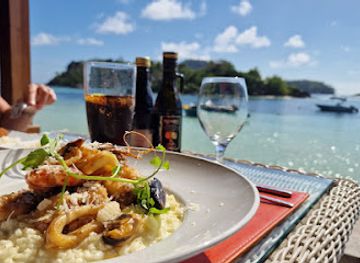
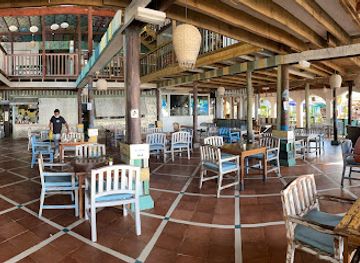
Île Thérèse has no permanent restaurants, cafés, shops or food market, so dining requires preparation on Mahé or arrangements with a boat operator. Excursions may provide packed meals, fruit, snacks or a simple picnic, but inclusions vary and should be confirmed before departure. The island is therefore not a place to seek a regional food scene; it is better understood as an outdoor setting for food carried aboard. On Mahé, visitors can explore the broader Seychellois Creole tradition through grilled fish, seafood, rice, coconut-based preparations, chilli, fruit and dishes influenced by African, French, Indian and wider Indian Ocean cooking. Bring sufficient drinking water, particularly in hot weather, and pack food in reusable containers where possible. Any meal taken ashore should leave no trace, and scraps should not be given to birds, fish or other wildlife.
-
Restaurant
Del Place Restaurant
Experience exquisite dining at Del Place Restaurant in Seychelles with breathtaking waterfront views and authentic local flavors.
-
Restaurant
The Boat House Restaurant
Discover exquisite Creole cuisine at The Boat House Restaurant in Beau Vallon, where breathtaking ocean views meet exceptional service.
-
Indian
Mahek Restaurant
Discover the vibrant flavors of India at Mahek Restaurant in Beau Vallon - a true culinary delight in Seychelles.
-
Italian
La Perle Noire Restaurant
Experience authentic Italian cuisine at La Perle Noire Restaurant in Beau Vallon – where flavor meets hospitality.


Best bars in Île Thérèse
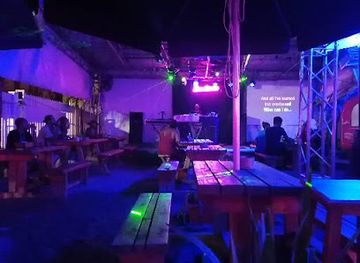
Île Thérèse has no bars, nightclubs or evening entertainment. Its lack of permanent development means that the island is generally visited in daylight, when boat access, swimming and visibility are most practical. Evening plans take place on Mahé, where visitors can find hotel bars, restaurants, beachside drinks and a modest selection of live-music or late-evening venues, with activity concentrated around the main populated areas rather than on offshore islets. Boat operators should not be expected to provide an informal night crossing, and changing weather or limited lighting makes independent return travel unsuitable. A visit to Île Thérèse is best paired with dinner or evening drinks after returning to Mahé, while respecting local licensing rules and arranging safe transport back to accommodation.
-
Bar
Del Place Restaurant
Experience the finest blend of local and international cuisines at Del Place Restaurant in Seychelles, where stunning views meet exquisite flavors.
-
Grill
Beach Shak Seychelles
Experience the best of Seychellois grilling and cocktails at Beach Shak Seychelles, where every meal is a celebration of flavor and ambiance.
-
Bar
Gecko Bar
Discover the vibrant atmosphere of Gecko Bar in Beau Vallon, offering delicious food, refreshing drinks, and stunning ocean views.
-
Bar
The Boardwalk Bar & Grill
Experience the vibrant atmosphere and delightful cuisine at The Boardwalk Bar & Grill, nestled in Eden Island Marina, your gateway to fun and relaxation.


Best nightclubs in Île Thérèse
Île Thérèse has no bars, nightclubs or evening entertainment. Its lack of permanent development means that the island is generally visited in daylight, when boat access, swimming and visibility are most practical. Evening plans take place on Mahé, where visitors can find hotel bars, restaurants, beachside drinks and a modest selection of live-music or late-evening venues, with activity concentrated around the main populated areas rather than on offshore islets. Boat operators should not be expected to provide an informal night crossing, and changing weather or limited lighting makes independent return travel unsuitable. A visit to Île Thérèse is best paired with dinner or evening drinks after returning to Mahé, while respecting local licensing rules and arranging safe transport back to accommodation.
-
Night club
The Boardwalk Bar & Grill
Experience the vibrant nightlife and delicious cuisine at The Boardwalk Bar & Grill, a premier destination in Eden Island's marina.
-
Grill
ROYAL BAY BEACH CLUB
Discover the perfect blend of relaxation and adventure at Royal Bay Beach Club, a stunning beach destination in Anse Royale.
-
Bar
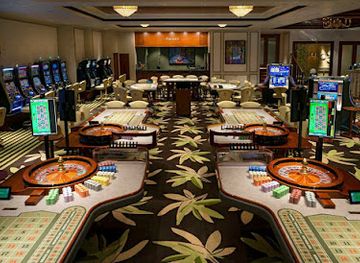
Club Liberté Casino
A vibrant fusion of gaming, dining, and entertainment awaits at Club Liberté Casino in picturesque Petite Anse, Seychelles.
-
Night club
Barrel Night Club
Discover Barrel Night Club, the heart of Victoria's nightlife, where music, cocktails, and dance unite for an unforgettable experience.


Best shops in Île Thérèse
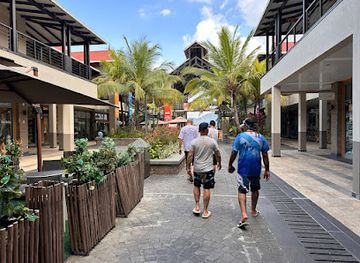
There is no shopping on Île Thérèse. The island has no permanent retail premises, craft stalls, market or commercial visitor centre, so all provisions should be purchased on Mahé before departure. Shopping for a visit mainly means obtaining water, snacks, sun protection, waterproof storage and any required snorkelling or walking equipment. For locally associated gifts, visitors can look on Mahé for Seychellois food products, spices, coconut-based goods, crafts, textiles, artwork and small souvenirs, choosing established sellers and checking whether products are genuinely local. Do not collect shells, coral, plants or stones from Île Thérèse as keepsakes. Reusable containers and bags are particularly practical because every item taken to the island, including packaging, should be brought back rather than left on the shore.
-
Shopping mall
Eden Plaza
Experience the vibrant shopping and dining scene at Eden Plaza, the ultimate retail destination in Providence for tourists and locals alike.
-
Supermarket
STC Hypermarket
Experience the vibrant shopping culture of Seychelles at STC Hypermarket, where local delicacies and everyday essentials meet.
-
Supermarket
Sekaar Port Glaud
Explore Sekaar Port Glaud, a bustling supermarket in N.Y.S. Village offering local flavors and essential supplies for tourists.
-
Souvenir store
Koral Souvenir Boutique
Discover the charm of Seychelles at Koral Souvenir Boutique, where local artistry and unique keepsakes await every traveler.


Get your free copy of our complete guide to Île Thérèse, delivered straight to you.
Everything on this page, from attractions and restaurants to essentials and local phrases, in one PDF you can read offline, print or share.
Already have an account? Sign in
Your Île Thérèse guide is ready.
We'll send it to · Not you? Sign out

Getting your guide ready…
We are putting together a fresh copy of the Île Thérèse guide. This can take up to a minute.
This can take a few moments. If your browser asks, choose Allow so the download can start. You'll find the guide in your Downloads folder.
Nothing happened? Download it again
Sorry, the guide is taking longer than usual. Please try again in a minute, or get it by email instead.
Île Thérèse essentials
Currency and Payment
Safety
Emergency Situations
Do's and Don'ts
Local Tips
From Eve
Local phrases worth knowing
You don't need to get them perfect. A few words go a long way, and locals appreciate the effort.
Basics
| English | Local | Say it |
|---|---|---|
| Hello | Bonnour | [bɔ.nur] |
| Goodbye | Aurevoir | [oʁ.vwaʁ] |
| Yes | Wi | [wi] |
| No | Non | [nɔ̃] |
| Please/You’re welcome | S'il vous plaît | [sil vu plɛ] |
| Thank you | Mersi | [mɛʁ.si] |
| Excuse me/Sorry | Desole | [de.zɔ.le] |
| How are you? | Koman ou ete? | [kɔ.man u e.te] |
| Fine. And you? | Bien. E ou? | [bjɛ̃. e u] |
| Do you speak English? | Es ou parle Anglais? | [ɛs u paʁl ɑ̃ɡlɛ] |
| I don't understand | Mwen pa konpran | [mwan pa kɔ̃.pʁɑ̃] |
Eating & Drinking
| English | Local | Say it |
|---|---|---|
| I’d like to see the menu, please | Mwen ti a kontan vwar menu, s'il vous plaît | [mwan ti a kɔ̃.tɑ̃ vwaʁ me.ny, sil vu plɛ] |
| I don’t eat meat | Mwen pa manje viande | [mwan pa mɑ̃.ʒe vjɑ̃d] |
| Cheers! | Santé! | [sɑ̃.te] |
| I would like to pay, please | Mwen ti a kontan pey, s'il vous plaît | [mwan ti a kɔ̃.tɑ̃ peɪ, sil vu plɛ] |
Emergencies
| English | Local | Say it |
|---|---|---|
| Help! | Sos! | [sos] |
| Go away! | Ale lo! | [a.le lo] |
| Call the Police! | Apele polis! | [a.pe.le pɔ.lis] |
| Call a doctor! | Apele en doktor! | [a.pe.le ɑ̃ dɔk.tɔʁ] |
| I’m lost | Mwen perdi | [mwan pɛʁ.di] |
| I’m ill | Mwen malad | [mwan ma.lad] |
Shopping
| English | Local | Say it |
|---|---|---|
| I’d like to buy... | Mwen ti a kontan achte... | [mwan ti a kɔ̃.tɑ̃ aʃ.te] |
| I’m just looking | Mwen zis pe regarde | [mwan zis pɛ ʁə.ɡaʁ.de] |
| How much is it? | Ki kantite sa? | [ki kɑ̃.ti.te sa] |
| That’s too expensive | Sa tro cher | [sa tʁo ʃɛʁ] |
| Can you lower the price? | Es ou kapav ba pri? | [ɛs u ka.pav ba pʁi] |
Time & Numbers
| English | Local | Say it |
|---|---|---|
| What time is it? | Ki ler i ete? | [ki lɛʁ i e.te] |
| It’s one o'clock | I ler en | [i lɛʁ ɛ̃] |
| Half past (10) | Demi (10) | [də.mi (10)] |
| Morning | Maten | [ma.tɛn] |
| Afternoon | Apre midi | [a.pʁe mi.di] |
| Evening | Swar | [swaʁ] |
| Yesterday | Yyer | [i.jɛʁ] |
| Today | Azi | [a.zi] |
| Tomorrow | Demain | [də.mɛ̃] |
| 1 | En | [ɛ̃] |
| 2 | De | [de] |
| 3 | Trois | [tʁwa] |
| 4 | Katre | [ka.tʁe] |
| 5 | Senk | [sɛ̃k] |
| 6 | Siz | [siz] |
| 7 | Set | [sɛt] |
| 8 | Huit | [ɥit] |
| 9 | Nef | [nɛf] |
| 10 | Dix | [dis] |
Transport & Directions
| English | Local | Say it |
|---|---|---|
| Where's a/the...? | Kot i annan en ...? | [kɔt i a.nɑ̃ ɛ̃ ...] |
| What’s the address? | Ki l'adresse? | [ki la.dʁɛs] |
| Can you show me (on the map)? | Es ou kapav montre mwan (lo kat)? | [ɛs u ka.pav mɔ̃.tʁe mwan (lo kat)] |
| When’s the next (bus)? | Kan prosen (bis)? | [kɑ̃ pʁo.sɛ̃ (bis)] |
| A ticket (to ....) | En tiké (pou ...) | [ɛ̃ ti.ke (pu ...)] |
History of Île Thérèse
Granitic island formation
Île Thérèse belongs to the inner Seychelles, whose principal islands are unusual in the Indian Ocean for being formed largely from ancient granite rather than coral limestone. Its steep slopes, rocky shoreline and weathered outcrops are part of this geological inheritance. The island’s physical character predates human settlement by an immense period and helps explain the distinctive landscapes shared by nearby Mahé and other granitic islands. For visitors, the exposed rock and forested hills provide a visible reminder that the Seychelles is not solely a chain of low coral islands.
Early maritime knowledge of the Seychelles
The islands were known to Indian Ocean navigators before permanent European settlement, although the inner Seychelles had no large indigenous population when French colonisation began in the eighteenth century. Sailors, traders and later colonial vessels moved through waters around Mahé and its neighbouring islands, creating a maritime context for Île Thérèse even where detailed records about the island itself are limited. Its position close to Mahé would have made it part of the local seascape used for navigation, fishing and coastal travel.
French settlement and colonial naming
France established a settlement on Mahé in 1770, beginning the colonial history of the Seychelles. The inner islands were named, mapped and gradually incorporated into a plantation economy based on Mahé and other usable land. Île Thérèse’s name reflects this period of French influence, although the island did not develop into a major urban or administrative centre. Its proximity to Mahé placed it within the economic and maritime orbit of the colony without giving it the built heritage found in the main island’s older settlements.
British rule and plantation-era Seychelles
The Seychelles became a British colony in the early nineteenth century after the wider Napoleonic settlement, while French language, law, place names and Catholic traditions remained influential. On Mahé, plantations produced crops including coconut, cinnamon, vanilla and patchouli, and coastal waters supported fishing and transport. Small offshore islands such as Île Thérèse formed part of this broader landscape of maritime movement and resource use, but the island is not chiefly known for a large plantation estate or surviving colonial buildings.
From colonial colony to independent Seychelles
Seychelles developed a creole society shaped by African, European, Malagasy, Indian and other Indian Ocean influences. Constitutional change led to internal self-government and independence from Britain in 1976. Mahé became the country’s political and economic centre, while nearby islands increasingly entered the orbit of tourism, conservation and recreational boating. Île Thérèse remained lightly developed, and its value today is connected less with preserved architecture than with its natural setting and its relationship to the protected and scenic waters west of Mahé.
Conservation, marine recreation and responsible access
In contemporary Seychelles, the waters and islands around Mahé are important for tourism, fishing and marine conservation. Île Thérèse is visited primarily for its coastal environment, boat excursions and informal outdoor recreation rather than for a permanent community or large attraction complex. This modern role reflects a broader shift in the Seychelles from plantation and maritime economy towards tourism alongside environmental stewardship. Visitors play a direct part in that balance: anchoring carefully, avoiding wildlife disturbance and removing rubbish are especially important on a small island with limited infrastructure.
Île Thérèse in Photos
Browse through our photo collection highlighting the charm and character of the destination.
Neighbouring regions of Île Thérèse
The closest regions to Île Thérèse, if you have time for more than one.
-
-
-

-
-


Swipe for more regions
Explore more
Explore more of Seychelles
Discover the enchanting islands of Seychelles, where stunning beaches, vibrant wildlife, and rich Creole culture come together for an unforgettable tropical escape.
Explore Seychelles