

Free Cerf Island Travel Guide & Mobile App
Explore Cerf Island with free travel guides. Discover regional history, expert tips, proposed trips, and audio guides on web or mobile app.


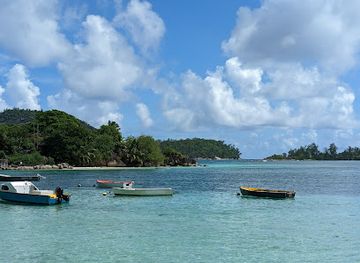
Cerf Island in Seychelles offers quiet beaches, forest walks, snorkelling and easy access to the protected waters of Sainte Anne Marine National Park.
Read more about Cerf Island
When is the best time to visit Cerf Island?
Best: June–August · 29°C| Month | High (°C) | Rainfall (mm) |
|---|---|---|
| January | 30 | 397 |
| February | 30 | 245 |
| March | 30 | 244 |
| April | 30 | 188 |
| May | 30 | 175 |
| June (best) | 29 | 91 |
| July (best) | 29 | 75 |
| August (best) | 29 | 93 |
| September | 29 | 154 |
| October | 30 | 217 |
| November | 30 | 223 |
| December | 30 | 322 |
Getting to and around Cerf Island
How to get there
Transportation
Best attractions in Cerf Island
Cerf Island's attractions are predominantly natural and marine rather than architectural. Forested footpaths lead to small beaches, granite shoreline and elevated views over the islands of Sainte Anne Marine National Park. The surrounding water is the principal recreational resource, with swimming, snorkelling, kayaking, paddleboarding and boat excursions available subject to conditions and local conservation rules. Reef fish, sea turtles and seabirds may be seen in the marine park, although wildlife encounters vary with season, visibility and location. Short island walks are suitable for visitors who want gentle exploration, but they are not uniformly surfaced and can become slippery after rain. Accommodation may arrange guided outings to nearby islands or reefs, while Mahé provides the region's museums, markets, botanical gardens and more extensive cultural attractions. Cerf is therefore best understood as a nature-based base close to, rather than a replacement for, Mahé's urban sightseeing. Visitors should allow quiet time for the island's coves and vegetation, avoid stepping on coral and check whether a proposed excursion operates within the permitted areas of Sainte Anne Marine National Park.
-
Hiking area
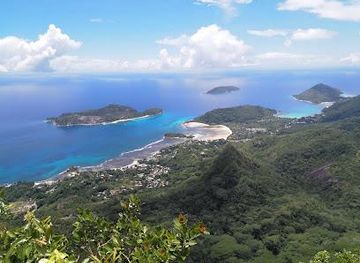
Morne Blanc Trail
Experience the stunning views and lush greenery of Morne Blanc Trail in Seychelles, a must-visit hiking destination for nature lovers.
-
Natural history museum
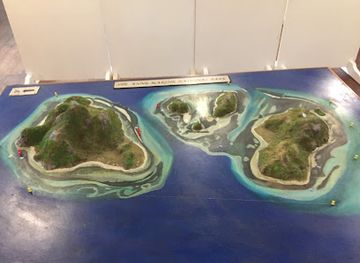
Natural History Museum
Discover the enchanting biodiversity and cultural heritage of Seychelles at the Natural History Museum, a must-visit for every traveler.
-
Tourist attraction
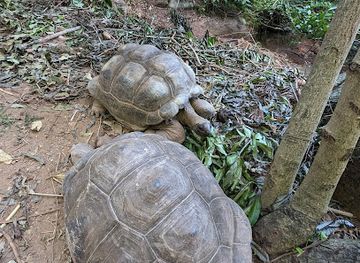
THE GIANT TORTOISES OF THE SEYCHELLES
Explore the serene sanctuary of the Giant Tortoises of the Seychelles, where nature and conservation unite in a breathtaking experience.
-
Mountain peak
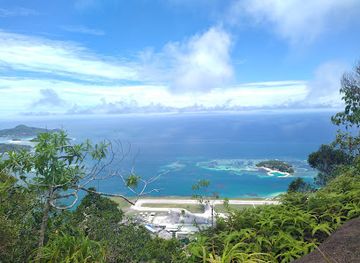
Mount Sebert
Discover the breathtaking vistas and rich biodiversity at Mount Sebert, a must-visit peak in Seychelles for nature lovers and adventure seekers.
Best landmarks in Cerf Island
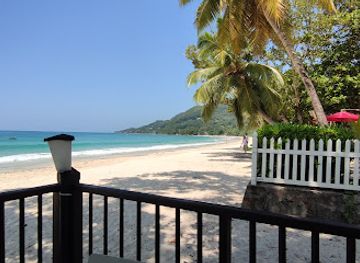
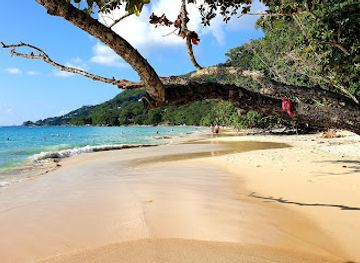
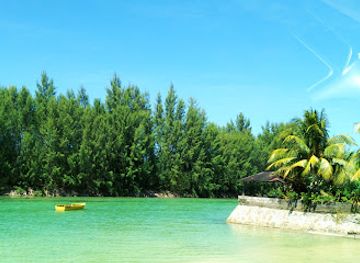
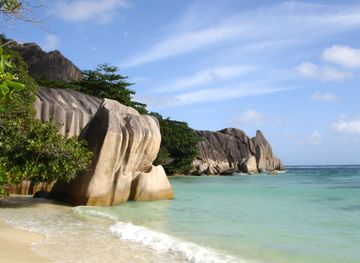
Cerf Island's principal landmarks are geographical and maritime rather than grand built monuments. Its granite shoreline, small coves and forested ridges express the characteristic landscape of the inner Seychelles, where weathered rock meets dense tropical vegetation and shallow blue water. The most significant setting is Sainte Anne Marine National Park, the protected sea surrounding Cerf and neighbouring islands; its conservation history gives the island importance beyond its modest size. Views towards Sainte Anne, Moyenne, Long and Round islands help visitors understand the close-knit geography of the park, although those islands are separate destinations. Jetties and beach approaches are practical points of arrival rather than historic monuments, and the island has no cathedral, fortress or colonial town centre comparable with sites on Mahé. Its visual identity lies in the contrast between quiet forest paths, pale beaches, rounded granite forms and open marine horizons. Visitors should treat the coast as a living environment, keeping clear of coral and avoiding the removal of shells, rocks or plants.
-
Hotel
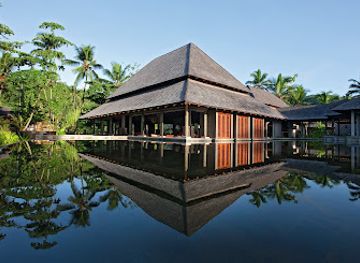
Constance Ephelia Mahe Seychelles
Experience the pinnacle of luxury and adventure at Constance Ephelia, a breathtaking resort in Mahe Seychelles, where nature meets indulgence.
-
Hotel
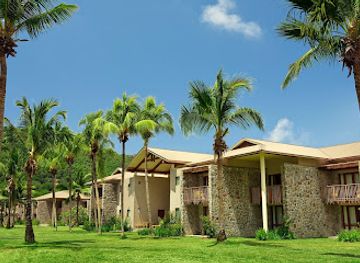
Kempinski Seychelles Resort
Discover unparalleled luxury and breathtaking beauty at Kempinski Seychelles Resort, your ideal destination for relaxation and adventure in the Seychelles.
-
 Resort hotel
Savoy Seychelles Resort & Spa
Discover unparalleled luxury and breathtaking views at Savoy Seychelles Resort & Spa, a premier destination on Beau Vallon beach.
-
Market
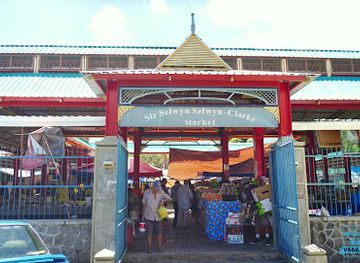
Sir Selwyn Selwyn-Clarke Market
Discover the vibrant atmosphere and local flavors of Sir Selwyn Selwyn-Clarke Market in Victoria, Seychelles - a must-see for every traveler.
Explore Cerf Island on the map
Plan your trip on one map. See where the top cities, national parks and sights are, and book hotels and experiences in a few clicks.
Best hotels in Cerf Island
Best restaurants in Cerf Island
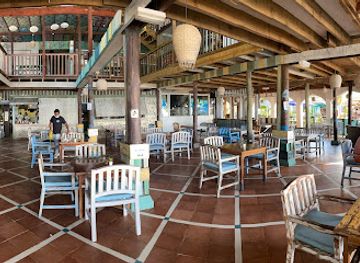
Dining on Cerf Island is generally centred on accommodation-based restaurants, small resort kitchens and pre-arranged meals rather than a broad independent restaurant scene. Menus in Seychelles commonly draw on Creole traditions that combine fish, rice, coconut, chilli, lime and spices, with grilled or curried seafood often prominent on islands close to the coast. Fresh fruit, salads and simple international dishes may supplement local cooking, while self-catering availability varies considerably between properties. Visitors should confirm meal times, dietary requirements and whether advance reservation is needed, particularly because there is no substantial restaurant district or grocery centre on Cerf. Mahé offers the wider choice, including cafés, takeaways, market produce and restaurants serving Creole food in varied settings. Bottled water and supplies are sensible to organise before a longer stay, and guests should not assume that a late meal or last-minute provisions will be available after a boat transfer.
-
Restaurant
Del Place Restaurant
Experience exquisite dining at Del Place Restaurant with breathtaking views and authentic Seychellois flavors.
-
Restaurant
The Boat House Restaurant
Experience the flavors of Seychelles at The Boat House Restaurant - where delicious cuisine meets breathtaking coastal views.
-
Indian
Mahek Restaurant
Discover the rich flavors of authentic Indian cuisine at Mahek Restaurant in Beau Vallon - where every dish tells a story.
-
Italian
La Perle Noire Restaurant
Experience authentic Italian cuisine at La Perle Noire Restaurant in Beau Vallon - where every meal is a celebration of flavor.
Best bars in Cerf Island
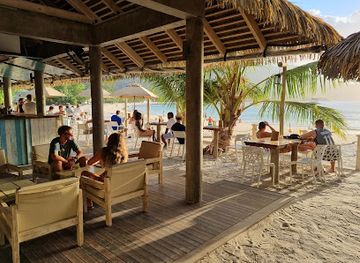
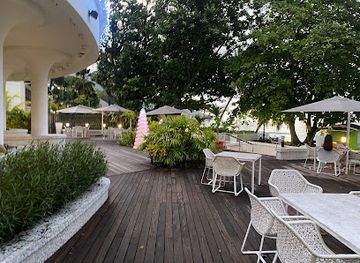
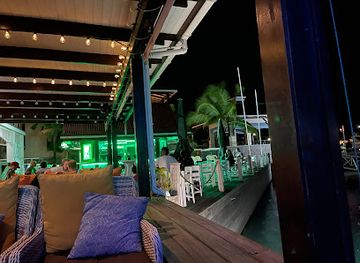
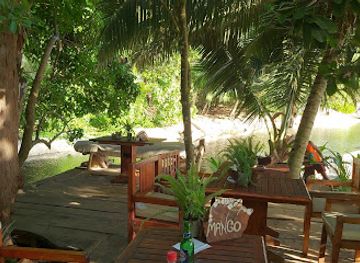
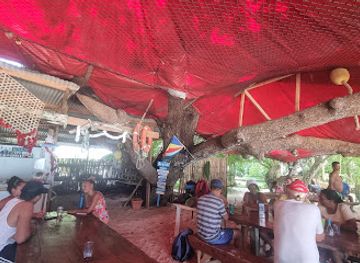
Cerf Island does not have a major nightclub district or a late-night entertainment scene. Evenings usually take place at accommodation bars, restaurants or outdoor terraces, where guests may have a drink, share a meal and watch the changing light over the marine park. Some properties offer informal music or occasional themed evenings, but arrangements are commercial and seasonal rather than a permanent island-wide programme. The atmosphere is generally quieter than in Victoria or the larger resort areas of Mahé, and boat transfers mean that spontaneous movement between islands at night is limited. Travellers looking for a broader choice of bars, live music or late venues should spend an evening on Mahé and arrange safe transport back, rather than expecting Cerf to operate as a nightlife destination. Respect for neighbouring guests and the small island setting is important after dark.
-
Grill
Beach Shak Seychelles
Savor grilled delights and tropical cocktails at Beach Shak Seychelles, a coastal gem offering stunning views and a laid-back atmosphere.
-
Bar
Gecko Bar
Experience the lively ambiance and delightful drinks at Gecko Bar in Beau Vallon, a perfect blend of relaxation and fun by the beach.
-
Bar
The Boardwalk Bar & Grill
Experience the vibrant atmosphere and delightful cuisine of The Boardwalk Bar & Grill on Eden Island, the perfect spot for relaxation and nightlife.
-
Bar
Summer Bar
Experience the lively atmosphere and refreshing drinks at Summer Bar, a perfect escape in Quatre Bornes.
Best nightclubs in Cerf Island
Cerf Island does not have a major nightclub district or a late-night entertainment scene. Evenings usually take place at accommodation bars, restaurants or outdoor terraces, where guests may have a drink, share a meal and watch the changing light over the marine park. Some properties offer informal music or occasional themed evenings, but arrangements are commercial and seasonal rather than a permanent island-wide programme. The atmosphere is generally quieter than in Victoria or the larger resort areas of Mahé, and boat transfers mean that spontaneous movement between islands at night is limited. Travellers looking for a broader choice of bars, live music or late venues should spend an evening on Mahé and arrange safe transport back, rather than expecting Cerf to operate as a nightlife destination. Respect for neighbouring guests and the small island setting is important after dark.
-
Restaurant
The Boardwalk Bar & Grill
Discover the vibrant nightlife and exquisite dining at The Boardwalk Bar & Grill on Eden Island, where culinary delights meet stunning marina views.
-
Night club
Barrel Night Club
Discover the vibrant nightlife of Victoria at Barrel Night Club, where music, dance, and cocktails come together for an unforgettable experience.
-
Disco club
Katiolo
Experience the vibrant nightlife of Victoria at Katiolo, the must-visit disco club offering electrifying music and unforgettable moments in Seychelles.
-
Bar
Beach Bar
Discover the charm of the Beach Bar in Providence – a tropical oasis for cocktails, local cuisine, and stunning ocean views.


Best shops in Cerf Island
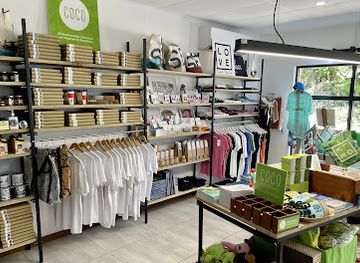
Shopping on Cerf Island is limited to the needs and small souvenirs associated with accommodation, so it is not a destination for extensive retail browsing. Visitors may find locally produced gifts, beach essentials or craft items through their resort, but choice varies and should not be assumed. Mahé is the practical place for wider shopping, with markets, independent shops, galleries and food outlets in and around Victoria, as well as everyday supplies before a boat transfer. Appropriate regional purchases include Seychellois crafts, locally made artworks, spices, tea, preserves and other shelf-stable food products, provided they are bought through legitimate sellers and can be carried safely. When visiting markets, check packaging and destination-country import rules for food, plants and animal products. Cerf's best souvenir is often a responsible marine or nature experience rather than a collected object: shells, coral, sand and native plants should remain on the island.
-
Shopping mall
Eden Plaza
Discover the vibrant shopping scene at Eden Plaza, your ultimate retail destination in Seychelles, offering local flair and international brands.
-
Grocery store
Kumar & Kumar Supermarket
Discover the flavors of Seychelles at Kumar & Kumar Supermarket, your go-to grocery store in Pointe Au Sel for local and international products.
-
Souvenir store
Koral Souvenir Boutique
Discover unique, locally crafted souvenirs at Koral Souvenir Boutique in Beau Vallon, the heart of Seychelles artistry and culture.
-
Supermarket
Kannus Supermarket
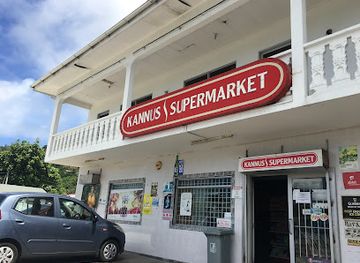
Explore the vibrant tastes of the Seychelles at Kannus Supermarket, your one-stop shop for local produce and unique culinary delights.


Get your free copy of our complete guide to Cerf Island, delivered straight to you.
Everything on this page, from attractions and restaurants to essentials and local phrases, in one PDF you can read offline, print or share.
Already have an account? Sign in
Your Cerf Island guide is ready.
We'll send it to · Not you? Sign out

Getting your guide ready…
We are putting together a fresh copy of the Cerf Island guide. This can take up to a minute.
This can take a few moments. If your browser asks, choose Allow so the download can start. You'll find the guide in your Downloads folder.
Nothing happened? Download it again
Sorry, the guide is taking longer than usual. Please try again in a minute, or get it by email instead.
Cerf Island essentials
Currency and Payment
Safety
Emergency Situations
Do's and Don'ts
Local Tips
From Eve
Local phrases worth knowing
You don't need to get them perfect. A few words go a long way, and locals appreciate the effort.
Basics
| English | Local | Say it |
|---|---|---|
| Hello | Bonzur | [bɔ̃.zur] |
| Goodbye | Orevwar | [oʁɛ.vwaʁ] |
| Yes | Wi | [wi] |
| No | Non | [nɔ̃] |
| Please/You're welcome | S'il vous plaît | [sil vu ple] |
| Thank you | Mersi | [mɛʁ.si] |
| Excuse me/Sorry | Eskize | [ɛs.kize] |
| How are you? | Kouman ou ete? | [ku.man u e.te] |
| Fine. And you? | Byen. E ou? | [bjɛ̃. e u] |
| Do you speak English? | Es ou koz Anglè? | [ɛs u koz ɑ̃ɡ.le] |
| I don't understand | Mwen pa konpran | [mɛn pa kɔ̃.pʁɑ̃] |
Eating & Drinking
| English | Local | Say it |
|---|---|---|
| I'd like to see the menu, please | Mwen ti a kontan vwar meni, sil vous plaît | [mɛn ti a kɔ̃.tɑ̃ vwaʁ me.ni, sil vu ple] |
| I don't eat meat | Mwen pa manze vyann | [mɛn pa mɑ̃.ze vjɑ̃] |
| Cheers! | Santé! | [sɑ̃.te] |
| I would like to pay, please | Mwen ti a kontan peye, sil vous plaît | [mɛn ti a kɔ̃.tɑ̃ pe.je, sil vu ple] |
Emergencies
| English | Local | Say it |
|---|---|---|
| Help! | Sove! | [sove] |
| Go away! | Ale lo! | [ale lo] |
| Call the Police! | Apel Lapolice! | [a.pe lɑ.po.lis] |
| Call a doctor! | Apel enn doktè! | [a.pe ɛn dɔk.te] |
| I'm lost | Mwen perdi | [mɛn pɛʁ.di] |
| I'm ill | Mwen malad | [mɛn ma.lad] |
Shopping
| English | Local | Say it |
|---|---|---|
| I'd like to buy... | Mwen ti a kontan achte... | [mɛn ti a kɔ̃.tɑ̃ aʃ.te] |
| I'm just looking | Mwen zis pe vwar | [mɛn zis pe vwaʁ] |
| How much is it? | Konbyen sa koute? | [kɔ̃.bjɛ̃ sa ku.te] |
| That's too expensive | Sa tro chè | [sa tʁo ʃɛ] |
| Can you lower the price? | Es ou kapav bese pri a? | [ɛs u ka.pav be.se pʁi a] |
Time & Numbers
| English | Local | Say it |
|---|---|---|
| What time is it? | Ki ler li? | [ki lɛʁ li] |
| It's one o'clock | Li enn ler | [li ɛn lɛʁ] |
| Half past (10) | Demi (10) | [də.mi (10)] |
| Morning | Maten | [ma.tɛn] |
| Afternoon | Apre-midi | [a.pʁe.mi.di] |
| Evening | Swa | [swa] |
| Yesterday | Yer | [jeʁ] |
| Today | Alaor | [a.la.ʁ] |
| Tomorrow | Demain | [də.mɛ̃] |
| 1 | En | [ɛ̃] |
| 2 | De | [de] |
| 3 | Trois | [tʁwa] |
| 4 | Katre | [ka.tʁɛ] |
| 5 | Sen | [sɛ̃] |
| 6 | Sis | [sis] |
| 7 | Set | [sɛt] |
| 8 | Huit | [ɥit] |
| 9 | Nef | [nɛf] |
| 10 | Dix | [dis] |
Transport & Directions
| English | Local | Say it |
|---|---|---|
| Where's a/the...? | Kot i trouv en...? | [kɔt i tʁu.v ɑ̃] |
| What's the address? | Ki l'adresse? | [ki la.dʁɛs] |
| Can you show me (on the map)? | Es ou kapav montre mwen (lo kat)? | [ɛs u ka.pav mɔ̃.tʁe mɛn (lo kat)] |
| When's the next (bus)? | Kan i annan prochen (buss)? | [kɑ̃ i an.nɑ̃ pʁo.ʃɛ̃ (bys)] |
| A ticket (to ....) | En tiké (pou ....) | [ɛ̃ ti.ke (pu)] |
History of Cerf Island
Early Indian Ocean Navigation
Cerf Island forms part of an archipelago encountered through the wider trading and navigational networks of the western Indian Ocean. Sailors, fishers and voyagers knew the Seychelles islands before permanent European settlement, although the small island has no well-documented indigenous urban or monumental tradition. Its sheltered surroundings, freshwater limitations and proximity to Mahé help explain why Cerf remained a lightly settled place compared with larger islands. The surviving historical record becomes clearer during the period of French exploration and colonial administration in the eighteenth century.
French Exploration and Settlement in Seychelles
French expeditions charted the Seychelles in the eighteenth century, and France established a permanent settlement on Mahé in 1770. Cerf Island belongs to this same historical landscape of navigation, plantation development and maritime supply. The island's name is generally associated with the French vessel Le Cerf, although the broader documentation of its early use is limited. French administration introduced new political and economic structures across the archipelago, while Mahé became the principal centre of settlement and trade.
Plantation-Era Island Economy
During the French and later British periods, Seychelles developed an economy based on plantation agriculture, maritime trade and the movement of labour between islands. Mahé carried most of the population and commercial activity, while smaller islands were used in more limited ways for cultivation, fishing, transport or temporary occupation. Cerf did not develop a major colonial town or an extensive industrial landscape. Its present-day character, with vegetation and small-scale accommodation rather than a historic street plan, reflects this relatively modest level of permanent development.
British Administration and Modern Seychelles
Seychelles became a British colony after the Napoleonic Wars and remained under British rule until independence in 1976. During this period Victoria and the populated districts of Mahé expanded as ports, administrative centres and gateways to the outer islands. Improvements in shipping, aviation and public services gradually made smaller islands more accessible, but Cerf retained a low-density character. The political transition to the independent Republic of Seychelles placed the island within a national tourism economy increasingly focused on carefully managed coastal and marine environments.
Creation of Sainte Anne Marine National Park
Sainte Anne Marine National Park was established in 1973 around the islands and waters near Mahé, making it one of the early protected marine areas in the western Indian Ocean. Cerf lies within this conservation setting, whose purpose is to protect coral reefs, seagrass areas, marine animals and coastal habitats while allowing regulated recreation. The park changed the meaning of the surrounding sea: it became not only a route for boats and a source of food, but also an area requiring managed access, conservation awareness and responsible tourism.
Tourism and Conservation on a Small Island
From the late twentieth century onwards, Cerf developed as a small-scale tourism destination offering accommodation close to beaches and marine activities rather than large resorts or an urban entertainment scene. Tourism brought improved visitor access and services, while also increasing the importance of protecting beaches, vegetation, reefs and freshwater resources. Today the island's identity is shaped by this balance. Visitors come for its proximity to Mahé and the marine park, but the limited land area means that development, waste management and respectful use of coastal environments remain especially significant.
Cerf Island in Photos
Browse through our photo collection highlighting the charm and character of the destination.
Neighbouring regions of Cerf Island
The closest regions to Cerf Island, if you have time for more than one.
-

-

-

-

-


Swipe for more regions
Explore more
Explore more of Seychelles
Discover the enchanting islands of Seychelles, where stunning beaches, vibrant wildlife, and rich Creole culture come together for an unforgettable tropical escape.
Explore Seychelles