

Free Bukit Timah Travel Guide & Mobile App
Plan your Bukit Timah trip with Evendo. Get free guides to top attractions, restaurants, hotels, and bars. Web access or download the mobile app.


Bukit Timah, Singapore: explore rainforest trails, historic railway relics, local food, conservation stories and leafy neighbourhood life beyond the city centre.
Rainforest and Residential Singapore
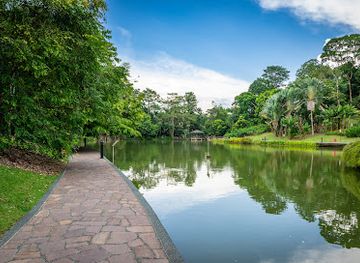
Bukit Timah occupies a distinctive position in central Singapore, where a forested granite hill rises above established residential neighbourhoods, schools, cafés and shopping centres. Its defining landscape is Bukit Timah Nature Reserve, one of the island’s most important surviving fragments of primary rainforest and home to a remarkable variety of trees, insects, birds and mammals. Paths climb through dense greenery towards Bukit Timah Hill, Singapore’s highest natural point, while the nearby Hindhede Nature Park offers a gentler setting for woodland walks and family outings.Read more about Bukit Timah
History Along the Railway Corridor
Local Life and Green Connections
When is the best time to visit Bukit Timah?
Best: June–August · 31°C| Month | High (°C) | Rainfall (mm) |
|---|---|---|
| January | 31 | 279 |
| February | 31 | 195 |
| March | 31 | 206 |
| April | 32 | 204 |
| May | 32 | 204 |
| June (best) | 31 | 158 |
| July (best) | 31 | 145 |
| August (best) | 31 | 163 |
| September | 31 | 170 |
| October | 31 | 296 |
| November | 30 | 323 |
| December | 30 | 376 |
Getting to and around Bukit Timah
How to get there
Transportation
Best attractions in Bukit Timah
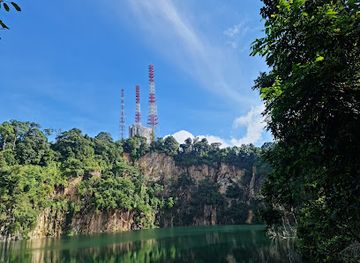
Bukit Timah’s principal attractions are its green spaces and heritage routes rather than a dense cluster of museums. Bukit Timah Nature Reserve offers rainforest trails leading towards Singapore’s highest natural point, with the surrounding vegetation giving a sense of the island before large-scale urban development. Beside it, Hindhede Nature Park follows the edge of a former granite quarry and provides a quieter walk through secondary forest. Rifle Range Nature Park adds restored habitats, boardwalks and lookout points near the reserve. The Rail Corridor brings a different perspective, turning the former railway alignment into a long recreational route through changing landscapes, while Bukit Timah Railway Station preserves a small but evocative piece of Singapore’s transport history. The Former Ford Factory, on Upper Bukit Timah Road, presents the wartime history of the 1942 surrender through archival interpretation. Together, these places make Bukit Timah particularly rewarding for visitors interested in ecology, walking and the physical traces of Singapore’s past.
-
Botanical garden
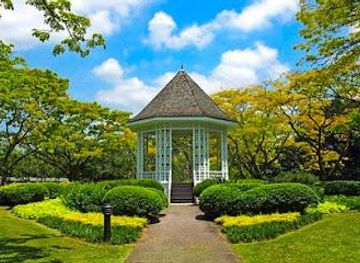
Singapore Botanic Gardens
Experience the lush beauty and rich biodiversity of Singapore Botanic Gardens, a UNESCO World Heritage site perfect for nature lovers and leisurely strolls.
20 min drive · 6.7 km from city centre
-
Science museum
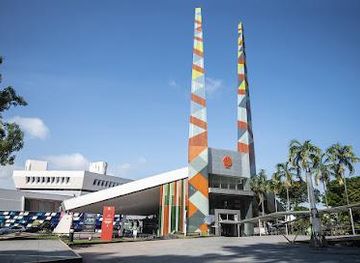
Science Centre Singapore
Discover the interactive world of science at Science Centre Singapore, a family-friendly attraction that sparks curiosity and ignites passion for learning.
8 min drive · 2.7 km from city centre
-
Park
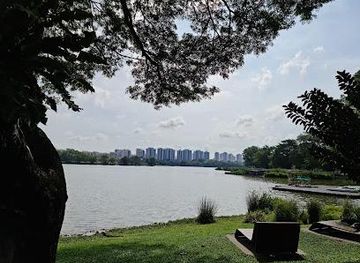
Jurong Lake Gardens
Discover the lush landscapes and serene waters of Jurong Lake Gardens, a must-visit park for nature lovers and families in Singapore.
11 min drive · 3.8 km from city centre
-
Tourist attraction
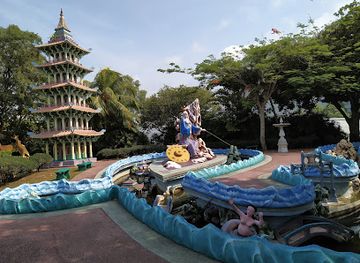
Haw Par Villa
Explore the enchanting world of Asian mythology at Haw Par Villa, Singapore's unique theme park filled with vibrant sculptures and rich cultural narratives.
15 min drive · 5.0 km from city centre
Best landmarks in Bukit Timah
Bukit Timah’s landmarks express the district’s natural, transport and wartime importance. Bukit Timah Hill, rising to about 164 metres, is Singapore’s highest natural point and a prominent geographical marker within the island’s urban landscape. Bukit Timah Railway Station, a conserved former station building on the Rail Corridor, represents the railway’s historic connection between Singapore and the Malay Peninsula. The Former Ford Factory on Upper Bukit Timah Road is more solemn in character: its association with the British surrender on 15 February 1942 gives the building a central place in Singapore’s Second World War memory. Hindhede Quarry, now seen from Hindhede Nature Park, records the area’s granite-extraction past, while the Rail Corridor itself commemorates an infrastructure route whose tracks have disappeared but whose alignment remains legible. These landmarks are modest in scale, yet together they reveal how forest, geology, transport and conflict shaped Bukit Timah.
-
Botanical garden
Singapore Botanic Gardens
Explore the Singapore Botanic Gardens, a UNESCO World Heritage site, featuring stunning flora and tranquil landscapes in the heart of Singapore.
20 min drive · 6.7 km from city centre
-
Nature preserve
Bukit Timah Nature Reserve
Discover the serene beauty of Bukit Timah Nature Reserve, Singapore's lush rainforest with diverse wildlife and scenic hiking trails.
12 min drive · 3.9 km from city centre
-
Hawker center
Bukit Timah Market & Food Centre
Explore the culinary richness of Singapore at Bukit Timah Market & Food Centre, where local flavors meet vibrant hawker culture.
9 min drive · 3.0 km from city centre
-
Shopping mall
The Rail Mall
Discover The Rail Mall in Bukit Panjang, Singapore - a vibrant shopping destination offering unique stores, delightful dining, and a serene atmosphere.
13 min drive · 4.4 km from city centre
Explore Bukit Timah on the map
Plan your Bukit Timah trip on one map. See where the top attractions, landmarks, restaurants, bars and hotels are, find what's near where you're staying, and book hotels and experiences in a few clicks.
Best hotels in Bukit Timah
Best restaurants in Bukit Timah
Bukit Timah’s food scene is rooted in everyday Singaporean dining, with hawker centres, coffee shops, mall eateries and independent cafés spread along the main road and around Beauty World. Local staples such as chicken rice, laksa, fishball noodles, roti prata and nasi lemak appear alongside Chinese, Malay, Indian and broader Southeast Asian cooking, reflecting Singapore’s multicultural food traditions. Beauty World Centre and the surrounding commercial area are useful places to encounter informal meals, while Bukit Timah Plaza and neighbouring shopping centres add air-conditioned restaurants and cafés. The district’s affluent residential character has also encouraged a selection of contemporary cafés, bakeries and sit-down restaurants, but the most characteristic experiences remain casual: ordering at a busy stall, sharing a table and adapting to the pace of a neighbourhood food centre. Menus and payment methods vary between vendors, so a little flexibility is part of eating locally.
-
Indian
Al-Azhar Restaurant
Experience the vibrant flavors of India at Al-Azhar Restaurant in Singapore's Bukit Timah – where every dish tells a story.
10 min drive · 3.3 km from city centre
-
Hawker center
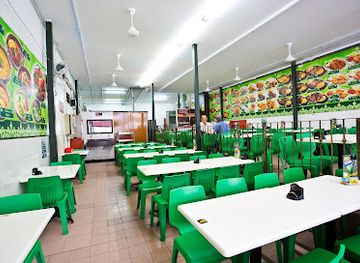
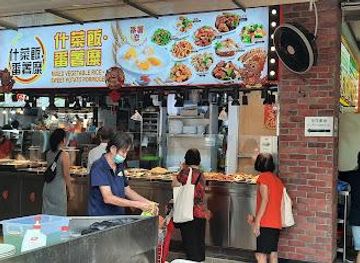
Bukit Panjang Hawker Centre & Market
Singapore's neighborhood hawker gem: steaming Lor Mee, tender pork knuckles, fluffy pau, and silky puddings under $5 in Bukit Panjang's vibrant food heart.
20 min drive · 6.6 km from city centre
-
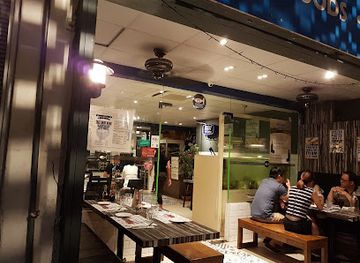
Seafood
Greenwood Fish Market @Bukit Timah
Experience top-tier seafood delicacies in Bukit Timah at Greenwood Fish Market—where freshness meets culinary excellence.
17 min drive · 5.7 km from city centre
-
American
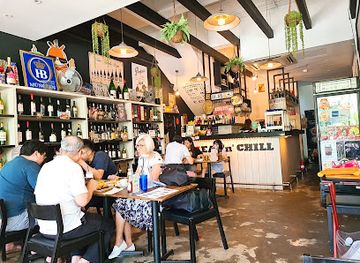
Meat n' Chill • Steak n' Ribs Restaurant
Experience American culinary delights at Meat n' Chill - where every meal is a celebration of flavor and quality.
13 min drive · 4.5 km from city centre
Best bars in Bukit Timah
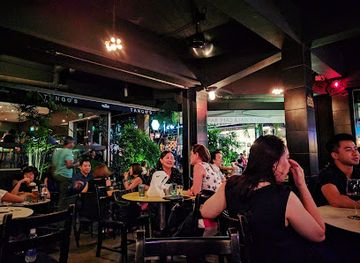
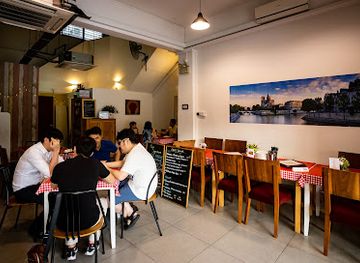
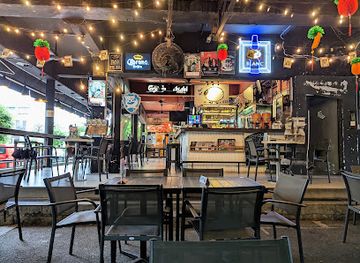
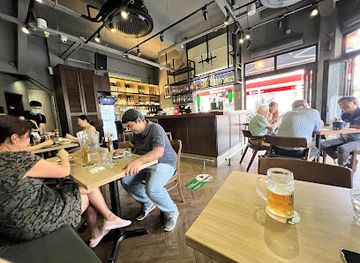
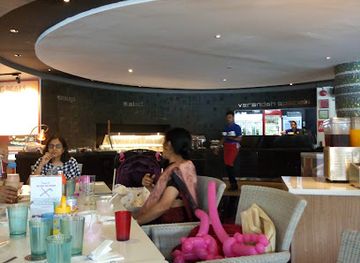
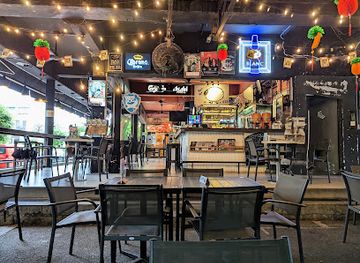
Bukit Timah is not Singapore’s principal nightlife district, and evenings here tend to be social and neighbourhood-based rather than centred on large clubs. Around Beauty World and the commercial stretches of Upper Bukit Timah Road, visitors find cafés, casual restaurants and modest bars suited to conversation after a day outdoors. Some establishments offer beer, cocktails or wine alongside food, while the wider district’s shopping-centre eateries provide a quieter alternative to the late-night entertainment areas around Clarke Quay, Boat Quay and Orchard Road. The Rail Corridor and nature reserves are not after-dark leisure venues, and trail access, lighting and conservation rules should be respected. Travellers seeking a broader choice of live music, sophisticated cocktail bars or nightclubs can reach central Singapore by MRT or taxi, returning to Bukit Timah’s more residential atmosphere afterwards.
-
Bar
Wala Wala Cafe Bar
Discover the vibrant Wala Wala Cafe Bar in Holland Village, Singapore, where delicious food meets a lively atmosphere and unforgettable live music.
13 min drive · 4.3 km from city centre
-
Restaurant
Micasa Kitchen & Bar
Savor the best of grilled meats, pasta, and wines at Micasa Kitchen & Bar, an unforgettable dining experience in Singapore.
9 min drive · 2.9 km from city centre
-
Gastropub
Bar Bar Black Sheep @ Cherry Ave
Experience the vibrant flavors of Indian cuisine at Bar Bar Black Sheep, a gastropub in Bukit Timah that blends culinary excellence with lively ambiance.
12 min drive · 4.1 km from city centre
-
Bar
Harry's Holland Village
Experience the lively atmosphere and diverse menu at Harry's Holland Village, a premier bar and restaurant in Singapore's vibrant dining scene.
13 min drive · 4.4 km from city centre
Best nightclubs in Bukit Timah
Bukit Timah is not Singapore’s principal nightlife district, and evenings here tend to be social and neighbourhood-based rather than centred on large clubs. Around Beauty World and the commercial stretches of Upper Bukit Timah Road, visitors find cafés, casual restaurants and modest bars suited to conversation after a day outdoors. Some establishments offer beer, cocktails or wine alongside food, while the wider district’s shopping-centre eateries provide a quieter alternative to the late-night entertainment areas around Clarke Quay, Boat Quay and Orchard Road. The Rail Corridor and nature reserves are not after-dark leisure venues, and trail access, lighting and conservation rules should be respected. Travellers seeking a broader choice of live music, sophisticated cocktail bars or nightclubs can reach central Singapore by MRT or taxi, returning to Bukit Timah’s more residential atmosphere afterwards.
-
Social club
The British Club
Experience the charm of The British Club in Bukit Timah, where recreation, relaxation, and social engagement await every visitor.
15 min drive · 4.9 km from city centre
-
Gastropub
Bar Bar Black Sheep @ Cherry Ave
Experience the fusion of Indian flavors and pub classics at Bar Bar Black Sheep, the go-to gastropub in Bukit Timah, Singapore.
12 min drive · 4.1 km from city centre
-
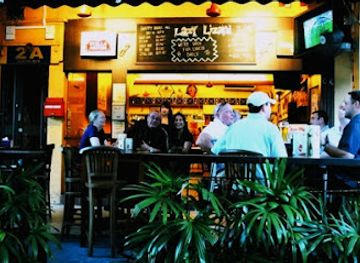
Bar
Lazy Lizard - Sixth Avenue
Discover the lively fusion of American and English flavors at Lazy Lizard - Sixth Avenue, a must-visit bar and restaurant in Bukit Timah, Singapore.
13 min drive · 4.5 km from city centre
-
Lounge
V Lounge
Experience the chic ambiance and expertly crafted cocktails at V Lounge, a top nightlife destination in Bukit Timah, Singapore.
13 min drive · 4.4 km from city centre
Best shops in Bukit Timah
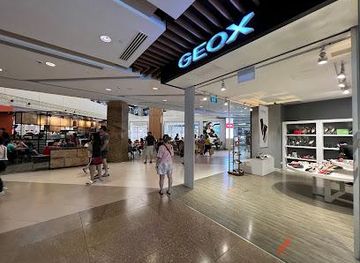
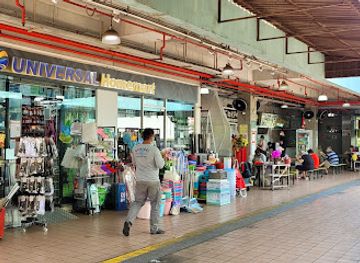
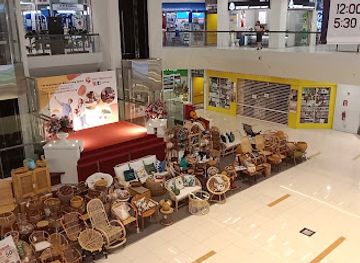
Shopping in Bukit Timah is local and practical, centred on established suburban malls, small businesses and food-oriented retail rather than a single grand shopping avenue. Beauty World Centre has long been associated with everyday shops, tuition centres, services and plentiful casual food, while Bukit Timah Plaza and King Albert Park offer supermarkets, cafés, restaurants and convenience retail. Around these commercial nodes, independent businesses serve nearby residents, and visitors may find Singaporean snacks, packaged foods, tea, household goods and modest souvenirs without the polished luxury focus of Orchard Road. The district’s most distinctive purchases are often edible or useful rather than elaborate crafts: local biscuits, sauces, coffee products and hawker-centre specialities can travel well when properly packed. For international designer labels and major department stores, central Singapore provides a much broader selection, but Bukit Timah’s shops offer a clearer view of ordinary neighbourhood consumption.
-
Shopping mall
IMM Building
Explore IMM Building in Jurong East, Singapore's largest outlet mall with incredible discounts on top brands and diverse dining options.
6 min drive · 2.0 km from city centre
-
Shopping mall
Beauty World Centre
Experience the vibrant shopping and dining scene at Beauty World Centre, a must-visit destination in Bukit Timah, Singapore.
10 min drive · 3.3 km from city centre
-
Electronics store
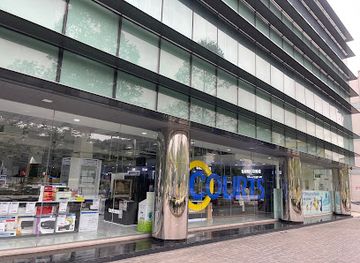
COURTS Bukit Timah
Discover the ultimate shopping experience at COURTS Bukit Timah, where electronics, furniture, and comfort converge in Singapore's vibrant Bukit Timah district.
10 min drive · 3.4 km from city centre
-
Shopping mall
Bukit Timah Plaza
Explore Bukit Timah Plaza: A shopping paradise in Singapore offering diverse stores, delicious dining, and family-friendly activities.
10 min drive · 3.2 km from city centre
Get your free copy of our complete guide to Bukit Timah, delivered straight to you.
Everything on this page, from attractions and restaurants to essentials and local phrases, in one PDF you can read offline, print or share.
Already have an account? Sign in
Your Bukit Timah guide is ready.
We'll send it to · Not you? Sign out

Getting your guide ready…
We are putting together a fresh copy of the Bukit Timah guide. This can take up to a minute.
This can take a few moments. If your browser asks, choose Allow so the download can start. You'll find the guide in your Downloads folder.
Nothing happened? Download it again
Sorry, the guide is taking longer than usual. Please try again in a minute, or get it by email instead.
Bukit Timah essentials
Currency and Payment
Safety
Emergency Situations
Do's and Don'ts
Local Tips
From Eve
Local phrases worth knowing
You don't need to get them perfect. A few words go a long way, and locals appreciate the effort.
Basics
| English | Local | Say it |
|---|---|---|
| Hello | 你好 | [ni hao] |
| Goodbye | 再见 | [zai jian] |
| Yes | 是的 | [shi de] |
| No | 不 | [bu] |
| Please/You're welcome | 请 | [qing] |
| Thank you | 谢谢 | [xie xie] |
| Excuse me/Sorry | 对不起 | [dui bu qi] |
| How are you? | 你好吗? | [ni hao ma?] |
| Fine. And you? | 很好。你呢? | [hen hao. ni ne?] |
| Do you speak English? | 你会说英语吗? | [ni hui shuo ying yu ma?] |
| I don't understand | 我不明白 | [wo bu ming bai] |
Eating & Drinking
| English | Local | Say it |
|---|---|---|
| I'd like to see the menu, please | 请给我看菜单 | [qing gei wo kan cai dan] |
| I don't eat meat | 我不吃肉 | [wo bu chi rou] |
| Cheers! | 干杯! | [gan bei!] |
| I would like to pay, please | 请付款 | [qing fu kuan] |
Emergencies
| English | Local | Say it |
|---|---|---|
| Help! | 救命! | [jiu ming!] |
| Go away! | 走开! | [zou kai!] |
| Call the Police! | 叫警察! | [jiao jing cha!] |
| Call a doctor! | 叫医生! | [jiao yi sheng!] |
| I'm lost | 我迷路了 | [wo mi lu le] |
| I'm ill | 我生病了 | [wo sheng bing le] |
Shopping
| English | Local | Say it |
|---|---|---|
| I'd like to buy... | 我想要买... | [wo xiang yao mai...] |
| I'm just looking | 我只是看看 | [wo zhi shi kan kan] |
| How much is it? | 多少钱? | [duo shao qian?] |
| That's too expensive | 那太贵了 | [na tai gui le] |
| Can you lower the price? | 你能降价吗? | [ni neng jiang jia ma?] |
Time & Numbers
| English | Local | Say it |
|---|---|---|
| What time is it? | 现在几点了? | [xian zai ji dian le?] |
| It's one o'clock | 现在是一点 | [xian zai shi yi dian] |
| Half past (10) | 十点半 | [shi dian ban] |
| Morning | 早上 | [zao shang] |
| Afternoon | 下午 | [xia wu] |
| Evening | 晚上 | [wan shang] |
| Yesterday | 昨天 | [zuo tian] |
| Today | 今天 | [jin tian] |
| Tomorrow | 明天 | [ming tian] |
| 1 | 一 | [yi] |
| 2 | 二 | [er] |
| 3 | 三 | [san] |
| 4 | 四 | [si] |
| 5 | 五 | [wu] |
| 6 | 六 | [liu] |
| 7 | 七 | [qi] |
| 8 | 八 | [ba] |
| 9 | 九 | [jiu] |
| 10 | 十 | [shi] |
Transport & Directions
| English | Local | Say it |
|---|---|---|
| Where's a/the...? | ...在哪里? | [...zai na li?] |
| What's the address? | 地址是什么? | [di zhi shi shen me?] |
| Can you show me (on the map)? | 你可以给我看地图吗? | [ni ke yi gei wo kan di tu ma?] |
| When's the next (bus)? | 下一班车什么时候? | [xia yi ban che shen me shi hou?] |
| A ticket (to ....) | 一张票(到...) | [yi zhang piao (dao ...)] |
History of Bukit Timah
A Hill in Singapore’s Interior
Bukit Timah takes its name from the Malay words bukit, meaning hill, and timah, commonly translated as tin, although the precise historical explanation of the name is not certain. The hill formed part of Singapore’s forested interior rather than its early waterfront settlement, and its height and inland position later gave it practical significance for mapping, roads and communications. The surrounding landscape once contained more extensive rainforest and wetland than survives today. As Singapore developed, the hill and its slopes became increasingly valuable as a source of granite, a natural landmark and a green reserve within a rapidly urbanising island.
Roads, Plantations and Granite
During the nineteenth century, roads extended into the interior and plantations occupied parts of the Bukit Timah area. The route towards the hill became an important northward connection, while agriculture and later quarrying altered the surrounding terrain. Granite extraction left visible evidence in features such as the former Hindhede Quarry, now incorporated into Hindhede Nature Park. Bukit Timah’s landscape therefore reflects both natural geology and the resource demands of colonial Singapore. The remaining forest gained increasing importance as development spread, helping to preserve a fragment of the island’s original ecological character.
Railway Links with Malaya
The railway through Bukit Timah connected Singapore with the Malay Peninsula and transformed movement across the island. The Singapore-Kranji railway opened in stages during the nineteenth century, while the later railway route north became part of the network linking Singapore to Malaya. Bukit Timah Railway Station served passengers and goods before railway operations in Singapore ended in 2011. The conserved station building and the Rail Corridor now preserve the memory of a route that carried commuters, traders and agricultural produce, while also illustrating Singapore’s former physical and economic links with the peninsula.
The 1942 Battle for Singapore
Bukit Timah became a crucial area during the Japanese invasion of Singapore in February 1942. Japanese forces advanced southwards through the island’s western and central approaches, and the high ground around Bukit Timah was strategically important because it contained roads, railway infrastructure, reservoirs and supply points. The Former Ford Factory on Upper Bukit Timah Road was the site where British Lieutenant-General Arthur Percival formally surrendered to General Tomoyuki Yamashita on 15 February 1942. The building is now a National Archives of Singapore heritage site interpreting the occupation and its human consequences.
Conservation Amid Urban Growth
After the Second World War, Singapore’s population growth and housing expansion brought roads, estates, schools and commercial centres into the wider Bukit Timah area. At the same time, the ecological value of its remaining forest became more clearly recognised. Bukit Timah Nature Reserve was gazetted in 1951, strengthening protection for one of Singapore’s last substantial areas of primary rainforest. Later conservation of the Rail Corridor and Bukit Timah Railway Station added industrial and transport heritage to the district’s protected landscape. Contemporary Bukit Timah is consequently shaped by an ongoing balance between urban use, historical memory and environmental stewardship.
Bukit Timah in Photos
Browse through our photo collection highlighting the charm and character of the destination.
Cities near Bukit Timah
The closest cities to Bukit Timah, if you have time for more than one stop.
-

-

-

-

-


Swipe for more cities
Explore more

Explore more of Singapore
Explore Singapore: A vibrant city-state where modernity meets tradition, offering world-class cuisine, stunning gardens, and unique cultural experiences.
Explore Singapore