

Free Woodlands Travel Guide & Mobile App
Plan your Woodlands trip with Evendo. Get free guides to top attractions, restaurants, hotels, and bars. Web access or download the mobile app.


Woodlands, Singapore blends northern waterfront parks, heritage railway traces, hawker food and easy access to the Causeway, Johor Bahru and nature.
A Northern Urban Landscape
Woodlands occupies Singapore’s northern edge, facing the Johor Strait and the Malaysian city of Johor Bahru beyond it. Best known internationally for the busy land crossing at the Causeway, the district has a character that extends well beyond border traffic. High-rise residential neighbourhoods, mature trees, schools, industrial estates and shopping centres form the everyday setting, while parks and waterfront promenades offer open views across the strait. The district is practical rather than theatrical, rewarding visitors who enjoy seeing how Singapore’s residential life, transport infrastructure and cross-border connections fit together.Read more about Woodlands
Parks, Heritage and Local Life
Gateway to the North
When is the best time to visit Woodlands?
Best: June–August · 30°C| Month | High (°C) | Rainfall (mm) |
|---|---|---|
| January | 30 | 300 |
| February | 30 | 250 |
| March | 31 | 200 |
| April | 31 | 150 |
| May | 30 | 150 |
| June (best) | 30 | 150 |
| July (best) | 30 | 150 |
| August (best) | 30 | 150 |
| September | 30 | 150 |
| October | 30 | 150 |
| November | 30 | 200 |
| December | 30 | 250 |
Getting to and around Woodlands
How to get there
Transportation
Best attractions in Woodlands
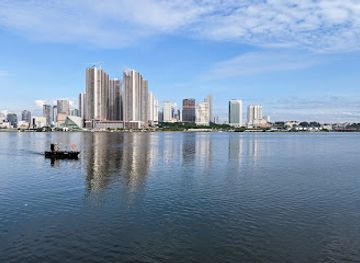
Woodlands Waterfront Park is the district’s defining public space, with a long promenade, open lawns, recreational facilities and views across the Johor Strait towards Malaysia. For a greener inland walk, Admiralty Park combines woodland paths, gardens and open recreational areas, while Marsiling Park offers ponds, landscaped spaces and community facilities around the residential estates. The former Woodlands Railway Station, or Woodlands Train Checkpoint, provides a tangible connection with Singapore’s railway past, although visitors should follow access restrictions around the preserved structure and active transport areas. Sections of the Rail Corridor offer another way to encounter the old railway alignment, with vegetation and neighbourhood views replacing the former tracks. Causeway Point adds a distinctly urban attraction through its shops, food outlets and direct connection with Woodlands MRT station, while nearby hawker centres reveal the everyday life of one of Singapore’s major northern towns.
-
Tourist attraction
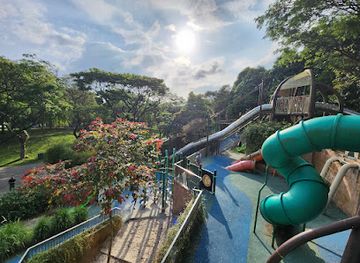
Admiralty Park
Explore the beauty of Admiralty Park, a family-friendly destination in Singapore filled with unique playgrounds, scenic paths, and lush greenery.
16 min walk · 1.3 km from city centre
-
Tourist attraction
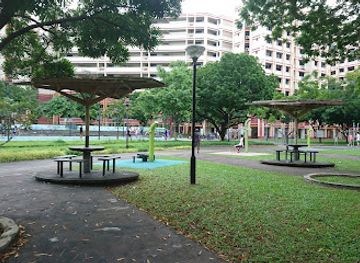
Marsiling Park
Discover the beauty of nature at Marsiling Park, a serene escape in Singapore's Woodlands with lush greenery and tranquil lakes perfect for relaxation.
6 min drive · 1.9 km from city centre
-
Tourist attraction
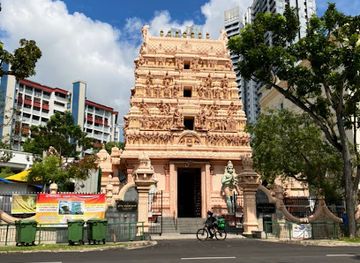
Sri Siva Krishna Temple
Experience the spiritual serenity and vibrant culture of Sri Siva Krishna Temple, a stunning Hindu temple in the heart of Singapore's Woodlands.
11 min walk · 0.9 km from city centre
-
Tourist attraction
Mandai Tekong Park
Explore Mandai Tekong Park – a tranquil escape in Woodlands, where nature meets relaxation amidst lush landscapes.
11 min walk · 0.9 km from city centre

Best landmarks in Woodlands
The Causeway is Woodlands’ most consequential landmark, linking Singapore physically and historically with Johor across the Johor Strait; its checkpoint areas are working border facilities rather than ordinary sightseeing viewpoints. Woodlands Train Checkpoint, the former Woodlands Railway Station, represents the era when railway services connected Singapore with the Malayan network and remains an important surviving element of the district’s transport heritage. The Rail Corridor preserves the wider memory of that railway alignment as it passes through changing urban landscapes. Woodlands Waterfront Park is a modern civic landmark whose shoreline promenade frames views towards Malaysia and expresses the district’s role as Singapore’s northern edge. Woodlands MRT station, with its interchange function and prominent transport position, is another contemporary marker of the town’s development from a rural area into a major residential and cross-border gateway.
-
Restaurant
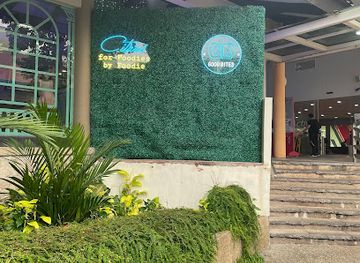
Citrus By The Pool
Discover Citrus By The Pool, the ultimate dining experience in Woodlands, Singapore, where delicious halal cuisine meets a beautiful poolside setting.
10 min walk · 0.8 km from city centre
-
Shopping mall
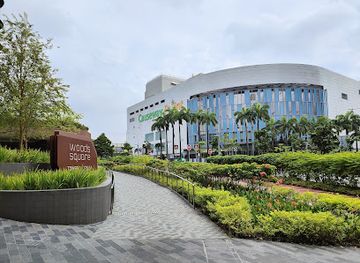
Causeway Point
Explore Causeway Point, Singapore's premier shopping destination in Woodlands, filled with diverse retail, dining, and entertainment options for everyone.
1 min walk · 0.1 km from city centre
-
Park
Admiralty Park
Experience nature's tranquility at Admiralty Park, Singapore's picturesque haven with unique playgrounds and scenic views.
16 min walk · 1.3 km from city centre
-
Hawker center
Kampung Admiralty Hawker Centre
Experience the vibrant flavors and communal spirit of Kampung Admiralty Hawker Centre, where Singaporean culinary heritage comes alive.
5 min drive · 1.6 km from city centre
Explore Woodlands on the map
Plan your Woodlands trip on one map. See where the top attractions, landmarks, restaurants, bars and hotels are, find what's near where you're staying, and book hotels and experiences in a few clicks.
Best hotels in Woodlands
Best restaurants in Woodlands
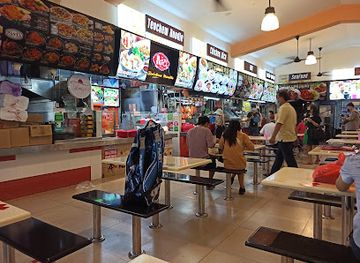
Woodlands’ dining scene reflects Singapore’s multicultural food traditions and the practical rhythms of a large residential town. Hawker centres and coffee shops around Marsiling and Woodlands serve familiar local dishes such as chicken rice, laksa, nasi lemak, char kway teow, roti prata and fishball noodles, alongside drinks including kopi and teh. Marsiling Mall Hawker Centre is a useful setting for affordable, informal meals, while Causeway Point and surrounding commercial blocks provide air-conditioned restaurants, bakeries, fast food and cafés. Indian, Malay, Chinese and modern Singaporean influences appear across the district rather than being confined to one celebrated dining street. The proximity of Johor Bahru adds a cross-border dimension to local eating habits, although visitors should distinguish Malaysian eateries across the Causeway from restaurants located in Woodlands itself.
-
Restaurant
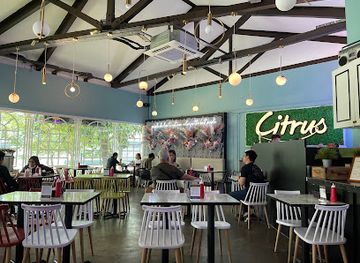
Citrus By The Pool
Discover Citrus By The Pool - A Halal-friendly culinary oasis offering delightful Western cuisine amidst serene poolside views.
10 min walk · 0.8 km from city centre
-
Japanese
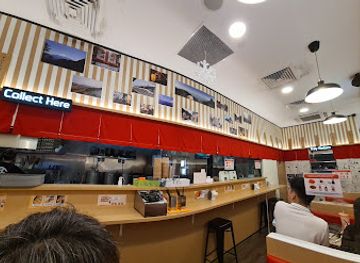
Takagi Ramen @ Woodlands
Discover the authentic taste of Japan at Takagi Ramen in Woodlands - where every bowl is crafted with passion and tradition.
2 min walk · 0.2 km from city centre
-
Restaurant
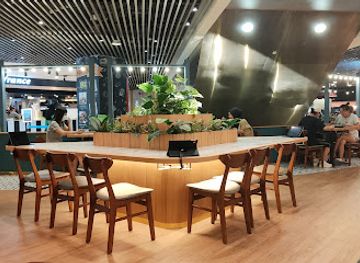
Poulet - Causeway Point
Experience authentic French cuisine at Poulet in Causeway Point—savor exquisite roasted chicken and delightful sides in a cozy setting.
2 min walk · 0.1 km from city centre
-
Restaurant
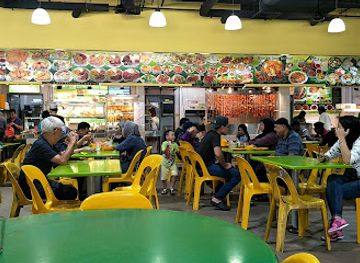
Al-Ameen Eating Corner
Experience authentic Singaporean breakfast at Al-Ameen Eating Corner - where delicious flavors meet warm hospitality.
6 min walk · 0.5 km from city centre
Best bars in Woodlands
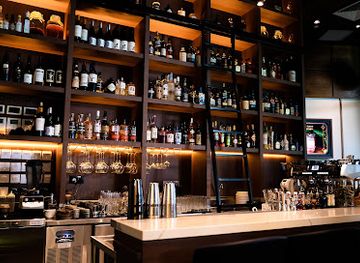
Woodlands is not one of Singapore’s principal nightlife districts, and its evenings are shaped more by neighbourhood dining, late shopping and outdoor recreation than by clubs. Causeway Point and nearby commercial areas provide casual restaurants, cafés and everyday entertainment, while coffee shops in the housing estates remain important social spaces after work. The waterfront can be peaceful in the evening, although visitors should use lit routes and observe park regulations rather than expecting a late-night promenade scene. For cocktails, live music, theatres and larger clubs, Singapore’s central districts offer a considerably wider choice and can be reached by MRT. Woodlands’ night-time appeal lies in its local residential atmosphere, cross-border activity and relaxed food-centred social life rather than a concentrated bar strip.
-
Restaurant
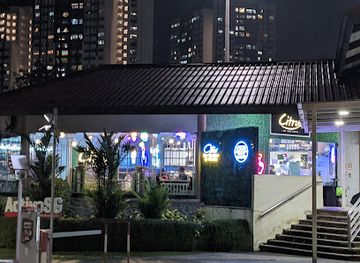
Citrus By The Pool
Experience a unique poolside dining adventure at Citrus By The Pool, featuring diverse Western cuisine, desserts, and a vibrant, refreshing atmosphere.
10 min walk · 0.8 km from city centre
-
Bar
The Carpenters Bar
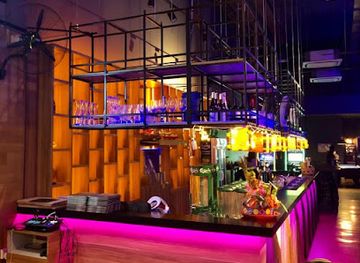
Unwind at The Carpenters Bar, a lively spot in Woodlands, Singapore, offering a perfect blend of delicious food, refreshing drinks, and vibrant atmosphere.
11 min drive · 3.6 km from city centre
-
Bar
Cheval Cafe Bar Bistro
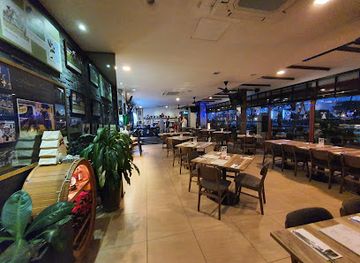
Discover the perfect blend of culinary delights and equestrian charm at Cheval Cafe Bar Bistro in Singapore.
7 min drive · 2.3 km from city centre
-
Seafood
566 Seafood Restaurant at Mandai Estate
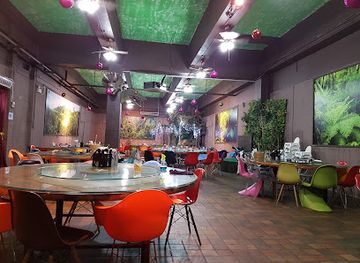
Experience the best of Singaporean seafood at 566 Seafood Restaurant in Mandai Estate, where fresh ingredients and a vibrant atmosphere meet.
14 min drive · 4.5 km from city centre
Best nightclubs in Woodlands
Woodlands is not one of Singapore’s principal nightlife districts, and its evenings are shaped more by neighbourhood dining, late shopping and outdoor recreation than by clubs. Causeway Point and nearby commercial areas provide casual restaurants, cafés and everyday entertainment, while coffee shops in the housing estates remain important social spaces after work. The waterfront can be peaceful in the evening, although visitors should use lit routes and observe park regulations rather than expecting a late-night promenade scene. For cocktails, live music, theatres and larger clubs, Singapore’s central districts offer a considerably wider choice and can be reached by MRT. Woodlands’ night-time appeal lies in its local residential atmosphere, cross-border activity and relaxed food-centred social life rather than a concentrated bar strip.
-
Bar
The Carpenters Bar
Discover The Carpenters Bar in Singapore, where exceptional drinks meet innovative cuisine in a vibrant atmosphere perfect for every occasion.
11 min drive · 3.6 km from city centre
-
Karaoke bar
Teo Heng KTV Studio (Causeway Point)
Experience the vibrant karaoke culture of Singapore at Teo Heng KTV Studio, where fun and music come together in a lively atmosphere.
1 min walk · 0.1 km from city centre
-
Gastropub
Tipsy Panda
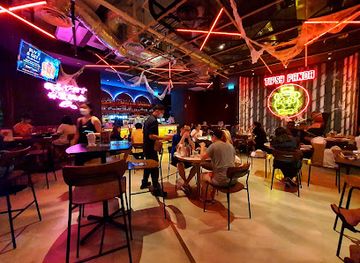
Experience the lively atmosphere and delicious flavors at Tipsy Panda, Woodlands' premier gastropub and bar offering a delightful culinary escape.
2 min walk · 0.2 km from city centre
-
Cocktail bar
O/T Bar
Discover O/T Bar in Woodlands—where innovative cocktails meet a cozy atmosphere for the perfect night out in Singapore.
2 min walk · 0.2 km from city centre


Best shops in Woodlands
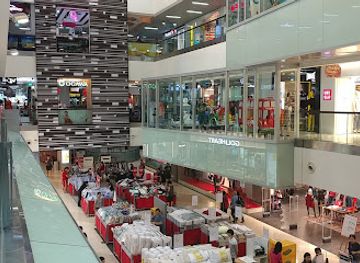
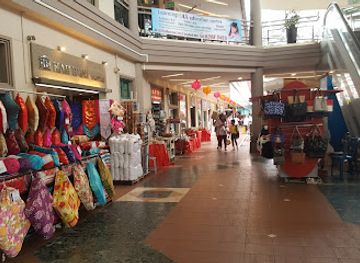
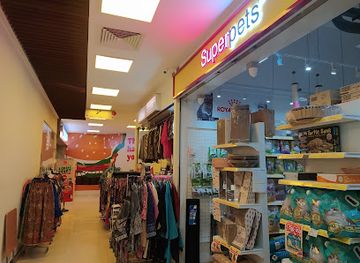
Shopping in Woodlands is centred on practical town-centre retail rather than a specialised luxury or designer quarter. Causeway Point, directly connected to Woodlands MRT station, contains department-store-style retail, fashion, electronics, groceries, services, restaurants and cafés, making it the district’s most convenient shopping hub. Marsiling Mall and neighbourhood commercial blocks provide additional everyday shops and food outlets, while hawker centres and wet-market-style retail nearby offer a more local perspective on groceries, cooked food and household shopping. Visitors looking for Singaporean edible gifts can browse packaged snacks, tea, coffee and regional food products in supermarkets, although the district is not especially known for a single signature craft. The most distinctive shopping experience comes from observing how a large public-housing town combines mall retail with small businesses, market trading and informal food commerce.
-
Shopping mall
Causeway Point
Explore Causeway Point, Singapore's vibrant shopping mall with diverse retail, dining, and entertainment options for all ages.
1 min walk · 0.1 km from city centre
-
Shopping mall
888 Plaza
Explore 888 Plaza, a vibrant shopping mall in Woodlands, Singapore, offering diverse shops, delicious dining, and engaging entertainment for all ages.
13 min walk · 1.0 km from city centre
-
Shopping mall
Woodlands Mart
Explore Woodlands Mart, a vibrant shopping mall in Singapore offering diverse retail, dining, and entertainment experiences for every tourist.
5 min drive · 1.6 km from city centre
-
Shopping mall
Marsiling Mall
Discover a vibrant shopping experience at Marsiling Mall, where fashion, food, and fun come together in the heart of Woodlands, Singapore.
10 min walk · 0.8 km from city centre
Get your free copy of our complete guide to Woodlands, delivered straight to you.
Everything on this page, from attractions and restaurants to essentials and local phrases, in one PDF you can read offline, print or share.
Already have an account? Sign in
Your Woodlands guide is ready.
We'll send it to · Not you? Sign out

Getting your guide ready…
We are putting together a fresh copy of the Woodlands guide. This can take up to a minute.
This can take a few moments. If your browser asks, choose Allow so the download can start. You'll find the guide in your Downloads folder.
Nothing happened? Download it again
Sorry, the guide is taking longer than usual. Please try again in a minute, or get it by email instead.
Woodlands essentials
Currency and Payment
Safety
Emergency Situations
Do's and Don'ts
Local Tips
From Eve
Local phrases worth knowing
You don't need to get them perfect. A few words go a long way, and locals appreciate the effort.
Basics
| English | Local | Say it |
|---|---|---|
| Hello | 你好 | [Nǐ hǎo] |
| Goodbye | 再见 | [Zài jiàn] |
| Yes | 是的 | [Shì de] |
| No | 不 | [Bù] |
| Please/You're welcome | 请 | [Qǐng] |
| Thank you | 谢谢 | [Xièxiè] |
| Excuse me/Sorry | 对不起 | [Duìbùqǐ] |
| How are you? | 你好吗? | [Nǐ hǎo ma?] |
| Fine. And you? | 很好。你呢? | [Hěn hǎo. Nǐ ne?] |
| Do you speak English? | 你会说英语吗? | [Nǐ huì shuō yīngyǔ ma?] |
| I don't understand | 我不明白 | [Wǒ bù míngbái] |
Eating & Drinking
| English | Local | Say it |
|---|---|---|
| I'd like to see the menu, please | 请给我看菜单 | [Qǐng gěi wǒ kàn càidān] |
| I don't eat meat | 我不吃肉 | [Wǒ bù chī ròu] |
| Cheers! | 干杯! | [Gān bēi!] |
| I would like to pay, please | 请付款 | [Qǐng fùkuǎn] |
Emergencies
| English | Local | Say it |
|---|---|---|
| Help! | 帮帮我! | [Bāng bāng wǒ!] |
| Go away! | 走开! | [Zǒu kāi!] |
| Call the Police! | 叫警察! | [Jiào jǐngchá!] |
| Call a doctor! | 叫医生! | [Jiào yīshēng!] |
| I'm lost | 我迷路了 | [Wǒ mílù le] |
| I'm ill | 我生病了 | [Wǒ shēngbìng le] |
Shopping
| English | Local | Say it |
|---|---|---|
| I'd like to buy... | 我想买... | [Wǒ xiǎng mǎi...] |
| I'm just looking | 我只是看看 | [Wǒ zhǐshì kàn kàn] |
| How much is it? | 这个多少钱? | [Zhège duōshǎo qián?] |
| That's too expensive | 太贵了 | [Tài guì le] |
| Can you lower the price? | 可以便宜点吗? | [Kěyǐ piányi diǎn ma?] |
Time & Numbers
| English | Local | Say it |
|---|---|---|
| What time is it? | 现在几点了? | [Xiànzài jǐ diǎn le?] |
| It's one o'clock | 一点了 | [Yī diǎn le] |
| Half past (10) | 十点半 | [Shí diǎn bàn] |
| Morning | 早上 | [Zǎoshang] |
| Afternoon | 下午 | [Xiàwǔ] |
| Evening | 晚上 | [Wǎnshang] |
| Yesterday | 昨天 | [Zuótiān] |
| Today | 今天 | [Jīntiān] |
| Tomorrow | 明天 | [Míngtiān] |
| 1 | 一 | [Yī] |
| 2 | 二 | [Èr] |
| 3 | 三 | [Sān] |
| 4 | 四 | [Sì] |
| 5 | 五 | [Wǔ] |
| 6 | 六 | [Liù] |
| 7 | 七 | [Qī] |
| 8 | 八 | [Bā] |
| 9 | 九 | [Jiǔ] |
| 10 | 十 | [Shí] |
Transport & Directions
| English | Local | Say it |
|---|---|---|
| Where's a/the...? | ...在哪里? | [...Zài nǎlǐ?] |
| What's the address? | 地址是什么? | [Dìzhǐ shì shénme?] |
| Can you show me (on the map)? | 你能给我看看吗? | [Nǐ néng gěi wǒ kàn kàn ma?] |
| When's the next (bus)? | 下一班(公共汽车)什么时候? | [Xià yī bān (gōnggòng qìchē) shénme shíhòu?] |
| A ticket (to ....) | 一张票(去...) | [Yī zhāng piào (qù...)] |
History of Woodlands
Plantations and the Northern Shore
Before Woodlands became a planned new town, the northern part of Singapore was characterised by rural settlements, plantations and coastal activity. The district’s name reflects this earlier landscape of wooded country, while nearby communities developed around agriculture, rubber cultivation and small-scale commerce. Its position opposite Johor gave the area a strategic importance that grew as Singapore’s links with the Malay Peninsula strengthened. The shoreline, streams and forested patches shaped local movement, while roads gradually connected the northern settlements with the expanding colonial city further south.
Railway and the Causeway
Woodlands’ modern regional role took shape in the early twentieth century. The Singapore-Kranji Railway opened in stages before becoming part of the route towards the Causeway, and the Singapore railway station at Woodlands began serving trains in 1903. The Johor-Singapore Causeway opened in 1923, creating a permanent road and rail link across the Johor Strait. These connections transformed Woodlands from a rural northern district into Singapore’s principal gateway to the Malay Peninsula, supporting travel, trade and the movement of workers and goods.
Wartime Occupation and Recovery
The northern approach to Singapore became strategically significant during the Second World War. Japanese forces crossed from the Malay Peninsula and advanced towards Singapore in February 1942, while the Causeway was damaged during the retreat of British forces. Singapore then endured Japanese occupation until 1945. After the war, transport connections were repaired and the northern districts resumed their role in regional movement. The railway and Causeway remained visible reminders that Woodlands was not an isolated suburb but part of a larger peninsula-wide network.
Building Woodlands New Town
From the 1970s and especially during the 1980s, Singapore’s public-housing programme reshaped Woodlands into a planned new town. Housing estates, schools, markets, community facilities and industrial areas were laid out together, replacing much of the earlier rural pattern with a dense but carefully organised urban landscape. Marsiling and Woodlands developed as linked neighbourhoods, with town centres and transport routes serving a growing population. This period established the district’s present identity as a major residential and employment area in northern Singapore.
A Modern Cross-Border District
Woodlands’ role as a gateway intensified with the expansion of the checkpoint complex and the growth of cross-border travel between Singapore and Johor. The old railway passenger service ended in 2011, but the former station and parts of the railway alignment retained heritage value, later forming part of the wider Rail Corridor story. New rail infrastructure, including Woodlands North and the Woodlands interchange, has strengthened the district’s internal connections. Today, parks and waterfront improvements sit alongside checkpoints, housing and transport projects, expressing the continuing balance between heritage, daily urban life and regional mobility.
Woodlands in Photos
Browse through our photo collection highlighting the charm and character of the destination.
Cities near Woodlands
The closest cities to Woodlands, if you have time for more than one stop.
-

-

-

-

-


Swipe for more cities
Explore more

Explore more of Singapore
Explore Singapore: A vibrant city-state where modernity meets tradition, offering world-class cuisine, stunning gardens, and unique cultural experiences.
Explore Singapore