

Free Yishun Travel Guide & Mobile App
Plan your Yishun trip with Evendo. Get free guides to top attractions, restaurants, hotels, and bars. Web access or download the mobile app.


Yishun, Singapore blends reservoir parks, local food, neighbourhood shopping and northern heritage into an authentic, greener side of city life.
Reservoir Landscapes and New-Town Life
Yishun occupies a broad stretch of northern Singapore between Woodlands and Sembawang, combining planned residential estates with open water, mature greenery and an everyday community atmosphere. Its name commemorates Lim Nee Soon, an early twentieth-century rubber planter and businessman whose name became associated with the district. Today, the area is best understood not as a conventional sightseeing quarter but as a lived-in Singaporean neighbourhood, where apartment blocks, schools, markets, shopping centres and parks form a closely connected urban landscape.Read more about Yishun
Water, Wildlife and Community
A Gateway to Singapore’s North
When is the best time to visit Yishun?
Best: June–July, September · 30°C| Month | High (°C) | Rainfall (mm) |
|---|---|---|
| January | 29 | 281 |
| February | 29 | 201 |
| March | 29 | 175 |
| April | 30 | 175 |
| May | 30 | 175 |
| June (best) | 30 | 163 |
| July (best) | 30 | 163 |
| August | 30 | 175 |
| September (best) | 30 | 163 |
| October | 30 | 208 |
| November | 29 | 257 |
| December | 29 | 281 |
Getting to and around Yishun
How to get there
Transportation
Best attractions in Yishun
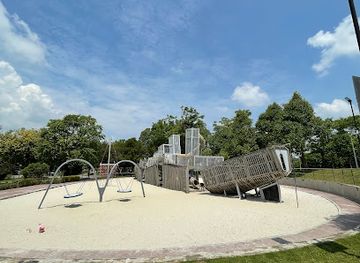
Yishun’s attractions are centred on open space, neighbourhood life and the northern landscape rather than a concentration of major monuments. Lower Seletar Reservoir Park is the district’s principal outdoor draw, with broad water views, lawns and paths suited to a leisurely walk or exercise session. Yishun Pond Park, beside the town centre, provides a smaller landscaped setting close to Yishun MRT station and Northpoint City. The distinctive architecture and planted courtyards of Khoo Teck Puat Hospital offer an interesting example of healthcare design integrated with greenery, although it remains an operating hospital and should be treated respectfully. Northpoint City brings together shops, cafés, food outlets and community facilities in a busy local hub. For a quieter perspective, the surrounding housing estates and park connectors reveal mature tropical planting, public art and the rhythms of everyday Singaporean life.
-
Zoo
Singapore Zoo
Discover the enchanting world of wildlife at the Singapore Zoo, a top tourist attraction showcasing over 2,800 animals in a lush, natural setting.
16 min drive · 5.5 km from city centre
-
Wildlife and safari park
Night Safari
Discover the wonders of wildlife at Night Safari Singapore, where nocturnal adventures come to life in a spectacular setting.
18 min drive · 6.1 km from city centre
-
Tourist attraction
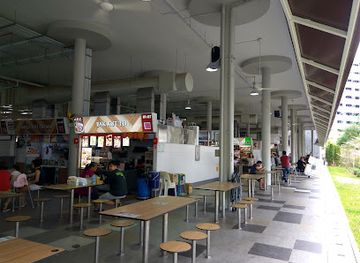
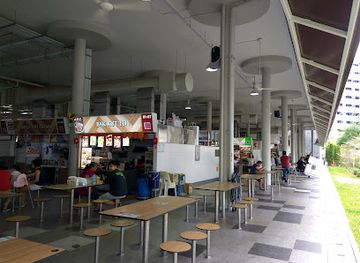
Yishun Park Hawker Centre
Experience the best of Singaporean street food at Yishun Park Hawker Centre, where flavor meets community in a vibrant atmosphere.
15 min walk · 1.2 km from city centre
-
Wildlife park
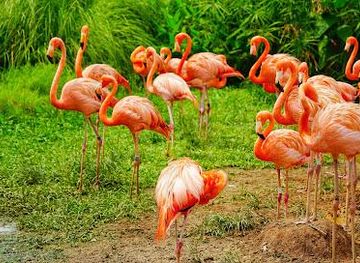
Bird Paradise
Experience the enchanting world of avian wonders at Bird Paradise, Singapore's premier wildlife park showcasing thousands of birds in their natural habitats.
19 min drive · 6.5 km from city centre


Best landmarks in Yishun
Yishun’s landmarks are primarily civic, environmental and architectural rather than grand historic monuments. Lower Seletar Reservoir is the area’s defining geographical landmark, representing Singapore’s carefully managed water landscape while providing a public setting for recreation and community life. Khoo Teck Puat Hospital is notable for its extensive planting, courtyards, water features and open design, illustrating how contemporary Singaporean architecture can connect healthcare with tropical greenery; visitors should remember that it is a functioning medical facility. Yishun Pond Park forms a smaller urban landmark beside the town centre, creating a green foreground for the surrounding civic and commercial buildings. Northpoint City is significant as a modern local centre where retail, transport, food and community functions converge. Together, these places express Yishun’s identity as a planned new town shaped by public infrastructure, landscape design and everyday urban use.
-
Shopping mall
Northpoint City
Experience shopping, dining, and entertainment at Northpoint City, Singapore's vibrant hub in Yishun, offering something for everyone.
2 min walk · 0.1 km from city centre
-
Hawker center
Yishun Park Hawker Centre
Discover the authentic flavors of Singapore at Yishun Park Hawker Centre, a must-visit destination for food lovers and tourists alike.
15 min walk · 1.2 km from city centre
-
Park
Sembawang Park
Discover Sembawang Park, a tranquil oasis in Singapore, blending lush landscapes, historic charm, and stunning waterfront views for an unforgettable outdoor experience.
11 min drive · 3.5 km from city centre
-
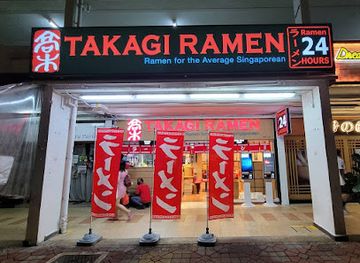
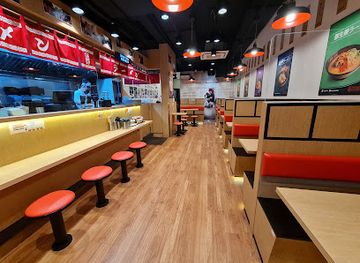
Ramen
Takagi Ramen @ Yishun
Experience the authentic taste of Japan at Takagi Ramen, a beloved ramen restaurant in Yishun, Singapore, known for its rich flavors and cozy atmosphere.
11 min walk · 0.8 km from city centre
Explore Yishun on the map
Plan your Yishun trip on one map. See where the top attractions, landmarks, restaurants, bars and hotels are, find what's near where you're staying, and book hotels and experiences in a few clicks.
Best hotels in Yishun
Best restaurants in Yishun
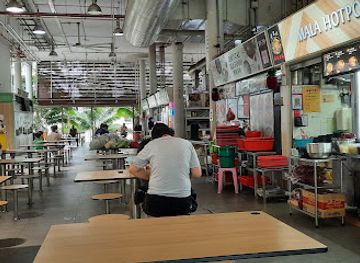
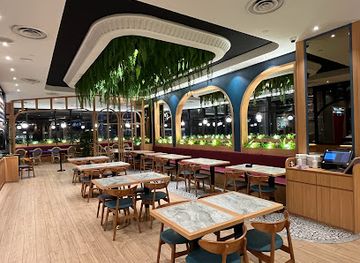
Yishun’s dining scene reflects Singapore’s neighbourhood food culture, with the strongest emphasis on hawker dishes, coffee-shop staples and casual family dining rather than destination gastronomy. Visitors can look for familiar local flavours such as chicken rice, laksa, fishball noodles, roti prata, nasi lemak and barbecue sambal seafood, alongside drinks such as kopi and teh prepared in traditional kopitiam style. Hawker centres and food courts around the town centre provide an accessible introduction to the city’s Chinese, Malay and Indian culinary influences, while Northpoint City offers a broader range of contemporary restaurants and cafés. The food culture is practical and communal: breakfast, takeaway meals and shared tables matter as much as formal dining. Menus and payment methods vary between stalls, and some smaller vendors operate with limited hours, so the neighbourhood’s best food experiences are often found by following local routines rather than seeking a single signature restaurant.
-
Hawker center
Yishun Park Hawker Centre
Discover authentic Singaporean street food at Yishun Park Hawker Centre – a must-visit culinary destination for tourists.
15 min walk · 1.2 km from city centre
-
French
Poulet
Discover Poulet in Yishun - Singapore's top destination for authentic French rotisserie chicken and exquisite dining experiences.
2 min walk · 0.1 km from city centre
-
Ramen
Takagi Ramen @ Yishun
Discover authentic Japanese flavors at Takagi Ramen in Yishun—where every bowl tells a delicious story.
11 min walk · 0.8 km from city centre
-
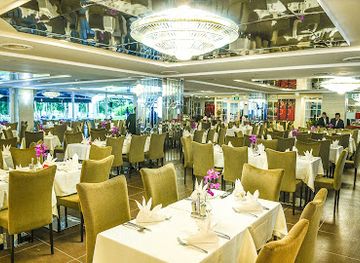
Halal
Royal Palm @ Orchid Country Club Restaurant
Indulge in exquisite Halal cuisine at Royal Palm @ Orchid Country Club - where culinary excellence meets breathtaking views.
7 min drive · 2.4 km from city centre
Best bars in Yishun
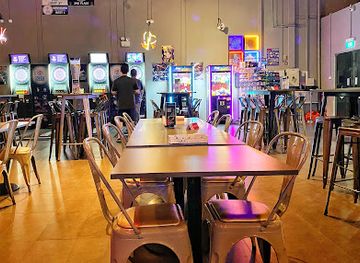
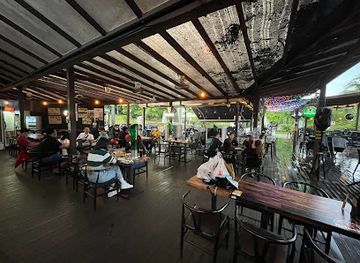
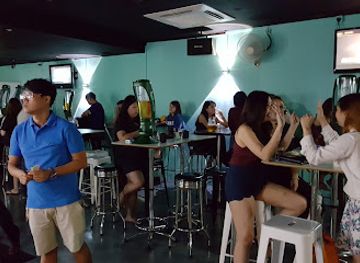
Yishun has a modest, neighbourhood-oriented evening scene rather than a dedicated strip of nightclubs or late-night entertainment venues. After dark, activity concentrates around Northpoint City, local coffee shops, casual restaurants and food centres, where residents meet for meals and conversation. Some neighbourhood establishments serve beer and spirits, but the atmosphere is generally relaxed and social rather than club-focused. The parks and reservoir paths may be used for evening walks and exercise, although visitors should follow lighting, access and safety signs and avoid treating the water’s edge as a nightlife venue. Travellers seeking major concerts, theatres, cocktail bars or nightclubs will generally need to continue towards central Singapore, where the entertainment districts are more concentrated. Yishun’s evening character is therefore best experienced through supper, local cafés and the ordinary communal life of a mature housing estate.
-
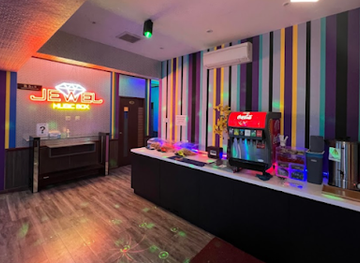
Karaoke bar
Jewel Music Box Khatib
Discover the ultimate karaoke experience in Singapore at Jewel Music Box Khatib, where every night is a chance to shine.
5 min drive · 1.7 km from city centre
-
Asian Fusion
Habits
Explore the culinary delights of Habits, an Asian Fusion restaurant in Sembawang, Singapore, where tradition meets innovation in every dish.
11 min drive · 3.6 km from city centre
-
Bistro
Fuel Up @ Yishun
Discover the cozy charm of Fuel Up @ Yishun, where delicious bistro classics meet a welcoming atmosphere in Singapore's vibrant Yishun district.
16 min walk · 1.3 km from city centre
-
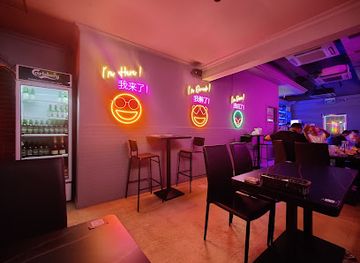
Grill
Happiest Hour Bar & Bistro
Experience the vibrant ambiance and delicious grill fare at Happiest Hour Bar & Bistro, a must-visit destination for food and music lovers in Singapore.
6 min drive · 2.0 km from city centre
Best nightclubs in Yishun
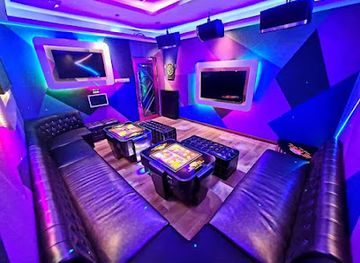
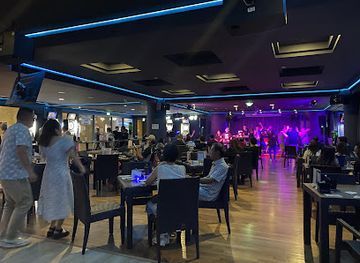
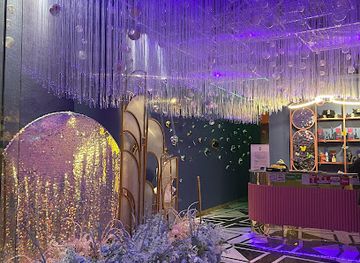
Yishun has a modest, neighbourhood-oriented evening scene rather than a dedicated strip of nightclubs or late-night entertainment venues. After dark, activity concentrates around Northpoint City, local coffee shops, casual restaurants and food centres, where residents meet for meals and conversation. Some neighbourhood establishments serve beer and spirits, but the atmosphere is generally relaxed and social rather than club-focused. The parks and reservoir paths may be used for evening walks and exercise, although visitors should follow lighting, access and safety signs and avoid treating the water’s edge as a nightlife venue. Travellers seeking major concerts, theatres, cocktail bars or nightclubs will generally need to continue towards central Singapore, where the entertainment districts are more concentrated. Yishun’s evening character is therefore best experienced through supper, local cafés and the ordinary communal life of a mature housing estate.
-
Karaoke bar
Jewel Music Box Khatib
Unleash your inner superstar at Jewel Music Box Khatib, where unforgettable karaoke nights await in the heart of Singapore.
5 min drive · 1.7 km from city centre
-
Lounge
8 Degree Lounge - Orchid Country Club
Discover the lively 8 Degree Lounge at Orchid Country Club, a perfect blend of dining, karaoke, and nightlife in Singapore's vibrant social scene.
7 min drive · 2.4 km from city centre
-
Karaoke bar
HaveFun Karaoke & Outdoor Beer Garden (SAFRA Yishun)
Experience the ultimate karaoke fun at HaveFun Karaoke & Outdoor Beer Garden in Yishun, Singapore - where music, food, and drinks come together!
11 min walk · 0.9 km from city centre
-
Karaoke bar
Ginza Pub
Experience the vibrant nightlife of Mandai at Ginza Pub, a premier karaoke bar offering endless fun and entertainment in Singapore.
12 min walk · 1.0 km from city centre
Best shops in Yishun
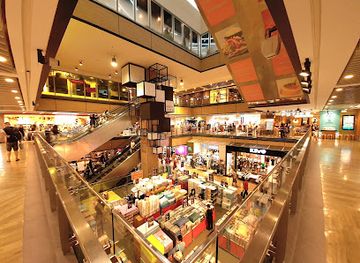
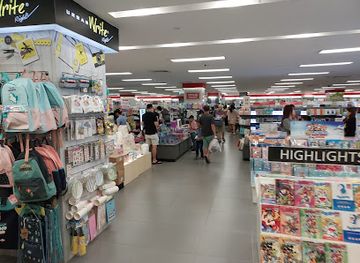
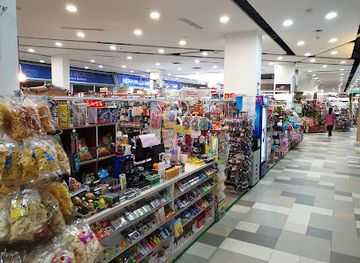
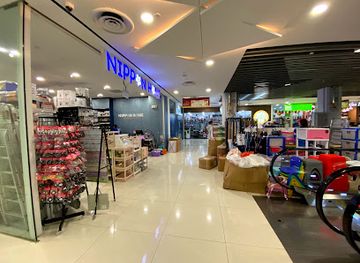
Shopping in Yishun is concentrated around Northpoint City, the district’s principal retail and lifestyle centre, where visitors find fashion, electronics, services, cafés, restaurants and everyday goods within a transport-linked complex. Junction Nine, farther north, provides another suburban commercial option, while smaller shops and provision stores are distributed through the housing estates. The area’s most characteristic purchases are less about specialist souvenirs than about Singaporean food and daily life: packaged snacks, tea, sauces, bakery items and practical household goods. Neighbourhood markets and food centres are useful places to observe local commerce and buy fresh produce or prepared food, though the range changes by stall and location. Visitors seeking crafts, antiques, luxury labels or large-scale souvenir shopping will find a wider selection in central Singapore. Yishun’s retail character is consequently functional, convenient and community-focused, reflecting the needs of a mature residential town.
-
Shopping mall
Northpoint City
Explore Northpoint City, Singapore's vibrant shopping mall, offering endless retail, dining, and entertainment options in the heart of Yishun.
2 min walk · 0.1 km from city centre
-
Book store
Popular Bookstore
Explore a vast selection of books and stationery at Popular Bookstore, a literary haven in the heart of Singapore.
1 min walk · 0.1 km from city centre
-
Shopping mall
Junction Nine
Explore Junction Nine, a vibrant shopping mall in Yishun, Singapore, offering a delightful mix of shopping, dining, and family-friendly entertainment.
10 min walk · 0.8 km from city centre
-
Shopping mall
Wisteria Mall
Discover Wisteria Mall in Yishun, Singapore - a vibrant shopping mall with diverse shops, dining, and family-friendly entertainment options.
18 min walk · 1.5 km from city centre
Get your free copy of our complete guide to Yishun, delivered straight to you.
Everything on this page, from attractions and restaurants to essentials and local phrases, in one PDF you can read offline, print or share.
Already have an account? Sign in
Your Yishun guide is ready.
We'll send it to · Not you? Sign out

Getting your guide ready…
We are putting together a fresh copy of the Yishun guide. This can take up to a minute.
This can take a few moments. If your browser asks, choose Allow so the download can start. You'll find the guide in your Downloads folder.
Nothing happened? Download it again
Sorry, the guide is taking longer than usual. Please try again in a minute, or get it by email instead.
Yishun essentials
Currency and Payment
Safety
Emergency Situations
Do's and Don'ts
Local Tips
From Eve
Local phrases worth knowing
You don't need to get them perfect. A few words go a long way, and locals appreciate the effort.
Basics
| English | Local | Say it |
|---|---|---|
| Hello | 你好 | [Nǐ hǎo] |
| Goodbye | 再见 | [Zài jiàn] |
| Yes | 是的 | [Shì de] |
| No | 不 | [Bù] |
| Please/You're welcome | 请 | [Qǐng] |
| Thank you | 谢谢 | [Xièxiè] |
| Excuse me/Sorry | 对不起 | [Duìbùqǐ] |
| How are you? | 你好吗? | [Nǐ hǎo ma?] |
| Fine. And you? | 很好。你呢? | [Hěn hǎo. Nǐ ne?] |
| Do you speak English? | 你会说英语吗? | [Nǐ huì shuō yīngyǔ ma?] |
| I don't understand | 我不懂 | [Wǒ bù dǒng] |
Eating & Drinking
| English | Local | Say it |
|---|---|---|
| I'd like to see the menu, please | 请给我看菜单 | [Qǐng gěi wǒ kàn càidān] |
| I don't eat meat | 我不吃肉 | [Wǒ bù chī ròu] |
| Cheers! | 干杯! | [Gān bēi!] |
| I would like to pay, please | 请给我付款 | [Qǐng gěi wǒ fùkuǎn] |
Emergencies
| English | Local | Say it |
|---|---|---|
| Help! | 救命! | [Jiùmìng!] |
| Go away! | 走开! | [Zǒu kāi!] |
| Call the Police! | 报警! | [Bàojǐng!] |
| Call a doctor! | 叫医生! | [Jiào yīshēng!] |
| I'm lost | 我迷路了 | [Wǒ mílùle] |
| I'm ill | 我不舒服 | [Wǒ bù shūfú] |
Shopping
| English | Local | Say it |
|---|---|---|
| I'd like to buy... | 我想买... | [Wǒ xiǎng mǎi...] |
| I'm just looking | 我只是看看 | [Wǒ zhǐshì kàn kàn] |
| How much is it? | 多少钱? | [Duōshǎo qián?] |
| That's too expensive | 太贵了 | [Tài guìle] |
| Can you lower the price? | 可以让价吗? | [Kěyǐ ràng jià ma?] |
Time & Numbers
| English | Local | Say it |
|---|---|---|
| What time is it? | 现在几点? | [Xiànzài jǐ diǎn?] |
| It's one o'clock | 现在一点 | [Xiànzài yīdiǎn] |
| Half past (10) | 十点半 | [Shí diǎn bàn] |
| Morning | 早上 | [Zǎoshang] |
| Afternoon | 下午 | [Xiàwǔ] |
| Evening | 晚上 | [Wǎnshang] |
| Yesterday | 昨天 | [Zuótiān] |
| Today | 今天 | [Jīntiān] |
| Tomorrow | 明天 | [Míngtiān] |
| 1 | 一 | [Yī] |
| 2 | 二 | [Èr] |
| 3 | 三 | [Sān] |
| 4 | 四 | [Sì] |
| 5 | 五 | [Wǔ] |
| 6 | 六 | [Liù] |
| 7 | 七 | [Qī] |
| 8 | 八 | [Bā] |
| 9 | 九 | [Jiǔ] |
| 10 | 十 | [Shí] |
Transport & Directions
| English | Local | Say it |
|---|---|---|
| Where's a/the...? | ...在哪里? | [...Zài nǎlǐ?] |
| What's the address? | 地址是什么? | [Dìzhǐ shì shénme?] |
| Can you show me (on the map)? | 你能给我看(地图上)吗? | [Nǐ néng gěi wǒ kàn (dìtú shàng) ma?] |
| When's the next (bus)? | 下一趟(公共汽车)什么时候? | [Xià yī tàng (gōnggòng qìchē) shénme shíhòu?] |
| A ticket (to ....) | 一张票(去......) | [Yī zhāng piào (qù......)] |
History of Yishun
From Nee Soon to Yishun
The name Yishun derives from Lim Nee Soon, a prominent businessman associated with the rubber industry in Singapore during the late nineteenth and early twentieth centuries. The wider northern area was historically rural, with plantations, farms and scattered settlements rather than the dense housing estates seen today. Lim Nee Soon’s name was used for the district in recognition of his influence and land interests. The modern spelling Yishun reflects the Mandarin rendering of the name and forms part of Singapore’s wider practice of preserving local associations through place names.
Plantations, Farms and Kampongs
Before large-scale urban redevelopment, northern Singapore contained rubber estates, coconut groves, vegetable farms and kampongs, or village communities. Roads and waterways connected these settlements to trading and administrative centres, while daily life followed agricultural and plantation work. The area’s low-lying terrain and access to streams supported cultivation, although the landscape was gradually altered by reservoirs, infrastructure and expanding settlement. Much of this rural past has disappeared physically, but Yishun’s broad green spaces and water margins still hint at the less urbanised landscape that preceded the new town.
The Rise of a Planned New Town
Yishun was transformed during Singapore’s post-independence public-housing programme, as the Housing and Development Board developed new residential estates to accommodate a growing population. From the 1970s onwards, apartment blocks, schools, markets, transport links and community facilities replaced much of the former rural landscape. The planning model placed everyday services close to homes, creating a self-contained town rather than a purely residential suburb. This development helped shape Yishun’s present identity as a mature northern estate with its own retail, healthcare, recreation and transport infrastructure.
Water Management and the Northern Landscape
The creation and expansion of Singapore’s reservoir network changed the physical character of the north. Lower Seletar Reservoir became an important water body and a defining landscape feature for Yishun, linking water management with recreation and public open space. Its surrounding parkland reflects Singapore’s approach to integrating infrastructure with urban life: reservoirs are not only functional assets but also places for walking, exercise and community use. The water’s edge provides a visual counterpoint to the densely built housing estates that developed around it.
A Mature Community in Contemporary Singapore
As Yishun matured, its identity became associated with established neighbourhood networks, schools, healthcare institutions, hawker food, shopping and accessible parks. Later projects have refreshed public spaces and introduced new commercial and civic facilities without erasing the town’s earlier structure. Northpoint City, Yishun Pond Park and Khoo Teck Puat Hospital illustrate different stages of this continuing evolution, from retail and transport integration to landscape-led architecture and environmental design. Contemporary Yishun therefore reflects both Singapore’s planned urban history and the gradual adaptation of a lived-in community.
Yishun in Photos
Browse through our photo collection highlighting the charm and character of the destination.
Cities near Yishun
The closest cities to Yishun, if you have time for more than one stop.
-

-

-

-

-


Swipe for more cities
Explore more

Explore more of Singapore
Explore Singapore: A vibrant city-state where modernity meets tradition, offering world-class cuisine, stunning gardens, and unique cultural experiences.
Explore Singapore