

Free Lowlands Travel Guide & Mobile App
Plan your Lowlands trip with Evendo. Get free guides to top attractions, restaurants, hotels, and bars. Web access or download the mobile app.


Lowlands, Sint Maarten, pairs Cupecoy cliffs, Mullet Bay beaches and Caribbean scenery with easy access to island dining, sailing and sightseeing.
A Low-Lying Coastal District
Lowlands occupies Sint Maarten’s southwestern corner, a largely residential and resort-oriented area named for its gently undulating terrain. Rather than a traditional Caribbean town with a compact centre, it is a spread-out district of villas, condominiums, beaches, scrub-covered hills and carefully planned developments. Its setting makes it particularly appealing to travellers who want sea views and quieter surroundings while remaining close to the island’s main dining, nightlife and transport hubs.Read more about Lowlands
Beaches, Cliffs and Island Views
A Convenient Base on the Dutch Side
When is the best time to visit Lowlands?
Best: June–August · 31–32°C| Month | High (°C) | Rainfall (mm) |
|---|---|---|
| January | 31 | 80 |
| February | 31 | 70 |
| March | 31 | 60 |
| April | 31 | 50 |
| May | 32 | 40 |
| June (best) | 32 | 30 |
| July (best) | 31 | 30 |
| August (best) | 31 | 40 |
| September | 31 | 50 |
| October | 31 | 60 |
| November | 31 | 70 |
| December | 31 | 80 |
Getting to and around Lowlands
How to get there
Transportation
Best attractions in Lowlands
Lowlands’ principal attractions are coastal rather than civic. Mullet Bay Beach offers a broad crescent of sand framed by low hills, with a more open beach atmosphere than the sheltered coves farther west. At Cupecoy, pale limestone cliffs and small sandy pockets create a striking shoreline whose appearance changes with tides and sea conditions; some sections are more suitable for viewing than swimming. Porto Cupecoy provides a contrasting experience, with landscaped residences, a lagoon-like waterfront, shops and dining spaces arranged in a planned development. The district’s elevated roads and coastal viewpoints also reveal the nearby French side and the Caribbean horizon. Travellers interested in aviation can reach Maho Beach quickly from Lowlands, but it belongs to the neighbouring Maho area rather than Lowlands itself. Together, these places show the southwestern Dutch side as a landscape of beaches, cliffs, residential architecture and easy access to Sint Maarten’s wider attractions.
-
Tourist attraction
Da Waterhole
Experience the vibrant flavors of the Caribbean at Da Waterhole, a beachside bar and grill offering delicious food and stunning ocean views in Sint Maarten.
10 min walk · 0.8 km from city centre
-
Scenic point
Anguilla Arch
Experience the breathtaking vistas of Anguilla Arch, a must-see scenic point that showcases the stunning beauty of the Caribbean coastline.
34 min drive · 14 km from city centre
-
Tourist attraction
Tropicana Princess Casino
Discover the vibrant energy and thrilling gambling experience at Tropicana Princess Casino in Cole Bay, Sint Maarten.
16 min drive · 5.3 km from city centre
-
Park
Mullet Bay Beach
Experience the tranquil beauty of Mullet Bay Beach, a tropical paradise in Sint Maarten perfect for relaxation and adventure.
8 min walk · 0.6 km from city centre


Best landmarks in Lowlands
Lowlands’ most recognisable landmarks are natural and contemporary rather than colonial monuments. The limestone cliffs of Cupecoy form a distinctive coastal edge, broken by small coves and viewing points where the geology is more visible than on the island’s broad sandy beaches. Mullet Bay Beach is another defining feature: its sweeping shoreline and low hills mark one of the Dutch side’s best-known coastal settings, even though its surrounding facilities have changed over time. Porto Cupecoy represents the district’s modern architectural identity, using landscaped buildings, balconies and a waterfront plan to create a recognisable residential and commercial ensemble. These places do not constitute a historic city centre, but together they explain Lowlands’ present character: a former peripheral landscape reshaped by tourism, coastal recreation and resort-style development while remaining closely tied to the natural contours of southwestern Sint Maarten.
-
 Resort hotel
Sonesta Maho Beach Resort, Casino & Spa
Experience the ultimate tropical getaway at Sonesta Maho Beach Resort, Casino & Spa, where luxury meets adventure on stunning Maho Beach.
16 min walk · 1.3 km from city centre
-
Park
Rainforest Adventures St Maarten
Discover the vibrant ecosystem and thrilling adventures at Rainforest Adventures St Maarten, a lush paradise for nature lovers and adventure seekers.
21 min drive · 6.9 km from city centre
-
Park
Parotte Ville Bird Park
Discover the vibrant world of exotic birds at Parotte Ville Bird Park, a tropical sanctuary in Sint Maarten, perfect for families and nature lovers.
28 min drive · 9.5 km from city centre
-
Caribbean
Da Waterhole
Experience the vibrant flavors of Caribbean cuisine at Da Waterhole, a lively bar and grill on the beautiful Mullet Bay Beach.
10 min walk · 0.8 km from city centre


Explore Lowlands on the map
Plan your Lowlands trip on one map. See where the top attractions, landmarks, restaurants, bars and hotels are, find what's near where you're staying, and book hotels and experiences in a few clicks.
Best hotels in Lowlands
Best restaurants in Lowlands
Lowlands has a smaller and more dispersed dining scene than Philipsburg or Simpson Bay, with restaurants concentrated around condominium and resort developments rather than a traditional market quarter. Porto Cupecoy provides one of the district’s principal clusters of cafés and restaurants, while nearby Maho and Simpson Bay offer a broader range of Caribbean, European, North American and international cooking. Menus across the Dutch side commonly reflect the island’s maritime setting through fresh fish, seafood and grilled dishes, alongside regional favourites such as conch and goat preparations where offered. Dutch, French and wider Caribbean influences are also visible in bakery goods, sauces and casual meals. Self-catering is practical for visitors staying in villas or apartments, with larger supermarkets located in the wider Simpson Bay area. Restaurant availability and trading patterns can change after storms or seasonal shifts, so accommodation staff are useful for current local information.
-
Grill
Sunset Bar and Grill
Experience unforgettable sunsets and delectable Caribbean cuisine at Sunset Bar and Grill in Simpson Bay.
5 min drive · 1.6 km from city centre
-
Caribbean
Da Waterhole
Experience the vibrant flavors of Caribbean cuisine at Da Waterhole, your perfect beachside retreat in Sint Maarten.
10 min walk · 0.8 km from city centre
-
Restaurant
Little Jerusalem Restaurant SXM
Experience authentic Middle Eastern cuisine at Little Jerusalem Restaurant SXM in Simpson Bay – where every dish tells a story.
11 min drive · 3.8 km from city centre
-
Italian
Sale & Pepe Marina Italian Sicilian Restaurant SXM
Experience authentic Sicilian cuisine at Sale & Pepe Marina in Simpson Bay - where Italian flavors meet Caribbean charm.
11 min drive · 3.7 km from city centre


Best bars in Lowlands
Lowlands itself is generally quieter after dark, with evening activity centred on restaurants and bars within or near accommodation developments rather than a dedicated nightlife street. Porto Cupecoy can provide a relaxed waterfront setting for drinks and dinner, while the nearby Maho and Simpson Bay districts have the island’s better-known concentration of casinos, lively bars, music venues and late-night entertainment. The short distance makes those areas accessible by taxi, although visitors should arrange their return rather than rely on walking along roads designed mainly for vehicles. Evenings in Lowlands are more suited to sea views, informal drinks and private accommodation gatherings than to large clubs. Local nightlife is predominantly casual and holiday-oriented, with Caribbean, international and live-music influences appearing across the Dutch side.
-
Grill
Sunset Bar and Grill
Experience the tropical paradise at Sunset Bar and Grill, where delicious food meets stunning beachfront views in Sint Maarten.
5 min drive · 1.6 km from city centre
-
Grill
Buccaneer Beach Bar
Experience the vibrant flavors and stunning views at Buccaneer Beach Bar, the ultimate grill destination in Simpson Bay, Sint Maarten.
13 min drive · 4.3 km from city centre
-
Caribbean
Da Waterhole
Experience the vibrant ambiance and delicious flavors at Da Waterhole, the ultimate Caribbean bar and grill on Mullet Bay Beach in Sint Maarten.
10 min walk · 0.8 km from city centre
-
Grill
Nowhere Special
Discover the lively atmosphere of Nowhere Special, a grill and bar in Simpson Bay, Sint Maarten, offering delicious food and vibrant live music.
12 min drive · 4.1 km from city centre


Best nightclubs in Lowlands
Lowlands itself is generally quieter after dark, with evening activity centred on restaurants and bars within or near accommodation developments rather than a dedicated nightlife street. Porto Cupecoy can provide a relaxed waterfront setting for drinks and dinner, while the nearby Maho and Simpson Bay districts have the island’s better-known concentration of casinos, lively bars, music venues and late-night entertainment. The short distance makes those areas accessible by taxi, although visitors should arrange their return rather than rely on walking along roads designed mainly for vehicles. Evenings in Lowlands are more suited to sea views, informal drinks and private accommodation gatherings than to large clubs. Local nightlife is predominantly casual and holiday-oriented, with Caribbean, international and live-music influences appearing across the Dutch side.
-
Bar
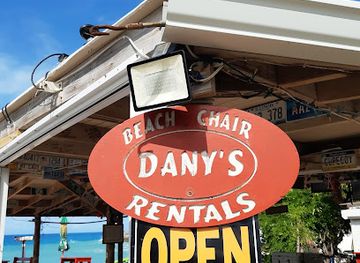
Dany's at Cupecoy Beach Bar
Experience the ultimate beachside relaxation at Dany's at Cupecoy Beach Bar, where refreshing drinks and stunning ocean views await.
11 min walk · 0.9 km from city centre
-
Bar
The Hole in the Wall
Discover the lively atmosphere and friendly service at The Hole in the Wall, a must-visit bar in Sint Maarten for an unforgettable night out.
16 min walk · 1.3 km from city centre
-
Lounge
WE Lounge
Experience the vibrant nightlife of Sint Maarten at WE Lounge, where delicious food, refreshing drinks, and lively entertainment await.
17 min walk · 1.3 km from city centre
-
Bar
The Saint Dive Bar
Experience the vibrant nightlife at The Saint Dive Bar in Sint Maarten, where refreshing drinks and lively atmosphere meet.
17 min walk · 1.4 km from city centre


Best shops in Lowlands
Shopping in Lowlands is concentrated around Porto Cupecoy and individual accommodation developments rather than a traditional high street. Visitors can find cafés, small retail services and holiday-oriented businesses there, while larger supermarkets and a wider range of shops are more readily available in nearby Simpson Bay and Maho. The most characteristic purchases across Dutch Sint Maarten include Caribbean food products, rum and other island-made goods, beachwear, locally themed souvenirs and practical supplies for self-catering stays. The island is also known for duty-free and jewellery shopping, particularly in larger commercial districts, although these outlets are not a defining feature of Lowlands itself. Markets and independent shops elsewhere on the island may offer crafts, artwork and regional products, but visitors should distinguish locally made goods from imported souvenirs and check customs allowances before transporting food, alcohol or other purchases internationally.
-
Jewelry store
Jewels & Beyond
Explore Jewels & Beyond in Sint Maarten for exquisite jewelry, beachwear, and unique souvenirs, all in a vibrant shopping atmosphere.
16 min walk · 1.3 km from city centre
-
Supermarket
Maho Market
Explore Maho Market in Sint Maarten for fresh local produce, unique snacks, and a taste of Caribbean culture in a vibrant shopping atmosphere.
18 min walk · 1.4 km from city centre
-
Party store
Shop-4-Less
Shop-4-Less in Sint Maarten is your go-to destination for party supplies, toys, and festive decorations, perfect for celebrating any occasion.
21 min drive · 7.0 km from city centre
-
Jewelry store
Radisson Jewels
Explore a stunning collection of fine jewelry and luxury watches at Radisson Jewels, the premier shopping destination in Maho, Sint Maarten.
16 min walk · 1.3 km from city centre


Get your free copy of our complete guide to Lowlands, delivered straight to you.
Everything on this page, from attractions and restaurants to essentials and local phrases, in one PDF you can read offline, print or share.
Already have an account? Sign in
Your Lowlands guide is ready.
We'll send it to · Not you? Sign out

Getting your guide ready…
We are putting together a fresh copy of the Lowlands guide. This can take up to a minute.
This can take a few moments. If your browser asks, choose Allow so the download can start. You'll find the guide in your Downloads folder.
Nothing happened? Download it again
Sorry, the guide is taking longer than usual. Please try again in a minute, or get it by email instead.
Lowlands essentials
Currency and Payment
Safety
Emergency Situations
Do's and Don'ts
Local Tips
From Eve
Local phrases worth knowing
You don't need to get them perfect. A few words go a long way, and locals appreciate the effort.
Basics
| English | Local | Say it |
|---|---|---|
| Hello | Hallo | [ha-lo] |
| Goodbye | Ayo | [a-yo] |
| Yes | Si | [see] |
| No | No | [no] |
| Please/You're welcome | Por fabor | [por fa-bor] |
| Thank you | Danki | [dan-ki] |
| Excuse me/Sorry | Sori | [so-ri] |
| How are you? | Kon ta bai? | [kon ta ba-i] |
| Fine. And you? | Bon. I bo? | [bon. ee bo] |
| Do you speak English? | Bo ta papia Ingles? | [bo ta pa-pi-a in-gles] |
| I don't understand | Mi no ta comprende | [mi no ta com-pren-de] |
Eating & Drinking
| English | Local | Say it |
|---|---|---|
| I'd like to see the menu, please | Mi kier mira e menu, por fabor | [mi ki-er mi-ra e me-nu, por fa-bor] |
| I don't eat meat | Mi no kome karni | [mi no ko-me kar-ni] |
| Cheers! | Salud! | [sa-lud] |
| I would like to pay, please | Mi kier paga, por fabor | [mi ki-er pa-ga, por fa-bor] |
Emergencies
| English | Local | Say it |
|---|---|---|
| Help! | Yuda! | [yu-da] |
| Go away! | Bai for! | [bai for] |
| Call the Police! | Yama polis! | [ya-ma po-lis] |
| Call a doctor! | Yama dokter! | [ya-ma dok-ter] |
| I'm lost | Mi ta perdi | [mi ta per-di] |
| I'm ill | Mi ta malu | [mi ta ma-lu] |
Shopping
| English | Local | Say it |
|---|---|---|
| I'd like to buy... | Mi kier kumpra... | [mi ki-er kum-pra...] |
| I'm just looking | Mi ta so mira | [mi ta so mi-ra] |
| How much is it? | Kuantu esaki ta kosta? | [kwan-tu e-sa-ki ta kos-ta] |
| That's too expensive | Esaki ta muchu karo | [e-sa-ki ta mu-chu ka-ro] |
| Can you lower the price? | Bo por baha e preis? | [bo por ba-ha e preis] |
Time & Numbers
| English | Local | Say it |
|---|---|---|
| What time is it? | Kuantu ora ta? | [kwan-tu o-ra ta] |
| It's one o'clock | Ta un ora | [ta un o-ra] |
| Half past (10) | Mitad di dies | [mi-tad di dies] |
| Morning | Marduga | [mar-du-ga] |
| Afternoon | Tardi | [tar-di] |
| Evening | Anochi | [a-no-shi] |
| Yesterday | Ayer | [ai-yer] |
| Today | Awe | [a-we] |
| Tomorrow | Mañana | [ma-nya-na] |
| 1 | Uno | [oo-no] |
| 2 | Dos | [dos] |
| 3 | Tres | [tres] |
| 4 | Cuatro | [kwa-tro] |
| 5 | Cinco | [sin-ko] |
| 6 | Seis | [sais] |
| 7 | Siete | [syet] |
| 8 | Ocho | [o-cho] |
| 9 | Nueve | [nwe-ve] |
| 10 | Diez | [dyes] |
Transport & Directions
| English | Local | Say it |
|---|---|---|
| Where's a/the...? | Unda tin un/e... | [un-da tin un/e] |
| What's the address? | Kua ta e adres? | [kwa ta e a-dres] |
| Can you show me (on the map)? | Bo por mustra mi (riba e mapa)? | [bo por mus-tra mi (ri-ba e ma-pa)] |
| When's the next (bus)? | Ki ora ta bini e siguiente (bus)? | [ki o-ra ta bi-ni e si-guien-te (bus)] |
| A ticket (to ....) | Un biahe (pa ....) | [un bya-he (pa)] |
History of Lowlands
Indigenous Life Before Colonisation
The island now divided between Sint Maarten and the French collectivity of Saint-Martin was inhabited by Indigenous peoples before European settlement. Archaeological evidence records earlier occupation by groups associated with the wider Caribbean, followed by communities commonly identified with the Taíno and later Kalinago worlds. Lowlands itself is better understood as part of the island’s coastal landscape than as a separately documented ancient town. Its sheltered bays, freshwater access and productive low-lying ground would have formed part of the environmental setting that later attracted farming and plantation activity.
The 1648 Island Partition
European settlement brought competing French and Dutch claims, but the decisive event in the island’s modern political history was the Treaty of Concordia, signed in 1648. It divided Saint Martin between France and the Netherlands, creating the border that still shapes movement and administration today. Lowlands lies on the Dutch side, Sint Maarten. The boundary is open to everyday travel, yet the division remains visible in different legal systems, public services and cultural influences across the island.
Salt, Plantations and Coastal Agriculture
During the colonial period, the Dutch side developed around salt gathering, small-scale agriculture, livestock and maritime trade. Low-lying land and coastal ponds were valuable in an island economy where terrain and water determined what could be cultivated or harvested. The area that became known as Lowlands did not develop as a major colonial capital; instead, it formed part of the rural hinterland beyond settlements such as Philipsburg. Plantation agriculture and salt production declined over time, leaving the broader district with a landscape shaped as much by scrubland and beaches as by surviving colonial structures.
From Rural Outskirts to Resort Coast
For much of its history, the southwest of the Dutch side remained less urbanised than Philipsburg and the developing Simpson Bay area. Improvements in roads, aviation and tourism gradually changed that balance during the twentieth century. Beaches such as Mullet Bay and Cupecoy became associated with leisure, while land once valued chiefly for farming or grazing was adapted for hotels, villas, condominiums and recreational facilities. Lowlands consequently emerged as a residential and visitor district rather than a historic town centre.
Tourism and Contemporary Lowlands
Modern Lowlands reflects Sint Maarten’s transition to an economy strongly shaped by tourism, real estate and services. Developments around Porto Cupecoy and the Mullet Bay area introduced denser accommodation and commercial spaces beside established residential properties. Hurricane Irma in 2017 caused extensive damage across Sint Maarten, including tourism and infrastructure, and reconstruction has influenced the appearance and availability of facilities throughout the island. Today, Lowlands combines traces of a rural past with a coastal visitor economy, while remaining closely linked to Simpson Bay, Maho and the island’s international airport.
Lowlands in Photos
Browse through our photo collection highlighting the charm and character of the destination.
Cities near Lowlands
The closest cities to Lowlands, if you have time for more than one stop.
-

-

-


Swipe for more cities
Explore more

Explore more of Sint Maarten
Discover Sint Maarten: A Caribbean paradise with a blend of Dutch and French cultures, stunning beaches, vibrant nightlife, and unforgettable experiences.
Explore Sint Maarten