

Free Sint Peters Travel Guide & Mobile App
Plan your Sint Peters trip with Evendo. Get free guides to top attractions, restaurants, hotels, and bars. Web access or download the mobile app.


Sint Peters, Sint Maarten, offers hillside neighbourhoods, island history, local food, and easy access to Philipsburg, beaches, and nature, culture and heritage.
A Hillside Residential District
Sint Peters is a predominantly residential district on the Dutch side of Sint Maarten, set among rolling hills between Philipsburg and the island's western coastal settlements. Rather than a compact resort centre, it offers a quieter view of everyday island life, with homes, small businesses and roads climbing towards green interiors. Its position makes it a practical base for exploring several different sides of Sint Maarten: the historic capital, the commercial districts of Cole Bay and Simpson Bay, the airport and the island's beaches are all within the wider southern network of roads.Read more about Sint Peters
Island History Nearby
Nature, Culture and Access
When is the best time to visit Sint Peters?
Best: June, August–September · 31°C| Month | High (°C) | Rainfall (mm) |
|---|---|---|
| January | 29 | 80 |
| February | 29 | 70 |
| March | 30 | 60 |
| April | 31 | 50 |
| May | 31 | 40 |
| June (best) | 31 | 30 |
| July | 31 | 30 |
| August (best) | 31 | 30 |
| September (best) | 31 | 30 |
| October | 31 | 40 |
| November | 30 | 50 |
| December | 30 | 60 |
Getting to and around Sint Peters
How to get there
Transportation
Best attractions in Sint Peters
Sint Peters itself is chiefly a residential hillside district, so its attractions are best understood within the surrounding Dutch-side area. In nearby Philipsburg, the Sint Maarten Museum introduces the island's Indigenous, colonial and natural history, while the Boardwalk follows Great Bay between the town and the beach. Fort Amsterdam occupies a promontory above the harbour and offers historical context as well as expansive coastal views. The former Emilio Wilson Estate, associated with the island's plantation past, provides another perspective on landscape and heritage, although visitors should check current access arrangements. Beyond the capital, the hills and coastal roads lead towards viewpoints, beaches and nature-based excursions across Sint Maarten. The main sightseeing strength of staying in Sint Peters is therefore its position: visitors can move between museums, historic waterfronts, green uplands and the island's heavily indented coastline without being based in the busiest resort strip.
-
Tourist attraction
Sint Maarten Antillen
Explore Sint Maarten Antillen: A Tropical Paradise of Pristine Beaches, Vibrant Culture, and Unforgettable Adventures Await You.
9 min drive · 3.1 km from city centre
-
Tourist attraction
Seaside Nature Park
Discover the natural beauty and outdoor adventures at Seaside Nature Park, a serene escape in Sint Maarten, perfect for nature lovers and thrill-seekers.
10 min drive · 3.4 km from city centre
-
Tourist attraction
National Nature Reserve of St. Martin
Experience the serene beauty of the National Nature Reserve of St. Martin, a paradise for nature lovers and outdoor enthusiasts.
22 min drive · 7.4 km from city centre
-
Observation deck
almond grove estate
Discover the stunning views of Sint Maarten at Almond Grove Estate, a perfect observation deck for nature lovers and photography enthusiasts.
17 min walk · 1.3 km from city centre



Best landmarks in Sint Peters
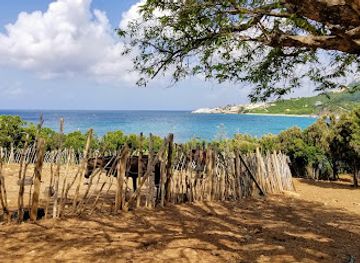
The most significant landmarks accessible from Sint Peters are concentrated in and around historic Philipsburg. Fort Amsterdam, on the peninsula between Great Bay and Little Bay, marks the strategic importance of the harbour and preserves the remains of an early Dutch fortification. The Courthouse on Front Street is one of Philipsburg's best-known civic buildings, recognised by its distinctive traditional town architecture and central position in the historic commercial district. The Sint Maarten Museum provides cultural context for buildings and landscapes across the island, while the Boardwalk and Great Bay waterfront reflect the modern importance of tourism and maritime commerce. The Old Street, with its traditional façades and narrow urban scale, contrasts with newer development and helps convey how Philipsburg evolved from a colonial harbour settlement into the island's administrative centre. These landmarks give residential Sint Peters a clear historical frame without implying that they stand within the district itself.
-
Cruise terminal
Port Of St. Maarten
Explore the vibrant Port of St. Maarten, your gateway to Caribbean culture, stunning beaches, and unforgettable adventures.
15 min drive · 4.8 km from city centre
-
Nature preserve
Loterie Farm
Explore the lush landscapes of Loterie Farm, where outdoor adventures meet exquisite dining in the heart of St. Martin's natural beauty.
9 min drive · 3.1 km from city centre
-
Market
Marigot Market
Explore the vibrant Marigot Market in St. Martin for an authentic taste of Caribbean culture, local crafts, and delicious cuisine.
8 min drive · 2.7 km from city centre
-
Park
Rainforest Adventures St Maarten
Explore the vibrant ecosystems and thrilling experiences at Rainforest Adventures St Maarten, where adventure and nature unite in paradise.
15 min walk · 1.2 km from city centre


Explore Sint Peters on the map
Plan your Sint Peters trip on one map. See where the top attractions, landmarks, restaurants, bars and hotels are, find what's near where you're staying, and book hotels and experiences in a few clicks.
Best hotels in Sint Peters
Best restaurants in Sint Peters
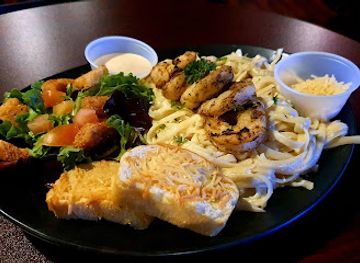
Dining in and around Sint Peters reflects the practical, mixed character of Dutch Sint Maarten, with local eateries and takeaways alongside restaurants serving Caribbean, Creole, Dutch, French and international food. Island specialities may include conch and whelk, grilled fish, stewed meats, goat, johnnycakes and saltfish, while barbecue stands and roadside food counters offer informal ways to eat beyond the resort areas. Nearby Philipsburg and Cole Bay provide a broader choice, from cafés and bakeries to casual restaurants, and Simpson Bay has one of the island's most developed dining concentrations. Menus often draw on the island's divided colonial history and its links with neighbouring Caribbean islands, so French-influenced dishes, American comfort food and regional seafood sit alongside local fare. Seafood availability can vary, and smaller establishments may favour cash and relaxed service rhythms.
-
Restaurant
Chesterfields Restaurant & Bar
Experience the vibrant flavors of Caribbean cuisine at Chesterfields Restaurant & Bar in Philipsburg - a culinary haven for tourists.
13 min drive · 4.5 km from city centre
-
Thai
Avantika
Savor authentic Thai flavors with a Caribbean twist at Avantika in Sint Maarten – where culinary artistry meets vibrant ambiance.
10 min drive · 3.3 km from city centre
-
Restaurant
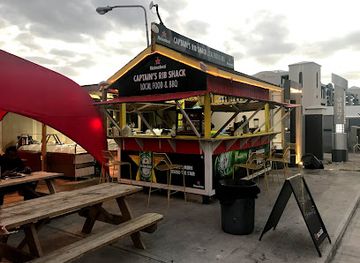
Captain’s Rib Shack
Experience delicious ribs and Caribbean cuisine at Captain’s Rib Shack in Simpson Bay - a true gem for food lovers!
10 min drive · 3.3 km from city centre
-
Restaurant
Little Jerusalem Restaurant SXM
Discover authentic Mediterranean flavors at Little Jerusalem Restaurant SXM in Simpson Bay—where delicious food meets warm hospitality.
10 min drive · 3.4 km from city centre



Best bars in Sint Peters
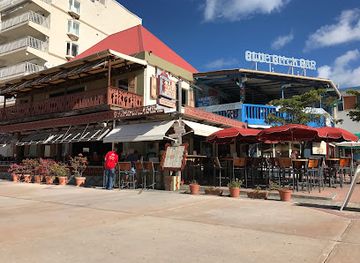
Nightlife is not concentrated in Sint Peters, whose residential streets are generally quiet after dark. For evening activity, visitors normally travel towards Philipsburg, Cole Bay or Simpson Bay, where bars, waterfront venues, live music and restaurants create the island's main social scene. Philipsburg offers relaxed drinks around the Boardwalk and historic town, while Simpson Bay is associated with a wider selection of late-evening venues and marina-side entertainment. Music may range from Caribbean styles and reggae to contemporary international sets, with atmosphere varying according to the season and local events. The Dutch side has a sociable bar culture, but venues and opening patterns can change, particularly after severe weather or during quieter periods. Taxis or a pre-arranged driver are preferable to walking back along poorly lit hillside roads at night.
-
Grill
Buccaneer Beach Bar
Experience the vibrant atmosphere and delicious grilled cuisine at Buccaneer Beach Bar in Simpson Bay, a premier destination for food and fun.
10 min drive · 3.5 km from city centre
-
Restaurant
Dinghy Dock Sailors Bar
Experience the charm of Dinghy Dock Sailors Bar in Simpson Bay, where delicious food and craft beers meet stunning marina views.
10 min drive · 3.4 km from city centre
-
Bar
Soggy Dollar Bar
Discover the vibrant atmosphere of Soggy Dollar Bar in Simpson Bay, Sint Maarten – where cocktails meet stunning Caribbean views.
10 min drive · 3.3 km from city centre
-
Caribbean
Taloula Mango’s / Blue Bitch Bar
Experience the vibrant flavors and stunning ocean views at Taloula Mango’s / Blue Bitch Bar in Philipsburg, Sint Maarten.
12 min drive · 4.0 km from city centre


Best nightclubs in Sint Peters
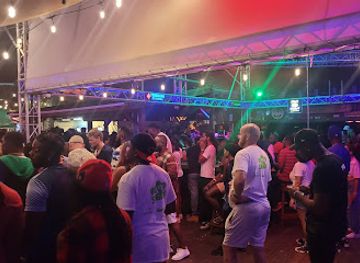
Nightlife is not concentrated in Sint Peters, whose residential streets are generally quiet after dark. For evening activity, visitors normally travel towards Philipsburg, Cole Bay or Simpson Bay, where bars, waterfront venues, live music and restaurants create the island's main social scene. Philipsburg offers relaxed drinks around the Boardwalk and historic town, while Simpson Bay is associated with a wider selection of late-evening venues and marina-side entertainment. Music may range from Caribbean styles and reggae to contemporary international sets, with atmosphere varying according to the season and local events. The Dutch side has a sociable bar culture, but venues and opening patterns can change, particularly after severe weather or during quieter periods. Taxis or a pre-arranged driver are preferable to walking back along poorly lit hillside roads at night.
-
Bar
Soggy Dollar Bar
Discover the vibrant Soggy Dollar Bar in Sint Maarten, where cocktails, sunsets, and island vibes blend for an unforgettable experience.
10 min drive · 3.3 km from city centre
-
Bar
Eros club
Experience the vibrant nightlife at Eros Club in Marigot, St. Martin, where exceptional drinks and lively entertainment await every visitor.
8 min drive · 2.6 km from city centre
-
Grill
The Mood Lounge
Experience the vibrant flavors of Sint Maarten at The Mood Lounge, where delicious grilled dishes meet a lively atmosphere for an unforgettable dining experience.
7 min drive · 2.2 km from city centre
-
 Bar
BarThe Green Bar
Discover the vibrant spirit of Sint Maarten at The Green Bar, where refreshing drinks and local flavors come together in a lively atmosphere.
7 min drive · 2.3 km from city centre

Best shops in Sint Peters
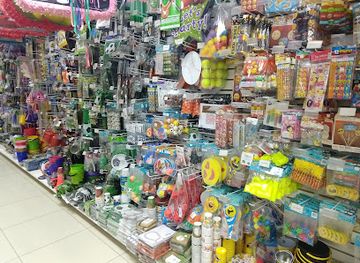
Sint Peters has a small-scale residential retail character rather than a dedicated shopping quarter. For a more substantial shopping outing, visitors generally head to Philipsburg, where Front Street and nearby streets combine jewellery shops, watches, clothing, souvenirs and locally oriented businesses with historic town scenery. The waterfront and market areas offer crafts, island-themed goods and food products, although the range and trading patterns can change. Cole Bay and Simpson Bay provide supermarkets, practical services and contemporary retail, while Marigot on the French side offers a different market and boutique atmosphere across the island border. Distinctive purchases may include Caribbean spices, rum-based products, sauces, artwork, handmade items and foodstuffs, but visitors should check labelling and customs rules before taking agricultural or animal products home. Shopping is best approached as part of the island's wider movement between communities rather than as a Sint Peters attraction.
-
Jewelry store
Jewels & Beyond
Explore Jewels & Beyond in Sint Maarten for an unforgettable shopping experience featuring exquisite jewelry, beachwear, and unique souvenirs.
17 min drive · 5.7 km from city centre
-
Shopping mall
Phillipsburg, Sint Maarten
Explore the vibrant shopping and cultural experiences in Phillipsburg, Sint Maarten, a must-visit destination in the Caribbean.
14 min drive · 4.8 km from city centre
-
Shopping mall
Sint Rose Shopping Mall
Discover the vibrant Sint Rose Shopping Mall in Philipsburg, where local treasures and global brands meet for an unforgettable shopping experience.
12 min drive · 4.0 km from city centre
-
Party store
Shop-4-Less
Explore the vibrant world of Shop-4-Less in Sint Maarten, where festive supplies and toys await every family and holiday enthusiast.
6 min drive · 1.9 km from city centre


Get your free copy of our complete guide to Sint Peters, delivered straight to you.
Everything on this page, from attractions and restaurants to essentials and local phrases, in one PDF you can read offline, print or share.
Already have an account? Sign in
Your Sint Peters guide is ready.
We'll send it to · Not you? Sign out

Getting your guide ready…
We are putting together a fresh copy of the Sint Peters guide. This can take up to a minute.
This can take a few moments. If your browser asks, choose Allow so the download can start. You'll find the guide in your Downloads folder.
Nothing happened? Download it again
Sorry, the guide is taking longer than usual. Please try again in a minute, or get it by email instead.
Sint Peters essentials
Currency and Payment
Safety
Emergency Situations
Do's and Don'ts
Local Tips
From Eve
Local phrases worth knowing
You don't need to get them perfect. A few words go a long way, and locals appreciate the effort.
Basics
| English | Local | Say it |
|---|---|---|
| Hello | Hallo | [hah-loh] |
| Goodbye | Ajo | [ah-yo] |
| Yes | Si | [see] |
| No | No | [noh] |
| Please/You're welcome | Por fabor | [por fah-bohr] |
| Thank you | Danki | [dahn-kee] |
| Excuse me/Sorry | Dispensa | [dees-pehn-sah] |
| How are you? | Kon ta bai? | [kohn tah bahy] |
| Fine. And you? | Bon. I boso? | [bohn ee boh-soh] |
| Do you speak English? | Bo ta papia Ingles? | [boh tah pah-pee-ah een-glehs] |
| I don't understand | Mi no ta kompronde | [mee noh tah kohm-prohn-deh] |
Eating & Drinking
| English | Local | Say it |
|---|---|---|
| I'd like to see the menu, please | Mi kier wak e menu, por fabor | [mee keer wak eh meh-noo pohr fah-bohr] |
| I don't eat meat | Mi no kome karni | [mee noh koh-meh kahr-nee] |
| Cheers! | Salud! | [sah-lood] |
| I would like to pay, please | Mi kier paga, por fabor | [mee keer pah-gah pohr fah-bohr] |
Emergencies
| English | Local | Say it |
|---|---|---|
| Help! | Yudami! | [yoo-dah-mee] |
| Go away! | Bai bai! | [bahy bahy] |
| Call the Police! | Yama polis! | [yah-mah poh-lis] |
| Call a doctor! | Yama un dokter! | [yah-mah oon dohk-tehr] |
| I'm lost | Mi a perde mi mes | [mee ah pehr-deh mee mehs] |
| I'm ill | Mi ta malu | [mee tah mah-loo] |
Shopping
| English | Local | Say it |
|---|---|---|
| I'd like to buy... | Mi kier kumpra... | [mee keer koom-prah] |
| I'm just looking | Mi ta mira solamente | [mee tah mee-rah soh-lah-men-teh] |
| How much is it? | Kuantu esaki ta kosta? | [kwan-too eh-sah-kee tah kohs-tah] |
| That's too expensive | Esaki ta muchu karu | [eh-sah-kee tah moo-choo kah-roo] |
| Can you lower the price? | Bo por baha e preis? | [boh pohr bah-hah eh preys] |
Time & Numbers
| English | Local | Say it |
|---|---|---|
| What time is it? | Ki ora e ta? | [kee oh-rah eh tah] |
| It's one o'clock | E ta un ora | [eh tah oon oh-rah] |
| Half past (10) | Diez y mitar | [dee-ehs ee mee-tahr] |
| Morning | Marduga | [mahr-doo-gah] |
| Afternoon | Atardi | [ah-tahr-dee] |
| Evening | Anochi | [ah-noh-chee] |
| Yesterday | Ayera | [ah-yeh-rah] |
| Today | Awe | [ah-weh] |
| Tomorrow | Mañana | [mah-nyah-nah] |
| 1 | Uno | [oo-noh] |
| 2 | Dos | [dohs] |
| 3 | Tres | [trehs] |
| 4 | Cuatro | [kwah-troh] |
| 5 | Cinco | [seen-koh] |
| 6 | Seis | [seys] |
| 7 | Siete | [syeh-teh] |
| 8 | Ocho | [oh-choh] |
| 9 | Nueve | [nweh-veh] |
| 10 | Diez | [dee-ehs] |
Transport & Directions
| English | Local | Say it |
|---|---|---|
| Where's a/the...? | Unda tin un/e... | [oon-dah teen oon/eh] |
| What's the address? | Kua ta e adres? | [kwah tah eh ah-drehs] |
| Can you show me (on the map)? | Bo por mustra mi (riba e mapa)? | [boh pohr moos-trah mee ree-bah eh mah-pah] |
| When's the next (bus)? | Kiko ora e siguiente (bus)? | [kee-koh oh-rah eh see-gwee-ehn-teh boos] |
| A ticket (to ....) | Un biahe (pa ....) | [oon byah-heh pah] |
History of Sint Peters
Indigenous Island Communities
Long before European settlement, Saint-Martin and Sint Maarten were inhabited by Indigenous peoples, including Arawakan-speaking communities whose lives were connected to fishing, farming and movement around the Lesser Antilles. Archaeological evidence across the island records settlement and exchange before sustained European colonisation. Sint Peters has no separate documented foundation story comparable to a chartered European town; its history is best understood through the wider development of the island's interior and the growth of settlements around the southern coast. The landscape of hills, valleys and coastal plains provided routes between communities and later became important to plantation owners, farmers and workers.
The Island’s Shared Colonial History
European rivalry transformed the island during the seventeenth century. In 1648, France and the Dutch Republic formalised the division of Saint-Martin/Sint Maarten, an arrangement that remains one of the island's defining political characteristics. The Dutch side developed around the harbour settlement of Philipsburg, while smaller roads and settlements extended into the surrounding hills. Sint Peters belongs to this wider hinterland rather than to the historic core of Philipsburg. The border did not create two entirely separate societies: trade, family connections and movement continued across the island, producing the bilingual and culturally mixed environment visitors encounter today.
Salt, Plantations and Labour
For centuries, salt gathering, agriculture and livestock supported the island economy alongside maritime trade. Salt ponds near Philipsburg and Great Bay were commercially important, while plantations and estates occupied more fertile parts of the island and depended on African enslaved labour during the colonial period. After emancipation in the nineteenth century, economic life changed, and many former plantation areas gradually became residential or overgrown landscapes. The hills around Sint Peters form part of this broader transition from estate and agricultural land to dispersed settlement. The physical geography still helps explain the pattern of roads and communities beyond the capital.
Tourism and Urban Expansion
During the twentieth century, improved transport, maritime links and the growth of tourism reshaped Dutch Sint Maarten. Philipsburg remained the administrative and historic centre, while Simpson Bay, Cole Bay and inland districts expanded as homes, businesses and services spread along the main road network. Sint Peters developed within this period of residential growth, benefiting from its position between the capital and the island's western commercial areas. Tourism brought new employment and infrastructure, but it also increased pressure on land, roads and coastal environments, making the contrast between hillside neighbourhoods and resort areas increasingly pronounced.
Hurricanes and Rebuilding
Severe hurricanes are an important part of Sint Maarten's modern experience. Hurricane Luis caused extensive damage in 1995, and Hurricane Irma struck in September 2017 with catastrophic force, damaging homes, businesses, vegetation, infrastructure and heritage buildings across the island. Sint Peters, like other inland and hillside districts, was part of the island-wide recovery rather than an isolated historic event. Rebuilding altered parts of the built environment and reinforced the importance of hurricane-resistant construction, emergency preparation and resilient infrastructure. Contemporary Sint Peters therefore reflects both long-term residential expansion and the continuing need to adapt to a hurricane-prone Caribbean climate.
Sint Peters in Photos
Browse through our photo collection highlighting the charm and character of the destination.
Cities near Sint Peters
The closest cities to Sint Peters, if you have time for more than one stop.
-

-

-


Swipe for more cities
Explore more

Explore more of Sint Maarten
Discover Sint Maarten: A Caribbean paradise with a blend of Dutch and French cultures, stunning beaches, vibrant nightlife, and unforgettable experiences.
Explore Sint Maarten