

Free Cole Bay Travel Guide & Mobile App
Plan your Cole Bay trip with Evendo. Get free guides to top attractions, restaurants, hotels, and bars. Web access or download the mobile app.


Cole Bay, Sint Maarten, pairs lagoon views, hillside roads and convenient access to Dutch-side beaches, island cuisine, shopping and Caribbean sightseeing.
A Convenient Dutch-Side Base
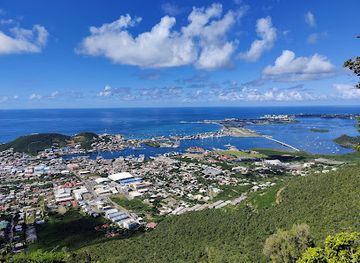
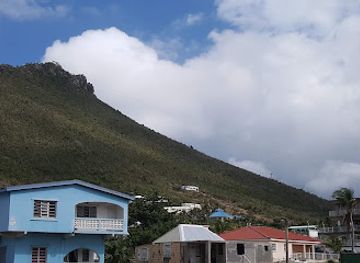
Cole Bay occupies a strategic position on the south-western side of Sint Maarten, between the island’s capital, Philipsburg, and the resort and airport area around Simpson Bay. Rather than a compact historic centre, it is a road-oriented district of homes, businesses, restaurants and hillside communities, valued for its accessibility and broad views across Simpson Bay Lagoon. The surrounding slopes rise quickly from the developed coastal corridor, giving Cole Bay a distinctly Caribbean landscape of green hills, winding roads and busy commercial strips.Read more about Cole Bay
Lagoon, Roads and Island Life
A Crossroads of Sint Maarten
When is the best time to visit Cole Bay?
Best: January–March · 31–32°C| Month | High (°C) | Rainfall (mm) |
|---|---|---|
| January (best) | 31 | 65 |
| February (best) | 31 | 54 |
| March (best) | 32 | 55 |
| April | 32 | 59 |
| May | 32 | 91 |
| June | 33 | 96 |
| July | 33 | 95 |
| August | 33 | 115 |
| September | 33 | 154 |
| October | 32 | 151 |
| November | 32 | 113 |
| December | 31 | 96 |
Getting to and around Cole Bay
How to get there
Transportation
Best attractions in Cole Bay
Cole Bay’s principal appeal lies in its setting and connections rather than a concentration of formal monuments. Simpson Bay Lagoon, one of the island’s defining waterways, brings together marinas, sailing activity and waterfront views, while the roads through Cole Bay lead quickly towards the beaches and entertainment of Simpson Bay. Visitors can explore the nearby Maho area, known for its airport-side beach setting, or travel east to Philipsburg for the Boardwalk, Great Bay Beach and the town’s museums and historic streets. The Cole Bay hills provide changing perspectives over the lagoon and densely settled coastline, although roadside viewpoints should be approached carefully. Marine excursions departing from the Dutch side offer another way to experience the island’s bays and neighbouring waters. The district itself is also a useful window onto everyday Sint Maarten, with local businesses, casual eateries and a multicultural population beyond the resort zones.
-
Tourist attraction
Paradise Casino
Discover the excitement of Paradise Casino in Sint Maarten, where gaming, live entertainment, and vibrant nightlife create unforgettable experiences.
8 min walk · 0.7 km from city centre
-
Tourist attraction
I left my heart in St. Maarten - Wall Mural
Experience the vibrant spirit of St. Maarten at the iconic 'I Left My Heart in St. Maarten' wall mural in Philipsburg, a must-see for every traveler.
10 min drive · 3.5 km from city centre
-
Tourist attraction
St. Maarten
Experience St. Maarten: A Caribbean jewel with stunning beaches, vibrant culture, and endless adventures awaits every traveler.
7 min drive · 2.3 km from city centre
-
 Park
ParkGreat Salt Pond birding area
Explore the Great Salt Pond Birding Area in Sint Maarten, a paradise for birdwatchers and nature lovers with stunning views and diverse wildlife.
9 min drive · 2.8 km from city centre


Best landmarks in Cole Bay
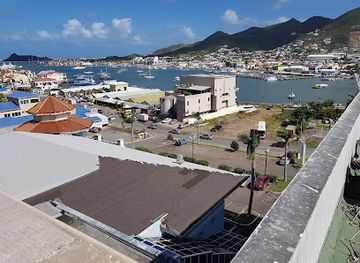
Cole Bay has few monumental landmarks of its own, but its position places several important Dutch-side sites within reach. The Causeway Bridge and Simpson Bay Lagoon represent the island’s modern maritime infrastructure, linking roads and boating activity around one of Sint Maarten’s most recognisable waterways. In Philipsburg, Fort Amsterdam occupies a historic promontory above Great Bay and reflects the strategic military history of the Dutch settlement, while Fort Willem stands on a hill overlooking the capital. The eighteenth-century Courthouse on Front Street is one of Philipsburg’s best-known civic buildings, and the town’s wooden and masonry commercial architecture records its development as a port. These landmarks belong to different parts of the Dutch side rather than to Cole Bay proper, but they help explain the political, maritime and commercial landscape in which the district developed.
-
Park
Rainforest Adventures St Maarten
Discover the breathtaking beauty and thrilling adventures at Rainforest Adventures St Maarten, where nature meets excitement in a lush tropical paradise.
6 min drive · 2.0 km from city centre
-
Tourist attraction
Topper's Rhum Distillery
Experience the craft of rum-making at Topper's Rhum Distillery in Cole Bay, Sint Maarten, where tradition meets a tantalizing tasting journey.
8 min walk · 0.6 km from city centre
-
Restaurant
Pineapple Pete Restaurant
Experience Caribbean culinary delights at Pineapple Pete Restaurant, a vibrant dining spot in Cole Bay, Sint Maarten, perfect for tourists and food lovers alike.
8 min walk · 0.6 km from city centre
-
Supermarket
Carrefour Market, Colebay
Discover a treasure trove of local and international products at Carrefour Market in Colebay, your ultimate supermarket destination in Sint Maarten.
15 min walk · 1.2 km from city centre

Explore Cole Bay on the map
Plan your Cole Bay trip on one map. See where the top attractions, landmarks, restaurants, bars and hotels are, find what's near where you're staying, and book hotels and experiences in a few clicks.
Best hotels in Cole Bay
Best restaurants in Cole Bay
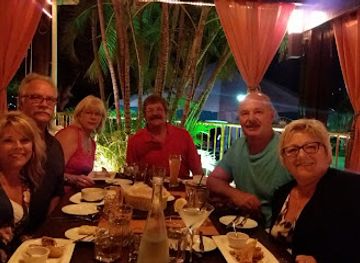
Cole Bay forms part of the Dutch side’s broad dining corridor, with restaurants ranging from casual Caribbean cooking and takeaway counters to international menus serving visitors, residents and marina traffic. Local fare commonly reflects the island’s Creole, Dutch, French and wider Caribbean influences, with seafood, grilled meats, rice dishes, stews and savoury sides appearing alongside burgers, pizzas and Asian-inspired food. The nearby Simpson Bay waterfront adds restaurants connected with boating and tourism, while smaller establishments in and around Cole Bay provide a less formal setting for everyday meals. Sint Maarten’s celebrated multicultural population also means that French pastries, Dutch snacks and regional Caribbean specialities can sit comfortably within the same food landscape. Menus and businesses change, so neighbourhood recommendations are best checked locally rather than treated as permanent fixtures.
-
Restaurant
Pineapple Pete Restaurant
Experience vibrant Caribbean cuisine at Pineapple Pete Restaurant in Cole Bay, where delicious flavors meet lively entertainment.
8 min walk · 0.6 km from city centre
-
Thai
Avantika
Discover authentic Thai cuisine at Avantika in Sint Maarten – where every dish is a flavorful journey into Thailand's culinary heart.
13 min walk · 1.1 km from city centre
-
Restaurant
REVEIL MATIN SXM BREAKFAST & LUNCH
Experience the vibrant flavors of Sint Maarten at Reveil Matin SXM, your go-to breakfast and lunch spot with stunning views.
10 min walk · 0.8 km from city centre
-
Restaurant
Topper's Restaurant & Bar
Experience vibrant dining at Topper's Restaurant & Bar in Simpson Bay—where delicious cuisine meets lively entertainment!
8 min walk · 0.6 km from city centre
Best bars in Cole Bay
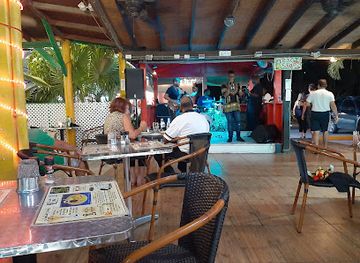
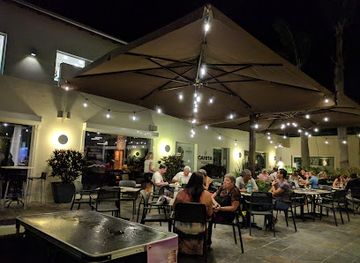
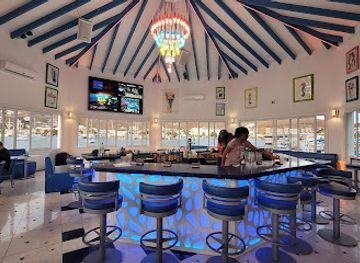
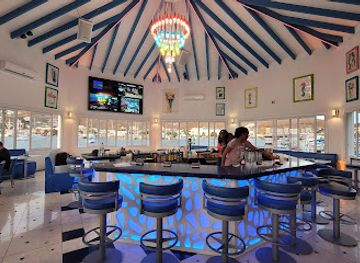
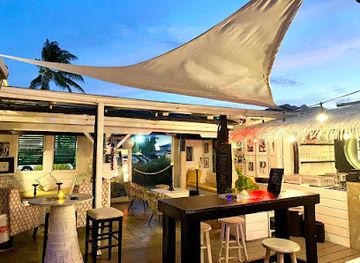
Evenings in Cole Bay are closely linked with the wider Simpson Bay and Maho entertainment areas, where the atmosphere ranges from relaxed waterfront drinks and marina-side conversation to live music and late-night venues. Cole Bay itself is more mixed residential and commercial than a single nightlife quarter, so after-dark activity is dispersed among restaurants, bars and businesses along the main roads. Simpson Bay offers the strongest concentration of visitor-oriented evening entertainment, while Philipsburg is generally quieter after its daytime shopping and cruise activity. Nightlife on Sint Maarten is international in character, reflecting Dutch, French, Caribbean and American influences, but visitors should not assume every venue operates late or year-round. Taxis and designated drivers are sensible choices on hilly roads, and walking between separated areas may be impractical after dark.
-
Grill
Buccaneer Beach Bar
Discover Buccaneer Beach Bar in Simpson Bay, where delicious grilled dishes meet stunning Caribbean views for an unforgettable dining experience.
15 min walk · 1.2 km from city centre
-
Bar
Topper's Restaurant & Bar
Enjoy delicious meals and vibrant nightlife at Topper's Restaurant & Bar in Simpson Bay, the heart of Sint Maarten's culinary scene.
8 min walk · 0.6 km from city centre
-
Grill
Nowhere Special
Discover Nowhere Special in Simpson Bay: a vibrant grill bar offering delicious food, live music, and an unforgettable atmosphere!
16 min walk · 1.3 km from city centre
-
Restaurant
Palapa Hidden Oasis SXM
Discover a hidden culinary oasis in Simpson Bay, Sint Maarten, offering exquisite cuisine, vibrant cocktails, and a captivating atmosphere.
5 min drive · 1.6 km from city centre

Best nightclubs in Cole Bay
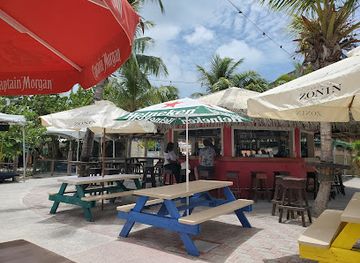
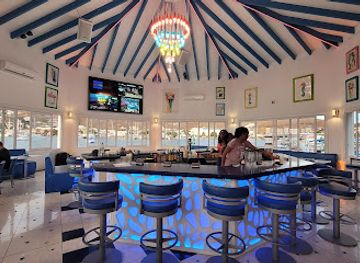
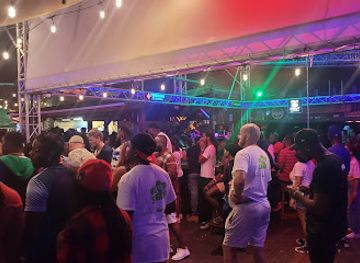
Evenings in Cole Bay are closely linked with the wider Simpson Bay and Maho entertainment areas, where the atmosphere ranges from relaxed waterfront drinks and marina-side conversation to live music and late-night venues. Cole Bay itself is more mixed residential and commercial than a single nightlife quarter, so after-dark activity is dispersed among restaurants, bars and businesses along the main roads. Simpson Bay offers the strongest concentration of visitor-oriented evening entertainment, while Philipsburg is generally quieter after its daytime shopping and cruise activity. Nightlife on Sint Maarten is international in character, reflecting Dutch, French, Caribbean and American influences, but visitors should not assume every venue operates late or year-round. Taxis and designated drivers are sensible choices on hilly roads, and walking between separated areas may be impractical after dark.
-
Restaurant
Topper's Restaurant & Bar
Discover the perfect blend of Caribbean flavor and vibrant nightlife at Topper's Restaurant & Bar in Simpson Bay, Sint Maarten.
8 min walk · 0.6 km from city centre
-
Bar
Soggy Dollar Bar
Experience the vibrant nightlife and breathtaking views at Soggy Dollar Bar in Simpson Bay, Sint Maarten, where every sunset is a celebration.
5 min drive · 1.5 km from city centre
-
Restaurant
Melange Grill St Maarten
Melange Grill St Maarten: A Culinary Oasis of Barbecue, Seafood, and Cocktails in the Heart of Cole Bay.
12 min walk · 1.0 km from city centre
-
Club
Lotus Nightclub Sxm
Lotus Nightclub SXM: The ultimate nightlife experience in Simpson Bay, where music, dancing, and Caribbean vibes unite.
14 min walk · 1.1 km from city centre

Best shops in Cole Bay
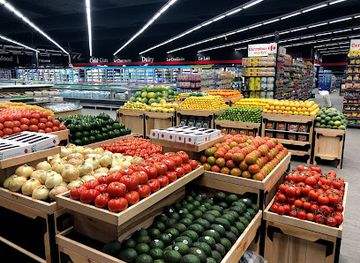
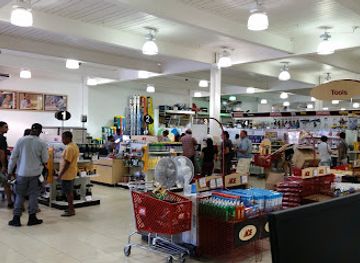
Shopping in Cole Bay is primarily practical and local, with supermarkets, services, specialist businesses and small retail outlets serving residents and visitors moving between Simpson Bay and Philipsburg. The nearby Simpson Bay area adds shops connected with boating, beach life and tourism, while Philipsburg provides the Dutch side’s most concentrated visitor shopping, especially along Front Street and the Boardwalk. Visitors will find Caribbean food products, rum and other island-made goods alongside jewellery, clothing, souvenirs and international brands. Markets and small independent businesses can offer a more local perspective than cruise-oriented retail, although stock and opening patterns vary. The Dutch and French sides have distinct commercial atmospheres, so browsing both can reveal differences in products, language and pricing without requiring a long journey across the island.
-
Supermarket
Carrefour Market, Colebay
Explore Carrefour Market in Colebay for a delightful shopping experience filled with local flavors and essential supplies during your Sint Maarten visit.
15 min walk · 1.2 km from city centre
-
Hardware store
ACE Mega Center
Discover a world of shopping at ACE Mega Center in Sint Maarten, where hardware meets local charm and endless possibilities await.
7 min walk · 0.6 km from city centre
-
Bakery
Carl & Sons Unique Bakery
Explore Carl & Sons Unique Bakery in Cole Bay, Sint Maarten - a delightful stop for fresh pastries, artisan bread, and local Caribbean treats.
2 min walk · 0.2 km from city centre
-
Marine supply store
Budget Marine
Explore Budget Marine for top-notch marine supplies and expert advice in the heart of Sint Maarten's stunning waterfront.
4 min walk · 0.3 km from city centre


Get your free copy of our complete guide to Cole Bay, delivered straight to you.
Everything on this page, from attractions and restaurants to essentials and local phrases, in one PDF you can read offline, print or share.
Already have an account? Sign in
Your Cole Bay guide is ready.
We'll send it to · Not you? Sign out

Getting your guide ready…
We are putting together a fresh copy of the Cole Bay guide. This can take up to a minute.
This can take a few moments. If your browser asks, choose Allow so the download can start. You'll find the guide in your Downloads folder.
Nothing happened? Download it again
Sorry, the guide is taking longer than usual. Please try again in a minute, or get it by email instead.
Cole Bay essentials
Currency and Payment
Safety
Emergency Situations
Do's and Don'ts
Local Tips
From Eve
Local phrases worth knowing
You don't need to get them perfect. A few words go a long way, and locals appreciate the effort.
Basics
| English | Local | Say it |
|---|---|---|
| Hello | Hallo | [ha-lo] |
| Goodbye | Ayo | [ah-yo] |
| Yes | Si | [see] |
| No | No | [no] |
| Please/You're welcome | Por fabor | [por fa-bor] |
| Thank you | Danki | [dan-ki] |
| Excuse me/Sorry | Sori | [so-ree] |
| How are you? | Kon ta bai? | [kon ta ba-ee?] |
| Fine. And you? | Bon. I bo? | [bon. ee bo?] |
| Do you speak English? | Bo papia Ingles? | [bo pa-pee-ah een-gles?] |
| I don't understand | Mi no ta kompronde | [mee no ta kom-pron-de] |
Eating & Drinking
| English | Local | Say it |
|---|---|---|
| I'd like to see the menu, please | Mi kier wak e menu, por fabor | [mee keer wak e me-nu, por fa-bor] |
| I don't eat meat | Mi no kome karni | [mee no ko-me kar-nee] |
| Cheers! | Salud! | [sa-lood] |
| I would like to pay, please | Mi ke paga, por fabor | [mee ke pa-ga, por fa-bor] |
Emergencies
| English | Local | Say it |
|---|---|---|
| Help! | Yudami! | [yu-da-mee] |
| Go away! | Bay bek! | [ba-ee bek] |
| Call the Police! | Yama polis! | [ya-ma po-lis] |
| Call a doctor! | Yama un dokter! | [ya-ma oon dok-ter] |
| I'm lost | Mi a perde mi mes | [mee a per-de mee mes] |
| I'm ill | Mi ta malu | [mee ta ma-loo] |
Shopping
| English | Local | Say it |
|---|---|---|
| I'd like to buy... | Mi kier kumpra... | [mee keer koom-pra] |
| I'm just looking | Mi ta solamente mira | [mee ta so-la-men-te mee-ra] |
| How much is it? | Kuantu e kos ta? | [kwan-too e kos ta?] |
| That's too expensive | Esaki ta muchu karu | [eh-sa-kee ta moo-cho ka-roo] |
| Can you lower the price? | Bo por baha e preis? | [bo por ba-ha e preis?] |
Time & Numbers
| English | Local | Say it |
|---|---|---|
| What time is it? | Kuantu ora e ta? | [kwan-too o-ra e ta?] |
| It's one o'clock | Ta un ora | [ta oon o-ra] |
| Half past (10) | Mei ora | [may o-ra] |
| Morning | Mardugá | [mar-doo-ga] |
| Afternoon | Mèrdia | [mer-dya] |
| Evening | Anochi | [a-no-shee] |
| Yesterday | Ayera | [a-ye-ra] |
| Today | Awe | [a-we] |
| Tomorrow | Mañana | [ma-nya-na] |
| 1 | Uno | [oo-no] |
| 2 | Dos | [dos] |
| 3 | Tres | [tres] |
| 4 | Cuatro | [kwa-tro] |
| 5 | Cinco | [seen-ko] |
| 6 | Seis | [say-s] |
| 7 | Siete | [syet-eh] |
| 8 | Ocho | [o-cho] |
| 9 | Nueve | [nwe-ve] |
| 10 | Diez | [dee-eth] |
Transport & Directions
| English | Local | Say it |
|---|---|---|
| Where's a/the...? | Unda ta e...? | [oon-da ta e] |
| What's the address? | Kua e adres? | [kwa e a-dres] |
| Can you show me (on the map)? | Bo por mustra mi (riba e mapa)? | [bo por moos-tra mee (ree-ba e ma-pa)] |
| When's the next (bus)? | Ki ora e siguiente (bus)? | [kee o-ra e see-gwee-ente (boos)] |
| A ticket (to ....) | Un tiki (pa ....) | [oon tee-kee (pa)] |
History of Cole Bay
Indigenous Settlement Before Colonisation
Sint Maarten was inhabited by Indigenous peoples long before European settlement, with archaeological evidence indicating Amerindian communities used the island’s coastal and inland environments. The island’s bays, salt ponds and sheltered waters supported fishing, gathering and movement between settlements. Cole Bay’s modern built environment has largely replaced earlier landscapes, so its earliest human history is best understood within the wider context of the island rather than through a surviving historic core. The place-name landscape and archaeological record nevertheless point to a long relationship between people, hills, lagoons and the sea.
European Rivalry in the Caribbean
European colonisation transformed Sint Maarten from the seventeenth century onwards. The island’s salt resources attracted competing powers, while Dutch and French interests gradually became dominant. In 1648, the Treaty of Concordia established the division that still distinguishes Dutch Sint Maarten from French Saint-Martin, although the boundary has generally remained open in everyday life. Cole Bay developed on the Dutch side within this wider colonial landscape, linked to settlements, plantations, salt-working areas and coastal routes rather than emerging as a fortified capital of its own.
Salt, Agriculture and Coastal Trade
For centuries, the island economy combined salt production, small-scale agriculture, livestock, fishing and maritime trade. The low-lying salt ponds and lagoon environments were economically important, while the surrounding hills supported rural settlement. Cole Bay’s position near Simpson Bay Lagoon placed it within a network of roads and coastal activity connecting Dutch-side communities. Much of this working landscape has since been altered by urban growth, marinas and tourism, but the lagoon and hills remain visible reminders of the environmental setting that shaped settlement.
The Growth of the Dutch Side
During the twentieth century, improved roads, aviation and international tourism changed Sint Maarten’s scale and economy. Philipsburg remained the governmental and commercial centre, while Simpson Bay became increasingly associated with the airport, marinas, hotels and leisure services. Cole Bay grew as a connected residential and commercial district along the routes between these areas. Its modern identity therefore reflects mobility and expansion rather than a preserved colonial townscape, with businesses, housing and roadside development occupying land that was once more rural.
Hurricanes and Contemporary Resilience
Severe hurricanes have repeatedly affected Sint Maarten, with Hurricane Luis in 1995 and Hurricane Irma in 2017 causing extensive damage across the island. Irma particularly disrupted homes, businesses, transport and tourism, including communities around Cole Bay and Simpson Bay. Reconstruction reinforced the importance of resilient buildings, dependable roads and diversified local services, although the effects of storm exposure remain part of everyday life. Contemporary Cole Bay is consequently shaped not only by tourism and cross-island movement but also by the continuing need to adapt to a hurricane-prone Caribbean environment.
Cole Bay in Photos
Browse through our photo collection highlighting the charm and character of the destination.
Cities near Cole Bay
The closest cities to Cole Bay, if you have time for more than one stop.
-

-

-


Swipe for more cities
Explore more

Explore more of Sint Maarten
Discover Sint Maarten: A Caribbean paradise with a blend of Dutch and French cultures, stunning beaches, vibrant nightlife, and unforgettable experiences.
Explore Sint Maarten