

Free Mogadishu Travel Guide & Mobile App
Plan your Mogadishu trip with Evendo. Get free guides to top attractions, restaurants, hotels, and bars. Web access or download the mobile app.


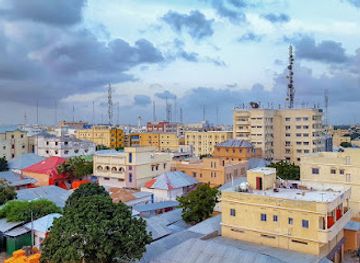
Mogadishu reveals Somalia’s Indian Ocean heritage through coral-stone mosques, Hamar Weyne markets, coastal culture and a complex modern history.
Coastal Heritage
Mogadishu stands on Somalia’s Banaadir coast, where the western Indian Ocean has shaped the city’s commerce, architecture and cultural identity for centuries. Its old quarters, including Hamar Weyne and Shangaani, preserve traces of a trading city connected with Arabia, Persia, the Swahili coast and the wider Indian Ocean world. Coral-stone buildings, narrow lanes, mosques and market streets reflect this maritime history, although the historic fabric has been altered by conflict and rapid urban change.Read more about Mogadishu
Markets, Mosques and the Sea
A Capital Rebuilding
When is the best time to visit Mogadishu?
Best: January–March · 32–33°C| Month | High (°C) | Rainfall (mm) |
|---|---|---|
| January (best) | 32 | 2 |
| February (best) | 33 | 3 |
| March (best) | 33 | 3 |
| April | 34 | 4 |
| May | 34 | 5 |
| June | 35 | 5 |
| July | 35 | 4 |
| August | 36 | 3 |
| September | 35 | 3 |
| October | 35 | 3 |
| November | 34 | 3 |
| December | 34 | 2 |
Getting to and around Mogadishu
How to get there
Transportation
Best attractions in Mogadishu
Mogadishu’s attractions are closely tied to its history and coastline. In Hamar Weyne, market lanes and older coral-stone buildings offer glimpses of the city’s medieval trading tradition, while the Fakr ad-Din Mosque and Arba-Rucun Mosque represent its enduring Islamic heritage; visits require local permission and careful attention to security. The remains of the Italian colonial centre and the old cathedral provide a more recent architectural layer, though many structures are damaged or not open as conventional tourist sites. Liido Beach is the city’s best-known public shoreline, with Indian Ocean views and a social atmosphere that changes according to local conditions. Mogadishu’s port, fishing activity, cafés and busy commercial streets reveal everyday life more clearly than a formal museum circuit. Because access, safety and photography rules can change quickly, sightseeing is normally conducted with trusted local arrangements rather than independently.
-
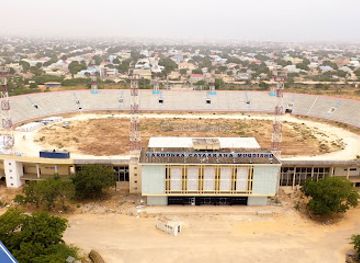
Stadium
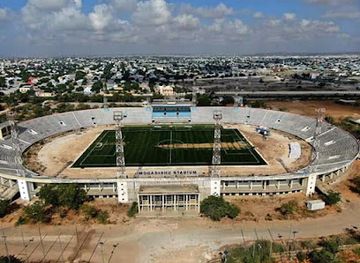
Mogadishu Football Stadium
Discover the vibrant atmosphere of Mogadishu Football Stadium, where local culture and thrilling football unite in an exhilarating experience.
6 min drive · 1.9 km from city centre
-
Tourist attraction
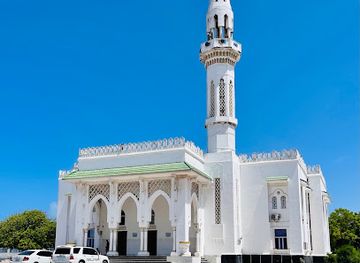
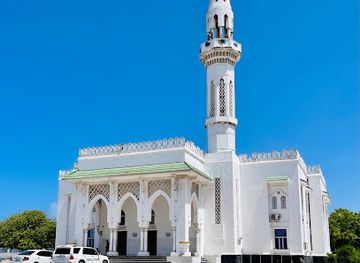
Masjidka Isbahaysiga,(Mogadishu Central Mosque)
Discover the beauty and spirituality of Masjidka Isbahaysiga, Mogadishu's central mosque, a cultural treasure in the heart of Somalia.
14 min drive · 4.8 km from city centre
-
Garden
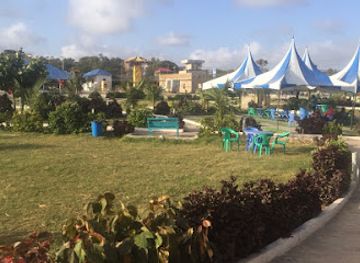
Peace Garden Park
Discover tranquility in Mogadishu's Peace Garden Park, a lush oasis for relaxation, recreation, and cultural exploration amidst the vibrant city.
15 min drive · 5.0 km from city centre
-
Market
Bakaara Market
Discover the vibrant colors, sounds, and flavors of Mogadishu at Bakaara Market, a bustling hub of local commerce and culture.
10 min drive · 3.4 km from city centre
Best landmarks in Mogadishu
Mogadishu’s principal landmarks embody its long Islamic and maritime history as well as the disruptions of the modern era. The Fakr ad-Din Mosque, traditionally dated to 1269, is associated with the city’s medieval Muslim trading society and is notable for its coral-stone construction. The Arba-Rucun Mosque, or Mosque of the Forty Pillars, is another important surviving religious monument from the historic port. In the former colonial centre, the damaged Mogadishu Cathedral recalls the Italian period and the city’s once more extensive European civic architecture. Hamar Weyne’s older urban fabric, with narrow streets, market buildings and weathered coral masonry, is itself a cultural landmark rather than a single monument. The port and coastline remain central symbols of Mogadishu’s identity, linking the capital to the Indian Ocean networks that shaped its development.
-
International airport
Aden Adde International Airport
Discover Somalia through Aden Adde International Airport, the vibrant gateway to Mogadishu's rich culture and stunning landscapes.
21 min drive · 7.0 km from city centre
-
Stadium
Mogadishu Football Stadium
Experience the vibrant spirit of Somali sports at Mogadishu Football Stadium, where football unites the community and celebrates cultural heritage.
6 min drive · 1.9 km from city centre
-
 Hotel
HotelDecale hotel فندق ديكيل
Experience the comfort of Decale Hotel in the heart of Mogadishu, where modern amenities meet rich Somali hospitality near the airport.
21 min drive · 6.9 km from city centre
-
Mosque
Masjidka Isbahaysiga,(Mogadishu Central Mosque)
Discover the stunning Masjidka Isbahaysiga in Mogadishu, an architectural wonder and vibrant cultural hub showcasing Somalia's rich heritage.
14 min drive · 4.8 km from city centre
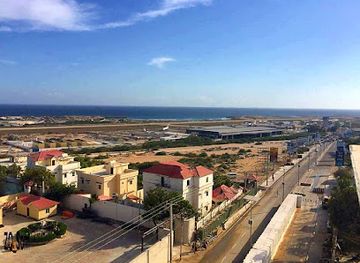
Explore Mogadishu on the map
Plan your Mogadishu trip on one map. See where the top attractions, landmarks, restaurants, bars and hotels are, find what's near where you're staying, and book hotels and experiences in a few clicks.
Best hotels in Mogadishu
Best restaurants in Mogadishu
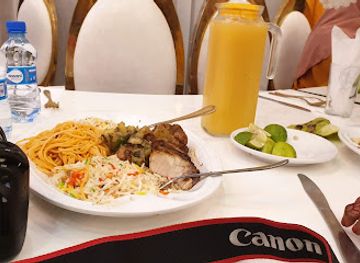
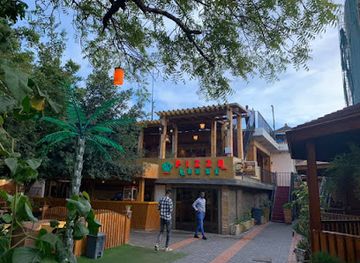
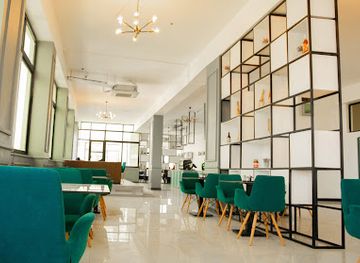
Mogadishu’s food culture reflects Somali pastoral traditions, the fertile Shabeelle and Jubba regions, and centuries of Indian Ocean exchange. Rice served with spiced meat, chicken or fish is common, while dishes such as canjeero, a fermented flatbread, and sambuus, the Somali adaptation of samosa, appear in homes, cafés and casual eateries. Goat, camel and beef are widely eaten, and coastal restaurants may serve grilled fish, lobster or other seafood when supplies permit. Tea flavoured with spices and sweet Somali coffee accompany conversation throughout the day. Hamar Weyne and other commercial districts contain small restaurants and market stalls, while newer cafés and beachfront venues cater to residents and diaspora visitors. Dining is generally informal, halal and communal, with the right hand traditionally used for eating. Conditions, opening patterns and standards vary, so local introductions are valuable.
-
Restaurant
Karmel Hotel And Restaurant
Experience the rich flavors of Somalia at Karmel Hotel and Restaurant - where tradition meets modern hospitality in Mogadishu.
15 min drive · 4.9 km from city centre
-
Fast Food
Pizza House
Discover the best fast food experience at Pizza House in Mogadishu—where every slice tells a story.
15 min drive · 5.0 km from city centre
-
Fish restaurant
Beach View restaurant
Discover exquisite seafood dining with breathtaking ocean views at Beach View Restaurant in Mogadishu.
18 min drive · 6.1 km from city centre
-
Restaurant
Carshi
Discover the rich flavors of Somali cuisine at Carshi in Mogadishu – where every dish tells a story.
20 min drive · 6.8 km from city centre
Best bars in Mogadishu
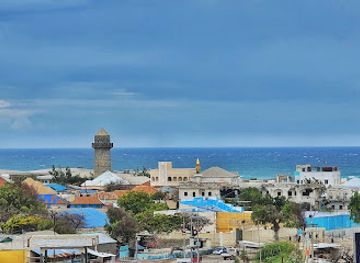
Mogadishu does not have a conventional bar and nightclub scene: alcohol is prohibited in public under Somalia’s Islamic legal and social framework, and nightlife is further limited by security conditions. Evenings are more likely to centre on tea houses, coffee shops, family restaurants and private gatherings than on licensed drinking venues. Restaurants and cafés around commercial districts and the Liido area can provide sociable settings, although access and operating patterns depend on current security advice. Somali poetry, music, conversation and televised football are important forms of leisure, while private cultural events may include traditional singing or performances. Visitors should avoid assuming that a busy evening district is safe for casual wandering, and should return to accommodation according to an agreed security plan rather than travelling spontaneously after dark.
-
Bar
Baar FIAT
Experience the vibrant nightlife of Mogadishu at Baar FIAT, where traditional Somali flavors meet modern bar culture.
15 min drive · 5.1 km from city centre
-
Bar
Mounta Sinay
Experience the vibrant spirit of Mogadishu at Mounta Sinay, a lively bar perfect for socializing and enjoying local beverages.
15 min drive · 4.9 km from city centre
-
Bar
Relax place
Experience the vibrant local nightlife at Relax Place, a lively bar in Mogadishu, perfect for unwinding and enjoying delicious drinks.
16 min drive · 5.4 km from city centre
-
Grill
Sadaxda Geed
Discover the vibrant flavors of Sadaxda Geed, Mogadishu's premier grill restaurant, blending traditional Somali cuisine with modern flair.
15 min drive · 5.1 km from city centre

Best nightclubs in Mogadishu
Mogadishu does not have a conventional bar and nightclub scene: alcohol is prohibited in public under Somalia’s Islamic legal and social framework, and nightlife is further limited by security conditions. Evenings are more likely to centre on tea houses, coffee shops, family restaurants and private gatherings than on licensed drinking venues. Restaurants and cafés around commercial districts and the Liido area can provide sociable settings, although access and operating patterns depend on current security advice. Somali poetry, music, conversation and televised football are important forms of leisure, while private cultural events may include traditional singing or performances. Visitors should avoid assuming that a busy evening district is safe for casual wandering, and should return to accommodation according to an agreed security plan rather than travelling spontaneously after dark.
-
Night club
Banadir Beach Club
Discover the lively atmosphere and stunning views at Banadir Beach Club, Mogadishu's premier nightlife destination for an unforgettable experience.
18 min drive · 6.0 km from city centre
-
Night club
Cali Abuukar Maxamuud
Dive into the heart of Mogadishu's nightlife at Cali Abuukar Maxamuud, where rhythm and culture blend into an unforgettable evening.
10 min drive · 3.5 km from city centre
-
Night club
DUDUBLE RESTURANT
Discover the vibrant Duduble Restaurant, a nightlife hotspot in Mogadishu offering delicious cuisine and lively entertainment in an inviting atmosphere.
24 min drive · 7.9 km from city centre
-
Night club
Golaha Sopico 2023
Discover the electrifying nightlife at Golaha Sopico 2023, a premier night club in Mogadishu with unforgettable music, dancing, and vibrant atmosphere.
19 min walk · 1.5 km from city centre



Best shops in Mogadishu
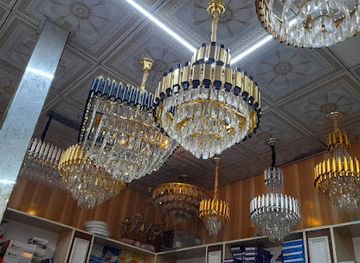
Shopping in Mogadishu is centred on markets, small independent businesses and informal commercial streets rather than a conventional tourist retail quarter. Hamar Weyne is associated with traditional commerce, where visitors may encounter fabrics, clothing, household goods, perfumes, spices and imported products moving through the port. Somali textiles, colourful garments, woven items and locally produced foods can make more meaningful purchases than generic souvenirs, although provenance and quality vary. Shops and market stalls commonly trade in US dollars as well as Somali shillings, and bargaining may be part of ordinary commerce, conducted politely rather than aggressively. The city also has modern supermarkets, mobile-phone shops and cafés serving residents and diaspora communities. Visitors should keep bags and money secure, avoid displaying expensive equipment and ask before photographing traders, goods or market activity.
-
Hypermarket
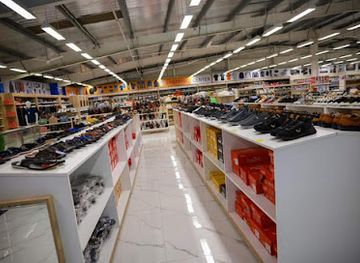
JUBA HYPERMARKET
Discover the vibrant shopping experience at Juba Hypermarket, where local culture meets modern convenience in Mogadishu.
15 min drive · 5.1 km from city centre
-
Electronics store
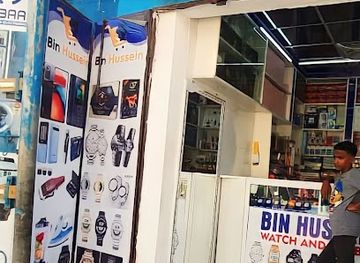
Bin Hussein Watches And Herbal
Explore the unique offerings of Bin Hussein Watches And Herbal in Mogadishu, where tradition and craftsmanship meet modern electronics.
16 min drive · 5.3 km from city centre
-
Shopping mall
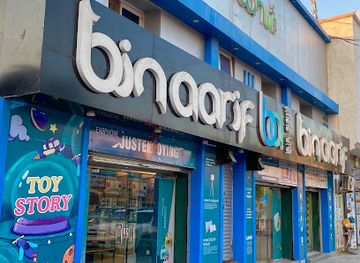
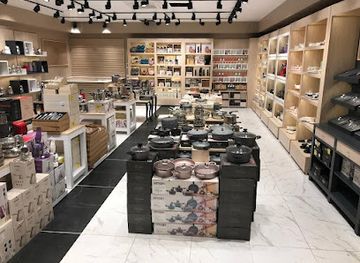
BIN AARIF
Discover BIN AARIF, Mogadishu's premier shopping destination featuring a mix of local and international brands in a vibrant atmosphere.
15 min drive · 5.0 km from city centre
-
Shopping mall
Banaadir Mall
Explore shopping, dining, and entertainment at Banaadir Mall, Mogadishu's premier shopping destination, blending local culture with modern retail.
10 min drive · 3.4 km from city centre
Get your free copy of our complete guide to Mogadishu, delivered straight to you.
Everything on this page, from attractions and restaurants to essentials and local phrases, in one PDF you can read offline, print or share.
Already have an account? Sign in
Your Mogadishu guide is ready.
We'll send it to · Not you? Sign out

Getting your guide ready…
We are putting together a fresh copy of the Mogadishu guide. This can take up to a minute.
This can take a few moments. If your browser asks, choose Allow so the download can start. You'll find the guide in your Downloads folder.
Nothing happened? Download it again
Sorry, the guide is taking longer than usual. Please try again in a minute, or get it by email instead.
Mogadishu essentials
Currency and Payment
Safety
Emergency Situations
Do's and Don'ts
Local Tips
From Eve
Local phrases worth knowing
You don't need to get them perfect. A few words go a long way, and locals appreciate the effort.
Basics
| English | Local | Say it |
|---|---|---|
| Hello | Soo dhawoow | [soh dah-woh] |
| Goodbye | Nabad gelyo | [nah-bahd gehl-yoh] |
| Yes | Haa | [hah] |
| No | Maya | [mah-yah] |
| Please/You're welcome | Fadlan | [fad-lahn] |
| Thank you | Mahadsanid | [mah-had-sah-need] |
| Excuse me/Sorry | Keliya | [keh-lee-yah] |
| How are you? | Sidee tahay? | [see-day tah-hay] |
| Fine. And you? | Waa fiican. Iyo ad? | [wah fee-cahn. ee-yoh ahd?] |
| Do you speak English? | Ma ku hadlaa Ingiriis? | [mah koo hahd-lah een-gee-rees?] |
| I don't understand | Ma fahmin Karin | [mah fahm-een kah-reen] |
Eating & Drinking
| English | Local | Say it |
|---|---|---|
| I'd like to see the menu, please | Waan raadin lahaa menuka, fadlan | [wahn rah-deen lah-hah meh-noo-kah, fahd-lahn] |
| I don't eat meat | Anna ma cuniin hilib | [ahn-nah mah choo-neen hee-leeb] |
| Cheers! | Caddaalad! | [cah-dah-lahd] |
| I would like to pay, please | Waan rabaa inaan bixiyo, fadlan | [wahn rah-bah ah-nahn bi-hee-yoh, fahd-lahn] |
Emergencies
| English | Local | Say it |
|---|---|---|
| Help! | Caawin! | [chah-wiin] |
| Go away! | Tag! | [tahg] |
| Call the Police! | Wac dawladda! | [wahch dah-wlah-dah] |
| Call a doctor! | Wac doktarka! | [wahch dohk-tahr-kah] |
| I'm lost | Aniga ayaa la waayay | [ah-nee-gah ah-yah lah wah-yah-yah] |
| I'm ill | Aniga waxaa ii jiraa | [ah-nee-gah wah-hah ee jee-rah] |
Shopping
| English | Local | Say it |
|---|---|---|
| I'd like to buy... | Waan rabaa inaan iibso... | [wahn rah-bah ah-nahn ee-boh-soh...] |
| I'm just looking | Waan arkayaa kaliya | [wahn ar-kah-yah kah-lee-yah] |
| How much is it? | Qaddarka maxaa ka jira? | [kahd-dahr-kah mah-hah kah jee-rah] |
| That's too expensive | Waa qurux badan | [wah koo-roox bah-dahn] |
| Can you lower the price? | Ma rabtaa inaad hoos u qaado qiimaha? | [mah rahb-tah ee-nahd hohs oo kah-doh kee-mah-hah] |
Time & Numbers
| English | Local | Say it |
|---|---|---|
| What time is it? | Waa waqtiga maxaa yiri? | [wah wahk-tee-gah mah-hah yeer-ee?] |
| It's one o'clock | Waa hal saac | [wah hahl sah-ahc] |
| Half past (10) | Daboolka (10) | [dah-bool-kah (teh-n)] |
| Morning | Galab | [gah-lahb] |
| Afternoon | Duhur | [doo-hoor] |
| Evening | Habeen | [hah-been] |
| Yesterday | Shalay | [shah-lai] |
| Today | Maanta | [mah-ahn-tah] |
| Tomorrow | Berri | [behr-ree] |
| 1 | Kow | [kohw] |
| 2 | Labeen | [lah-been] |
| 3 | Sadex | [sah-deh] |
| 4 | Afar | [ah-fahr] |
| 5 | Shan | [shahn] |
| 6 | Liix | [leeh] |
| 7 | Todoba | [toh-doh-bah] |
| 8 | Siddeed | [seeh-theed] |
| 9 | Sagaal | [sah-gahl] |
| 10 | Toban | [toh-bahn] |
Transport & Directions
| English | Local | Say it |
|---|---|---|
| Where's a/the...? | Hali ma jira...? | [hah-lee mah jeer-ah...?] |
| What's the address? | Cinwaanka maxaa yiri? | [cheen-wahn-kah mah-hah yeer-ee?] |
| Can you show me (on the map)? | Ma rabtaa inaad i tuso (khariidad)? | [mah rahb-tah ee-naad ee too-soh (kah-ree-dahd)?] |
| When's the next (bus)? | Marka xiga (baas)? | [mahr-kah hee-gah (bahs)?] |
| A ticket (to ....) | Tikita (ila ...) | [tee-kee-tah (ee-lah ...)] |
History of Mogadishu
An Indian Ocean Trading Port
Mogadishu emerged as an important settlement on the Banaadir coast during the medieval period, when ports along the Somali coast linked the interior of the Horn of Africa with Arabia, Persia, India and the Swahili world. Arab and Persian geographers described the city as a Muslim commercial centre, while local traditions preserve the importance of Somali communities in its development. The port traded livestock, hides, grain and other products from the hinterland in return for manufactured goods and luxury commodities. Its coastal position encouraged a cosmopolitan Islamic culture, expressed in mosques, coral-stone construction and the use of Somali and Arabic in public life.
Sultanates and Medieval Mosques
From the later medieval period, Mogadishu was associated with powerful Muslim political networks on the Somali coast, including the Ajuran Sultanate. The city’s rulers benefited from customs revenue and maritime commerce, while religious institutions helped connect Mogadishu with wider Islamic scholarship. The Fakr ad-Din Mosque, traditionally dated to 1269, is commonly regarded as the oldest mosque in the city and is noted for its coral-stone construction. The Arba-Rucun Mosque, also known as the Mosque of the Forty Pillars, belongs to the city’s medieval architectural heritage. These buildings provide surviving evidence of Mogadishu’s long-established urban and religious life.
Portuguese Attacks and Omani Influence
Mogadishu’s position on Indian Ocean trade routes made it a target during the Portuguese expansion into the region. Portuguese forces attacked the city in the early sixteenth century, disrupting established commercial networks without erasing Mogadishu’s importance. During the following centuries, authority along the Somali coast shifted among local rulers and larger regional powers, including the Omani-linked sultanates that exercised influence from Zanzibar. Trade continued through the Banaadir ports, although political control was often layered and contested. The city’s links with southern Arabia, the Swahili coast and the Somali interior continued to shape its language, religion, architecture and merchant communities.
Italian Somaliland and Colonial Urban Change
Italy established colonial control over southern Somalia in the late nineteenth and early twentieth centuries, and Mogadishu became the administrative capital of Italian Somaliland. Colonial authorities developed roads, port facilities and government buildings, while Italian planning altered the city’s older quarters and commercial patterns. The period also brought coercive labour systems, land appropriation and unequal political structures, alongside new infrastructure and migration into the capital. During the Second World War, British forces occupied Italian Somaliland in 1941. Somalia later passed through a United Nations trusteeship administered by Italy before achieving independence on 1 July 1960, when the former Italian Somaliland joined British Somaliland to form the Somali Republic.
Independence, Conflict and Reconstruction
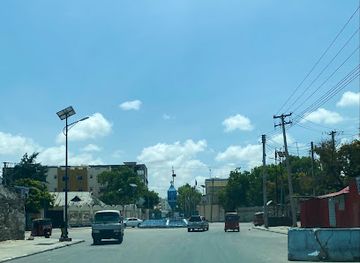
Mogadishu served as the capital of independent Somalia and expanded as a centre of government, education, trade and culture. The military government established in 1969 introduced a socialist programme and promoted Somali nationalism, but political repression and regional tensions grew. After the collapse of Siad Barre’s government in 1991, Mogadishu became a major theatre of conflict among armed factions, and the United States-led intervention of 1992–93 added another turbulent chapter. Much of the city’s infrastructure and historic fabric suffered severe damage. In the twenty-first century, federal institutions, businesses, diaspora investment and local communities have driven rebuilding, although insecurity and political instability continue to influence daily life and the city’s visitor environment.
Mogadishu in Photos
Browse through our photo collection highlighting the charm and character of the destination.
Cities near Mogadishu
The closest cities to Mogadishu, if you have time for more than one stop.

Swipe for more cities
Explore more

Explore more of Somalia
Explore Somalia: Discover its untouched beaches, ancient ruins, and rich cultural heritage in a land of resilient people and breathtaking landscapes.
Explore Somalia