

Free Banaadir Travel Guide & Mobile App
Explore Banaadir with free travel guides. Discover regional history, expert tips, proposed trips, and audio guides on web or mobile app.


Banaadir introduces Mogadishu’s Indian Ocean heritage, historic mosques, coastal culture and Somali urban life within a challenging security environment.
Read more about Banaadir
When is the best time to visit Banaadir?
Best: December–February · 29°C| Month | High (°C) | Rainfall (mm) |
|---|---|---|
| January (best) | 29 | 0 |
| February (best) | 29 | 0 |
| March | 30 | 0 |
| April | 30 | 3 |
| May | 31 | 4 |
| June | 30 | 0 |
| July | 30 | 0 |
| August | 29 | 1 |
| September | 29 | 1 |
| October | 30 | 2 |
| November | 30 | 2 |
| December (best) | 29 | 0 |
Getting to and around Banaadir
How to get there
Transportation
Top city travel guides in Banaadir
The cities of Banaadir, and the easiest places to base yourself.

Swipe for more cities
Best attractions in Banaadir
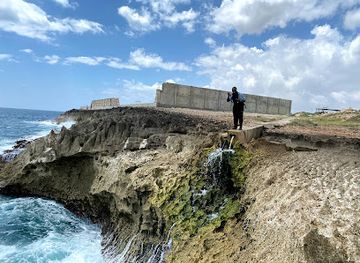
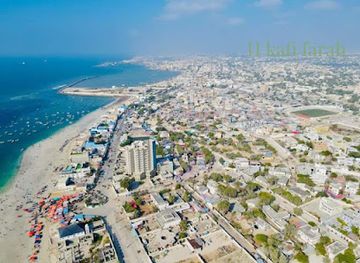
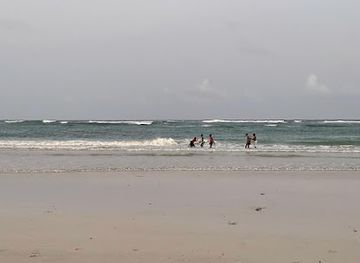
Banaadir’s attractions are concentrated in Mogadishu and combine coastal scenery, Islamic heritage, urban history and the visible processes of reconstruction. The old districts of Hamar Weyne and Shangani contain some of the capital’s most important surviving historic streets and religious buildings, including the Fakr ad-Din Mosque and Arba-Rucun Mosque, although access must be assessed through local security professionals. Lido beach provides a view of Mogadishu’s relationship with the Indian Ocean and is associated with restaurants, fishing activity and social life, but it is not an ordinary carefree beach excursion. Bakaara Market illustrates the scale of the city’s commercial economy, while the National Theatre and other civic sites reflect post-independence cultural ambitions and the continuing effort to restore public institutions. The coastline, seafood culture and dense neighbourhoods offer more historical and observational interest than formal visitor infrastructure. Banaadir has few dependable attractions with standardised tourist services, and many sites may be closed, damaged, heavily guarded or inaccessible without notice. The most responsible approach is a carefully controlled programme arranged with trusted local partners, rather than independent sightseeing.
-
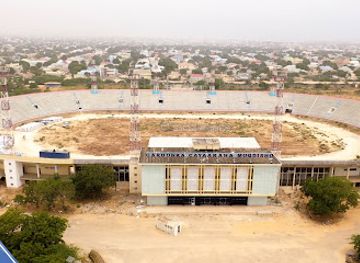
Stadium
Mogadishu Football Stadium
Discover the vibrant spirit of Mogadishu Football Stadium, the largest stadium in Somalia, where sports and culture unite in an electrifying atmosphere.
-
Mosque
Masjidka Isbahaysiga,(Mogadishu Central Mosque)
Explore the Majestic Masjidka Isbahaysiga, a symbol of faith and resilience in the heart of Mogadishu, showcasing stunning Islamic architecture.
-
Garden
Peace Garden Park
Explore the serene beauty of Peace Garden Park in Mogadishu, an oasis of tranquility amidst the vibrant city life.
-
Tourist attraction
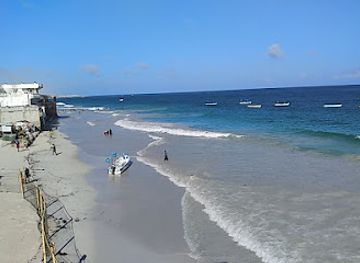
Liido beach
Discover the enchanting beauty of Liido Beach in Mogadishu, where golden sands meet vibrant culture and unforgettable experiences await.


Best landmarks in Banaadir
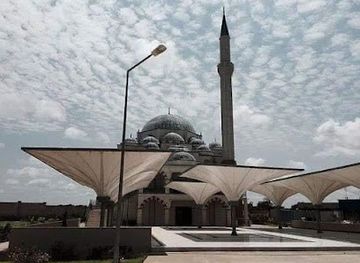
The Fakr ad-Din Mosque in Hamar Weyne is one of Mogadishu’s most recognisable historic landmarks and is traditionally dated to the thirteenth century, illustrating the city’s medieval place in the Islamic Indian Ocean world. Arba-Rucun Mosque, also known as the Mosque of the Forty Pillars, is another important reminder of the capital’s long religious and architectural history. The Hamar Weyne and Shangani districts are landmarks in a broader urban sense: their surviving stone buildings, lanes and relationship with the sea preserve the structure of old Mogadishu despite extensive damage and alteration. Mogadishu’s lighthouse, built during the colonial period, represents the port’s maritime and administrative history, although its condition and accessibility require current verification. The Mogadishu Cathedral, constructed under Italian colonial rule, remains a striking and heavily damaged civic and religious landmark, but it is not a functioning visitor attraction. Lido’s shoreline provides a powerful natural and urban reference point, showing how the capital faces the Indian Ocean. These places should be viewed only through arrangements that account for security, permissions and changing access.
-
International airport
Aden Adde International Airport
Discover the charm of Somalia through Aden Adde International Airport, your gateway to Mogadishu's rich culture and history.
-
Stadium
Mogadishu Football Stadium
Discover the vibrant atmosphere of Mogadishu Football Stadium, where Somali passion for football unites communities and creates unforgettable experiences.
-
 Hotel
HotelDecale hotel فندق ديكيل
Experience the best of Mogadishu at Decale Hotel, where comfort meets Somali hospitality and culinary delights await.
-
Tourist attraction
Liido beach
Experience the picturesque beauty and vibrant culture at Liido Beach, Mogadishu's premier coastal destination offering stunning views and local flavors.
Explore Banaadir on the map
Plan your trip on one map. See where the top cities, national parks and sights are, and book hotels and experiences in a few clicks.
Best hotels in Banaadir
Best restaurants in Banaadir
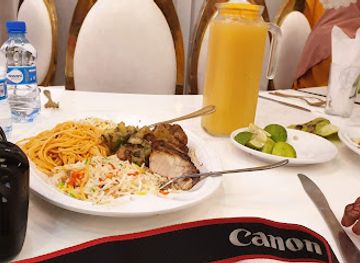
Mogadishu’s dining culture reflects Somali pastoral, agricultural and Indian Ocean influences. Rice served with spiced meat, chicken or vegetables is common, while pasta recalls the colonial period and remains part of everyday urban food culture. Canjeero, a fermented flatbread, may be eaten with tea, stews or savoury accompaniments, and sambusas are widely available as a snack. Along the coast, seafood features in some restaurants, although sourcing, hygiene standards and availability vary. Tea flavoured with spices is an important social drink, while fresh juices and dates are also familiar. Dining venues range from informal cafés and family restaurants to secured hotel restaurants and establishments serving Somali, Arab, South Asian or Italian-influenced dishes. Alcohol is generally not part of public dining because of Islamic norms and local law. Visitors should ask hosts about ingredients, bottled water and payment, follow security guidance when choosing a venue, and avoid assuming that a restaurant’s location or popularity makes it suitable for unplanned travel.
-
Restaurant
Karmel Hotel And Restaurant
Discover authentic Somali flavors blended with international cuisine at Karmel Hotel and Restaurant in Mogadishu.
-
Fish restaurant
Beach View restaurant
Experience exquisite seafood dining with breathtaking ocean views at Beach View Restaurant in Mogadishu.
-
Fast Food
Pizza House
Experience the best pizza in Mogadishu at Pizza House – where local tastes meet international flair in every slice.
-
Restaurant
Carshi
Discover authentic Somali flavors at Carshi, where culinary traditions meet warm hospitality in the heart of Mogadishu.
Best bars in Banaadir
Banaadir does not have a conventional bar-and-nightclub scene. Somalia is predominantly Muslim, alcohol is restricted, and evening social life is more likely to centre on tea, coffee, restaurants, hotel lounges, private gatherings and family occasions than on drinking venues or clubs. In Mogadishu, some secured hotels and restaurants may provide evening meals, soft drinks, tea, conversation and occasional cultural programming, but their arrangements and accessibility can change rapidly. Public nightlife is constrained by security risks, curfews or local restrictions, and visitors should not travel after dark without an approved security plan. Music, poetry and Somali social traditions are important aspects of cultural life, yet performances and gatherings may be private, irregular or security-sensitive rather than advertised to tourists. Treat evening activity as part of a managed visit, not as an independent entertainment circuit, and follow local advice about photography, dress, gender etiquette and departure times.
-
Fish restaurant
Beach View restaurant
Discover the perfect blend of breathtaking ocean views and exquisite seafood at Beach View Restaurant in Muqdisho.
-
Restaurant
Carshi
Experience the flavors of Mogadishu at Carshi, a top-rated restaurant offering delicious Somali and international cuisine in a welcoming atmosphere.
-
East African
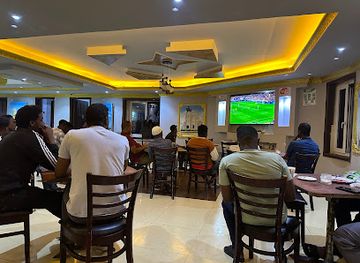
The Village Sports Cafe
Experience the vibrant flavors of East African cuisine at The Village Sports Cafe in Mogadishu, a cultural hub for food lovers.
-
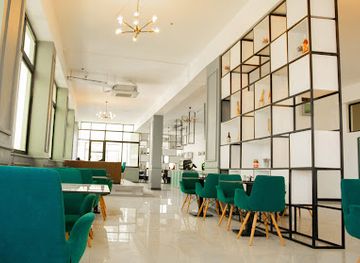
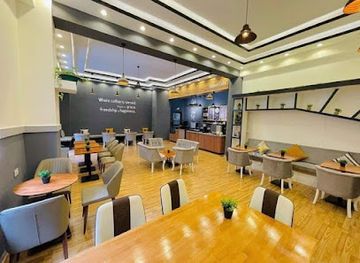
Coffee shop
Salool Café
Experience the vibrant spirit of Mogadishu at Salool Café, where rich coffee blends meet local hospitality in a cozy setting.
Best nightclubs in Banaadir
Banaadir does not have a conventional bar-and-nightclub scene. Somalia is predominantly Muslim, alcohol is restricted, and evening social life is more likely to centre on tea, coffee, restaurants, hotel lounges, private gatherings and family occasions than on drinking venues or clubs. In Mogadishu, some secured hotels and restaurants may provide evening meals, soft drinks, tea, conversation and occasional cultural programming, but their arrangements and accessibility can change rapidly. Public nightlife is constrained by security risks, curfews or local restrictions, and visitors should not travel after dark without an approved security plan. Music, poetry and Somali social traditions are important aspects of cultural life, yet performances and gatherings may be private, irregular or security-sensitive rather than advertised to tourists. Treat evening activity as part of a managed visit, not as an independent entertainment circuit, and follow local advice about photography, dress, gender etiquette and departure times.
-
Night club
Banadir Beach Club
Discover the vibrant nightlife of Mogadishu at Banadir Beach Club, where music, dancing, and stunning beach views create unforgettable memories.
-
Bar
Mounta Sinay
Experience the heart of Mogadishu's nightlife at Mounta Sinay, where local culture meets a relaxing bar atmosphere.
-
Bar
Humbaal Beach
Discover the vibrant atmosphere of Humbaal Beach, a stunning coastal bar in Mogadishu, where relaxation meets Somali culture and cuisine.
-
Bar
Relax place
Experience the vibrant culture of Mogadishu at Relax Place, a welcoming bar perfect for socializing and enjoying local flavors.

Best shops in Banaadir
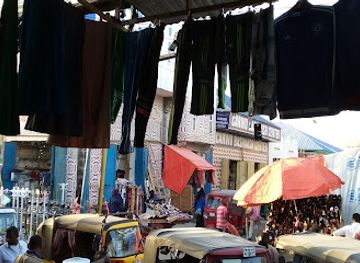
Shopping in Banaadir is centred on Mogadishu’s markets, small businesses and informal commercial networks rather than conventional tourist retail. Bakaara Market is the capital’s best-known marketplace and one of the region’s major commercial environments, offering foodstuffs, clothing, household goods, mobile phones and everyday necessities; it is also a highly security-sensitive location and should not be visited independently. Smaller shops and neighbourhood traders sell Somali fabrics, modest clothing, spices, dates, tea and locally prepared foods. Visitors may encounter carved items, woven goods or other handicrafts, but quality, provenance and export permissions should be checked before purchase. Markets are generally more useful for observing urban commerce than for finding a standard range of souvenirs, and bargaining customs vary by seller and item. Keep valuables concealed, carry limited cash and confirm photography rules before taking pictures. In a fragile security environment, shopping should be conducted through a trusted local contact, with particular caution around crowded places and goods whose legal status or export restrictions are unclear.
-
Market
Bakaara Market
Experience the vibrant culture and local flavors of Somalia at Bakaara Market, Mogadishu's bustling shopping destination.
-
Supermarket
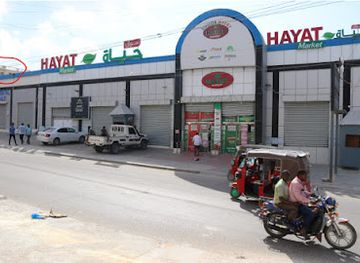
Hayat Market (KM5 Zope)
Explore Hayat Market: Mogadishu's premier supermarket offering a rich selection of groceries, local products, and a taste of Somali culture.
-
Shopping mall
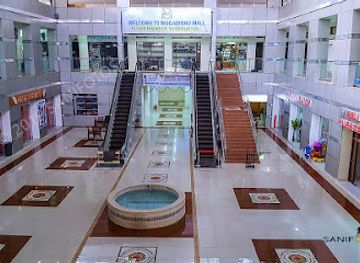
Mogadishu Mall
Discover the vibrant Mogadishu Mall, your go-to shopping haven in Somalia, blending local charm with international flair.
-
Hypermarket
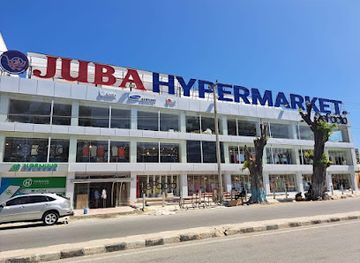
Juba Hypermarket
Discover the vibrant atmosphere of Juba Hypermarket, a shopping paradise in Mogadishu offering a mix of local and international products and dining options.
Get your free copy of our complete guide to Banaadir, delivered straight to you.
Everything on this page, from attractions and restaurants to essentials and local phrases, in one PDF you can read offline, print or share.
Already have an account? Sign in
Your Banaadir guide is ready.
We'll send it to · Not you? Sign out

Getting your guide ready…
We are putting together a fresh copy of the Banaadir guide. This can take up to a minute.
This can take a few moments. If your browser asks, choose Allow so the download can start. You'll find the guide in your Downloads folder.
Nothing happened? Download it again
Sorry, the guide is taking longer than usual. Please try again in a minute, or get it by email instead.
Banaadir essentials
Currency and Payment
Safety
Emergency Situations
Do's and Don'ts
Local Tips
From Eve
Local phrases worth knowing
You don't need to get them perfect. A few words go a long way, and locals appreciate the effort.
Basics
| English | Local | Say it |
|---|---|---|
| Hello | Salaam | [sah-lahm] |
| Goodbye | Nabad gelyo | [nah-bahd geh-lyo] |
| Yes | Haa | [hah] |
| No | Maya | [mah-yah] |
| Please/You’re welcome | Fadlan | [fah-dlan] |
| Thank you | Mahadsanid | [mah-hahd-sah-nid] |
| Excuse me/Sorry | Iga raali ahow | [ee-gah rah-lee ah-ho] |
| How are you? | Sidee tahay? | [see-dee tah-hay] |
| Fine. And you? | Wanaagsan. Adiguna? | [wah-nahg-sahn. ah-dee-goo-nah] |
| Do you speak English? | Ma ku hadashaa Ingiriis? | [mah koo hah-dah-shah een-gee-rees] |
| I don't understand | Ma fahmin | [mah fah-min] |
Eating & Drinking
| English | Local | Say it |
|---|---|---|
| I’d like to see the menu, please | Fadlan ii soo bandhig menu-ga | [fah-dlan ee-soh ban-dhig meh-noo-gah] |
| I don’t eat meat | Ma cuno hilib | [mah koo-noo hee-lib] |
| Cheers! | Nabad gelyo! | [nah-bahd geh-lyo] |
| I would like to pay, please | Fadlan, waxaan rabaa inaan bixiyo | [fah-dlan, wah-ahn rah-bah ee-nan bee-khiy-o] |
Emergencies
| English | Local | Say it |
|---|---|---|
| Help! | Caawimaad! | [cah-wee-mahd] |
| Go away! | Ka tag! | [kah tahg] |
| Call the Police! | Wac booliska! | [wah bool-is-kah] |
| Call a doctor! | Wac dhakhtar! | [wah dhah-khtar] |
| I’m lost | Waan lumay | [wahn loo-may] |
| I’m ill | Waan xanuunsanahay | [wahn khan-oon-sah-nah-hay] |
Shopping
| English | Local | Say it |
|---|---|---|
| I’d like to buy... | Waxaan rabaa inaan iibsado... | [wah-ahn rah-bah ee-nan eeb-sah-do] |
| I’m just looking | Waan eegayaa | [wahn eh-gah-yah] |
| How much is it? | Immisa ayay ku kacaysaa? | [im-mee-sah ah-yay koo kah-kah-sah] |
| That’s too expensive | Taas waa qaali | [tahs wah kah-lee] |
| Can you lower the price? | Ma hoos u dhigi kartaa qiimaha? | [mah hohs oo dee-gee kar-tah qi-mah-hah] |
Time & Numbers
| English | Local | Say it |
|---|---|---|
| What time is it? | Saacadu immise ayey tahay? | [sah-ah-kah-doo im-mee-say ah-yay tah-hay] |
| It’s one o’clock | Waa hal saac | [wah hal sah-ahc] |
| Half past (10) | Nus saac (10) | [noos sah-ahc] |
| Morning | Subax | [soo-bahx] |
| Afternoon | Galab | [gah-lahb] |
| Evening | Fiid | [fee-id] |
| Yesterday | Shalay | [sha-lay] |
| Today | Maanta | [maan-tah] |
| Tomorrow | Berri | [beh-rree] |
| 1 | Kow | [koh] |
| 2 | Laba | [lah-bah] |
| 3 | Saddex | [sah-ddehx] |
| 4 | Afar | [ah-far] |
| 5 | Shan | [shan] |
| 6 | Lix | [lix] |
| 7 | Toddoba | [toh-doh-bah] |
| 8 | Siddeed | [si-ddeed] |
| 9 | Sagaal | [sah-gahl] |
| 10 | Toban | [toh-bahn] |
Transport & Directions
| English | Local | Say it |
|---|---|---|
| Where's a/the...? | Xagee ku yaal...? | [khah-geh koo yah-l] |
| What's the address? | Waa maxay cinwaanka? | [wah mah-khay chin-wan-kah] |
| Can you show me (on the map)? | Ma ii muujin kartaa (khariidadda)? | [mah ee moo-jeen kar-tah (khah-ree-dah-dah)] |
| When's the next (bus)? | Goorma bus-ka xiga? | [goor-mah boos-kah hee-gah] |
| A ticket (to ....) | Tigid (u ....) | [ti-gid (oo ....)] |
History of Banaadir
Early Indian Ocean and Islamic Connections
The Banaadir coast formed part of the long-established trading world of the western Indian Ocean. Maritime exchange connected settlements along the Somali coast with southern Arabia, the Swahili coast, Persia and India, bringing goods, religious ideas and architectural influences. Islam became deeply rooted in the region over many centuries, and Mogadishu developed as a centre of commerce and scholarship. Written references to the city appear in medieval accounts, although the precise chronology of its earliest urban development remains complex. The coastal setting shaped Banaadir’s history by linking local Somali communities to wider networks without erasing their own political and cultural traditions.
Medieval Mogadishu and the Sultanates
During the medieval period, Mogadishu was one of the principal Muslim trading cities of the East African coast. Its merchants participated in exchanges involving textiles, ceramics, aromatics and other goods, while the city’s religious institutions and stone architecture reflected its prosperity. The Fakr ad-Din Mosque, traditionally associated with the thirteenth century, is among the most important surviving reminders of this period. Mogadishu’s influence extended through commercial relationships rather than a single continuously centralised state, and the wider Banaadir coast was shaped by shifting sultanates, merchant families and connections with inland Somali societies.
Portuguese Incursions and Regional Power Shifts
Portuguese naval activity in the western Indian Ocean during the sixteenth century disrupted established coastal trade and brought military pressure to Mogadishu and other Somali ports. The city was not permanently absorbed into a Portuguese empire, but the attacks formed part of a broader period of competition involving the Portuguese, coastal Muslim powers and regional sultanates. In later centuries, political authority along the Somali coast continued to shift among local rulers and larger powers based in the Horn of Africa and southern Arabia. These changes affected trade routes while allowing Mogadishu’s commercial and religious importance to endure.
Italian Colonial Rule and the Formation of Modern Mogadishu
Italy established colonial control over southern Somalia in the late nineteenth and early twentieth centuries, and Mogadishu became the administrative capital of Italian Somaliland. Colonial rule altered the city’s street plan, port infrastructure, architecture, education and economic systems, while also imposing coercive political and racial structures. Italian buildings and urban traces remain visible in parts of Mogadishu, although many have been damaged or lost. The colonial period also intensified links between the capital and the agricultural areas of the Shebelle basin, helping create the administrative and commercial geography inherited by the Somali Republic.
Independence and the Somali Republic
Somalia became independent in 1960 through the union of the former British Somaliland and Italian Somaliland, with Mogadishu serving as the national capital. Banaadir consequently became the country’s principal political, cultural and commercial centre. The early republic invested in national institutions, education and urban development, while the capital attracted people from across Somalia and from the wider region. The city’s identity during this period combined Somali nationalism, Islamic traditions, Indian Ocean connections and the architectural legacy of colonial administration. Several public buildings and civic spaces from the post-independence decades remain significant, despite subsequent conflict.
Civil War, Destruction and Rebuilding
The collapse of Somalia’s central government in 1991 led to prolonged conflict, fragmentation and severe destruction in Mogadishu. Banaadir experienced fighting among armed factions, displacement, insecurity and the breakdown of many public services. Historic districts, civic buildings and homes were damaged, while the city’s population continued to change through internal migration and return. Since the 2010s, federal institutions, businesses, civil society organisations and residents have supported rebuilding, although armed attacks and political instability remain serious concerns. Contemporary Banaadir is therefore a region of reconstruction and economic activity, but also one where security conditions fundamentally shape daily life and travel.
Banaadir in Photos
Browse through our photo collection highlighting the charm and character of the destination.
Neighbouring regions of Banaadir
The closest regions to Banaadir, if you have time for more than one.
-

-

-

-

-


Swipe for more regions
Explore more

Explore more of Somalia
Explore Somalia: Discover its untouched beaches, ancient ruins, and rich cultural heritage in a land of resilient people and breathtaking landscapes.
Explore Somalia