

Historic District (Sioux Falls) Travel Guide - Free
Explore Historic District in Sioux Falls with Evendo's free guide. Find the best shops, historic streets, restaurants, and gems on web or mobile.


Sioux Falls Historic District pairs quartzite-era downtown buildings, Falls Park, public art, theatres, independent dining and Big Sioux River history.
Historic Core and River Setting
\n\nSioux Falls Historic District occupies the city's traditional downtown core, where the commercial grid meets the Big Sioux River and the celebrated waterfalls that gave the city its name. Its character is defined by late nineteenth- and early twentieth-century commercial buildings, broad streets, civic architecture and a walkable concentration of shops, restaurants, theatres and public spaces. The district is best understood as the historic heart of Sioux Falls rather than a self-contained residential quarter: its streets connect directly with Falls Park, the river corridor and the modern downtown that has grown around the older building stock.\n\nArchitecture, Arts and Public Life
\n\nHistoric façades line parts of Phillips Avenue and the surrounding downtown blocks, revealing the prosperity brought by regional trade, agriculture, banking and rail connections. The Orpheum Theater Center and the Washington Pavilion anchor the area's performing-arts identity, while the State Theatre contributes a more intimate historic cinema presence. Sculptures, murals and landscaped civic spaces add contemporary layers to the older streetscape, and the SculptureWalk programme brings changing public art to the downtown pedestrian experience.\n\nExploring the District
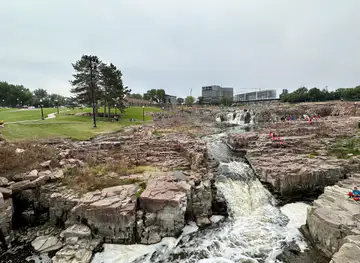
\n\nVisitors can move easily between heritage buildings, independent businesses, cafés and restaurants, then follow the river towards Falls Park, where the Big Sioux drops over exposed pink quartzite. The district is most atmospheric on foot, with the tallest downtown buildings, restored façades and civic landmarks appearing within a compact area. Evening activity centres on dining, theatre and live entertainment rather than a large club scene, while nearby residential streets become quieter after business hours. Seasonal events and public art give the centre a changing rhythm, but its defining experience remains the connection between Sioux Falls's commercial history, cultural life and river landscape.Best attractions in Historic District
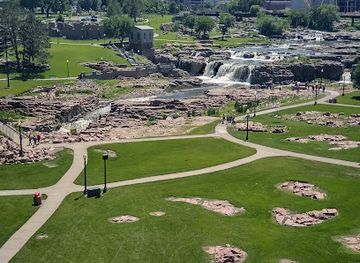
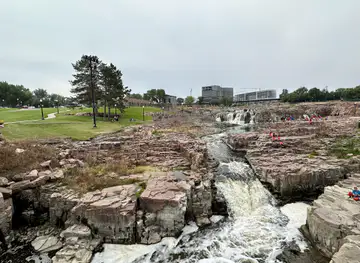
The Historic District's principal attractions combine downtown architecture, public art and the Big Sioux River landscape. Falls Park, immediately beside the central city, is the essential geographical experience: walkways and viewing areas reveal the river's multi-level cascades over pink quartzite, with the restored Queen Bee Mill ruins adding an industrial-historical layer. In the downtown blocks, the Washington Pavilion brings visual arts, performing arts and science exhibits to a former high-school building, while the Orpheum Theater Center presents the restored Orpheum Theater alongside contemporary performance spaces. The State Theatre contributes a surviving historic cinema landmark, and SculptureWalk places changing works along streets and public spaces. Visitors can also explore Phillips Avenue and adjoining blocks for historic shopfronts, cafés, restaurants and murals, using the compact grid to connect cultural venues with the river without relying on a car.
-
Tourist attraction
Falls Park
Discover the natural beauty and cultural richness of Falls Park, a stunning tourist attraction in Sioux Falls, South Dakota, perfect for outdoor adventures.
15 min walk · 1.2 km from neighbourhood centre
-
Park
McKennan Park
Discover the picturesque McKennan Park in Sioux Falls, where history, nature, and community come together in a beautiful outdoor setting.
6 min drive · 2.0 km from neighbourhood centre
-
Non-profit organization
Downtown Sioux Falls
Explore Downtown Sioux Falls, a vibrant destination filled with unique shops, delightful eateries, and breathtaking parks, perfect for every traveler.
5 min walk · 0.4 km from neighbourhood centre
-
Tourist attraction
Sioux Falls Murals
Discover the colorful Sioux Falls Murals, a stunning outdoor art gallery celebrating creativity and culture in downtown Sioux Falls.
6 min walk · 0.4 km from neighbourhood centre


Best landmarks in Historic District
The Historic District's landmarks express Sioux Falls's development as a river-based commercial and regional centre. Falls Park and the exposed quartzite at the Big Sioux River provide the natural landmark from which the city takes its name, while the remains of the Queen Bee Mill recall the industrial use of the river's power. Downtown, the Orpheum Theater, opened in 1926 and now part of the Orpheum Theater Center, represents the era of grand entertainment architecture; the State Theatre, also dating from 1926, preserves another important cinema-era presence. The Washington Pavilion occupies a former high-school building and demonstrates how an older civic structure can be adapted for arts and science. Around these major places, banks, commercial blocks and upper-storey masonry façades give Phillips Avenue and neighbouring streets their historic urban scale.
-
Tourist attraction
Falls Park
Discover the stunning beauty and rich history of Falls Park, a must-visit tourist attraction in Sioux Falls, South Dakota, featuring breathtaking waterfalls and scenic trails.
15 min walk · 1.2 km from neighbourhood centre
-
Performing arts theater
Washington Pavilion
Explore the cultural heart of Sioux Falls at the Washington Pavilion, a premier venue for arts, entertainment, and family fun.
6 min walk · 0.5 km from neighbourhood centre
-
Sculpture
Arc of Dreams
Explore the Arc of Dreams in Sioux Falls, a stunning sculpture that symbolizes hope and inspires visitors with its beautiful design and surrounding scenery.
7 min walk · 0.5 km from neighbourhood centre
-
Local history museum
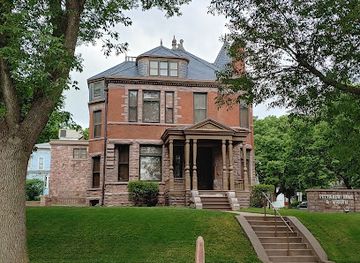
Pettigrew Home & Museum
Explore the Pettigrew Home & Museum, where Sioux Falls' rich history comes alive through captivating exhibits and the legacy of its founders.
4 min walk · 0.3 km from neighbourhood centre


Explore Historic District on the map
A handpicked selection of must-see spots in Historic District, mapped for you.
Best hotels in Historic District
Best restaurants in Historic District
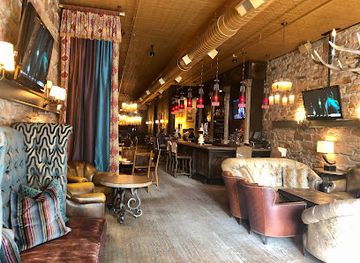
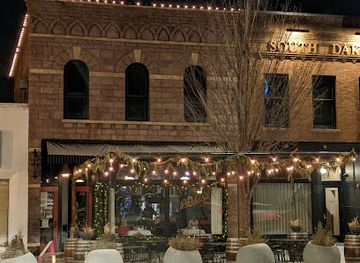
Dining in the Historic District is concentrated around the downtown grid, especially Phillips Avenue and nearby streets, where restored commercial buildings house cafés, bars, bakeries and restaurants. The scene reflects Sioux Falls's role as a regional centre rather than a single strongly defined immigrant quarter: visitors will find contemporary American cooking, familiar Midwestern fare, casual meals, coffee and more polished dining alongside independent lunch spots. Downtown restaurants benefit from proximity to the Washington Pavilion, Orpheum Theater Center and event spaces, making pre-theatre and post-performance meals part of the area's rhythm. The district also provides access to beverages and desserts within a short walk, while Falls Park offers a contrasting setting for a daytime break. Menus, ownership and opening patterns change, so the most reliable way to explore is to browse the current downtown cluster rather than expect one fixed signature cuisine.
-
Restaurant
Crawford's
Discover Crawford's: Sioux Falls' premier destination for fine dining featuring exquisite American cuisine and craft cocktails.
6 min walk · 0.5 km from neighbourhood centre
-
Restaurant
Parker's Bistro
Discover delightful dishes at Parker's Bistro - an exquisite dining experience in downtown Sioux Falls focusing on fresh local ingredients.
4 min walk · 0.4 km from neighbourhood centre
Best bars in Historic District
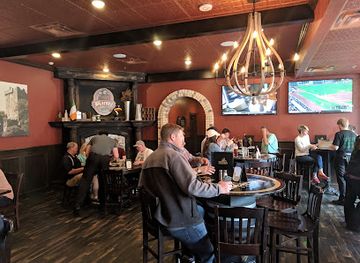
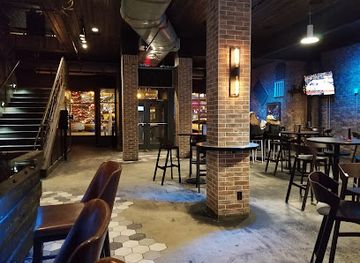
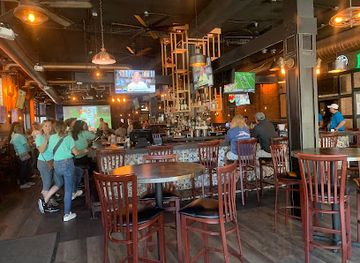
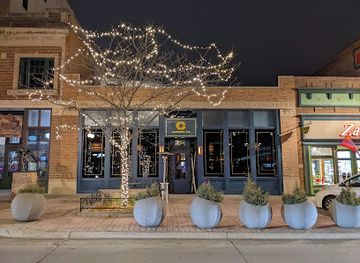
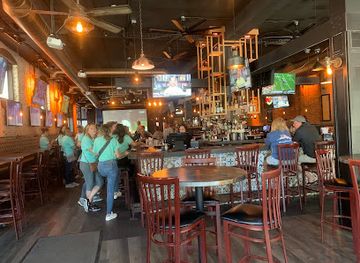
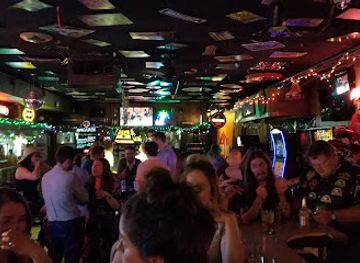
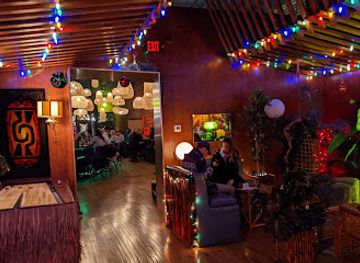
Evenings in the Historic District revolve more around restaurants, cocktail bars, breweries, theatre and live entertainment than around a dense nightclub strip. The Washington Pavilion and Orpheum Theater Center bring scheduled performances to the centre, while bars and dining rooms around Phillips Avenue and the adjacent downtown blocks provide places to meet before or after a show. The atmosphere can become lively during concerts, festivals and civic events, but much of the surrounding centre is quieter once offices close. Visitors should distinguish the intimate, social character of downtown drinking venues from late-night clubbing elsewhere in Sioux Falls, and should check current event information for performances rather than assume that a venue has a programme every evening. River-side areas are best treated as scenic public spaces, not as places for unsupervised late-night gatherings.
-
Pub
Blarney Stone Pub - Sioux Falls
Experience the vibrant spirit of Sioux Falls at Blarney Stone Pub, where Irish charm meets local flavors in a lively downtown setting.
7 min walk · 0.6 km from neighbourhood centre
-
Bar
PAve
Discover the perfect blend of bar, restaurant, and nightlife at PAve in downtown Sioux Falls, where unforgettable experiences await.
5 min walk · 0.4 km from neighbourhood centre
-
Grill
Wileys Bar
Discover Wileys Bar in Sioux Falls for an unforgettable blend of live music, delicious grilled cuisine, and a lively atmosphere perfect for any nightlife lover.
5 min walk · 0.4 km from neighbourhood centre
-
Bar
Carpenter Bar
Discover Carpenter Bar: Sioux Falls' iconic cocktail haven, known for its vibrant atmosphere and expertly crafted drinks in downtown.
5 min walk · 0.4 km from neighbourhood centre
Best nightclubs in Historic District
Evenings in the Historic District revolve more around restaurants, cocktail bars, breweries, theatre and live entertainment than around a dense nightclub strip. The Washington Pavilion and Orpheum Theater Center bring scheduled performances to the centre, while bars and dining rooms around Phillips Avenue and the adjacent downtown blocks provide places to meet before or after a show. The atmosphere can become lively during concerts, festivals and civic events, but much of the surrounding centre is quieter once offices close. Visitors should distinguish the intimate, social character of downtown drinking venues from late-night clubbing elsewhere in Sioux Falls, and should check current event information for performances rather than assume that a venue has a programme every evening. River-side areas are best treated as scenic public spaces, not as places for unsupervised late-night gatherings.
-
Night club
PAve
Discover Sioux Falls' nightlife at PAve, a vibrant nightclub and restaurant blending great food, drinks, and a lively atmosphere for an unforgettable experience.
5 min walk · 0.4 km from neighbourhood centre
-
Night club
Wileys Bar
Experience the vibrant nightlife of Sioux Falls at Wileys Bar, where live music, delicious food, and a welcoming atmosphere await.
5 min walk · 0.4 km from neighbourhood centre
-
Bar
Top Hat Bar & Lounge
Experience the vibrant nightlife at Top Hat Bar & Lounge in Sioux Falls, where great drinks and a diverse crowd create unforgettable moments.
10 min walk · 0.8 km from neighbourhood centre
-
Cocktail bar
The Hello Hi
Experience the vibrant nightlife of Sioux Falls at The Hello Hi, where creative cocktails and a lively atmosphere await you.
5 min walk · 0.4 km from neighbourhood centre

Best shops in Historic District
Shopping in the Historic District is primarily independent and downtown-oriented rather than centred on a single enclosed mall. Phillips Avenue and adjoining streets contain locally run boutiques, gift shops, galleries, specialist retailers, cafés and businesses occupying older commercial buildings, with the offer changing as individual tenants change. The district is a practical place to browse Sioux Falls-themed gifts, locally made work, books, clothing and design-led objects, while public art and gallery windows add cultural interest between purchases. Falls Park and the downtown arts institutions also support a visitor-oriented retail circuit, although the area should not be mistaken for a large traditional market district. Seasonal events can bring additional vendors and activity to public spaces, but they are not a permanent feature. Allow time to look above modern shopfronts for the architectural character that distinguishes shopping here from newer retail areas outside central Sioux Falls.
-
Boutique
Terra Shepherd Boutique & Apothecary
Explore Terra Shepherd Boutique & Apothecary for unique home goods, local artisan products, and wellness treasures in the heart of Sioux Falls, South Dakota.
6 min walk · 0.5 km from neighbourhood centre
-
Store
Urban Archaeology
Explore Urban Archaeology in Sioux Falls for a unique collection of antiques, vintage clothing, and local artistry that brings history to life.
5 min walk · 0.4 km from neighbourhood centre
-
Gift shop
French's Unique Gifts
Explore French's Unique Gifts in Sioux Falls for handcrafted treasures and local artisan creations, perfect souvenirs that embody the spirit of South Dakota.
15 min walk · 1.2 km from neighbourhood centre


Historic District essentials
Getting There
Getting Around
Safety
Emergency Situations
Do's and Don'ts
Local Tips

From Eve
Local phrases worth knowing
You don't need to get them perfect. A few words go a long way, and locals appreciate the effort.
Basics
| English | Local | Say it |
|---|---|---|
| Hello | Howdy | [h-ow-d-ee] |
| Goodbye | See ya | [s-ee y-ah] |
| Yes | Yup | [y-uh-p] |
| No | Nah | [n-ah] |
| Please/You're welcome | Sure thing | [s-ur th-ih-ng] |
| Thank you | Much obliged | [m-uh-ch uh-b-l-ah-jd] |
| Excuse me/Sorry | Pardon me | [p-ah-r-d-uh-n m-ee] |
| How are you? | Howdy partner? | [h-ow-d-ee p-ah-r-t-n-er] |
| Fine. And you? | Just dandy. How 'bout you? | [j-uh-st d-ae-n-d-ee. h-ow 'b-ow-t y-oo] |
| Do you speak English? | Y'all speak English? | [y-ah-ll sp-ee-k- ih-ng-g-l-ih-sh] |
| I don't understand | I reckon I'm lost | [I r-eh-k-uh-n I'm l-oh-s-t] |
Eating & Drinking
| English | Local | Say it |
|---|---|---|
| I'd like to see the menu, please | Can I take a gander at the grub, please | [k-ah-n I t-ay-k- ah g-ae-nd-er at th-uh gr-ah-b, p-lee-z] |
| I don't eat meat | I don't eat vittles | [I d-oh-n-t ee-t v-ih-t-l-z] |
| Cheers! | Bottoms up! | [b-ah-t-um-z uh-p] |
| I would like to pay, please | I reckon it's time to settle up | [I r-eh-k-uh-n ih-ts t-ay-m t-oo s-eh-t-l- uh-p] |
Emergencies
| English | Local | Say it |
|---|---|---|
| Help! | S.O.S! | [S-O-S] |
| Go away! | Shoo! | [Sh-oo] |
| Call the Police! | Git the sheriff! | [G-it th-uh sh-eh-r-ih-f] |
| Call a doctor! | Summon the sawbones! | [S-uh-m-uh-n th-uh s-aw-b-oh-n-z] |
| I'm lost | I'm turned around | [I'm t-ur-n-d ah-r-ow-n-d] |
| I'm ill | I'm under the weather | [I'm- und-er th-uh w-eh-th-er] |
Shopping
| English | Local | Say it |
|---|---|---|
| I'd like to buy... | I reckon I'll take... | [I r-eh-k-uh-n I'll t-ay-k-] |
| I'm just looking | I'm just browsing | [I'm j-uh-st br-ow-z-ih-ng] |
| How much is it? | What's the damage? | [Wh-ah-t's th-uh d-ae-m-ih-j] |
| That's too expensive | That's a mite pricey | [Th-ae-t's ah m-ay-t pr-ay-s-ee] |
| Can you lower the price? | Can you wiggle on the tag? | [K-ah-n y-oo w-ih-g-l- ah-n th-uh t-ae-g] |
Time & Numbers
| English | Local | Say it |
|---|---|---|
| What time is it? | What's the hour? | [Wh-ah-t's th-uh aw-er] |
| It's one o'clock | It's high noon | [I-ts h-igh n-oo-n] |
| Half past (10) | Half past ten | [H-ah-f p-ae-s-t t-eh-n] |
| Morning | Sunup | [S-uh-n-uh-p] |
| Afternoon | High noon | [H-igh n-oo-n] |
| Evening | Sunset | [S-uh-n-s-eh-t] |
| Yesterday | Yesteryear | [Y-eh-st-er-y-ee-r] |
| Today | This day | [Th-ih-s d-ay] |
| Tomorrow | Morrow | [M-oh-r-oh] |
| 1 | One | [W-ah-n] |
| 2 | Two | [T-oo] |
| 3 | Three | [Th-r-ee] |
| 4 | Four | [F-oh-r] |
| 5 | Five | [F-ay-v] |
| 6 | Six | [S-ih-k-s] |
| 7 | Seven | [S-eh-v-eh-n] |
| 8 | Eight | [Ay-t] |
| 9 | Nine | [N-ay-n] |
| 10 | Ten | [T-eh-n] |
Transport & Directions
| English | Local | Say it |
|---|---|---|
| Where's a/the...? | Where's the... | [Wh-er-s th-uh] |
| What's the address? | What's the location? | [Wh-ah-t's th-uh l-ow-k-ay-sh-uh-n] |
| Can you show me (on the map)? | Can you point me out? | [K-ah-n y-oo p-oy-nt m-ee aw-t] |
| When's the next (bus)? | When's the next stage? | [Wh-eh-n-s th-uh n-eh-k-s-t st-ay-j] |
| A ticket (to ....) | A pass (to ...) | [Ah p-ah-s (t-oo)] |
History of Historic District
The Falls and Early Settlement
The Big Sioux River's falls were the area's defining geographic feature long before the modern downtown took shape. Indigenous peoples used the river corridor for travel, exchange and settlement, while the falls later attracted Euro-American traders, missionaries and settlers. Sioux Falls was incorporated as a municipality in 1876, and its location beside the river helped establish the nucleus from which the present downtown developed. The district's name reflects this central relationship: the city's commercial heart grew close to the water and to the quartzite landscape exposed by the river.
Railways and Commercial Growth
Late nineteenth-century railway expansion transformed Sioux Falls from a small river settlement into a regional commercial centre. Rail connections supported the movement of agricultural produce, livestock, manufactured goods and building materials, encouraging banks, wholesalers, hotels and retail businesses to cluster around the downtown streets. Many of the masonry commercial buildings associated with the Historic District date from this period of expansion or from the early twentieth century. Their narrow plots, prominent façades and upper-storey offices reflect a downtown designed for trade, administration and street-level commerce rather than modern automobile access.
Civic Buildings and Downtown Culture
As Sioux Falls grew, the downtown core acquired institutions that extended its role beyond commerce. The Orpheum Theater opened in 1926 as a major entertainment venue and remains one of the district's most recognisable historic cultural buildings, now incorporated into the Orpheum Theater Center. The State Theatre, which opened in 1926, represents the period when motion-picture palaces became important urban meeting places. These venues, together with churches, banks and civic offices, made the centre a setting for public life as well as business.
Preservation and Contemporary Renewal
Like many American downtowns, Sioux Falls's historic core faced pressure from suburban retail growth, changing transport patterns and the loss or alteration of older buildings during the twentieth century. Preservation efforts helped maintain significant commercial and theatre architecture, while later downtown investment introduced restaurants, galleries, public art and cultural institutions into the historic street grid. The Washington Pavilion, established in a former high-school building in the late twentieth century, added a major arts and science complex nearby. Today the Historic District combines retained heritage fabric with continuing commercial and cultural redevelopment.
Historic District in Photos
Browse through our photo collection highlighting the charm and character of the destination.
Neighbourhoods near Historic District
The closest neighbourhoods to Historic District, if you have time for more than one stop.
-
-

-


Swipe for more neighbourhoods
Explore more

Explore more of Sioux Falls
Sioux Falls, South Dakota, pairs the Big Sioux River's waterfalls with sculpture, museums, prairie history, local dining and an easy-going downtown.
Explore Sioux Falls