

Falls Park (Sioux Falls) Travel Guide - Free
Explore Falls Park in Sioux Falls with Evendo's free guide. Find the best shops, historic streets, restaurants, and gems on web or mobile.


Falls Park in Sioux Falls pairs the Big Sioux River’s natural cascades with mill ruins, trails, public art, local history and lively downtown access.
The Big Sioux River at the Centre
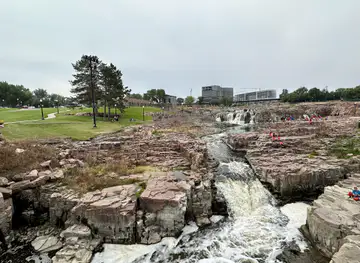
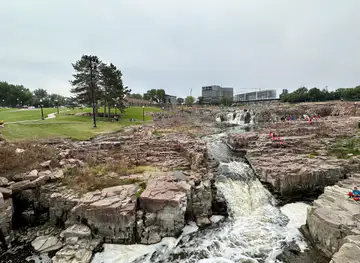
Falls Park is the place where Sioux Falls makes its identity most legible: the Big Sioux River breaks over a series of pink quartzite ledges, creating the cascades that gave the city its name. The park occupies a broad riverside landscape immediately north of central Sioux Falls, with paved paths, lawns, bridges and viewing areas tracing the water through a setting that feels both urban and expansive. The falls change character with rainfall, season and light, while ice and snow create a striking winter landscape.Read more about Falls Park
Industry Beside the Water
A Riverside Gateway
Best attractions in Falls Park
The central attraction is the Big Sioux River’s multi-tiered waterfall, best appreciated from the paved viewing areas and bridges that frame the cascades from several angles. Falls Park also contains the Queen Bee Mill ruins, where exposed masonry and interpretive material reveal the area’s nineteenth-century industrial ambitions. A viewing tower provides a raised panorama over the river and surrounding city, while paths, lawns and sections of the riverwalk encourage a longer exploration than a brief stop at the main overlook. Seasonal lighting, public art and community events add changing points of interest, although their timing varies. The Falls Overlook Cafe provides a practical pause within the park, and the route towards downtown extends the experience into the wider central-city landscape without confusing the neighbouring urban district with Falls Park itself.
-
Tourist attraction
Great Plains Zoo
Discover the Great Plains Zoo: a captivating animal park in Sioux Falls, SD, where adventure, education, and fun await for all ages!
9 min drive · 3.0 km from neighbourhood centre
-
Park
Sertoma Park
Discover the beauty of Sertoma Park, a serene urban oasis in Sioux Falls, perfect for outdoor fun, family picnics, and nature exploration.
15 min drive · 5.0 km from neighbourhood centre
-
Park
Terrace Park
Explore Terrace Park in Sioux Falls: A tranquil park with stunning gardens, scenic trails, and a beautiful waterfall, perfect for relaxation and recreation.
5 min drive · 1.8 km from neighbourhood centre
-
Park
Japanese Gardens
Discover the tranquility of Sioux Falls' Japanese Gardens, where nature and culture unite in a beautiful, serene park setting.
5 min drive · 1.7 km from neighbourhood centre


Best landmarks in Falls Park
The falls themselves are Sioux Falls’ defining natural landmark, a sequence of rapids and cascades cutting through exposed pink quartzite in the Big Sioux River. Their importance is both geographical and civic: the city took its name from this landscape, and early development clustered around its potential for waterpower and trade. The Queen Bee Mill ruins are the park’s principal historic structure, preserving the remains of an 1880s milling enterprise beside the river. The Falls Park viewing tower has become a prominent modern vantage point, while bridges, riverwalk paths and interpretive installations frame the relationship between water, industry and public space. Together these features make the area legible as a historic riverfront rather than simply a landscaped viewpoint, with the ruins and falls providing a direct record of the city’s origins.
-
Park
Falls Park
Explore Falls Park, a breathtaking natural wonder in Sioux Falls, South Dakota, featuring stunning waterfalls, scenic trails, and rich history.
18 min walk · 1.4 km from neighbourhood centre
-
Tourist information center
Falls Park Visitor Information Center
Explore Sioux Falls with ease from the Falls Park Visitor Information Center, your gateway to adventure and local insights.
5 min drive · 1.6 km from neighbourhood centre
-
Historical place museum
Old Courthouse Museum
Explore the Old Courthouse Museum in Sioux Falls: a captivating journey through history and culture in a stunning historical setting.
10 min walk · 0.8 km from neighbourhood centre
-
Sculpture
Arc of Dreams
Explore the Arc of Dreams in Sioux Falls, a breathtaking sculpture that symbolizes hope while offering stunning views of the Big Sioux River.
8 min walk · 0.6 km from neighbourhood centre


Explore Falls Park on the map
A handpicked selection of must-see spots in Falls Park, mapped for you.
Best hotels in Falls Park
Best restaurants in Falls Park
Dining within Falls Park is centred on casual visitor refreshment rather than a large restaurant district. The Falls Overlook Cafe provides food and drinks close to the principal scenery, making it convenient for visitors combining a meal with time beside the river; current opening arrangements should be checked before relying on it. For a broader choice, the walk towards central Sioux Falls leads to the city’s downtown dining area, where independent restaurants, cafes, bars and bakeries occupy streets south of the park. That nearby scene is best understood as an extension of a Falls Park visit rather than part of the park landscape itself. The local food experience therefore combines a riverside stop, seasonal outdoor seating and accessible downtown dining, with the falls providing the setting rather than a narrowly defined neighbourhood cuisine.
-
Restaurant
Sickies Garage Burgers & Brews
Discover Sickies Garage Burgers & Brews in Sioux Falls - where gourmet burgers meet an extensive craft beer selection in a lively sports bar setting.
13 min drive · 4.4 km from neighbourhood centre
-
American
MacKenzie River Pizza, Grill & Pub
Experience delicious American cuisine at MacKenzie River Pizza in Sioux Falls – where every bite tells a story!
2 min walk · 0.1 km from neighbourhood centre
-
Restaurant
The Barrel House
Experience delicious flavors at The Barrel House in Sioux Falls - where family-friendly dining meets vibrant bar & grill vibes.
20 min drive · 6.7 km from neighbourhood centre
-
Restaurant
Minervas Restaurant
Experience culinary excellence at Minervas Restaurant in Sioux Falls – where fine dining meets exceptional service.
1 min walk · 0.1 km from neighbourhood centre


Best bars in Falls Park
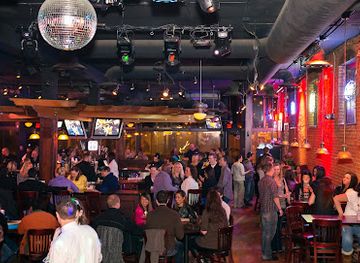
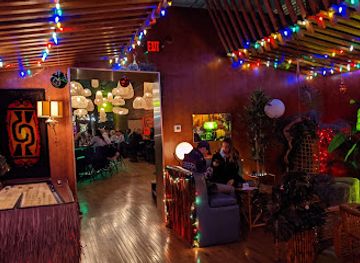
Falls Park is not a dedicated nightlife quarter, and its evening character is shaped more by the illuminated falls, river paths and occasional civic or seasonal programming than by nightclubs. Visitors can experience the park after dark when access and conditions permit, but should stay on public routes and take extra care around the water, bridges and winter surfaces. The more substantial choice of bars, breweries and live entertainment is in downtown Sioux Falls immediately south of the park, where evenings can continue after a riverside walk. These venues belong to the central-city dining and entertainment scene rather than to Falls Park itself. For a quieter night, the park’s views and changing river sounds offer an outdoor alternative to bar-hopping, subject to current park access and event arrangements.
-
Pub
Blarney Stone Pub - Sioux Falls
Discover the charm of Sioux Falls at Blarney Stone Pub, where Irish hospitality meets local flavors in a vibrant downtown setting.
1 min walk · 0.1 km from neighbourhood centre
-
Grill
Wileys Bar
Discover the vibrant nightlife at Wileys Bar in Sioux Falls, featuring delicious grill cuisine, live music, and a lively atmosphere for an unforgettable experience.
9 min walk · 0.7 km from neighbourhood centre
-
American
Falls Overlook Cafe
Experience the best of American dining at Falls Overlook Cafe, where delicious food meets stunning views in Sioux Falls.
18 min walk · 1.4 km from neighbourhood centre
-
Bar
Carpenter Bar
Experience the lively atmosphere and unique drink offerings at The Carpenter Bar in downtown Sioux Falls, a perfect spot for relaxation and entertainment.
1 min walk · 0.1 km from neighbourhood centre


Best nightclubs in Falls Park
Falls Park is not a dedicated nightlife quarter, and its evening character is shaped more by the illuminated falls, river paths and occasional civic or seasonal programming than by nightclubs. Visitors can experience the park after dark when access and conditions permit, but should stay on public routes and take extra care around the water, bridges and winter surfaces. The more substantial choice of bars, breweries and live entertainment is in downtown Sioux Falls immediately south of the park, where evenings can continue after a riverside walk. These venues belong to the central-city dining and entertainment scene rather than to Falls Park itself. For a quieter night, the park’s views and changing river sounds offer an outdoor alternative to bar-hopping, subject to current park access and event arrangements.
-
Night club
PAve
Experience the vibrant nightlife of Sioux Falls at PAve, where dining meets dancing in a dynamic downtown setting.
2 min walk · 0.2 km from neighbourhood centre
-
Night club
Wileys Bar
Experience the vibrant nightlife at Wileys Bar in Sioux Falls, where live music, delicious food, and a lively atmosphere await.
9 min walk · 0.7 km from neighbourhood centre
-
Bar
Top Hat Bar & Lounge
Experience the lively atmosphere and creative cocktails at Top Hat Bar & Lounge in Sioux Falls, the perfect spot for nightlife enthusiasts.
4 min walk · 0.3 km from neighbourhood centre
-
Cocktail bar
The Hello Hi
Discover The Hello Hi, Sioux Falls' premier cocktail bar offering a vibrant atmosphere and expertly crafted drinks for unforgettable nights.
3 min walk · 0.2 km from neighbourhood centre


Best shops in Falls Park
Falls Park itself is not a shopping neighbourhood, so retail is limited to visitor-oriented refreshments, souvenirs or seasonal offerings associated with park facilities and events. The more substantial shopping experience lies south in downtown Sioux Falls, within easy walking distance of the riverfront, where independent businesses, galleries, boutiques and specialist shops occupy the central commercial streets. Visitors can pair a walk around the falls with browsing local art, gifts and small-scale retail, but should distinguish these downtown premises from the park’s own facilities. Shopping here is therefore about combining civic landscape and central-city businesses rather than searching for a traditional market or a concentrated row of specialist stores beside the water. Seasonal events may alter what is available, so stock and vendor arrangements should not be assumed.
-
Book store
Zandbroz Variety
Explore Zandbroz Variety in Sioux Falls for an enchanting selection of books, unique gifts, and a cozy atmosphere that invites you to stay awhile.
1 min walk · 0.1 km from neighbourhood centre
-
Shopping mall
Park Ridge Shopping Center
Discover the best shopping and dining experience at Park Ridge Shopping Center in Sioux Falls, SD – where every visit is a delightful adventure.
8 min drive · 2.6 km from neighbourhood centre
-
Gift shop
Gift & Thrift
Explore unique gifts and vintage finds at Gift & Thrift in Sioux Falls, a charming shop where every purchase supports the community.
11 min drive · 3.5 km from neighbourhood centre
-
Boutique
Heritage Boutique
Explore the chic and stylish Heritage Boutique in Sioux Falls for exclusive women's fashion and unique accessories that elevate your wardrobe.
1 min walk · 0.1 km from neighbourhood centre


Falls Park essentials
Getting There
Getting Around
Safety
Emergency Situations
Do's and Don'ts
Local Tips

From Eve
Local phrases worth knowing
You don't need to get them perfect. A few words go a long way, and locals appreciate the effort.
Basics
| English | Local | Say it |
|---|---|---|
| Hello | Howdy | [haw-dee] |
| Goodbye | See ya | [see yuh] |
| Yes | Yup | [yuhp] |
| No | Nah | [nuh] |
| Please/You're welcome | Please/You're welcome | [pleez/yur welcome] |
| Thank you | Thanks | [thanks] |
| Excuse me/Sorry | Excuse me/Sorry | [eg-skyoos me/sore-ee] |
| How are you? | Howdy | [haw-dee] |
| Fine. And you? | Fine. And you? | [fahyn. and yuh?] |
| Do you speak English? | Speak English? | [speek ing-glish?] |
| I don't understand | I'm lost | [ahm lost] |
Eating & Drinking
| English | Local | Say it |
|---|---|---|
| I'd like to see the menu, please | Menu, please | [meh-nyoo, pleez] |
| I don't eat meat | No meat | [no meet] |
| Cheers! | Cheers! | [cheers] |
| I would like to pay, please | Pay, please | [pay, pleez] |
Emergencies
| English | Local | Say it |
|---|---|---|
| Help! | Help! | [help!] |
| Go away! | Go away! | [go away!] |
| Call the Police! | Call the cops! | [call the cops!] |
| Call a doctor! | Call a doc! | [call a doc!] |
| I'm lost | I'm lost | [ahm lost] |
| I'm ill | I'm sick | [ahm sick] |
Shopping
| English | Local | Say it |
|---|---|---|
| I'd like to buy... | I wanna buy... | [ah wanna buy...] |
| I'm just looking | Just looking | [just look-ing] |
| How much is it? | How much? | [how much?] |
| That's too expensive | Too much | [too much] |
| Can you lower the price? | Lower the price? | [loh-er the price?] |
Time & Numbers
| English | Local | Say it |
|---|---|---|
| What time is it? | What time? | [what time?] |
| It's one o'clock | It's one | [its one] |
| Half past (10) | Ten thirty | [ten thur-tee] |
| Morning | Morning | [morn-ing] |
| Afternoon | Afternoon | [after-noon] |
| Evening | Evening | [ee-ven-ing] |
| Yesterday | Yesterday | [yes-ter-day] |
| Today | Today | [to-day] |
| Tomorrow | Tomorrow | [to-mor-row] |
| 1 | One | [wun] |
| 2 | Two | [too] |
| 3 | Three | [three] |
| 4 | Four | [four] |
| 5 | Five | [five] |
| 6 | Six | [six] |
| 7 | Seven | [sev-un] |
| 8 | Eight | [ayt] |
| 9 | Nine | [nine] |
| 10 | Ten | [ten] |
Transport & Directions
| English | Local | Say it |
|---|---|---|
| Where's a/the...? | Where's... | [wheres...] |
| What's the address? | Address? | [address?] |
| Can you show me (on the map)? | Show me | [show me] |
| When's the next (bus)? | Next bus? | [next bus?] |
| A ticket (to ....) | Ticket | [ticket] |
History of Falls Park
A Sacred River Crossing
The falls long formed an important place along the Big Sioux River for Indigenous peoples, including the Dakota, whose presence in the region predates the establishment of Sioux Falls by many generations. The river, its floodplain and the exposed quartzite were part of a wider landscape of travel, sustenance and cultural meaning. European-American accounts later described the cascades as a potential source of power, but that industrial interpretation was imposed on a place already embedded in Indigenous geography and history.
Settlement Around the Falls
The modern city developed around the economic possibilities of the river after the mid-nineteenth-century arrival of settlers and land speculators. Fort Dakota was established nearby in 1865, and the settlement that became Sioux Falls grew around the falls as transport links, commerce and agricultural trade expanded. The river gave the emerging town a recognisable centre, while the surrounding quartzite landscape influenced building materials and the visual character of the area. Economic setbacks, including the wider Panic of 1873, slowed early growth but did not remove the falls from the city’s ambitions.
The Queen Bee Mill Era
The Queen Bee Mill was constructed beside the falls in the early 1880s as part of an effort to harness the Big Sioux River for flour milling. Its operation was short-lived, and the surviving ruins now provide the clearest physical reminder of the industrial schemes once concentrated at the water’s edge. Although the mill did not fulfil the hopes attached to it, its location illustrates why the falls were central to nineteenth-century plans for Sioux Falls: they were simultaneously a natural spectacle, a source of mechanical power and a focus for investment.
From Industrial Edge to Civic Park
As Sioux Falls expanded, the falls gradually became valued more prominently as a civic and recreational landscape than as an industrial power source. Park improvements, paths, viewing areas and interpretation helped preserve public access to the riverfront, while later redevelopment connected Falls Park more closely with the growing central city. The Queen Bee Mill ruins were retained as a heritage feature, and contemporary additions such as the viewing tower, public art and riverwalk present the site as both a historical landscape and a public gathering place.
Falls Park in Photos
Browse through our photo collection highlighting the charm and character of the destination.
Neighbourhoods near Falls Park
The closest neighbourhoods to Falls Park, if you have time for more than one stop.
-
-

-


Swipe for more neighbourhoods
Explore more

Explore more of Sioux Falls
Sioux Falls, South Dakota, pairs the Big Sioux River's waterfalls with sculpture, museums, prairie history, local dining and an easy-going downtown.
Explore Sioux Falls