

Free Sioux Falls Travel Guide & Mobile App
Plan your Sioux Falls trip with Evendo. Get free guides to top attractions, restaurants, hotels, and bars. Web access or download the mobile app.


Sioux Falls, South Dakota, pairs the Big Sioux River's waterfalls with sculpture, museums, prairie history, local dining and an easy-going downtown.
The Big Sioux River
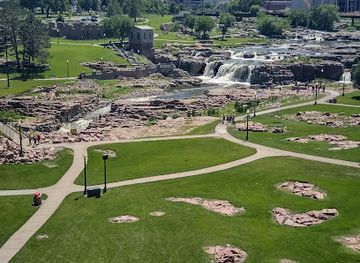
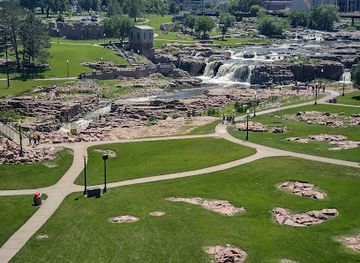
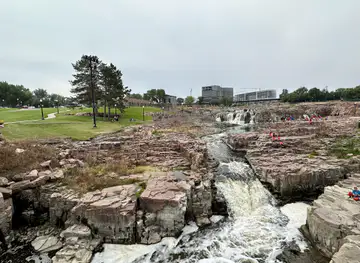
Sioux Falls takes its name from the series of pink quartzite cascades that break across the Big Sioux River at the centre of the city. Around them, Falls Park combines open lawns, walking paths, historic industrial buildings and viewpoints over the water, creating a natural meeting place within the urban landscape. The river continues through the city along the Big Sioux River Greenway, linking parks, trails and neighbourhoods. Sioux Falls is South Dakota's largest city, but its scale remains approachable: the central districts, cultural venues and riverfront can be explored without the intensity of a major metropolitan centre.Read more about Sioux Falls
Heritage and City Life
A Prairie City with Room to Breathe
When is the best time to visit Sioux Falls?
Best: June, August–September · 22–27°C| Month | High (°C) | Rainfall (mm) |
|---|---|---|
| January | -3 | 15 |
| February | 0 | 15 |
| March | 7 | 25 |
| April | 14 | 50 |
| May | 20 | 70 |
| June (best) | 26 | 80 |
| July | 28 | 70 |
| August (best) | 27 | 70 |
| September (best) | 22 | 50 |
| October | 14 | 40 |
| November | 6 | 25 |
| December | -1 | 20 |
Getting to and around Sioux Falls
How to get there
Transportation
Best attractions in Sioux Falls
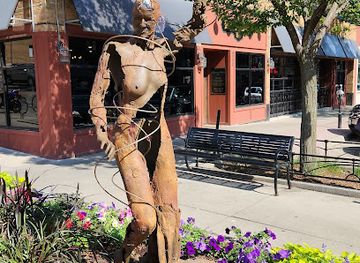
Falls Park is Sioux Falls's defining sightseeing area, with the Big Sioux River spreading over pink quartzite ledges, paths, viewpoints and remnants of historic mills. Downtown adds the Washington Pavilion, a cultural complex containing the Visual Arts Center, performance spaces and the Kirby Science Discovery Center, making it useful in all weather. The Old Courthouse Museum presents regional history inside a former county courthouse, while the Pettigrew Home and Museum explores the life and period of one of South Dakota's early political figures. SculptureWalk brings changing public artworks to central streets, turning an ordinary walk into an open-air gallery. The Big Sioux River Greenway extends the outdoor experience through parks, trails and recreational landscapes beyond the waterfall. Families and architecture enthusiasts can also explore the USS South Dakota Battleship Memorial, which interprets the famous Second World War-era battleship through displays and a memorial site in the city.
-
Park
Falls Park
Explore Falls Park in Sioux Falls, SD - a stunning natural attraction featuring majestic waterfalls, scenic trails, and vibrant events throughout the year.
5 min drive · 1.6 km from city centre
-
Park
Falls Park
Explore the breathtaking beauty and cultural charm of Falls Park, a stunning natural attraction in Sioux Falls, South Dakota, perfect for all travelers.
5 min drive · 1.6 km from city centre
-
Convention center
Sioux Falls Convention Center
Discover a premier event venue in Sioux Falls, South Dakota, offering state-of-the-art facilities for conferences, banquets, and weddings.
7 min drive · 2.4 km from city centre
-
Tourist attraction
Great Plains Zoo
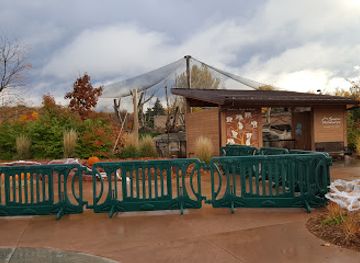
Explore the Great Plains Zoo in Sioux Falls, SD, home to diverse wildlife and engaging educational experiences for all ages.
8 min drive · 2.6 km from city centre


Best landmarks in Sioux Falls
The Big Sioux River falls at Falls Park are both a natural landmark and the geographical reason for the city's existence, their quartzite ledges having powered mills and shaped local industry. Nearby historic mill remnants connect the waterway with Sioux Falls's commercial past. The Old Courthouse Museum is a Romanesque-style civic building constructed in the late nineteenth century, with local stonework and a prominent tower that reflects the confidence of the growing county seat. The Pettigrew Home and Museum preserves a period residence associated with Richard Franklin Pettigrew and offers a more intimate view of civic life. Downtown's Washington Pavilion represents a later chapter, adapting a former high-school building into a major cultural complex. The USS South Dakota Battleship Memorial adds a national military dimension, commemorating the state-named battleship and those who served aboard it.
-
Park
Falls Park
Discover the stunning waterfalls, lush trails, and historic charm of Falls Park in Sioux Falls, your perfect destination for nature and relaxation.
5 min drive · 1.6 km from city centre
-
Zoo
Great Plains Zoo
Discover the Great Plains Zoo in Sioux Falls: A family-friendly adventure showcasing diverse wildlife and engaging exhibits for everyone to enjoy.
8 min drive · 2.6 km from city centre
-
Pub
Blarney Stone Pub - Sioux Falls
Explore the charm of Sioux Falls at Blarney Stone Pub, where hearty Irish cuisine meets a lively atmosphere in the heart of Downtown.
4 min walk · 0.3 km from city centre
-
Performing arts theater
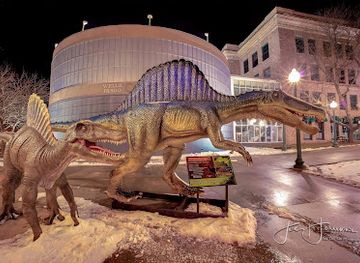
Washington Pavilion
Explore the Washington Pavilion in Sioux Falls, a vibrant hub of performing arts, science, and art that captivates visitors of all ages.
3 min walk · 0.2 km from city centre
Explore Sioux Falls on the map
Plan your Sioux Falls trip on one map. See where the top attractions, landmarks, restaurants, bars and hotels are, find what's near where you're staying, and book hotels and experiences in a few clicks.
Neighbourhoods in Sioux Falls
-
-

-

-


Swipe for more neighbourhoods
Best hotels in Sioux Falls
Best restaurants in Sioux Falls
Sioux Falls's food scene reflects its position as a regional centre in the northern Great Plains, where agricultural produce, Midwestern comfort food and newer international influences meet. Downtown, Phillips Avenue and nearby districts contain cafés, bakeries, breweries, casual dining rooms and more contemporary kitchens, while larger commercial areas offer a broad range of American and global cuisines. Menus commonly draw on beef, pork, potatoes, grains and seasonal produce, although the city's growing population has expanded the choice well beyond traditional fare. Coffee shops and relaxed breakfast places are part of the local rhythm, and food trucks and seasonal events add variety without replacing established restaurants. Visitors interested in regional character should look for South Dakota ingredients and prairie-influenced cooking, while leaving room for the city's immigrant and modern culinary communities, which bring different techniques and flavours to the table.
-
Restaurant
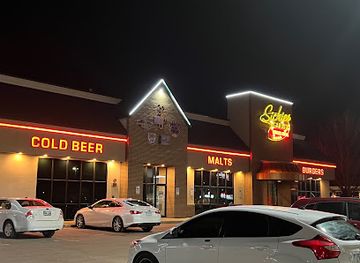
Sickies Garage Burgers & Brews
Discover the ultimate burger experience at Sickies Garage Burgers & Brews in Sioux Falls – where flavor meets fun in a vibrant atmosphere.
12 min drive · 4.1 km from city centre
-
Italian
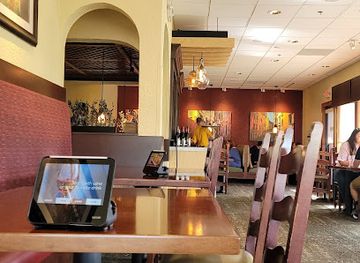
Olive Garden Italian Restaurant
Experience authentic Italian cuisine at Olive Garden in Sioux Falls – perfect for families, takeout lovers, and anyone craving delicious meals.
13 min drive · 4.4 km from city centre
-
Brazilian
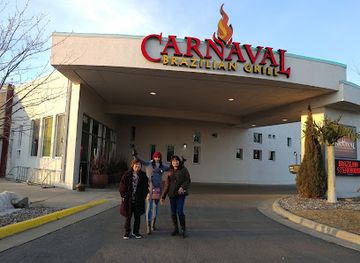
Carnaval Brazilian Grill
Savor authentic Brazilian cuisine with an unforgettable rodizio experience at Carnaval Brazilian Grill in Sioux Falls.
13 min drive · 4.4 km from city centre
-
Breakfast
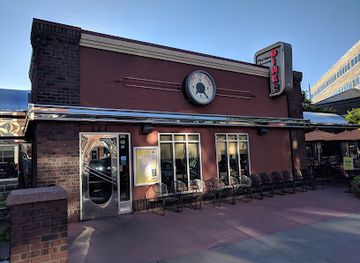
Phillips Avenue Diner
Experience classic American breakfast delights at Phillips Avenue Diner in downtown Sioux Falls - where nostalgia meets deliciousness.
5 min walk · 0.4 km from city centre
Best bars in Sioux Falls
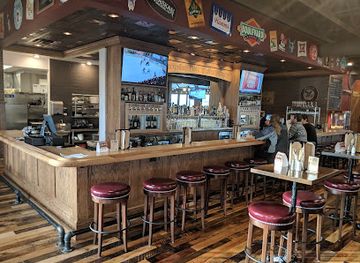
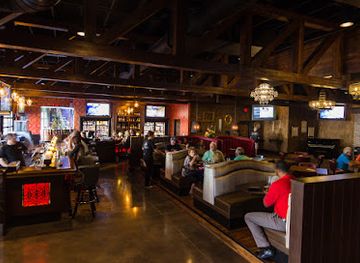
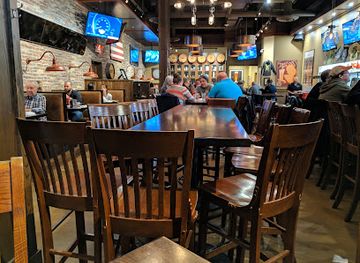
Evenings in Sioux Falls are concentrated around downtown, particularly along Phillips Avenue and adjoining streets, with additional activity near the East Bank and 8th Street areas. The mood ranges from relaxed brewpubs, wine bars and cocktail rooms to live-music venues and late-night bars, rather than the dense club scene associated with a major metropolis. Local breweries have become part of the city's social landscape, while theatres and performance spaces in and around the Washington Pavilion provide alternatives to drinking-focused nightlife. Seasonal festivals, concerts and events in public spaces can bring a larger crowd to the centre, especially in warmer months. Outside downtown, nightlife is more dispersed and often tied to restaurants, neighbourhood bars or commercial districts. Visitors should remember that US venues enforce identification and alcohol rules, and that transport between districts may require a car or ride service.
-
Pub
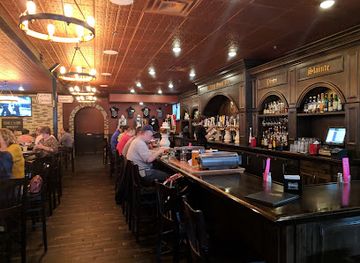
Blarney Stone Pub - Sioux Falls
Discover the heart of Sioux Falls at Blarney Stone Pub, where great food, drinks, and a lively atmosphere await.
4 min walk · 0.3 km from city centre
-
Grill
Crooked Pint Ale House
Discover Sioux Falls' culinary gem at Crooked Pint Ale House - a delightful grill and brewery featuring mouthwatering dishes and craft brews.
9 min drive · 3.0 km from city centre
-
Grill
The Attic East Bar and Grill
Discover Sioux Falls' vibrant dining scene at The Attic East Bar and Grill, where every meal is a flavorful adventure.
18 min drive · 6.0 km from city centre
-
Bar
TapHouse 41
Discover the best of Sioux Falls at TapHouse 41, where craft beer meets delectable dishes in a lively bar and grill atmosphere.
12 min drive · 3.9 km from city centre
Best nightclubs in Sioux Falls
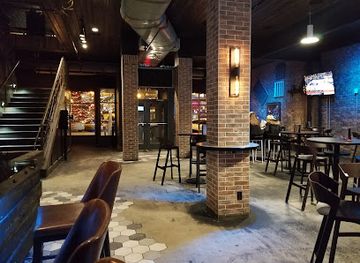
Evenings in Sioux Falls are concentrated around downtown, particularly along Phillips Avenue and adjoining streets, with additional activity near the East Bank and 8th Street areas. The mood ranges from relaxed brewpubs, wine bars and cocktail rooms to live-music venues and late-night bars, rather than the dense club scene associated with a major metropolis. Local breweries have become part of the city's social landscape, while theatres and performance spaces in and around the Washington Pavilion provide alternatives to drinking-focused nightlife. Seasonal festivals, concerts and events in public spaces can bring a larger crowd to the centre, especially in warmer months. Outside downtown, nightlife is more dispersed and often tied to restaurants, neighbourhood bars or commercial districts. Visitors should remember that US venues enforce identification and alcohol rules, and that transport between districts may require a car or ride service.
-
Night club
PAve
Discover Sioux Falls' premier nightlife destination at PAve, where vibrant energy meets delicious cuisine and crafted cocktails.
5 min walk · 0.4 km from city centre
-
Night club
Wileys Bar
Discover the ultimate nightlife experience at Wileys Bar in Sioux Falls, featuring live music, delicious food, and a vibrant atmosphere.
9 min walk · 0.7 km from city centre
-
Bar
Top Hat Bar & Lounge
Experience Sioux Falls' nightlife at Top Hat Bar & Lounge, where great drinks, live music, and a lively atmosphere await every visitor.
7 min walk · 0.6 km from city centre
-
Bar
Crow Bar & Casino Lounge
Discover the lively Crow Bar & Casino Lounge in Sioux Falls – a perfect blend of drinks, gaming, and nightlife.
8 min drive · 2.8 km from city centre
Best shops in Sioux Falls
Shopping in Sioux Falls ranges from independent downtown businesses to large commercial centres on the city's edges. Phillips Avenue and the surrounding central streets offer boutiques, galleries, gift shops, booksellers and locally made goods within walking distance of the river and cultural institutions. The Empire Mall and neighbouring retail areas provide the broadest concentration of national chains, department stores and mainstream shopping, while smaller districts include specialist food, home and lifestyle retailers. Visitors seeking a sense of place can look for South Dakota-made crafts, regional food products, prairie-themed art, books on Dakota and Great Plains history, and goods featuring locally significant quartzite imagery. Seasonal markets and maker events change through the year, so the most distinctive purchases are often found among independent vendors rather than in standard souvenir outlets.
-
Shopping mall
The Empire Mall
Explore over 150 stores, diverse dining options, and entertainment experiences at The Empire Mall, the largest shopping center in South Dakota.
16 min drive · 5.2 km from city centre
-
Shopping mall
Dawley Farm Village
Explore Dawley Farm Village: Sioux Falls' premier shopping destination with diverse stores and delightful dining options for everyone.
19 min drive · 6.2 km from city centre
-
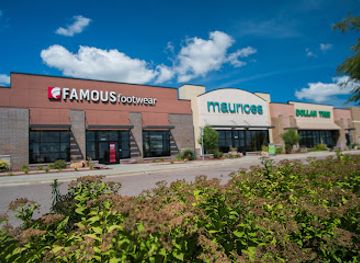
Clothing store
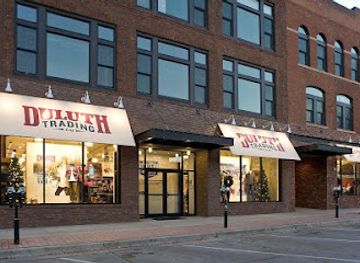
Duluth Trading Company
Discover quality clothing and gear at Duluth Trading Company in Sioux Falls, where adventure meets style for men and women.
5 min walk · 0.4 km from city centre
-
Book store
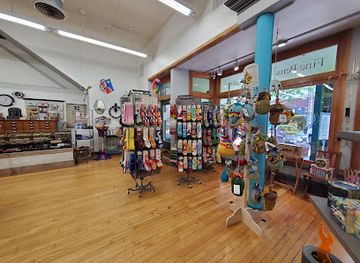
Zandbroz Variety
Explore a literary treasure trove at Zandbroz Variety, where books and unique gifts come together in the heart of Sioux Falls.
4 min walk · 0.4 km from city centre
Get your free copy of our complete guide to Sioux Falls, delivered straight to you.
Everything on this page, from attractions and restaurants to essentials and local phrases, in one PDF you can read offline, print or share.
Already have an account? Sign in
Your Sioux Falls guide is ready.
We'll send it to · Not you? Sign out

Getting your guide ready…
We are putting together a fresh copy of the Sioux Falls guide. This can take up to a minute.
This can take a few moments. If your browser asks, choose Allow so the download can start. You'll find the guide in your Downloads folder.
Nothing happened? Download it again
Sorry, the guide is taking longer than usual. Please try again in a minute, or get it by email instead.
Sioux Falls essentials
Currency and Payment
Safety
Emergency Situations
Do's and Don'ts
Local Tips
From Eve
Local phrases worth knowing
You don't need to get them perfect. A few words go a long way, and locals appreciate the effort.
Basics
| English | Local | Say it |
|---|---|---|
| Hello | Hau | [how] |
| Goodbye | Tȟáŋka | [tahn-kah] |
| Yes | Hehá | [hey-hah] |
| No | Hą́ | [hahn] |
| Please/You're welcome | Aŋpétu kiŋ lé | [ahn-pay-too keen lay] |
| Thank you | Pilamayaye | [pee-lah-mah-yah-yay] |
| Excuse me/Sorry | Hehá, hą́ | [hey-hah, hahn] |
| How are you? | Hečhelé kiŋ lá | [heh-chay-lay keen lah] |
| Fine. And you? | Hečhelé. Kiŋ lá | [heh-chay-lay. keen lah] |
| Do you speak English? | Iya ištáwíčhayay English? | [ee-yah eesh-tah-wee-chah-yah-yay English?] |
| I don't understand | Wíyayawapi kiŋ lé | [wee-yah-yah-wah-pee keen lay] |
Eating & Drinking
| English | Local | Say it |
|---|---|---|
| I'd like to see the menu, please | Wíyawapi kta kaga, tȟaŋka | [wee-yah-yah-wah-pee kah-gah, tahn-kah] |
| I don't eat meat | Hą́ na ištá kiŋ lé | [hahn nah eesh-tah keen lay] |
| Cheers! | Skál! | [skahl] |
| I would like to pay, please | Wíyawapi kta kaga, tȟaŋka | [wee-yah-yah-wah-pee kah-gah, tahn-kah] |
Emergencies
| English | Local | Say it |
|---|---|---|
| Help! | Wíyayayapi! | [wee-yah-yah-yah-pee] |
| Go away! | Núŋkšiče! | [noongk-shee-chay] |
| Call the Police! | Wíyayayapi kiŋ lé! | [wee-yah-yah-yah-pee keen lay] |
| Call a doctor! | Wíyayayapi kiŋ lé! | [wee-yah-yah-yah-pee keen lay] |
| I'm lost | Wíyayawapi kiŋ lé | [wee-yah-yah-yah-wah-pee keen lay] |
| I'm ill | Wíyayawapi kiŋ lé | [wee-yah-yah-yah-wah-pee keen lay] |
Shopping
| English | Local | Say it |
|---|---|---|
| I'd like to buy... | Wíyawapi kta | [wee-yah-yah-wah-pee kah] |
| I'm just looking | Wóiyuška | [woh-yuh-shkah] |
| How much is it? | Taku kte lo? | [tah-koo kteh loh] |
| That's too expensive | Hečel ċaŋté yelo | [heh-chayl chahn-tay yeh-loh] |
| Can you lower the price? | Taku kte lo? | [tah-koo kteh loh] |
Time & Numbers
| English | Local | Say it |
|---|---|---|
| What time is it? | Háŋska tȟokáyapi kiŋ lé? | [hahn-skah tahn-koh-yah-pee keen lay] |
| It's one o'clock | Tóka akíčhiyapi | [toh-kah ah-kee-chee-yah-pee] |
| Half past (10) | Naháŋ hu wíyutȟapi (10) | [nah-hahn hoo wee-yuh-thah-pee] |
| Morning | Iyáȟčapi | [ee-yah-gh-chah-pee] |
| Afternoon | Wíyutȟápi | [wee-yuh-thah-pee] |
| Evening | Ištáwiyayapi | [eesh-tah-wee-yah-yah-pee] |
| Yesterday | Héčha | [hay-chah] |
| Today | Líla | [lee-lah] |
| Tomorrow | Aŋpétu | [ahn-pay-too] |
| 1 | Waníyetu | [wah-nee-yea-too] |
| 2 | Tuwe | [too-way] |
| 3 | Tháŋka | [tahn-kah] |
| 4 | Topa | [toh-pah] |
| 5 | Zaptan | [zap-tahn] |
| 6 | Šakpe | [shahk-pay] |
| 7 | Šakowin | [shahk-oh-wee] |
| 8 | Šakolu | [shahk-oh-loo] |
| 9 | Šakpala | [shahk-pah-lah] |
| 10 | Waŋyápi | [wahn-yah-pee] |
Transport & Directions
| English | Local | Say it |
|---|---|---|
| Where's a/the...? | Hečéxelá? | [heh-chay-ghay-lah] |
| What's the address? | Heíčha kiŋ lé? | [hay-chah keen lay] |
| Can you show me (on the map)? | Mapa kiŋ lé? | [mah-pah keen lay] |
| When's the next (bus)? | Wíyayapi kiŋ lé (bus)? | [wee-yah-yah-pee keen lay (bus)] |
| A ticket (to ....) | Wíyawapi kiŋ lé (....) | [wee-yah-yah-wah-pee keen lay] |
History of Sioux Falls
Indigenous Homelands and the River Falls
The Big Sioux River and its falls have long been significant within the northern Great Plains. The area lies within the historic homelands and broader cultural world of Dakota peoples, whose communities used the region's waterways, grasslands and resources before American settlement. The falls themselves provided a conspicuous geographical reference and later became the foundation of the city's name and industrial economy. Sioux Falls developed within a region shaped by Indigenous trade, movement and diplomacy, as well as by the expanding territorial ambitions of the United States. Any account of the city's origins therefore extends beyond the arrival of settlers to include the Dakota presence and the profound changes imposed on Indigenous people during nineteenth-century US expansion.
Settlement at the Big Sioux
American settlement at the falls accelerated in the 1850s. The Dakota Land Company established a settlement in 1856, seeking to develop the river as a source of power and commercial opportunity. Growth was interrupted in 1862 during the US-Dakota War, when settlers left the community and the United States established Fort Dakota near the falls in 1865. The military presence helped reopen the area to American settlement, but it also formed part of a wider process of dispossession and restriction affecting Dakota communities. Sioux Falls was incorporated as a city in 1876, when the surrounding Dakota Territory was being transformed by railways, land speculation and agricultural settlement.
Railways and Nineteenth-Century Growth
Rail connections in the late 1870s changed Sioux Falls from a small river settlement into a regional commercial centre. The arrival of the Milwaukee Road in 1878 and other railway links improved access to markets, encouraged migration and supported the movement of agricultural goods. Local industries used the Big Sioux's falls for water power, while mills, warehouses and businesses gathered around the developing town. Many surviving downtown buildings date from the subsequent period of expansion, when brick commercial architecture replaced earlier wooden structures. The Old Courthouse Museum, housed in the former Minnehaha County courthouse, reflects the civic confidence and institutional growth that accompanied this transformation.
Industry, Agriculture and Civic Institutions
During the late nineteenth and early twentieth centuries, Sioux Falls became a service and processing centre for the surrounding agricultural region. Grain handling, milling, meat processing, banking and retail connected the city to farms across southeastern South Dakota and neighbouring states. Civic institutions, churches, schools and cultural organisations expanded alongside the economy, while neighbourhoods spread beyond the original centre. The Pettigrew Home and Museum preserves the domestic world of Richard Franklin Pettigrew, a prominent South Dakota politician, and illustrates the ambitions of the period's local elite. Immigration and internal migration added to the city's social complexity, even as segregation and unequal power relations shaped everyday life.
Modern Sioux Falls
After the Second World War, Sioux Falls experienced sustained suburban expansion and economic diversification. Manufacturing, healthcare, financial services, education and retail joined agriculture as important parts of the regional economy. Roads and new development enlarged the urban area, while public investment in Falls Park, the river greenway and downtown cultural facilities strengthened the city's civic identity. The Washington Pavilion, opened in a former high-school building in 1999 after extensive redevelopment, became a major arts and science complex. Contemporary Sioux Falls continues to grow while retaining visible links to its river, railway-era centre and prairie setting, with museums, public art and restored historic structures interpreting the city's layered past.
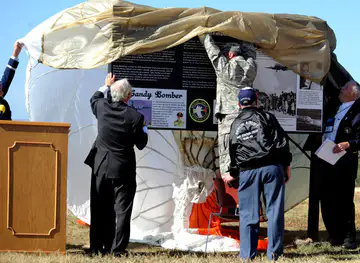
Sioux Falls in Photos
Browse through our photo collection highlighting the charm and character of the destination.
Cities near Sioux Falls
The closest cities to Sioux Falls, if you have time for more than one stop.
-
-

-

-

-


Swipe for more cities
Explore more

Explore more of South Dakota
Discover South Dakota: From the iconic Mount Rushmore and Crazy Horse Memorial to the stunning Badlands and charming small towns, it's a land of history and natural beauty.
Explore South Dakota