

Seomyeon (Busan) Travel Guide - Free
Explore Seomyeon in Busan with Evendo's free guide. Find the best shops, historic streets, restaurants, and gems on web or mobile.


Seomyeon in Busan blends subway-linked shopping, Korean food, late-night streets, cafés and easy access to markets, parks and central city culture.
Busan’s Urban Meeting Point
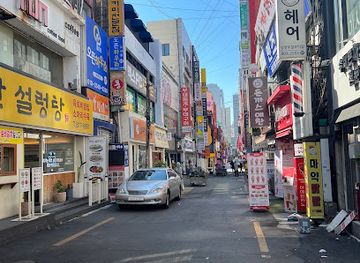
\n\nSeomyeon occupies a central position in Busan, where the city’s first and second metro lines meet beneath a dense commercial district. Its name is often translated as “western township”, recalling an older administrative landscape, but contemporary Seomyeon is defined by movement, commerce and an urban rhythm that continues well into the evening. The area around Seomyeon Station unfolds through broad shopping avenues, underground arcades, restaurant alleys and busy pedestrian streets, while the nearby Seomyeon Rotary remains one of the city’s most recognisable junctions.\n\nShopping, Food and Night Streets
\n\nThe district’s character changes from block to block. Lotte Department Store Busan Main offers large-scale retail and dining, while Seomyeon 1beon-ga is associated with restaurants, bars and late-night entertainment. Seomyeon Medical Street adds a more specialised commercial identity, with clinics, pharmacies and beauty-related businesses. Around the station, visitors can find Korean barbecue, dwaeji-gukbap, noodles, fried chicken, cafés and small eateries serving office workers, students and night-time crowds. The nearby Bujeon Market provides a more traditional market experience, and Jeonpo Cafe Street begins to the west in the adjacent Jeonpo area.\n\nEveryday Busan in the Centre
\n\nSeomyeon is less about monumental sightseeing than about observing contemporary Busan at close range: commuters changing lines, friends meeting beneath illuminated signs, shoppers moving between department stores and underground passages, and restaurants filling after dusk. Its central transport position makes it a practical base for exploring other parts of the city, while its own streets reward slow wandering, especially when the commercial avenues give way to smaller alleys and local businesses.Best attractions in Seomyeon
Seomyeon’s main attraction is the district itself: a layered urban landscape of underground arcades, department-store concourses, illuminated restaurant alleys and pedestrian shopping streets. Seomyeon Station provides the orientation point, while Seomyeon 1beon-ga offers some of the clearest views of the area’s late-night commercial life. Lotte Department Store Busan Main adds large-scale retail, dining and seasonal displays to the central streetscape, and Seomyeon Medical Street reflects the district’s specialised contemporary commerce. Bujeon Market, close to the northern edge, introduces a more traditional atmosphere, with produce, seafood, prepared foods and everyday market trade. Visitors interested in cafés can continue towards nearby Jeonpo, although that is a separate neighbourhood. Seomyeon is not a museum quarter; its appeal lies in observing Busan’s modern routines, comparing old-style market commerce with new retail, and following the changes in atmosphere between daytime shopping streets and evening alleys.
-
City park
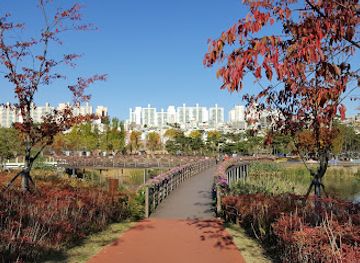
Busan Citizens Park
Experience the beauty and serenity of Busan Citizens Park, a cultural and natural gem in the heart of Busan, perfect for relaxation and exploration.
14 min walk · 1.1 km from neighbourhood centre
-
Market
Seomyeon Market
Discover the bustling Seomyeon Market in Busan, where local culture, delicious street food, and vibrant shopping await every visitor.
4 min walk · 0.3 km from neighbourhood centre
-
Tourist attraction
Seomyeon Rotary
Experience the vibrant heart of Busan at Seomyeon Rotary, a bustling hub of shopping, dining, and cultural exploration.
1 min walk · 0.1 km from neighbourhood centre
-
Park
Songsanghyeon Square
Explore the vibrant urban oasis of Songsanghyeon Square in Busanjin-gu, where culture and nature meet in perfect harmony.
10 min walk · 0.8 km from neighbourhood centre
Best landmarks in Seomyeon
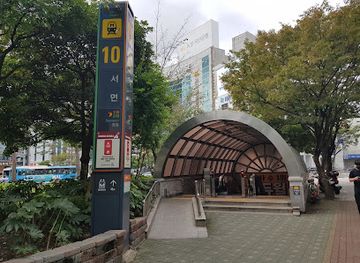
Seomyeon’s most significant landmarks are urban and infrastructural rather than monumental. Seomyeon Rotary, the major junction at the district’s centre, has long served as a visual and transport reference point, while Seomyeon Station marks the meeting of Busan Metro Lines 1 and 2 and explains much of the neighbourhood’s commercial importance. Lotte Department Store Busan Main is a prominent contemporary landmark, anchoring a large retail complex beside the central streets. The underground shopping passages form another characteristic layer, connecting transport movement with everyday commerce. Towards the northern side, Bujeon Market represents the continuity of market-based trade within a rapidly modernising city, even though its market environment differs sharply from the polished department-store district. The nearby streets towards Jeonpo contain newer café and creative businesses, but they belong to the adjacent neighbourhood and should not be confused with Seomyeon’s principal historic and commercial core.
-
City park
Busan Citizens Park
Discover the lush landscapes and cultural heritage of Busan Citizens Park, a serene urban oasis perfect for relaxation and exploration.
14 min walk · 1.1 km from neighbourhood centre
-
Shopping mall
Samjung Tower
Explore the dynamic Samjung Tower in Busan, where shopping, dining, and entertainment come together in a vibrant cultural experience.
7 min walk · 0.6 km from neighbourhood centre
-
Shopping mall
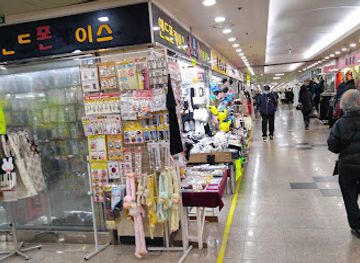
SEOMYEON MALL - Seomyeon Underground Shopping Center
Explore SEOMYEON MALL in Busan: A vibrant underground shopping center offering diverse shopping, delightful dining, and exciting local events.
3 min walk · 0.2 km from neighbourhood centre
-
Market
Seomyeon Market
Explore Seomyeon Market in Busan for an authentic taste of local culture, delicious street food, and vibrant shopping experiences.
4 min walk · 0.3 km from neighbourhood centre
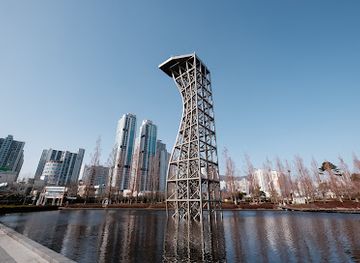
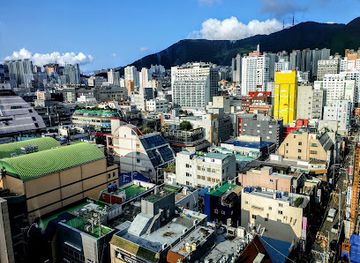
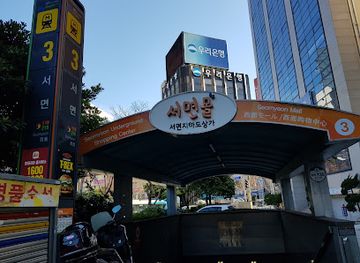
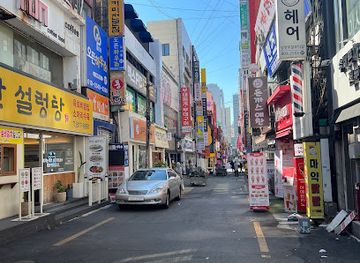
Explore Seomyeon on the map
A handpicked selection of must-see spots in Seomyeon, mapped for you.
Best hotels in Seomyeon
Best restaurants in Seomyeon
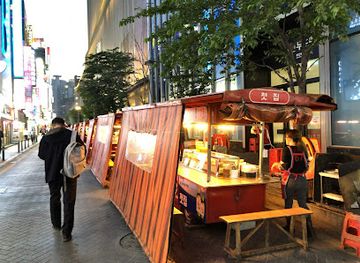
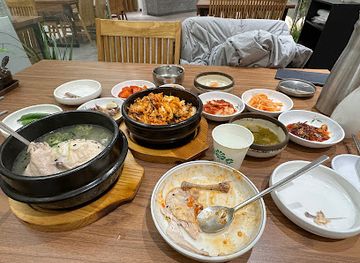
Seomyeon is one of Busan’s most useful districts for eating across a wide range of Korean styles, from quick meals in small local restaurants to social dining in larger venues. The streets around Seomyeon 1beon-ga are particularly associated with Korean barbecue, dwaeji-gukbap, fried chicken, noodles, grilled seafood and late-night snacks, while the blocks around the station include cafés, bakeries and restaurants suited to office workers and shoppers. Dwaeji-gukbap, a pork-and-rice soup strongly associated with Busan, is a natural dish to look for, although individual recipes vary. Bujeon Market adds stalls and traditional market foods just north of the main district. The area also has substantial international and contemporary dining, but its strongest identity comes from informal Korean meals, shared tables, quick service and restaurants that remain active after much of the city’s daytime retail has closed.
-
Korean BBQ
Matchandeul Wang Sogeumgui, Seomyeon
Experience the best Korean BBQ in Busan at Matchandeul Wang Sogeumgui – where flavor meets tradition in every grilled bite.
6 min walk · 0.5 km from neighbourhood centre
-
Korean
Samojeong
Experience authentic Korean flavors at Samojeong in Busan – where tradition meets culinary excellence.
3 min walk · 0.2 km from neighbourhood centre
-
Ramen
Ramenya
Discover authentic Japanese ramen at Ramenya in Busanjin-gu - a must-visit culinary destination for food lovers.
3 min walk · 0.2 km from neighbourhood centre
-
Italian
Country Mans, Busan Head Store
Experience authentic Italian flavors at Country Mans in Busan - where every dish tells a story.
6 min walk · 0.5 km from neighbourhood centre
Best bars in Seomyeon
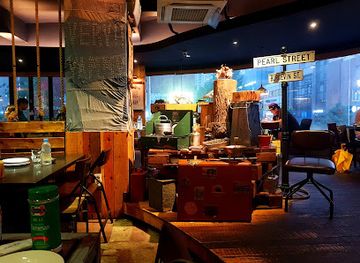
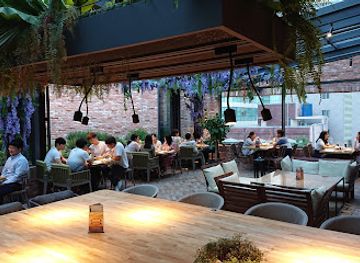
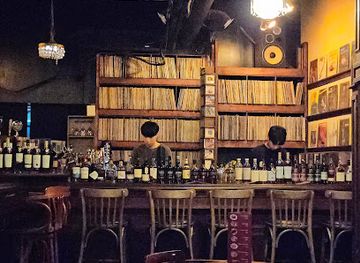
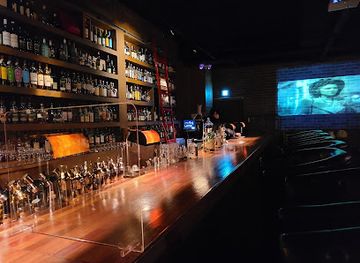
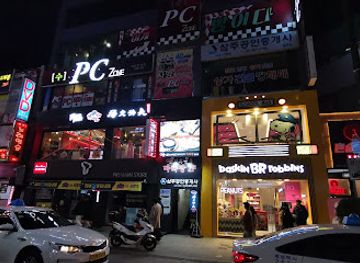
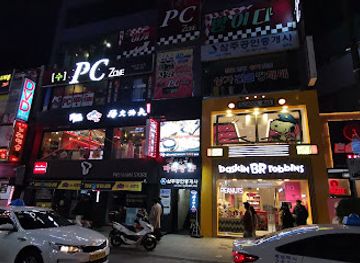
Seomyeon becomes more animated after dark, particularly around Seomyeon 1beon-ga and the dense alleys near the station. The evening scene is built around Korean drinking culture, casual bars, beer establishments, karaoke rooms and restaurants where groups continue socialising over shared food. Larger commercial streets are brightly lit and busy, while smaller side roads contain a changing mix of informal venues and entertainment businesses. Seomyeon is also one of Busan’s established meeting points for younger nightlife, though the atmosphere varies considerably from one block to the next and not every street is devoted to clubs. Visitors should distinguish the district’s broad late-night dining and bar culture from the more specialised club scenes found elsewhere in Busan. Noise can carry into residential buildings, so quieter behaviour is appropriate when walking away from the main entertainment streets.
-
Gastropub
SKÖLL Gastro Beer Pub
Discover the vibrant atmosphere and exceptional flavors at SKÖLL Gastro Beer Pub in the heart of Busan, a must-visit for food and beer enthusiasts.
4 min walk · 0.3 km from neighbourhood centre
-
Bar
SAVOY
Experience the vibrant nightlife of Busan at Savoy, a trendy bar offering exquisite drinks and a lively atmosphere for all visitors.
2 min walk · 0.2 km from neighbourhood centre
-
Cocktail bar
WOOD SIDE BAR
Discover WOOD SIDE BAR, a premier cocktail destination in Busan, offering innovative drinks and stunning views in a vibrant atmosphere.
8 min walk · 0.6 km from neighbourhood centre
-
Bar
Thursday Party, Seomyeon
Unleash your spirit at Thursday Party, Seomyeon – a vibrant bar in Busan offering unforgettable nightlife experiences with drinks, music, and new friends.
6 min walk · 0.5 km from neighbourhood centre
Best nightclubs in Seomyeon
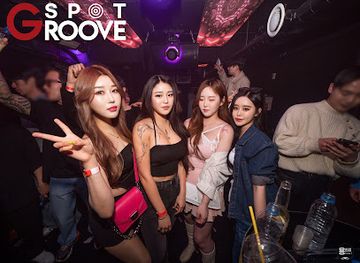
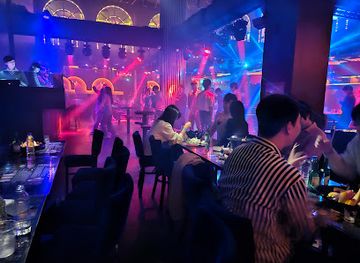
Seomyeon becomes more animated after dark, particularly around Seomyeon 1beon-ga and the dense alleys near the station. The evening scene is built around Korean drinking culture, casual bars, beer establishments, karaoke rooms and restaurants where groups continue socialising over shared food. Larger commercial streets are brightly lit and busy, while smaller side roads contain a changing mix of informal venues and entertainment businesses. Seomyeon is also one of Busan’s established meeting points for younger nightlife, though the atmosphere varies considerably from one block to the next and not every street is devoted to clubs. Visitors should distinguish the district’s broad late-night dining and bar culture from the more specialised club scenes found elsewhere in Busan. Noise can carry into residential buildings, so quieter behaviour is appropriate when walking away from the main entertainment streets.
-
Bar
Thursday Party, Seomyeon
Discover the electric nightlife of Busan at Thursday Party, a must-visit bar in the heart of Seomyeon for unforgettable nights.
6 min walk · 0.5 km from neighbourhood centre
-
Night club
groove club busan
Discover the ultimate nightlife experience at Groove Club Busan, where vibrant music and an electrifying atmosphere await every night.
4 min walk · 0.3 km from neighbourhood centre
-
Night club
Run To You
Experience the vibrant nightlife at 'Run To You', a pulsating night club in Busanjin-gu, Busan, where music and energy come alive.
6 min walk · 0.5 km from neighbourhood centre
-
Night club
Mali Mali 말리말리
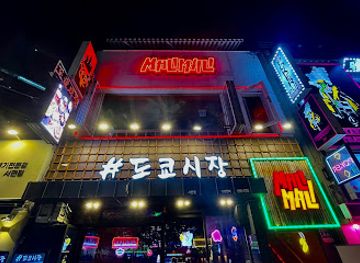
Experience the vibrant nightlife at Mali Mali in Busan, where electrifying music and vivacious energy create unforgettable nights.
3 min walk · 0.2 km from neighbourhood centre
Best shops in Seomyeon
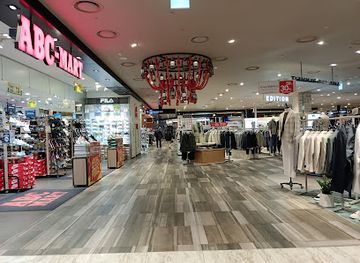
Shopping in Seomyeon ranges from major Korean retail to inexpensive independent businesses and underground commerce. Lotte Department Store Busan Main is the area’s principal department-store landmark, with fashion, beauty, food and household retail under one roof, while the underground shopping passages around Seomyeon Station provide a more compact, practical browsing experience. The streets surrounding the station contain cosmetics shops, fashion retailers, accessories, cafés and everyday services, with small businesses changing more frequently than the district’s major anchors. Bujeon Market, just north of the central station area, offers a contrasting experience centred on produce, seafood, prepared foods and household shopping rather than trend-led retail. The nearby Jeonpo area is better known for independent cafés and creative boutiques, but it is a separate neighbourhood. Seomyeon’s commercial character is therefore less about specialist souvenirs than about seeing how Busan shops, eats and moves through a dense central district.
-
Department store
NC Department Store, Seomyeon
Discover the vibrant shopping and dining experience at NC Department Store in Seomyeon, Busan, perfect for every traveler.
4 min walk · 0.3 km from neighbourhood centre
-
Shopping mall
SEOMYEON MALL - Seomyeon Underground Shopping Center
Experience the dynamic shopping scene at SEOMYEON MALL, Busan's premier underground shopping destination filled with unique fashion and local delicacies.
3 min walk · 0.2 km from neighbourhood centre
-
Gift shop
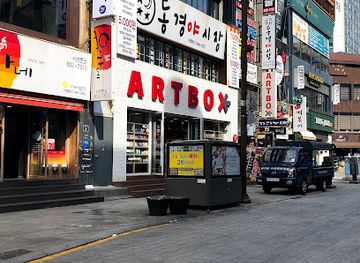
ARTBOX Busan Seomyeon
Explore ARTBOX Busan Seomyeon for unique gifts and trendy stationery that embody the vibrant culture of Busan.
6 min walk · 0.4 km from neighbourhood centre
-
Home goods store
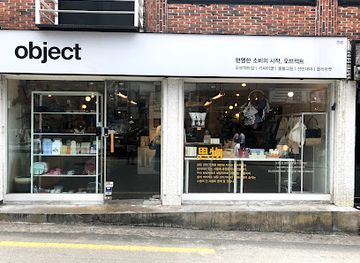
Object Seomyeon
Explore a unique selection of home goods at Object Seomyeon, where traditional Korean craftsmanship meets modern design in the heart of Busan.
7 min walk · 0.6 km from neighbourhood centre
Seomyeon essentials
Getting There
Getting Around
Safety
Emergency Situations
Do's and Don'ts
Local Tips

From Eve
Local phrases worth knowing
You don't need to get them perfect. A few words go a long way, and locals appreciate the effort.
Basics
| English | Local | Say it |
|---|---|---|
| Hello | 안녕하세요 | [annyeonghaseyo] |
| Goodbye | 안녕히 가세요 | [annyeonghi gaseyo] |
| Yes | 네 | [ne] |
| No | 아니요 | [aniyo] |
| Please/You're welcome | 부탁합니다/천만에요 | [butakhamnida/cheonmaneyo] |
| Thank you | 감사합니다 | [gamsahamnida] |
| Excuse me/Sorry | 죄송합니다 | [joesonghamnida] |
| How are you? | 어떻게 지내세요? | [eotteoke jinaeseyo?] |
| Fine. And you? | 잘 지내요. 너는? | [jal jinaeyo. neoneun?] |
| Do you speak English? | 영어 할 수 있어요? | [yeongeo hal su isseoyo?] |
| I don't understand | 이해하지 못해요 | [ihaehaji mothaeyo] |
Eating & Drinking
| English | Local | Say it |
|---|---|---|
| I'd like to see the menu, please | 메뉴를 보고 싶어요 | [menyureul bogo sipeoyo] |
| I don't eat meat | 고기를 먹지 않아요 | [gogireul meokji anayo] |
| Cheers! | 건배! | [geonbae!] |
| I would like to pay, please | 계산할게요 | [gyesanhalkkeyo] |
Emergencies
| English | Local | Say it |
|---|---|---|
| Help! | 도와주세요! | [dowajuseyo!] |
| Go away! | 멀리 가세요! | [meolli gaseyo!] |
| Call the Police! | 경찰을 불러주세요! | [gyeongchareul bulleojuseyo!] |
| Call a doctor! | 의사를 불러주세요! | [uisareul bulleojuseyo!] |
| I'm lost | 길을 잃었어요 | [gireul ireosseoyo] |
| I'm ill | 아파요 | [apayo] |
Shopping
| English | Local | Say it |
|---|---|---|
| I'd like to buy... | 사고 싶어요... | [sago sipeoyo...] |
| I'm just looking | 구경만 하고 있어요 | [gugyeongman hago isseoyo] |
| How much is it? | 얼마에요? | [eolmaeyo?] |
| That's too expensive | 너무 비싸요 | [neomu bissayo] |
| Can you lower the price? | 가격을 깎아 줄 수 있어요? | [gageoreul kkaga jul su isseoyo?] |
Time & Numbers
| English | Local | Say it |
|---|---|---|
| What time is it? | 지금 몇 시에요? | [jigeum myeot sieyo?] |
| It's one o'clock | 한 시에요 | [han sieyo] |
| Half past (10) | 10시 반 | [sibsi ban] |
| Morning | 아침 | [achim] |
| Afternoon | 오후 | [ohu] |
| Evening | 저녁 | [jeonyeok] |
| Yesterday | 어제 | [eoje] |
| Today | 오늘 | [oneul] |
| Tomorrow | 내일 | [naeil] |
| 1 | 하나 | [hana] |
| 2 | 둘 | [dul] |
| 3 | 셋 | [set] |
| 4 | 넷 | [net] |
| 5 | 다섯 | [daseot] |
| 6 | 여섯 | [yeoseot] |
| 7 | 일곱 | [ilgop] |
| 8 | 여덟 | [yeodeol] |
| 9 | 아홉 | [ahop] |
| 10 | 열 | [yeol] |
Transport & Directions
| English | Local | Say it |
|---|---|---|
| Where's a/the...? | ...이 어디 있어요? | [...i eodi isseoyo?] |
| What's the address? | 주소가 어떻게 되요? | [jusoga eotteoke doeyo?] |
| Can you show me (on the map)? | 지도로 보여주세요? | [jidoro boyeojuseyo?] |
| When's the next (bus)? | 다음 버스는 언제 와요? | [daeum beoseuneun eonje wayo?] |
| A ticket (to ....) | 표 한 장 (....으로) | [pyo han jang (....euro)] |
History of Seomyeon
The Meaning of Seomyeon
Seomyeon takes its name from an older administrative unit whose name referred to the western side of the former Dongnae area. The district was historically part of a wider landscape of villages, agricultural land and transport routes rather than an independent urban centre. Its position between Busan’s eastern and western settlements later became increasingly important as the city expanded inland from the port and waterfront. The name survived successive administrative changes, linking the modern commercial district to a much older geography even though most of the visible landscape has since been rebuilt.
Urban Growth after the Korean War
Busan’s population and economic importance increased sharply during and after the Korean War, when the city became a major refuge and logistical centre. Seomyeon benefited from this wider expansion because it lay inland at a strategic crossroads between established urban districts. Roads, markets, small businesses and housing gradually filled the area, transforming it from a peripheral part of the metropolitan landscape into a central commercial zone. This period helped establish the mixed, practical character that still distinguishes Seomyeon from Busan’s more specialised waterfront and resort districts.
The Metro Makes a Centre
The opening of Busan’s first metro line in the 1980s and the later arrival of Line 2 changed Seomyeon’s scale and function. Their interchange beneath the district made the area one of the city’s principal transport nodes, concentrating shoppers, commuters, students and businesses around the station. Underground passages and pedestrian links developed alongside department stores, offices and restaurants, creating a layered commercial environment in which the station, streets and subterranean retail areas work as a single urban centre.
A Changing Commercial District
In recent decades Seomyeon has continued to evolve as Busan’s central shopping and entertainment district. Large retail developments coexist with older restaurant alleys, medical businesses, market trade and small independent shops, while nearby Jeonpo has gained recognition for cafés and creative businesses. This change has not erased Seomyeon’s earlier commercial role; instead, the district now brings together established department-store retail, late-night food culture, transport-oriented commerce and newer café-led activity. Its identity remains metropolitan and mixed rather than tied to a single historic building or cultural institution.
Seomyeon in Photos
Browse through our photo collection highlighting the charm and character of the destination.
Neighbourhoods near Seomyeon
The closest neighbourhoods to Seomyeon, if you have time for more than one stop.
-

-

-


Swipe for more neighbourhoods
Explore more

Explore more of Busan
Busan blends beaches, mountain temples, seafood markets and modern art, offering South Korea travel with coastal scenery, deep history and lively local culture.
Explore Busan