

Nampodong (Busan) Travel Guide - Free
Explore Nampodong in Busan with Evendo's free guide. Find the best shops, historic streets, restaurants, and gems on web or mobile.


Nampodong in Busan brings together BIFF Square, Jagalchi Market, Gukje Market and Yongdusan Park for street food, shopping and harbour-side culture.
Port, Cinema and Street Life
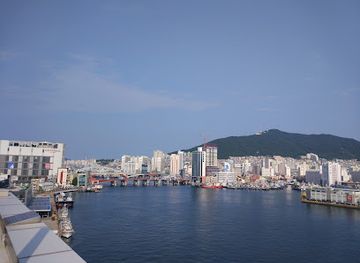
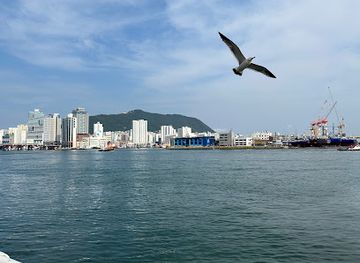
Nampodong occupies the lively historic core of Busan’s Jung-gu, stretching around Nampo-ro and the streets descending towards the port. It is a compact, intensely urban district where cinema history, traditional markets, department-store shopping and seafood commerce overlap. The area’s best-known public spaces include BIFF Square, associated with the Busan International Film Festival, and the busy lanes of Gukje Market, while Jagalchi Market lies immediately towards the waterfront. Together they form one of Busan’s most concentrated visitor areas, but the district remains connected to ordinary city life through small eateries, produce stalls, repair shops and narrow residential lanes.Read more about Nampodong
Markets and Everyday Culture
Hillside Views and Cultural Memory
Best attractions in Nampodong
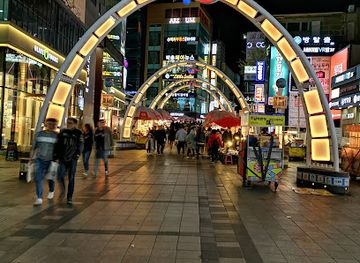
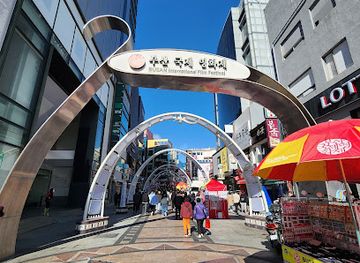
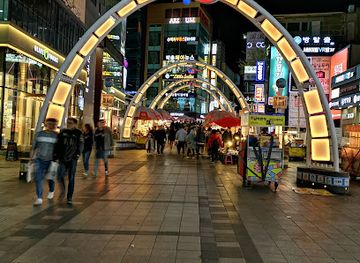
Nampodong’s attractions are compact and closely linked. BIFF Square is the district’s cinematic centre, with handprints, theatres, snack stalls and a public atmosphere shaped by Busan’s film festival history. Gukje Market spreads through adjoining arcades and lanes, offering a close look at the area’s long-established trading culture, while Jagalchi Market towards the waterfront presents Busan’s seafood identity through its stalls, displays and associated restaurants. Yongdusan Park rises behind the commercial streets and provides greenery, city views and access to Busan Tower. Visitors can also explore Nampo-ro, the market alleys and the nearby Bosu-dong Book Street, whose second-hand bookshops and quieter lanes offer a more reflective counterpoint. The appeal lies in moving between these places rather than treating them as isolated sights.
-
Seafood
Jagalchi Market
Explore the vibrant Jagalchi Market in Busan, where fresh seafood meets local culture in a bustling market atmosphere.
3 min walk · 0.3 km from neighbourhood centre
-
Tourist attraction
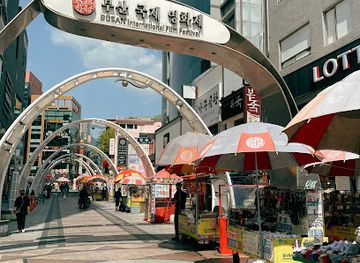
BIFF Square
Discover the heart of Busan at BIFF Square—where culture, cuisine, and creativity converge in a vibrant tourist attraction.
5 min walk · 0.4 km from neighbourhood centre
-
Tourist attraction
BIFF Street
Discover the culinary delights and vibrant culture of BIFF Street, a must-see destination for tourists in Busan, South Korea.
6 min walk · 0.5 km from neighbourhood centre
Best landmarks in Nampodong
The most recognisable landmark in Nampodong is Busan Tower, rising from Yongdusan Park above the commercial centre and symbolising the district’s relationship with the port. Yongdusan itself is an important urban landmark: its elevated paths and public spaces create a green break in a densely built historic quarter. BIFF Square is a cultural landmark rather than a conventional monument, preserving the visible connection between Nampodong and Busan’s international film identity. Gukje Market and Jagalchi Market are equally significant as working places whose buildings, arcades and trading routines express the area’s commercial history. The streets between them, together with Nampo-ro and the lanes towards the waterfront, form a recognisable historic urban landscape even where individual buildings have changed.
-
Seafood
Jagalchi Market
Explore the authentic flavors and vibrant atmosphere of Jagalchi Market, Busan's premier seafood destination for tourists and locals alike.
3 min walk · 0.3 km from neighbourhood centre
-
Tourist attraction
BIFF Square
Experience the lively atmosphere of BIFF Square, a cultural hub in Busan with street food, shopping, and stunning performances.
5 min walk · 0.4 km from neighbourhood centre
-
Shopping mall
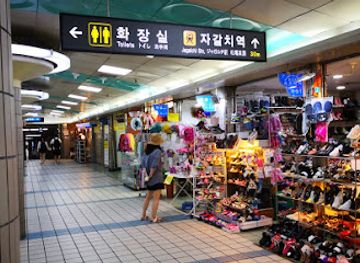
Nampo Underground Shopping Center 南浦洞地下街
Discover the vibrant Nampo Underground Shopping Center in Busan, where shopping, dining, and culture converge in an exciting subterranean atmosphere.
5 min walk · 0.4 km from neighbourhood centre
Explore Nampodong on the map
A handpicked selection of must-see spots in Nampodong, mapped for you.
Best hotels in Nampodong
Best restaurants in Nampodong
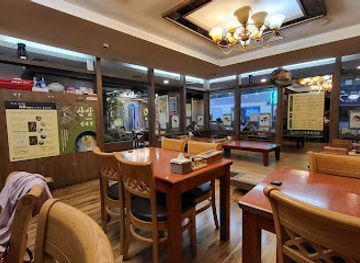
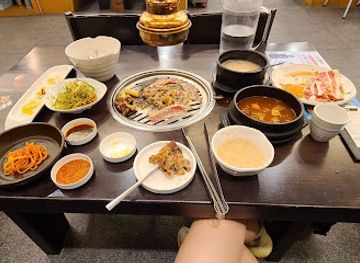
Eating in Nampodong is shaped by its port, markets and dense commercial streets. Jagalchi Market is the area’s defining seafood destination, where visitors can encounter live and fresh fish before eating at nearby restaurants; ordering and preparation arrangements vary, so it is sensible to confirm details before sitting down. Around BIFF Square, snack stalls are associated with quick street foods such as eomuk, tteokbokki and sweet filled pancakes, while the lanes around Gukje Market contain inexpensive Korean meals, noodles, dumplings and casual local eateries. Nampo-ro and the side streets add cafés, bakeries and contemporary dining alongside older establishments. The strongest experience is the contrast between market-based food, harbour produce and informal street eating, rather than a single signature restaurant scene. Nearby Bupyeong Kkangtong Market also extends the food-focused walking area beyond the core of Nampodong.
-
Samgyetang restaurant
Wonjo Seoul Samgyetang Nampo-dong Headstore
Experience authentic Korean samgyetang at Wonjo Seoul Samgyetang in Busan - a must-visit for food enthusiasts seeking comfort and tradition.
6 min walk · 0.5 km from neighbourhood centre
-
Japanese Curry
Abiko
Experience authentic Japanese curry at Abiko in Busan – where every dish is crafted with passion and tradition.
6 min walk · 0.5 km from neighbourhood centre
-
Korean
Bornga
Experience authentic Korean beef at Bornga in Busan – where tradition meets flavor in every bite.
6 min walk · 0.5 km from neighbourhood centre
-
Korean
Samik Sikdang
Discover the authentic taste of Korea at Samik Sikdang in Busan – where every dish tells a story!
6 min walk · 0.5 km from neighbourhood centre

Best bars in Nampodong
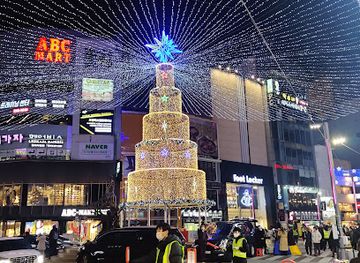
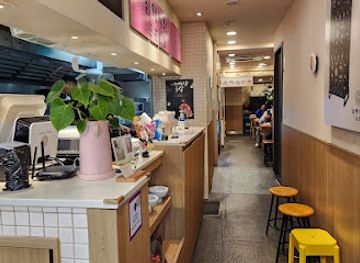
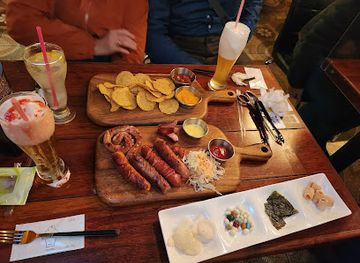
Nampodong is more strongly associated with evening food, illuminated shopping streets and cinema-going than with a concentrated nightclub scene. After dark, BIFF Square and the market lanes remain active with snack stalls, casual restaurants, cafés and small drinking establishments, while the streets around Nampo-ro provide a sociable urban backdrop. Traditional Korean drinking places and informal bars can be found among the commercial alleys, but the atmosphere is generally mixed-use rather than built around large clubs. Yongdusan Park becomes quieter after the main sightseeing period, whereas the waterfront and market approaches retain movement from restaurants and late retail activity. Visitors seeking a broader late-night circuit may need to travel elsewhere in Busan, particularly to areas with a more pronounced club and live-music concentration.
-
Live music bar
Kkasano
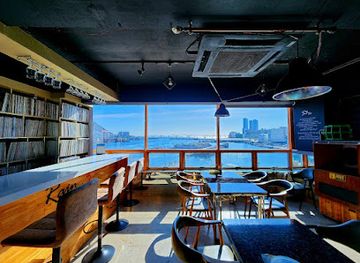
Experience the vibrant atmosphere of Kkasano, a premier live music bar in Busan, offering unforgettable performances and a taste of local culture.
4 min walk · 0.3 km from neighbourhood centre
-
Bar
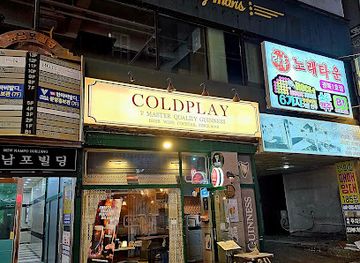
Coldplay
Discover the lively Coldplay Bar in Jung-gu, Busan, where creative cocktails and a welcoming atmosphere await every traveler.
6 min walk · 0.5 km from neighbourhood centre
-
 Korean rice wine pub
Ledeu
Discover the authentic taste of Korean rice wine at Ledeu in Busan, where tradition meets vibrant local culture in every glass.
6 min walk · 0.5 km from neighbourhood centre
-
Bar
HOF & SOJU
Discover HOF & SOJU in Busan – where authentic Korean drinks and vibrant nightlife come together to create unforgettable memories.
6 min walk · 0.5 km from neighbourhood centre
Best nightclubs in Nampodong
Nampodong is more strongly associated with evening food, illuminated shopping streets and cinema-going than with a concentrated nightclub scene. After dark, BIFF Square and the market lanes remain active with snack stalls, casual restaurants, cafés and small drinking establishments, while the streets around Nampo-ro provide a sociable urban backdrop. Traditional Korean drinking places and informal bars can be found among the commercial alleys, but the atmosphere is generally mixed-use rather than built around large clubs. Yongdusan Park becomes quieter after the main sightseeing period, whereas the waterfront and market approaches retain movement from restaurants and late retail activity. Visitors seeking a broader late-night circuit may need to travel elsewhere in Busan, particularly to areas with a more pronounced club and live-music concentration.
-
Night club
클럽클리오부산남포클럽
Discover the vibrant nightlife of Busan at Club Clio, where great music and a lively atmosphere create unforgettable experiences.
6 min walk · 0.5 km from neighbourhood centre
-
Night club
꽃노래주점
Discover the essence of Busan's nightlife at 꽃노래주점, where music, dance, and memories come together.
4 min walk · 0.3 km from neighbourhood centre
-
Night club
딩동노래주점
Discover the lively atmosphere of Dingdong Karaoke Bar, a premier night club in Busan where music and fun come together for an unforgettable experience.
5 min walk · 0.4 km from neighbourhood centre
-
Night club
롯데노래주점
Discover the ultimate karaoke experience at 롯데노래주점, a vibrant nightclub in Busan, perfect for a memorable night out with friends.
5 min walk · 0.4 km from neighbourhood centre
Best shops in Nampodong
Shopping in Nampodong ranges from traditional market trading to mainstream urban retail. Gukje Market is the central experience, spreading through dense arcades where clothing, household goods, accessories, tools and everyday merchandise are sold by long-established businesses and smaller specialist traders. The surrounding streets add fashion shops, cosmetics, footwear, souvenirs and snack-oriented retail, while Nampo-ro functions as the main commercial route. BIFF Square combines entertainment shopping with food stalls, and the nearby Bupyeong Kkangtong Market broadens the market circuit with groceries and evening provisions. Bosu-dong Book Street, just beyond the commonly understood Nampodong core, offers a distinctive contrast through second-hand bookshops and literary browsing. The area suits visitors who enjoy comparing market stalls and independent businesses rather than seeking a single enclosed shopping destination.
-
Shopping mall
Nampo Underground Shopping Center 南浦洞地下街
Discover unique fashion, delightful street food, and vibrant local culture at Nampo Underground Shopping Center in Busan.
5 min walk · 0.4 km from neighbourhood centre
-
Gift shop
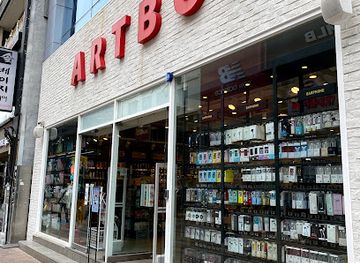
ARTBOX Busan Gwangbok 1st store
Discover unique gifts and creative souvenirs at ARTBOX Busan Gwangbok 1st Store, a must-visit destination for tourists exploring Busan.
6 min walk · 0.5 km from neighbourhood centre
-
Dessert shop
The Most Famous HOTTEOK Stores in Busan
Experience the irresistible sweetness of Busan's famous HOTTEOK at Nampo-dong's best dessert shops, a must-visit for every foodie.
6 min walk · 0.5 km from neighbourhood centre
Nampodong essentials
Getting There
Getting Around
Safety
Emergency Situations
Do's and Don'ts
Local Tips

From Eve
Local phrases worth knowing
You don't need to get them perfect. A few words go a long way, and locals appreciate the effort.
Basics
| English | Local | Say it |
|---|---|---|
| Hello | 안녕하세요 | [annyeonghaseyo] |
| Goodbye | 안녕히 가세요 | [annyeonghi gaseyo] |
| Yes | 네 | [ne] |
| No | 아니요 | [aniyo] |
| Please/You're welcome | 부탁합니다/천만에요 | [butakhamnida/cheonmaneyo] |
| Thank you | 감사합니다 | [gamsahamnida] |
| Excuse me/Sorry | 죄송합니다 | [joesonghamnida] |
| How are you? | 어떻게 지내세요? | [eotteoke jinaeseyo?] |
| Fine. And you? | 잘 지내요. 당신은요? | [jal jinaeyo. dangsineunyo?] |
| Do you speak English? | 영어 할 줄 아세요? | [yeongeo hal jul aseyo?] |
| I don't understand | 이해하지 못합니다 | [ihaehaji moshamnida] |
Eating & Drinking
| English | Local | Say it |
|---|---|---|
| I'd like to see the menu, please | 메뉴를 보고 싶어요 | [menyureul bogo sipeoyo] |
| I don't eat meat | 고기를 먹지 않아요 | [gogireul meokji anayo] |
| Cheers! | 건배! | [geonbae!] |
| I would like to pay, please | 계산하고 싶어요 | [gyesanhago sipeoyo] |
Emergencies
| English | Local | Say it |
|---|---|---|
| Help! | 도와주세요! | [dowajuseyo!] |
| Go away! | 가세요! | [gaseyo!] |
| Call the Police! | 경찰을 불러주세요! | [gyeongchareul bulleojuseyo!] |
| Call a doctor! | 의사를 불러주세요! | [uisareul bulleojuseyo!] |
| I'm lost | 길을 잃었어요 | [gireul ilheosseoyo] |
| I'm ill | 아파요 | [apayo] |
Shopping
| English | Local | Say it |
|---|---|---|
| I'd like to buy... | 사고 싶어요... | [sago sipeoyo...] |
| I'm just looking | 둘러보고 있어요 | [dulleobogo isseoyo] |
| How much is it? | 얼마에요? | [eolmaeyo?] |
| That's too expensive | 너무 비싸요 | [neomu bissayo] |
| Can you lower the price? | 가격을 깎을 수 있어요? | [gageogeul kkageul su isseoyo?] |
Time & Numbers
| English | Local | Say it |
|---|---|---|
| What time is it? | 지금 몇 시에요? | [jigeum myeot sieyo?] |
| It's one o'clock | 한 시에요 | [han sieyo] |
| Half past (10) | 열 시 반 | [yeol si ban] |
| Morning | 아침 | [achim] |
| Afternoon | 오후 | [ohu] |
| Evening | 저녁 | [jeonyeok] |
| Yesterday | 어제 | [eoje] |
| Today | 오늘 | [oneul] |
| Tomorrow | 내일 | [naeil] |
| 1 | 하나 | [hana] |
| 2 | 둘 | [dul] |
| 3 | 셋 | [set] |
| 4 | 넷 | [net] |
| 5 | 다섯 | [daseot] |
| 6 | 여섯 | [yeoseot] |
| 7 | 일곱 | [ilgop] |
| 8 | 여덟 | [yeodeol] |
| 9 | 아홉 | [ahop] |
| 10 | 열 | [yeol] |
Transport & Directions
| English | Local | Say it |
|---|---|---|
| Where's a/the...? | ...이 어디에 있어요? | [...i eodie isseoyo?] |
| What's the address? | 주소가 뭐에요? | [jusoga mwoeyo?] |
| Can you show me (on the map)? | (지도로) 보여주세요 | [(jido-ro) boyeojuseyo] |
| When's the next (bus)? | 다음 (버스)는 언제 와요? | [daeum (beoseu)neun eonje wayo?] |
| A ticket (to ....) | (...로) 표 하나 주세요 | [(...ro) pyo hana juseyo] |
History of Nampodong
A Port-Side Commercial Quarter
Nampodong’s development is inseparable from Busan’s harbour and the expansion of the port city around the waterfront. Commercial streets grew around transport links, warehouses, markets and businesses serving sailors, traders and local residents. The district’s name is associated with Nampo-dong, an area whose prosperity came from its position between the port and the inland commercial centre. Rather than developing as a single planned neighbourhood, it acquired its character through successive layers of trade, entertainment and everyday retail connected to the harbour.
Colonial and Post-War Transformation
During the period of Japanese colonial rule, Busan’s port infrastructure and urban economy expanded, and the area around present-day Jung-gu became increasingly commercial and cosmopolitan. After liberation in 1945 and the Korean War, Busan absorbed large numbers of displaced people and refugees. Markets and improvised trading networks became essential to urban survival, helping shape the dense commercial culture associated with Nampodong and neighbouring districts. The post-war period also strengthened Busan’s reputation as a centre of popular entertainment, retail and port-side exchange.
Markets, Cinema and the BIFF Era
The market district matured through the twentieth century, with Gukje Market becoming one of the city’s best-known commercial areas and Jagalchi developing its distinctive seafood identity. Cinema also became central to Nampodong’s public image. The Busan International Film Festival was launched in 1996, and its early association with the Nampodong area gave BIFF Square a visible role in the city’s film culture. Festival activity later expanded to other venues, but the square retains the festival’s name and cinematic symbolism through its theatres, handprints and entertainment streets.
A Historic Centre in Contemporary Busan
In the twenty-first century, Nampodong has remained a major shopping, food and sightseeing district while Busan’s commercial focus has broadened towards areas such as Seomyeon and Haeundae. Redevelopment, changing retail habits and the growth of large shopping facilities have altered some traditional businesses, yet the market streets continue to attract residents and visitors. Yongdusan Park, Busan Tower, BIFF Square, Gukje Market and Jagalchi together preserve the area’s layered identity as a port, market, cinema and tourism quarter.
Nampodong in Photos
Browse through our photo collection highlighting the charm and character of the destination.
Neighbourhoods near Nampodong
The closest neighbourhoods to Nampodong, if you have time for more than one stop.
-

-

-


Swipe for more neighbourhoods
Explore more

Explore more of Busan
Busan blends beaches, mountain temples, seafood markets and modern art, offering South Korea travel with coastal scenery, deep history and lively local culture.
Explore Busan