

Córdoba, Spain Travel Guide
Discover Córdoba, a mesmerizing blend of Moorish, Jewish, and Christian heritage, where history, culture, and culinary delights await in the heart of Andalusia.
Córdoba is a city steeped in history and culture, located in the region of Andalusia in southern Spain. Once the capital of the Islamic Emirate and later the Caliphate of Córdoba, this city boasts a rich blend of Moorish, Jewish, and Christian influences. The iconic Mezquita-Catedral, with its stunning arches and intricate mosaics, stands as a testament to the city's diverse heritage. Strolling through the old quarter, visitors will find themselves enchanted by the narrow, winding streets and whitewashed buildings adorned with vibrant flower pots. The Jewish Quarter, or Judería, is particularly captivating, with its charming courtyards and patios, many of which are open to the public during the annual Patio Festival in May. Córdoba is also known for its culinary delights. Tapas bars and traditional Andalusian restaurants offer an array of local dishes, from salmorejo to flamenquín. Don't miss the chance to experience a flamenco show, an art form that thrives in this passionate city. The Guadalquivir River flows through Córdoba, providing a scenic backdrop to the city. The Roman Bridge, which spans the river, is another must-see, especially when illuminated at night. Whether you're exploring ancient ruins, savoring local flavors, or simply soaking in the atmosphere, Córdoba promises an unforgettable experience.

Know before you go
Hi, I'm Eve. Here are a few practical things to know before exploring Córdoba.
- Visit the Mezquita-Catedral early in the morning to avoid crowds.
- Explore the Jewish Quarter on foot to fully appreciate its charm.
- Try local dishes like salmorejo and flamenquín at traditional tapas bars.
- Attend the Patio Festival in May to see beautiful private courtyards.
- Walk across the Roman Bridge at sunset for stunning views.
- Book tickets in advance for popular attractions to save time.
- Take a guided tour to learn more about the city's rich history.
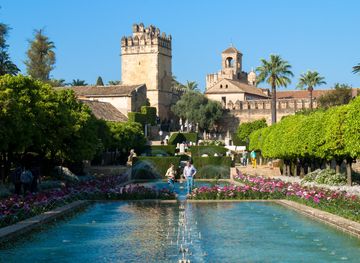


Explore Córdoba: Things to Do, Places to Eat, Hotels & More
Handpicked recommendations for top attractions, local dining, accommodations, and more

Best attractions in Córdoba
Top-rated picks
Best Attractions

Reloj Cucú Villa Carlos Paz
Discover the enchanting Reloj Cucú in Villa Carlos Paz, where artistry meets culture in a captivating clock tower experience.

Plaza San Martin
Explore Plaza San Martin, Córdoba's vibrant heart, filled with historical monuments, local arts, and an inviting atmosphere that celebrates Argentine culture.

Sarmiento Park
Discover the natural beauty and recreational charm of Sarmiento Park in Córdoba, Argentina – a perfect escape for nature lovers and families alike.
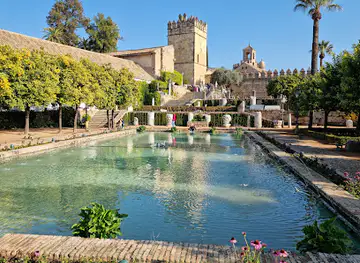
Alcazar of the Christian Monarchs
Discover the Alcazar of the Christian Monarchs in Cordoba, a historical fortress blending breathtaking architecture, serene gardens, and rich cultural heritage.

Best landmarks in Córdoba
Top-rated picks
Best Landmarks
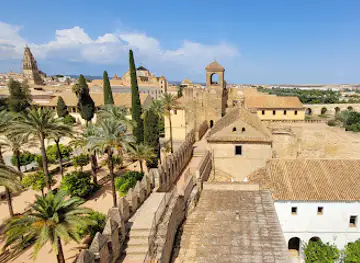
Alcazar of the Christian Monarchs
Explore the Alcazar of the Christian Monarchs in Córdoba, a historical fortress with stunning gardens and rich cultural heritage.

Roman Bridge of Córdoba
Discover the timeless beauty of the Roman Bridge of Córdoba, a stunning historical landmark connecting the past with the present in a picturesque setting.

Plaza de la Corredera
Explore Plaza de la Corredera in Córdoba – a historical gem with stunning architecture and a lively atmosphere perfect for tourists.

Plaza de las Tendillas
Discover the lively Plaza de las Tendillas in Córdoba, a historical square blending culture, architecture, and local cuisine.

Best restaurants in Córdoba
Top-rated picks
Best Restaurants

Bodegas Mezquita (Céspedes)
Discover authentic Andalusian cuisine at Bodegas Mezquita, where exquisite tapas meet warm hospitality in the heart of Córdoba.

Bodegas Mezquita (Ribera)
Discover authentic Andalusian flavors at Bodegas Mezquita in Córdoba - a delightful bistro known for exquisite tapas and Mediterranean cuisine.

Taberna La Montillana
Savor authentic Andalusian cuisine at Taberna La Montillana in Córdoba, where tradition meets taste in every delightful tapas dish.

Casa Pepe de La Judería
Experience authentic Andalusian flavors at Casa Pepe de La Judería in Córdoba—where tradition meets culinary excellence.

Best bars in Córdoba
Top-rated picks
Best Bars

Pub Sojo Ribera
Discover Córdoba's lively nightlife at Pub Sojo Ribera, where cocktails, coffee, and great vibes await you in a vibrant atmosphere.

Restaurante La Cuchara de San Lorenzo
Experience the essence of Spanish cuisine at La Cuchara de San Lorenzo in Córdoba, where traditional flavors meet modern dining.
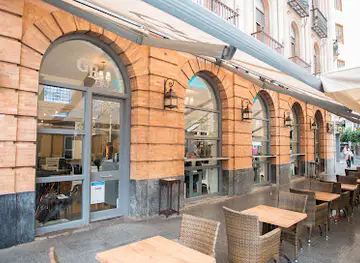
Gran Bar
Experience the vibrant nightlife of Córdoba at Gran Bar, where delightful drinks and a lively atmosphere await you.
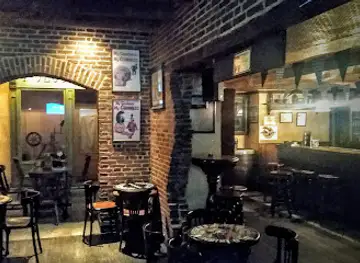
O'Donoghue's Irish Pub
Discover the lively atmosphere, authentic Irish cuisine, and welcoming spirit of O'Donoghue's Irish Pub in the heart of Córdoba, Spain.

Best nightclubs in Córdoba
Top-rated picks
Best Nightclubs

Córdoba Long Rock
Experience the vibrant nightlife at Córdoba Long Rock, where music, dance, and unforgettable moments come together in the heart of Córdoba.

Hangar Córdoba
Dive into the energetic nightlife of Hangar Córdoba, where music, dance, and unforgettable moments come together in a vibrant setting.

Góngora Gran Café
Experience the vibrant nightlife of Córdoba at Góngora Gran Café, where unforgettable dance parties and events await you.

Jazz Cafe
Experience the vibrant nightlife and soulful jazz performances at the Jazz Cafe in Córdoba, a must-visit venue for music enthusiasts.

Best shops in Córdoba
Top-rated picks
Best Shops

Patio Olmos Shopping
Experience the lively atmosphere of Patio Olmos Shopping in Córdoba, a vibrant shopping mall offering diverse shops, dining, and entertainment options.

La Sierra Mall
Explore La Sierra Mall in Córdoba: A vibrant shopping haven featuring diverse stores, delightful dining, and an unforgettable retail experience.

ALE-HOP
Explore ALE-HOP in Córdoba for an eclectic mix of fashion accessories, home goods, and youth clothing, perfect for unique souvenirs!

Cuesta Blanca
Discover Cuesta Blanca, Córdoba's ultimate destination for stylish ladies' apparel, where fashion meets elegance in a vibrant shopping atmosphere.

Explore Córdoba on the Map
A handpicked selection of must-see spots in Córdoba, mapped for you.
Córdoba Essentials
-
Córdoba is well-connected and easily accessible from various parts of Spain and Europe. The nearest major airport is Seville Airport (SVQ), approximately 130 kilometers away. From Seville, you can take a high-speed AVE train, which takes around 45 minutes to reach Córdoba. Alternatively, Málaga-Costa del Sol Airport (AGP) is about 160 kilometers away, with train services available to Córdoba. If coming from Madrid, the AVE high-speed train is a convenient option, taking about 1 hour and 40 minutes.
-
Córdoba has an efficient public transportation system, including buses operated by Aucorsa. Taxis are readily available and can be hailed on the street or booked via phone. For a more scenic route, consider renting a bicycle as the city is bike-friendly with numerous dedicated lanes. Walking is also a great option, especially in the historic center where many attractions are located close to each other.
-
The official currency in Spain is the Euro (EUR). Credit and debit cards are widely accepted in hotels, restaurants, and shops. However, it's advisable to carry some cash for smaller establishments and local markets. ATMs are abundant throughout the city, providing easy access to cash withdrawals.
-
Córdoba is generally a safe city for tourists. However, standard precautions should be taken. Avoid poorly lit areas and alleys late at night, particularly in the district of Campo de la Verdad. Be cautious of pickpockets in crowded areas such as Plaza de las Tendillas and around major tourist attractions like the Mezquita-Catedral. Always keep your belongings secure and be aware of your surroundings.
-
In case of emergency, dial 112 for immediate assistance, which connects you to police, fire, and medical services. The local police station (Policía Local) and several hospitals, including Hospital Universitario Reina Sofía, are available for emergencies. It is recommended to have travel insurance that covers medical emergencies. Pharmacies (Farmacias) are available throughout the city for minor health issues and over-the-counter medications.
-
Fashion: Do dress comfortably and modestly, especially when visiting religious sites like the Mezquita. Avoid overly casual attire such as beachwear in city areas. Religion: Do respect local customs. Always dress modestly and be quiet in churches and religious places. Public Transport: Do be polite and offer your seat to elderly passengers. Don’t eat or drink on public transport. Greetings: Do greet people with a handshake and a friendly 'Hola'. Respect the local custom of two kisses on the cheek when meeting someone you know. Eating & Drinking: Do try local delicacies and accept tapas with your drinks. Don’t leave a tip that is too high; a small amount is customary.
-
To experience Córdoba like a local, visit the Mercado Victoria for a variety of local foods and drinks. Explore the neighborhoods of San Basilio and the Jewish Quarter (Judería) for authentic Andalusian architecture and local culture. Attend a flamenco show to immerse yourself in traditional music and dance. For a unique experience, visit during the Fiesta de los Patios in May, when locals open their beautifully decorated courtyards to the public.
When is the best time to visit Córdoba?
Useful Local Phrases for Córdoba
You don't need to speak the language perfectly. Even learning a few simple words can make conversations warmer—and locals usually appreciate the effort.
— Eve

Here are the phrases I use most often in Córdoba. Try a few—you'll be surprised how far they go! 😊
❤️
-
- HelloHola
[oh-lah] - GoodbyeAdiós
[ah-dee-ohs] - YesSí
[see] - NoNo
[noh] - Please/You're welcomePor favor/De nada
[por fah-vor/deh nah-dah] - Thank youGracias
[grah-thyahs] - Excuse me/SorryPerdón/Lo siento
[pehr-dohn/loh syehn-toh] - How are you?¿Cómo estás?
[koh-moh ehs-tahs] - Fine. And you?Bien. ¿Y tú?
[byehn. ee too] - Do you speak English?¿Hablas inglés?
[ah-blahs een-glehs] - I don't understandNo entiendo
[noh ehn-tyen-doh]
- HelloHola
-
- I'd like to see the menu, pleaseMe gustaría ver la carta, por favor
[meh goos-tah-ree-ah behr lah kahr-tah, por fah-vor] - I don't eat meatNo como carne
[noh koh-moh kahr-neh] - Cheers!¡Salud!
[sah-loohd] - I would like to pay, pleaseMe gustaría pagar, por favor
[meh goos-tah-ree-ah pah-gahr, por fah-vor]
- I'd like to see the menu, pleaseMe gustaría ver la carta, por favor
-
- Help!¡Ayuda!
[ah-yoo-dah] - Go away!¡Vete!
[veh-teh] - Call the Police!¡Llama a la policía!
[yah-mah ah lah poh-lee-see-ah] - Call a doctor!¡Llama a un médico!
[yah-mah ah oon meh-dee-koh] - I'm lostEstoy perdido
[ehs-toy pehr-dee-doh] - I'm illEstoy enfermo
[ehs-toy ehn-fehr-moh]
- Help!¡Ayuda!
-
- I'd like to buy...Me gustaría comprar...
[meh goos-tah-ree-ah kohm-prahr] - I'm just lookingSolo estoy mirando
[soh-loh ehs-toy mee-rahn-doh] - How much is it?¿Cuánto cuesta?
[kwan-toh kwehs-tah] - That's too expensiveEs demasiado caro
[ehs deh-mah-syah-doh kah-roh] - Can you lower the price?¿Puedes bajar el precio?
[pweh-des bah-hahr ehl pree-syoh]
- I'd like to buy...Me gustaría comprar...
-
- What time is it?¿Qué hora es?
[keh oh-rah ehs] - It's one o'clockEs la una
[ehs lah oo-nah] - Half past (10)Y media (10)
[ee meh-dee-ah (deh-eez)] - MorningMañana
[mah-nyah-nah] - AfternoonTarde
[tahr-deh] - EveningNoche
[noh-cheh] - YesterdayAyer
[ah-yehr] - TodayHoy
[oy] - TomorrowMañana
[mah-nyah-nah] - 1Uno
[oo-noh] - 2Dos
[dohs] - 3Tres
[trehs] - 4Cuatro
[kwah-troh] - 5Cinco
[theen-koh] - 6Seis
[says] - 7Siete
[syeh-teh] - 8Ocho
[oh-choh] - 9Nueve
[nweh-veh] - 10Diez
[dyehth]
- What time is it?¿Qué hora es?
-
- Where's a/the...?¿Dónde está el/la...?
[dohn-deh ehs-tah ehl/lah] - What's the address?¿Cuál es la dirección?
[kwal ehs lah dee-rehk-syohn] - Can you show me (on the map)?¿Puedes enseñarme (en el mapa)?
[pweh-des ehn-sehn-yar-meh (ehn ehl mah-pah)] - When's the next (bus)?¿Cuándo pasa el próximo (autobús)?
[kwan-doh pah-sah ehl proh-ksee-moh (ow-toh-boos)] - A ticket (to ....)Un billete (a ....)
[oon bee-yeh-teh (ah)]
- Where's a/the...?¿Dónde está el/la...?
History of Córdoba
-
Córdoba, originally named Corduba, was founded by the Romans in 152 BC. It quickly became an important administrative center of the Roman Empire. The city's strategic location on the Guadalquivir River helped it flourish, becoming a hub for trade and culture. Roman remains, such as the Roman Bridge and the Temple of Claudio Marcelo, still stand as testaments to this period.
-
After the fall of the Roman Empire, Córdoba came under Visigothic control in the 6th century. This era saw the city transform into a significant religious center, with the construction of Christian basilicas and the establishment of an episcopal see. The Visigothic influence is less visible today but played a crucial role in the city's early medieval history.
-
In 711 AD, Muslim forces led by Tariq ibn Ziyad conquered Córdoba, marking the beginning of an Islamic era. By 929, Abd al-Rahman III declared Córdoba the capital of the Umayyad Caliphate. This golden age saw the city become a beacon of education, culture, and architecture. The Great Mosque of Córdoba, or Mezquita, was constructed during this time and remains one of the most iconic structures in the world.
-
Córdoba was reconquered by Christian forces in 1236, under King Ferdinand III of Castile. The Reconquista marked a significant turning point, as many Islamic structures were repurposed for Christian use. The Great Mosque was converted into a cathedral, blending Moorish architecture with Gothic, Renaissance, and Baroque elements.
-
During the Renaissance and Baroque periods, Córdoba saw the construction of numerous churches, palaces, and other significant buildings. This era also witnessed the rise of prominent figures such as the philosopher Seneca and the poet Luis de Góngora. The city's architectural landscape expanded with impressive structures like the Palacio de Viana and the Convento de la Merced.
-
The 20th century brought modernization and change to Córdoba. The city played a role in the Spanish Civil War and experienced economic and social transformations in the post-war period. Today, Córdoba is recognized for its historic legacy, with the historic center being declared a UNESCO World Heritage Site in 1984. The annual Festival de los Patios, showcasing the city's beautiful courtyards, is a testament to its enduring cultural heritage.
Cities near Córdoba
The closest cities to Córdoba, if you have time for more than one stop.


Your all‑in‑one travel companion app
Explore expert travel guides, compare and book tours, experiences, hotels, and more—all from the palm of your hand. Download now for seamless trip planning wherever your wanderlust takes you.


Córdoba in Photos
Browse through our photo collection highlighting the charm and character of the destination.


Córdoba: The Heart of Moorish Spain
Córdoba is a city steeped in history and culture, located in the region of Andalusia in southern Spain. Once the capital of the Islamic Emirate and later the Caliphate of Córdoba, this city boasts a rich blend of Moorish, Jewish, and Christian influences. The iconic Mezquita-Catedral, with its stunning arches and intricate mosaics, stands as a testament to the city's diverse heritage. Strolling through the old quarter, visitors will find themselves enchanted by the narrow, winding streets and whitewashed buildings adorned with vibrant flower pots. The Jewish Quarter, or Judería, is particularly captivating, with its charming courtyards and patios, many of which are open to the public during the annual Patio Festival in May. Córdoba is also known for its culinary delights. Tapas bars and traditional Andalusian restaurants offer an array of local dishes, from salmorejo to flamenquín. Don't miss the chance to experience a flamenco show, an art form that thrives in this passionate city. The Guadalquivir River flows through Córdoba, providing a scenic backdrop to the city. The Roman Bridge, which spans the river, is another must-see, especially when illuminated at night. Whether you're exploring ancient ruins, savoring local flavors, or simply soaking in the atmosphere, Córdoba promises an unforgettable experience.
Explore More of Spain

Looking beyond Córdoba? Discover Spain for broader travel guides, local hot-spots, and regional highlights.
Explore Spain