

Free Lleida Travel Guide & Mobile App
Plan your Lleida trip with Evendo. Get free guides to top attractions, restaurants, hotels, and bars. Web access or download the mobile app.


Lleida blends Catalan history, Seu Vella views, riverside walks, local cuisine and Costers del Segre culture in western Spain for rewarding city breaks.
A Hilltop Landmark Above the Segre
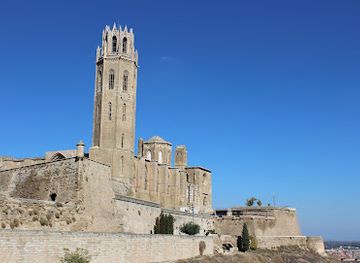
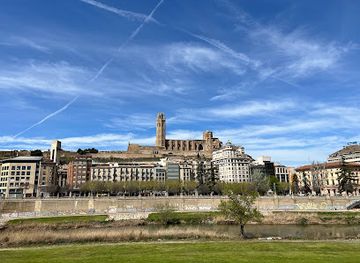
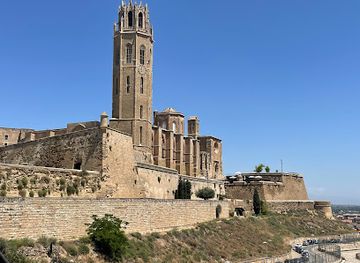
Lleida rises from the western Catalan plain beside the River Segre, its historic identity dominated by the Turó de la Seu Vella, a limestone hill crowned by the former cathedral and castle complex. From the summit, the city opens into a broad agricultural landscape of orchards, fields and distant ranges, giving Lleida a distinctive relationship with both urban life and the countryside. The hilltop is the essential starting point for understanding the city: Roman, Islamic, medieval and modern layers have all left their mark on this strategic position.Read more about Lleida
Historic Streets and Civic Life
Fruit Country and Catalan Flavours
When is the best time to visit Lleida?
Best: March–April, October · 21–25°C| Month | High (°C) | Rainfall (mm) |
|---|---|---|
| January | 16 | 35 |
| February | 18 | 30 |
| March (best) | 21 | 34 |
| April (best) | 25 | 43 |
| May | 30 | 51 |
| June | 32 | 46 |
| July | 35 | 27 |
| August | 34 | 33 |
| September | 30 | 48 |
| October (best) | 25 | 57 |
| November | 20 | 39 |
| December | 15 | 36 |
Getting to and around Lleida
How to get there
Transportation
Best attractions in Lleida
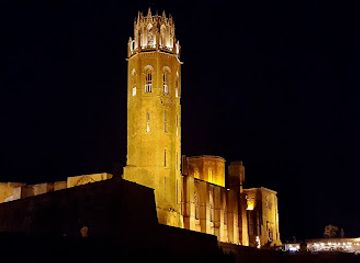
Lleida’s principal sightseeing experience begins on the Turó de la Seu Vella, where the former cathedral, cloister and fortifications occupy a hill with extensive views over the Segre and the orchard-covered plain. Below it, the old centre leads through Carrer Major to the Palau de la Paeria, the city hall housed in a medieval building, and the Romanesque-Gothic church of Sant Llorenç. The former Templar complex at Gardeny offers a quieter encounter with the city’s military and religious past, while the Museu de Lleida brings together archaeology, art and local history. Along the river, paths and gardens provide a gentler perspective on the city, and CaixaForum Lleida adds changing cultural programming in a modern architectural setting. Market halls, independent shops and the streets around Rambla de Ferran reveal everyday Lleida beyond its monuments.
-
Tourist attraction
La Seu Vella
Discover the awe-inspiring La Seu Vella in Lleida, a stunning medieval cathedral with breathtaking views and rich historical significance.
2 min walk · 0.1 km from city centre
-
Tourist attraction
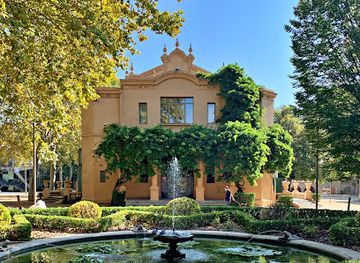
Parc dels Camps Elisis
Immerse yourself in the lush landscapes and vibrant atmosphere of Parc dels Camps Elisis, Lleida's serene urban oasis.
9 min walk · 0.7 km from city centre
-
Tourist attraction
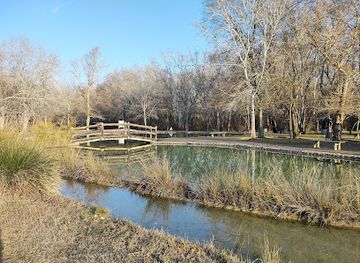
Parc de la Mitjana | Lleida
Explore the lush landscapes and tranquil ambiance of Parc de la Mitjana, a stunning park in Lleida offering a perfect blend of nature and relaxation.
5 min drive · 1.7 km from city centre
-
Tourist attraction
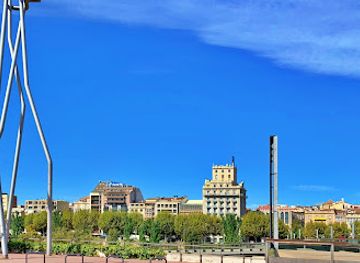
CaixaForum Lleida
Explore the vibrant cultural landscape of Lleida at CaixaForum, a dynamic museum and cultural center showcasing art and creativity.
9 min walk · 0.7 km from city centre
Best landmarks in Lleida
The defining landmark of Lleida is the Seu Vella, the former cathedral on the city’s hilltop, whose Romanesque-Gothic fabric, monumental cloister and fortified setting express the importance of the site across centuries. Nearby fortifications and the remains of the Castell del Rei show how the summit became a military stronghold after its religious role declined. In the lower city, the Palau de la Paeria is a significant civic building with medieval origins, while the church of Sant Llorenç preserves a notable Romanesque-Gothic religious presence. The church of Sant Martí adds another historic focus close to the old quarter. At Gardeny, the former Templar complex represents the military orders and frontier history of medieval Lleida, while the Old Bridge and the Segre connect these monuments with the city’s enduring river crossing.
-
Cathedral
La Seu Vella
Discover the architectural beauty and rich history of La Seu Vella, a stunning cathedral in Lleida that offers breathtaking views and cultural insights.
2 min walk · 0.1 km from city centre
-
Performing arts theater
La Llotja de Lleida
Discover La Llotja de Lleida, a stunning performing arts theater where culture and creativity come alive in the heart of Lleida.
12 min walk · 1.0 km from city centre
-
Castle
Castell de la Suda
Discover the historic Castell de la Suda in Lleida, a majestic castle offering stunning views and a journey through time in the heart of Catalonia.
1 min walk · 0.1 km from city centre
-
Performing arts theater
Teatre Municipal de l'Escorxador
Experience the vibrant cultural scene of Lleida at Teatre Municipal de l'Escorxador, a premier performing arts theater showcasing diverse performances.
13 min walk · 1.1 km from city centre
Explore Lleida on the map
Plan your Lleida trip on one map. See where the top attractions, landmarks, restaurants, bars and hotels are, find what's near where you're staying, and book hotels and experiences in a few clicks.
Best hotels in Lleida
Best restaurants in Lleida
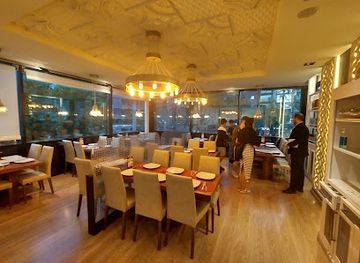
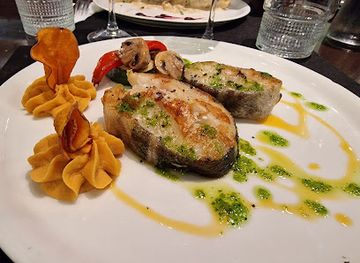
Lleida’s cuisine reflects the produce of western Catalonia and the fertile Segrià plain, where peaches, nectarines, pears and other fruit are cultivated extensively. A local speciality is caragols a la llauna, snails roasted and seasoned in a shallow metal tray, while coca de recapte combines a Catalan flatbread with roasted vegetables and, depending on the version, fish or meat. Panadons, seasonal pastries and orchard fruit also appear in traditional cooking. Restaurants and casual eateries around the old centre, Eix Comercial and nearby neighbourhoods serve these foods alongside broader Catalan dishes, grilled meats and contemporary interpretations. Food markets and bakery counters are useful for inexpensive regional tastes, while wines from the Costers del Segre designation connect Lleida’s dining culture with vineyards across the province. Menus often change with the agricultural season.
-
Italian
Restaurant La Tagliatella | Lleida
Experience authentic Italian cuisine at Restaurant La Tagliatella in Lleida - where every dish tells a story.
8 min walk · 0.6 km from city centre
-
Restaurant
Restaurant Creperia Flash | Lleida
Experience authentic Catalonian and Mediterranean flavors at Creperia Flash in Lleida – where every meal is a celebration of taste.
4 min walk · 0.3 km from city centre
-
Italian
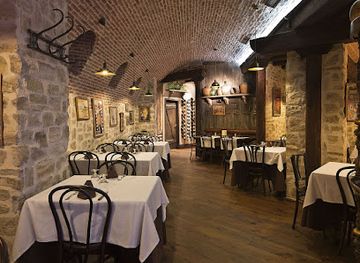
Restaurant La Piemontesa | Lleida
Discover authentic Italian cuisine at Restaurant La Piemontesa in Lleida - perfect for families and pizza enthusiasts.
7 min walk · 0.5 km from city centre
-
Vegetarian
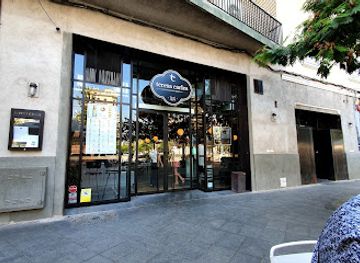
Restaurante Teresa Carles | Lleida
Experience vibrant vegetarian cuisine at Restaurante Teresa Carles in Lleida, where fresh ingredients meet innovative culinary artistry.
8 min walk · 0.6 km from city centre
Best bars in Lleida
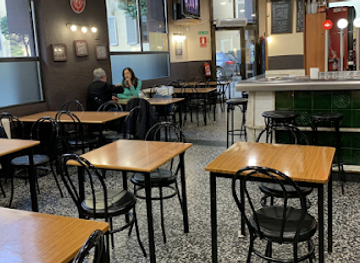
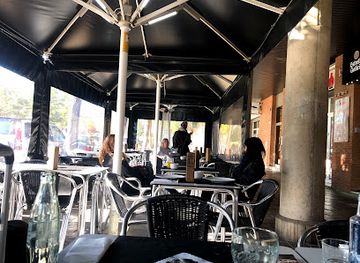
Lleida’s evening scene is substantial for a regional university city but generally more sociable than club-centred. Bars and cafés around the old centre, Rambla de Ferran, Plaça de Ricard Viñes and parts of Cappont fill gradually as locals meet for conversation, small plates and drinks. Student life brings additional activity around the university, especially during term time, while larger festivals and cultural programmes can extend the city’s nightlife beyond ordinary bar-going. The Teatre de l’Escorxador and other cultural venues provide theatre, concerts and performance events, and seasonal programming may include open-air music or traditional celebrations. Late-night clubs exist, but the atmosphere is comparatively modest beside Barcelona’s; schedules and venues can change, so local listings are more reliable than assuming a permanent club circuit.
-
Grill
Bar Roma | Lleida
Discover authentic Spanish flavors at Bar Roma in Lleida, where delicious grilled dishes and a cozy atmosphere await every visitor.
10 min walk · 0.8 km from city centre
-
Tapas Bar
Bar La Casa del Vermut
Discover the rich culinary heritage of Spain at Bar La Casa del Vermut, a must-visit tapas bar in Lleida offering delectable small plates and refreshing vermut.
14 min walk · 1.1 km from city centre
-
Pub
Louisiana American Tavern | Lleida
Discover the vibrant Louisiana American Tavern in Lleida, where American cuisine meets local flavors in a lively pub atmosphere.
9 min walk · 0.7 km from city centre
-
Piano bar
Pub Legend | Lleida
Discover the vibrant nightlife at Pub Legend, Lleida's premier piano bar, where music, tapas, and fun come together in a lively atmosphere.
10 min walk · 0.8 km from city centre


Best nightclubs in Lleida
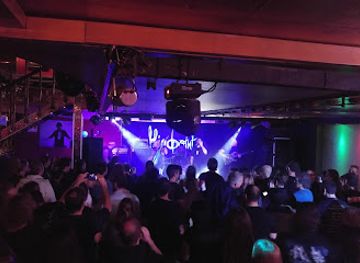
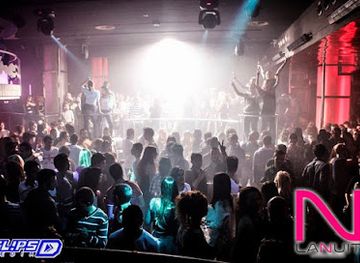
Lleida’s evening scene is substantial for a regional university city but generally more sociable than club-centred. Bars and cafés around the old centre, Rambla de Ferran, Plaça de Ricard Viñes and parts of Cappont fill gradually as locals meet for conversation, small plates and drinks. Student life brings additional activity around the university, especially during term time, while larger festivals and cultural programmes can extend the city’s nightlife beyond ordinary bar-going. The Teatre de l’Escorxador and other cultural venues provide theatre, concerts and performance events, and seasonal programming may include open-air music or traditional celebrations. Late-night clubs exist, but the atmosphere is comparatively modest beside Barcelona’s; schedules and venues can change, so local listings are more reliable than assuming a permanent club circuit.
-
Disco club
La Boîte
Experience the vibrant energy of Lleida's nightlife at La Boîte, where unforgettable nights of music and dance await every visitor.
4 min walk · 0.4 km from city centre
-
Disco club
LaNuit Boulevard
Dive into the vibrant nightlife of Lleida at LaNuit Boulevard, where unforgettable moments await in a lively disco atmosphere.
17 min walk · 1.4 km from city centre
-
Disco club
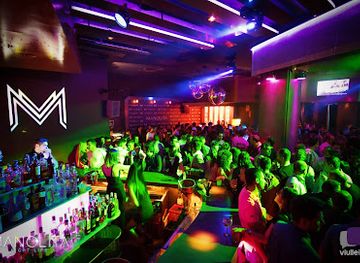
MANOLITA NIGHT LIFE
Discover the vibrant energy of Manolita Night Life, Lleida's premier disco club, where unforgettable nights and great music await.
5 min drive · 1.5 km from city centre
-
Disco club
Lït
Lït in Lleida: Dive into a vibrant nightlife with eclectic music and dance until dawn in this premier disco club.
9 min walk · 0.7 km from city centre

Best shops in Lleida
Lleida’s main retail area is the Eix Comercial, centred on Carrer Major and adjoining streets, where pedestrianised lanes combine everyday shops, Catalan brands, cafés and historic façades. The area around Rambla de Ferran extends the central shopping circuit, while neighbourhood markets provide a more local view of daily life and seasonal produce. The Mercat del Pla occupies a historic building near the old centre and is associated with food, events and small-scale commercial activity, though its programme can vary. Visitors will find regional fruit, preserves, wine from Costers del Segre and traditional food products more distinctive than mass-produced souvenirs. Independent boutiques and specialist retailers appear among the central streets, while larger modern shopping areas are found beyond the oldest core. Market and shop opening patterns may differ from those familiar to international visitors, particularly around midday and on Sundays.
-
Clothing store
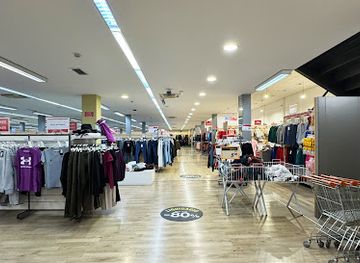
Unipreus
Discover Unipreus in Lleida: Your one-stop shop for fashion, outdoor gear, and sporting goods, offering a unique blend of style and quality.
15 min walk · 1.2 km from city centre
-
Shopping mall
Centro Comercial Carrefour Lérida
Experience the best of shopping and dining at Centro Comercial Carrefour Lérida, a vibrant hub in the heart of Lleida, Spain.
13 min walk · 1.1 km from city centre
-
Outlet mall
Prilow
Experience exceptional shopping at Prilow, Lleida's premier outlet mall, featuring top brands in clothing, shoes, and sporting goods at irresistible prices.
9 min walk · 0.7 km from city centre
-
Clothing store
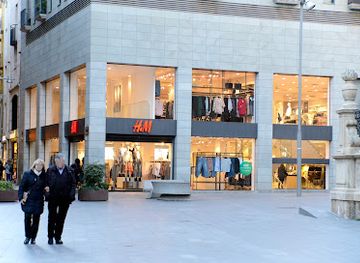
H&M
Explore the vibrant H&M store in Lleida for stylish and affordable fashion, perfect for every traveler looking to enhance their wardrobe.
10 min walk · 0.8 km from city centre


Get your free copy of our complete guide to Lleida, delivered straight to you.
Everything on this page, from attractions and restaurants to essentials and local phrases, in one PDF you can read offline, print or share.
Already have an account? Sign in
Your Lleida guide is ready.
We'll send it to · Not you? Sign out

Getting your guide ready…
We are putting together a fresh copy of the Lleida guide. This can take up to a minute.
This can take a few moments. If your browser asks, choose Allow so the download can start. You'll find the guide in your Downloads folder.
Nothing happened? Download it again
Sorry, the guide is taking longer than usual. Please try again in a minute, or get it by email instead.
Lleida essentials
Currency and Payment
Safety
Emergency Situations
Do's and Don'ts
Local Tips
From Eve
Local phrases worth knowing
You don't need to get them perfect. A few words go a long way, and locals appreciate the effort.
Basics
| English | Local | Say it |
|---|---|---|
| Hello | Hola | [oh-lah] |
| Goodbye | Adéu | [ah-deh-oo] |
| Yes | Sí | [see] |
| No | No | [no] |
| Please/You're welcome | Si us plau/De res | [see oos plow/deh res] |
| Thank you | Gràcies | [grah-syehs] |
| Excuse me/Sorry | Perdó/Ho sento | [pehr-doh/oh sehn-toh] |
| How are you? | Com estàs? | [kohm ehs-tahs] |
| Fine. And you? | Bé. I tu? | [beh/ee too] |
| Do you speak English? | Parles anglès? | [pahr-lehs ahn-glehs] |
| I don't understand | No entenc | [noh ehn-tehnk] |
Eating & Drinking
| English | Local | Say it |
|---|---|---|
| I'd like to see the menu, please | Vull veure la carta, si us plau | [vool vew-reh lah kahr-tah/see oos plow] |
| I don't eat meat | No menjo carn | [noh mehn-hoh kahrn] |
| Cheers! | Salut! | [sah-loot] |
| I would like to pay, please | Voldria pagar, si us plau | [vohl-dree-ah pah-gahr/see oos plow] |
Emergencies
| English | Local | Say it |
|---|---|---|
| Help! | Ajuda! | [ah-hoo-dah] |
| Go away! | Vés-te'n! | [vehs-tehn] |
| Call the Police! | Truca a la policia! | [troo-kah ah lah poh-lee-see-ah] |
| Call a doctor! | Truca un metge! | [troo-kah oon meh-tgeh] |
| I'm lost | Estic perdut | [ehs-teek pehr-dooh] |
| I'm ill | Estic malalt | [ehs-teek mah-lahlt] |
Shopping
| English | Local | Say it |
|---|---|---|
| I'd like to buy... | Vull comprar... | [vool kohm-prahr] |
| I'm just looking | Només estic mirant | [noh-mehs ehs-teek mee-rahn] |
| How much is it? | Quant val? | [kwahnt vahl] |
| That's too expensive | Això és massa car | [ahy-shoh ehs mah-sah kahr] |
| Can you lower the price? | Pots baixar el preu? | [pots by-shahr ehl preh-oo] |
Time & Numbers
| English | Local | Say it |
|---|---|---|
| What time is it? | Quina hora és? | [kee-nah oh-rah ehs] |
| It's one o'clock | És la una | [ehs lah oo-nah] |
| Half past (10) | Mitja deu | [mee-tyah deh-oo] |
| Morning | Matí | [mah-tee] |
| Afternoon | Tarda | [tahr-dah] |
| Evening | Vespre | [vehs-preh] |
| Yesterday | Ahir | [ah-eer] |
| Today | Avui | [ah-voo-ee] |
| Tomorrow | Demà | [deh-mah] |
| 1 | Un | [oon] |
| 2 | Dos | [dohs] |
| 3 | Tres | [trehs] |
| 4 | Quatre | [kwah-treh] |
| 5 | Cinc | [sink] |
| 6 | Sis | [sees] |
| 7 | Set | [set] |
| 8 | Vuit | [vweet] |
| 9 | Nou | [noh] |
| 10 | Deu | [deh-oo] |
Transport & Directions
| English | Local | Say it |
|---|---|---|
| Where's a/the...? | On és un/el...? | [ohn ehs oon/ehl] |
| What's the address? | Quina és l'adreça? | [kee-nah ehs ladh-reh-sah] |
| Can you show me (on the map)? | Em pots ensenyar (al mapa)? | [ehm pots ehn-sehn-yahr/ahl mah-pah] |
| When's the next (bus)? | Quan passa el proper (autobús)? | [kwahn pah-sah ehl proh-pehr/ow-toh-boo] |
| A ticket (to ....) | Un bitllet (a ....) | [oon bee-yet/ah/ah] |
History of Lleida
The Ilergetes and Roman Ilerda
The earliest recorded history of the Lleida area is associated with the Ilergetes, an Iberian people whose settlement occupied the strategic hill above the Segre. The site’s position controlled routes across the western Catalan plain and later attracted Roman power. Roman Ilerda became an important settlement in Hispania and entered wider history during the conflict between Julius Caesar and Pompey: in 49 BC, Caesar’s forces confronted Pompeian troops in the campaign known as the Battle of Ilerda. Roman administration, roads and agricultural organisation established foundations that helped the settlement remain significant after the imperial period, while the hill continued to serve as the natural centre of authority.
Islamic Larida and the Medieval Conquest
After the Visigothic period, Lleida was incorporated into the Muslim-ruled territories of al-Andalus during the early eighth century and became known as Larida. Its hilltop position retained military importance, and the city formed part of the frontier zone between Muslim and Christian territories for several centuries. In 1149, Count Ramon Berenguer IV and Ermengol VI of Urgell captured Lleida, bringing it into the orbit of the County of Barcelona and the emerging Crown of Aragon. The medieval city developed around its fortified summit and river crossing, while Christian institutions, new settlements and agricultural activity reshaped the urban landscape.
The University and Medieval Prosperity
Lleida’s medieval importance was reinforced by the foundation of the University of Lleida in 1300 by King James II of Aragon. It was the first university established in the Crown of Aragon and attracted students and scholars to the city. The Seu Vella, begun in the thirteenth century on the site of earlier religious buildings, became the principal expression of Lleida’s ecclesiastical and civic ambitions. Its Romanesque-Gothic architecture, monumental cloister and commanding position reflected the city’s role as a regional centre. Trade, agricultural production and the Segre crossing supported this institutional growth, although later warfare and political upheaval would damage Lleida’s prosperity.
War, Fortress and Urban Disruption
Lleida’s strategic location repeatedly exposed it to conflict. The hilltop cathedral was transformed into a military fortress after the War of the Spanish Succession, and the city’s defensive role increasingly took precedence over its religious function. The University of Lleida was abolished in 1717 as part of the Bourbon centralising reforms and was later re-established in the twentieth century. Military occupation of the Seu Vella complex altered its buildings and restricted access to the summit, while changes in warfare and administration shifted urban activity towards the lower city. The old centre nevertheless retained churches, civic buildings and street patterns that preserve traces of earlier development.
Civil War and Reconstruction
During the Spanish Civil War, Lleida suffered heavy bombardment because of its strategic position and communications, particularly in 1937. The destruction affected housing, public buildings and the urban fabric, adding a traumatic modern layer to the city’s long history. Under the Franco regime, reconstruction and population growth expanded Lleida beyond its historic core, with new neighbourhoods spreading across the plain and towards the Segre. The university tradition returned in modern form with the creation of the University of Lleida in 1991. Restoration and cultural investment have since helped present the Seu Vella, Gardeny and the old centre as central elements of the city’s heritage.
A Modern Capital of Western Catalonia
Contemporary Lleida functions as the administrative, educational and commercial centre of western Catalonia. Its economy remains closely connected to agriculture, food production and the fruit-growing landscape of the Segrià, while the university, hospitals, museums and cultural institutions give the city a substantial regional role. Improved rail connections through Lleida Pirineus have strengthened its links with Barcelona, Zaragoza and other parts of Spain. The city’s identity now rests on the coexistence of its hilltop monuments, reconstructed urban centre, modern civic institutions and productive plain, with Catalan cultural life visible in local festivals, markets, theatre and everyday language.
Travel experiences inspired by this city


Swipe for more travel diaries
Lleida in Photos
Browse through our photo collection highlighting the charm and character of the destination.
Cities near Lleida
The closest cities to Lleida, if you have time for more than one stop.
-

-

-

-

-


Swipe for more cities
Explore more

Explore more of Spain
Discover Spain: A vibrant tapestry of culture, history, and breathtaking landscapes, where every city offers a unique adventure and unforgettable experiences.
Explore Spain