San Lorenzo de El Escorial Travel Guide
Free Guide: Renaissance grandeur meets spiritual devotion in Spain's most ambitious architectural achievement and imperial legacy.


A brief summary of San Lorenzo de El Escorial
Renaissance grandeur meets spiritual devotion in Spain's most ambitious architectural achievement and imperial legacy.
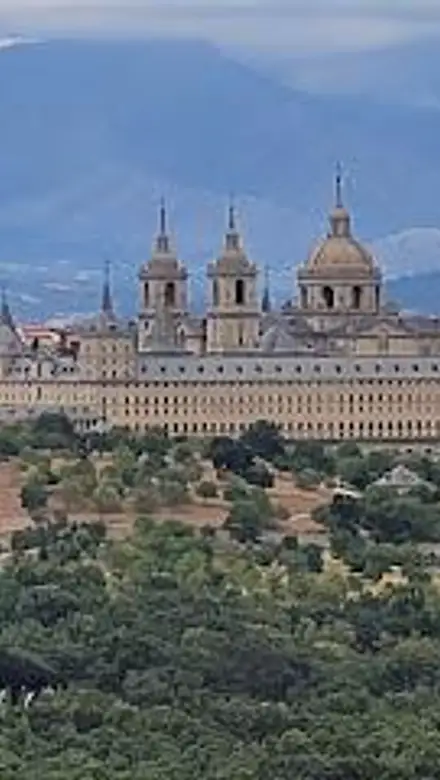
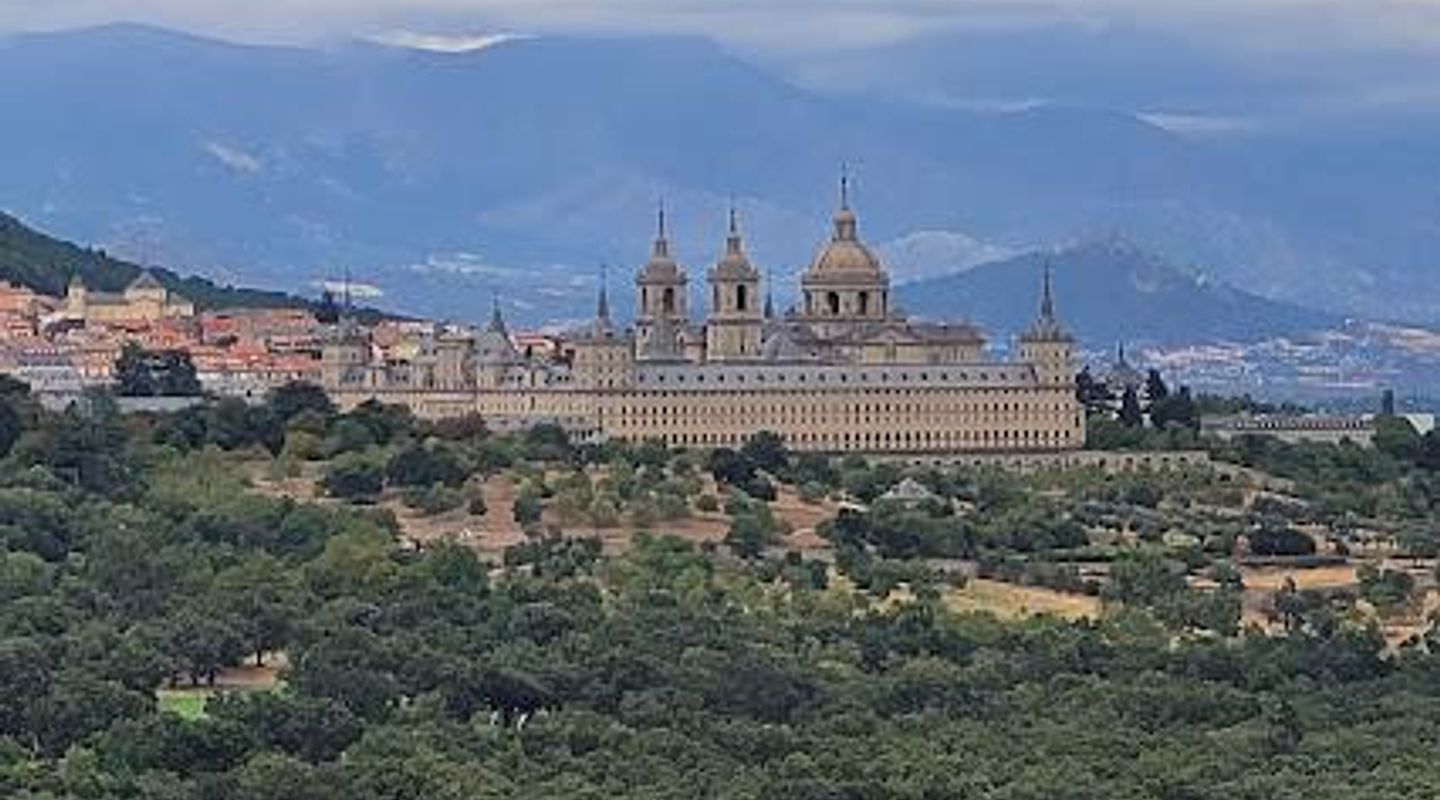
A monumental 16th-century royal palace and monastery nestled in the mountains northwest of Madrid, blending Renaissance architecture with Spanish imperial grandeur. This UNESCO World Heritage site served as the residence of Spanish kings and houses an extraordinary collection of art, manuscripts, and religious artifacts within its vast complex.
On-site amenities
 Restrooms
 Drink options
 Drinking water
 Food options
 Seating areas
 Sheltered areas
 Information boards
 Visitor centre
- Address
- Madrid
Getting there
Train + Local Transport
Organized Tour
Rental Car
Taxi or Ride-Share
Discover more about San Lorenzo de El Escorial
Historical Significance and Royal Legacy
San Lorenzo de El Escorial stands as one of Spain's most iconic monuments, commissioned by King Philip II in 1563 and completed in 1584. Built to commemorate Spain's victory at the Battle of Saint Quentin, this extraordinary complex served as the royal residence, monastery, and mausoleum for Spanish monarchs. The name derives from Saint Lawrence, whose feast day coincided with the battle. Philip II envisioned this site as a symbol of Spanish power during the height of the Spanish Empire, combining religious devotion with absolute monarchy in a single architectural statement.
Architectural Marvel and Design
The complex showcases Renaissance architecture at its most ambitious scale, designed by Juan de Herrera and Juan Bautista de Toledo. The main building covers approximately 207,000 square meters, making it one of the largest palaces in the world. The structure features a distinctive grid pattern when viewed from above, symbolizing the gridiron upon which Saint Lawrence was martyred. Granite facades, austere lines, and geometric precision characterize the exterior, while the interior reveals surprising elegance with ornate decoration, frescoed ceilings, and intricate tilework that contrasts with the building's imposing exterior.
Artistic and Cultural Treasures
Within its walls, El Escorial houses an extraordinary collection of European masterpieces, including works by Velázquez, Bosch, Titian, and El Greco. The Library contains over 40,000 volumes, including rare manuscripts and illuminated texts that represent centuries of intellectual heritage. The Pantheon of Kings, located beneath the main altar, contains the remains of Spanish monarchs and their families, creating a solemn and contemplative space. The Basilica features a magnificent dome and serves as the spiritual heart of the complex, while the Royal Apartments showcase the refined tastes of Spanish royalty across centuries.
Monastic Community and Spiritual Purpose
Beyond its role as a palace, El Escorial functioned as a working monastery, with Hieronymite monks maintaining spiritual practices within its walls for centuries. The monastic quarters, refectory, and cloister reflect the religious mission that paralleled the royal functions. This dual purpose—combining earthly power with spiritual devotion—defines the unique character of the site and influenced Spanish cultural and religious life for generations.
Mountain Setting and Landscape
Located in the Sierra de Guadarrama mountains approximately 45 kilometers northwest of Madrid, El Escorial benefits from its elevated position and natural surroundings. The cooler mountain climate provided respite from Madrid's summer heat, while the landscape offered hunting grounds favored by Spanish kings. The surrounding forests and valleys create a contemplative atmosphere that enhances the spiritual dimensions of the site.
UNESCO Recognition and Contemporary Significance
Designated a UNESCO World Heritage Site in 1984, El Escorial represents a masterpiece of Renaissance architecture and a testament to 16th-century Spanish civilization. Today, it functions as a museum, monastery, and pilgrimage site, attracting scholars, art enthusiasts, and visitors seeking to understand Spanish history and culture. The complex remains one of Spain's most visited monuments, offering insight into the ambitions, artistic sensibilities, and religious convictions of one of history's most powerful empires.
Evendo Review Centre
 Google
Guest reviews
Best time to go
Quietest: Jan, Feb & Dec · before 10am or from 8pm
Busy times are Evendo estimates for a typical year, to help you plan. Actual crowds vary with events, school holidays and the weather.
Explore San Lorenzo de El Escorial on the map
A handpicked selection of must-see spots near San Lorenzo de El Escorial, mapped for you.
Get your free copy of our complete guide to San Lorenzo de El Escorial, delivered straight to you.
Everything on this page, from opening hours and how to get there to Eve’s tips and the best time to go, in one PDF you can read offline, print or share.
Already have an account? Sign in
Your San Lorenzo de El Escorial guide is ready.
We'll send it to · Not you? Sign out

Getting your guide ready…
We are putting together a fresh copy of the San Lorenzo de El Escorial guide. This can take up to a minute.
This can take a few moments. If your browser asks, choose Allow so the download can start. You'll find the guide in your Downloads folder.
Nothing happened? Download it again
Sorry, the guide is taking longer than usual. Please try again in a minute, or get it by email instead.
Unlock the best of San Lorenzo de El Escorial
Skip-the-line tickets, guided tours with entry, and walking tours of the area, booked in a few clicks.
 Tour with entry
San Lorenzo de El Escorial skip-the-line tickets and guided tour
from $42.10 Tour with entry
Escorial and Valley half-day tour from Madrid
from $53.30 Tour with entry
Prado Museum Exclusive Tour with Skip-the-line (Max 6 people)
from $66.09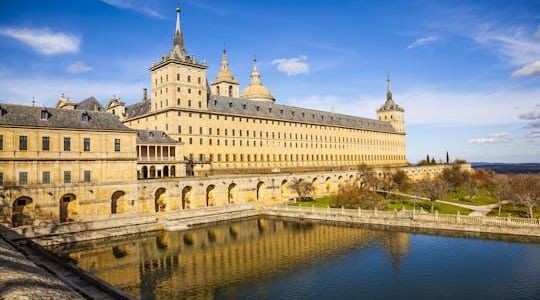 Tour with entry
Escorial and Valley of the Fallen half-day tour with entrance tickets
from $66.09

Other nearby places you may find interesting
The closest places of the same kind, if this one is not quite what you had in mind.
-
-
-
-
-


Swipe for more places
More to explore near San Lorenzo de El Escorial
-
 Best experiences near San Lorenzo de El Escorial
-
 Best hotels near San Lorenzo de El Escorial
-
 Best landmarks near San Lorenzo de El Escorial
-
 Best attractions near San Lorenzo de El Escorial
-
 Best shops near San Lorenzo de El Escorial
-
 Best restaurants near San Lorenzo de El Escorial
-
 Best bars near San Lorenzo de El Escorial


Do you manage this location?
Take control to get all the benefits, like improved information, better appearance, and stronger visibility across AI-powered discovery.
Explore more
Explore more of Madrid Community
Discover the heart of Spain in the Madrid Community: a vibrant region rich in history, culture, and breathtaking landscapes.
Explore Madrid Community
Explore more of Spain
Discover Spain: A vibrant tapestry of culture, history, and breathtaking landscapes, where every city offers a unique adventure and unforgettable experiences.
Explore Spain