

Free Madrid Community Travel Guide & Mobile App
Explore Madrid Community with free travel guides. Discover regional history, expert tips, proposed trips, and audio guides on web or mobile app.


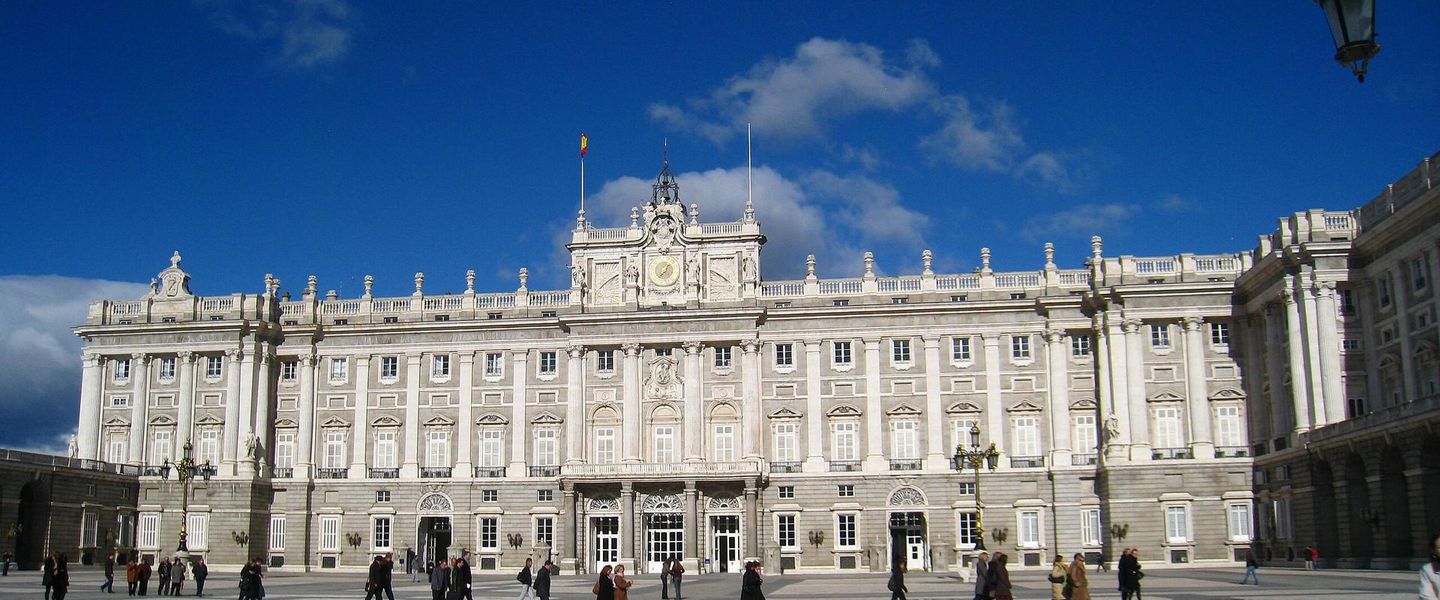


Explore the Madrid Community for world-class museums, royal towns, Sierra walks, historic villages and central Spanish food culture.
Read more about Madrid Community
When is the best time to visit Madrid Community?
Best: May–June, September · 23–28°C| Month | High (°C) | Rainfall (mm) |
|---|---|---|
| January | 10 | 30 |
| February | 11 | 30 |
| March | 15 | 30 |
| April | 18 | 40 |
| May (best) | 23 | 30 |
| June (best) | 28 | 20 |
| July | 32 | 10 |
| August | 31 | 10 |
| September (best) | 27 | 30 |
| October | 21 | 40 |
| November | 14 | 30 |
| December | 10 | 30 |
Getting to and around Madrid Community
How to get there
Transportation
Top city travel guides in Madrid Community
The cities of Madrid Community, and the easiest places to base yourself.
-

-

-

-


Swipe for more cities
Best attractions in Madrid Community
The Madrid Community offers a broad range of attractions extending well beyond the capital's celebrated museums. In Madrid city, the Prado, Reina Sofía and Thyssen-Bornemisza form a major art route, while the Royal Palace, Retiro Park, historic markets and neighbourhoods provide contrasting cultural experiences. The Royal Palace and monastery complex at San Lorenzo de El Escorial gives the northern foothills a powerful architectural focus, and the royal gardens and palace at Aranjuez combine history with the cultivated landscapes of the Tagus valley. Alcalá de Henares brings Roman archaeology, university buildings and Cervantes-related heritage. In the north, the Sierra de Guadarrama offers hiking, climbing, cycling, reservoirs, winter recreation and wildlife habitats, with the Valley of Fuenfría and areas around Rascafría among the better-known outdoor settings. Medieval Buitrago del Lozoya, the castle at Manzanares el Real and the arcaded square of Chinchón add smaller-scale historic experiences, while vineyards and rural restaurants in the south and west reveal the community's agricultural character.
-
Park
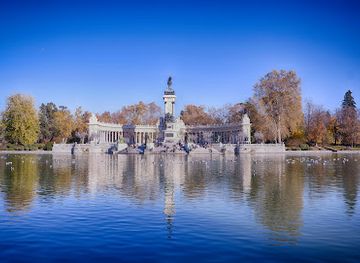
El Retiro Park
Discover the serene beauty of El Retiro Park, Madrid's iconic green oasis filled with gardens, lakes, and cultural landmarks for a perfect day out.
-
Plaza
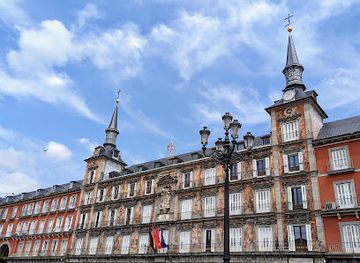
Plaza Mayor
Discover the vibrant heart of Madrid at Plaza Mayor, a historic square surrounded by stunning architecture and lively atmosphere.
-
Historical landmark
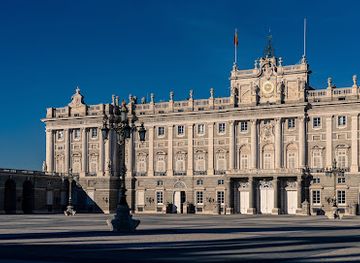
Royal Palace of Madrid
Experience the splendor of Spain at the Royal Palace of Madrid, a beautiful historical landmark showcasing the richness of royal heritage and art.
-
Plaza
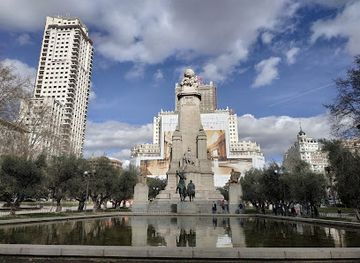
Plaza de España
Discover the vibrant heart of Madrid at Plaza de España, a historical landmark showcasing stunning architecture and rich cultural heritage.
Best landmarks in Madrid Community
The Royal Palace of Madrid is the community's most recognisable architectural symbol, representing the capital's transformation into the seat of the Spanish monarchy, while the nearby Plaza Mayor and Puerta del Sol express the historic civic and commercial centre of the city. The Monastery and Royal Site of San Lorenzo de El Escorial dominates the northern foothills with its vast sixteenth-century complex of palace, church, library and royal mausoleum. Aranjuez has a different royal landscape, shaped by the palace, formal gardens and waterways along the Tagus. Alcalá de Henares is distinguished by its university quarter, arcaded Calle Mayor and ecclesiastical architecture, while the medieval walls and castle of Buitrago del Lozoya provide a striking reminder of the region's frontier past. The castle at Manzanares el Real, built beside the Sierra de Guadarrama, is one of the community's most visually prominent fortified structures. Natural landmarks include the granite formations, high passes and wooded valleys of the Sierra, which form a dramatic northern edge to the metropolitan landscape.
-
Park
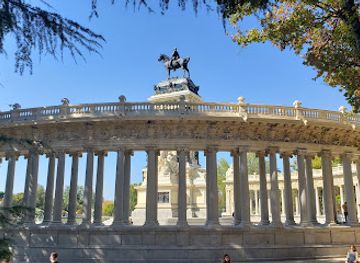
El Retiro Park
Explore the serene El Retiro Park in Madrid, a lush green oasis filled with gardens, sculptures, and peaceful lakes, perfect for relaxation and cultural immersion.
-
Plaza
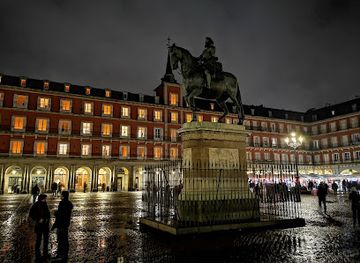
Plaza Mayor
Discover the vibrant Plaza Mayor, Madrid's historic square, where culture, cuisine, and charm converge in the heart of Spain's capital.
-
Plaza
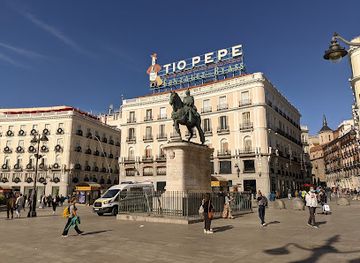
Puerta del Sol
Experience the vibrant energy and historical significance of Puerta del Sol, the iconic heart of Madrid where tradition meets modern life.
-
Art museum
Museo Nacional del Prado
Explore the masterpieces of European art at the Museo Nacional del Prado, a cultural gem in Madrid that showcases the brilliance of Spanish and international artists.
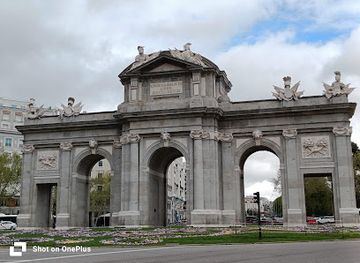
Explore Madrid Community on the map
Plan your trip on one map. See where the top cities, national parks and sights are, and book hotels and experiences in a few clicks.
Best hotels in Madrid Community
Best restaurants in Madrid Community
Dining in the Madrid Community ranges from formal restaurants and neighbourhood tabernas in the capital to family-run establishments in historic towns and mountain villages. Cocido madrileño, a substantial chickpea-based stew served in stages, is the region's best-known traditional dish, while callos a la madrileña, roast meats, croquetas and tortilla are common across the wider capital area. Rural menus in the Sierra often feature grilled meats, game when seasonally available and local cheeses, whereas the Tagus basin around Aranjuez is associated with carefully cultivated vegetables, including asparagus and strawberries. Chinchón is known for hearty Castilian cooking and its anise-flavoured spirit, and the community's wine regions produce reds, whites and rosés under the Vinos de Madrid designation. Markets, bakeries, cafés and tapas bars are particularly useful for sampling everyday food culture, while modern restaurants in Madrid city draw on Spain's national produce and the capital's international communities.
-
Bar
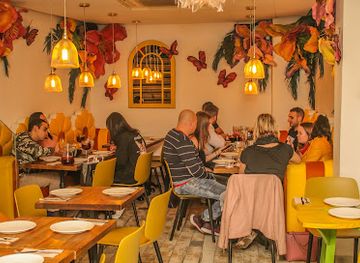
Rosi La Loca
Experience the vibrant flavors of Spain at Rosi La Loca - a lively bar and restaurant in Madrid's bustling Centro district.
-
Tapas
Juana La Loca
Experience authentic Spanish tapas at Juana La Loca in Madrid—where culinary delight meets vibrant atmosphere.
-
Italian
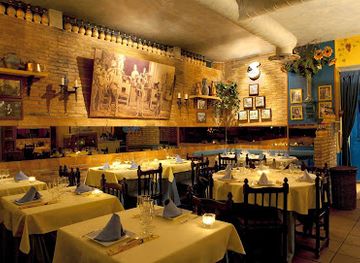
Trattoria Pulcinella
Experience authentic Italian cuisine at Trattoria Pulcinella in Madrid's lively Centro district, where every dish tells a story.
-
Restaurant
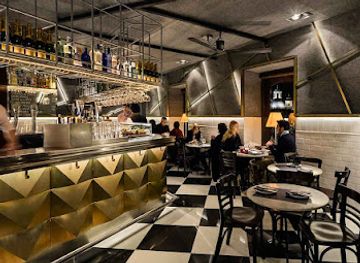
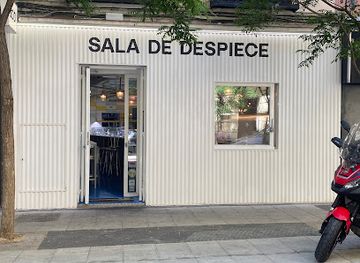
Sala de Despiece
Experience innovative Spanish cuisine at Sala de Despiece in Chamberí, where traditional flavors meet modern creativity for an unforgettable dining experience.
Best bars in Madrid Community
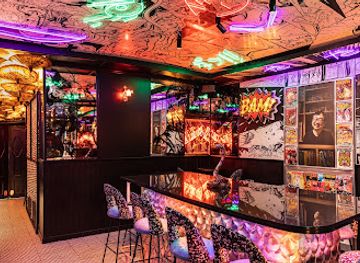
Nightlife in the Madrid Community is concentrated in Madrid city, where evening activity ranges from traditional tabernas and vermouth bars to cocktail lounges, live-music rooms, theatres and late-opening clubs. Malasaña, Chueca, Lavapiés, La Latina and parts of the city centre have distinct mixes of bars, restaurants and cultural venues, although the character of individual streets changes over time. Outside the capital, nightlife is generally more local and relaxed: Alcalá de Henares has a student-influenced evening scene, while towns such as Aranjuez, Chinchón and the Sierra communities tend to centre on cafés, restaurants, pubs and seasonal festivities rather than large clubs. Breweries, wine bars and rural inns offer alternatives to late-night venues, particularly around the region's wine-producing areas. Opening arrangements vary widely, so visitors should check current details rather than assume a venue operates every night.
-
Tapas Bar
El Minibar
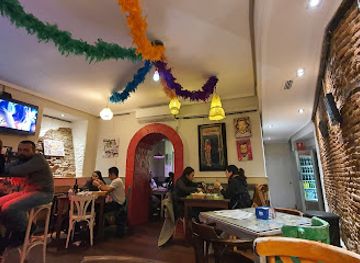
Experience the vibrant flavors of Spain at El Minibar, a lively tapas bar in Madrid's historic Centro district, perfect for food lovers and cocktail enthusiasts.
-
Irish pub
James Joyce Irish Pub Madrid
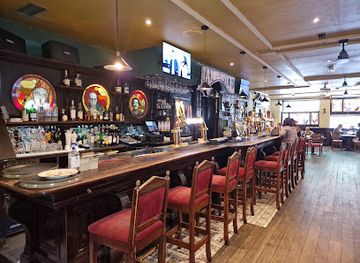
Immerse yourself in the lively atmosphere of James Joyce Irish Pub, where Ireland meets Madrid with great food, drinks, and entertainment.
-
Cocktail bar
Areia Club
Experience the exhilarating nightlife of Madrid at Areia Club, where creative cocktails and electrifying music create unforgettable moments.
-
Cocktail bar
Salmon Guru
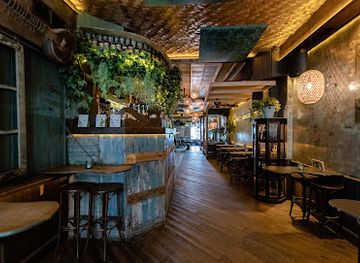
Discover the vibrant world of cocktails at Salmon Guru, a unique bar in Madrid known for its creative concoctions and enchanting atmosphere.
Best nightclubs in Madrid Community
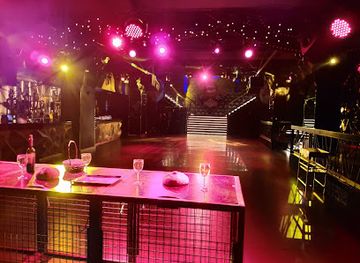
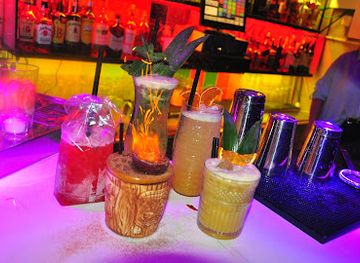
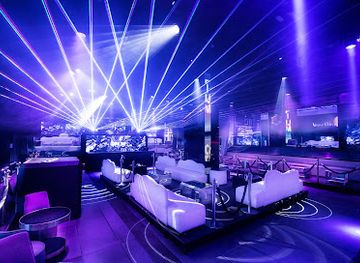
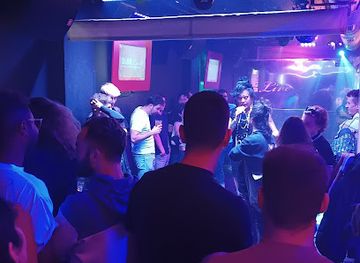
Nightlife in the Madrid Community is concentrated in Madrid city, where evening activity ranges from traditional tabernas and vermouth bars to cocktail lounges, live-music rooms, theatres and late-opening clubs. Malasaña, Chueca, Lavapiés, La Latina and parts of the city centre have distinct mixes of bars, restaurants and cultural venues, although the character of individual streets changes over time. Outside the capital, nightlife is generally more local and relaxed: Alcalá de Henares has a student-influenced evening scene, while towns such as Aranjuez, Chinchón and the Sierra communities tend to centre on cafés, restaurants, pubs and seasonal festivities rather than large clubs. Breweries, wine bars and rural inns offer alternatives to late-night venues, particularly around the region's wine-producing areas. Opening arrangements vary widely, so visitors should check current details rather than assume a venue operates every night.
-
Disco club
Medias Puri
Dive into Madrid's vibrant nightlife at Medias Puri, where electrifying music and spectacular performances create unforgettable nights.
-
Disco club
Planet Club
Dive into the heart of Madrid's nightlife at Planet Club, a disco club known for its energetic atmosphere and unforgettable music.
-
Disco club
OPIUM CLUB
Discover the electrifying nightlife at OPIUM CLUB in Madrid, where cocktails, dancing, and unforgettable memories await you.
-
Disco club
Delirio Dance Club
Immerse yourself in Madrid’s lively nightlife at Delirio Dance Club, where electrifying beats and vibrant energy await all night long.
Best shops in Madrid Community
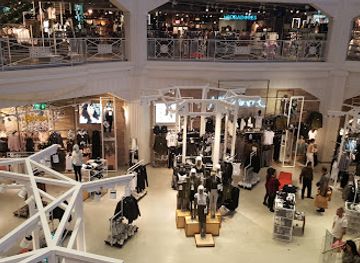
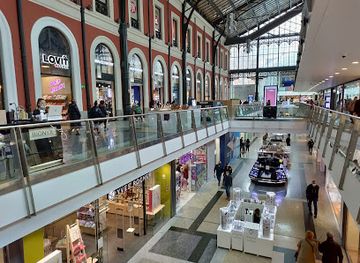
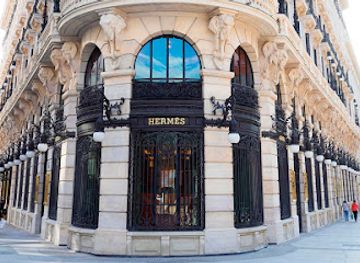
Shopping in the Madrid Community is anchored by the capital's department stores, fashion districts, independent boutiques, bookshops, design studios and specialist food shops. Historic markets and neighbourhood food halls are useful for browsing Spanish cheeses, cured meats, sweets, preserves and regional wines, while artisan and design-led shops are particularly concentrated in central Madrid. Outside the city, Alcalá de Henares and Aranjuez combine practical high-street shopping with independent retailers in historic surroundings, and Chinchón is a good place to look for local food products, aniseed-flavoured spirit and traditional souvenirs. Rural towns and Sierra villages generally offer smaller selections, including ceramics, handmade goods, mountain produce and local delicatessen items rather than extensive retail centres. Bottles from the Vinos de Madrid areas, products from the Tagus valley and well-packaged regional foods make more durable souvenirs than fragile novelty items, but check airline and customs rules before buying liquids or food for international travel.
-
Clothing store
Primark
Explore Primark in Madrid for stylish, affordable fashion amidst the vibrant atmosphere of Gran Vía, perfect for every traveler.
-
Shopping mall
Centro Comercial Príncipe Pío
Discover the vibrant shopping and entertainment experience at Centro Comercial Príncipe Pío, Madrid's premier shopping destination.
-
Shopping mall
Galleria Canalejas
Explore Galleria Canalejas, Madrid's luxurious shopping mall featuring top brands and exquisite dining in a stunning architectural setting.
-
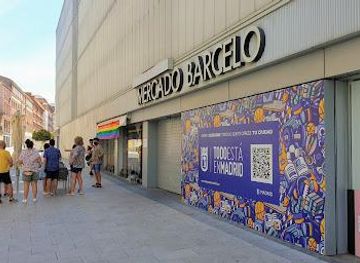
Market
Mercado Barceló
Experience the culinary heartbeat of Madrid at Mercado Barceló, where fresh produce meets artisanal delights in a vibrant market setting.
Get your free copy of our complete guide to Madrid Community, delivered straight to you.
Everything on this page, from attractions and restaurants to essentials and local phrases, in one PDF you can read offline, print or share.
Already have an account? Sign in
Your Madrid Community guide is ready.
We'll send it to · Not you? Sign out

Getting your guide ready…
We are putting together a fresh copy of the Madrid Community guide. This can take up to a minute.
This can take a few moments. If your browser asks, choose Allow so the download can start. You'll find the guide in your Downloads folder.
Nothing happened? Download it again
Sorry, the guide is taking longer than usual. Please try again in a minute, or get it by email instead.
Madrid Community essentials
Currency and Payment
Safety
Emergency Situations
Do's and Don'ts
Local Tips
From Eve
Local phrases worth knowing
You don't need to get them perfect. A few words go a long way, and locals appreciate the effort.
Basics
| English | Local | Say it |
|---|---|---|
| Hello | Hola | [Ola] |
| Goodbye | Adiós | [Adyos] |
| Yes | Sí | [See] |
| No | No | [No] |
| Please/You're welcome | Por favor | [Por fabor] |
| Thank you | Gracias | [Grathias] |
| Excuse me/Sorry | Perdón | [Perdon] |
| How are you? | ¿Cómo estás? | [Komoh estas] |
| Fine. And you? | Bien. ¿Y tú? | [Byen. Ee tu] |
| Do you speak English? | ¿Hablas inglés? | [Abhlas ingles] |
| I don't understand | No entiendo | [No entiendom] |
Eating & Drinking
| English | Local | Say it |
|---|---|---|
| I'd like to see the menu, please | Quisiera ver el menú, por favor | [Kisiera ber el menu, por fabor] |
| I don't eat meat | No como carne | [No komo karne] |
| Cheers! | ¡Salud! | [Salud] |
| I would like to pay, please | Me gustaría pagar, por favor | [Me gustaria pagar, por fabor] |
Emergencies
| English | Local | Say it |
|---|---|---|
| Help! | ¡Ayuda! | [Ayuda] |
| Go away! | ¡Vete! | [Bete] |
| Call the Police! | ¡Llama a la policía! | [Yama a la polisia] |
| Call a doctor! | ¡Llama a un médico! | [Yama a un medico] |
| I'm lost | Estoy perdido | [Estoy perdido] |
| I'm ill | Estoy enfermo | [Estoy enfermo] |
Shopping
| English | Local | Say it |
|---|---|---|
| I'd like to buy... | Me gustaría comprar... | [Me gustaria komprar] |
| I'm just looking | Solo estoy mirando | [Solo estoy mirando] |
| How much is it? | ¿Cuánto cuesta? | [Kwanto kwesta] |
| That's too expensive | Eso es muy caro | [Eso es muy karo] |
| Can you lower the price? | ¿Puedes bajar el precio? | [Pwe-des bajar el precio] |
Time & Numbers
| English | Local | Say it |
|---|---|---|
| What time is it? | ¿Qué hora es? | [Ke ora es] |
| It's one o'clock | Es la una | [Es la una] |
| Half past (10) | Y media (10) | [Ee media (10)] |
| Morning | Mañana | [Maniana] |
| Afternoon | Tarde | [Tarde] |
| Evening | Noche | [Notche] |
| Yesterday | Ayer | [Ayer] |
| Today | Hoy | [Oi] |
| Tomorrow | Mañana | [Manana] |
| 1 | Uno | [Uno] |
| 2 | Dos | [Dos] |
| 3 | Tres | [Tres] |
| 4 | Cuatro | [Kwatros] |
| 5 | Cinco | [Sinco] |
| 6 | Seis | [Seis] |
| 7 | Siete | [Siete] |
| 8 | Ocho | [Ocho] |
| 9 | Nueve | [Nueve] |
| 10 | Diez | [Dyes] |
Transport & Directions
| English | Local | Say it |
|---|---|---|
| Where's a/the...? | ¿Dónde está un/una...? | [Donde esta un/una] |
| What's the address? | ¿Cuál es la dirección? | [Kwal es la direccion] |
| Can you show me (on the map)? | ¿Puedes mostrarme (en el mapa)? | [Pwe-des mostrarme (en el mapa)] |
| When's the next (bus)? | ¿Cuándo es el próximo (autobús)? | [Kwando es el proximo (autobus)] |
| A ticket (to ....) | Un billete (a....) | [Un billete (a....)] |
History of Madrid Community
Prehistoric Settlement and Roman Roads
The territory that is now the Madrid Community was occupied long before the capital emerged. Archaeological evidence records prehistoric communities, while later Iberian and Roman settlements developed around river valleys and strategic routes. The Romans incorporated the area into Hispania and connected it to wider networks through roads, bridges and urban centres, including Complutum near present-day Alcalá de Henares. Roman remains in Alcalá and elsewhere demonstrate the region's enduring role as an inland passage between central Spain's plateaux and larger imperial towns.
Medieval Frontier and the Origins of Madrid
During the Muslim period, Madrid developed as Mayrit, a fortified settlement associated with the supervision of water resources and routes around the Guadarrama foothills. Its position made it part of the frontier between al-Andalus and the Christian kingdoms to the north. Christian forces took the settlement in the late eleventh century, after which Madrid gained churches, new neighbourhoods and municipal privileges. Nearby towns, castles and walled settlements also reflect the changing frontier between Islamic and Christian political spheres.
Alcalá de Henares and the University Tradition
Alcalá de Henares became one of the region's major intellectual centres after Cardinal Cisneros founded its university in 1499. The institution helped shape the Spanish Renaissance and contributed to the city's importance in scholarship, theology and printing. Alcalá was also associated with Miguel de Cervantes, whose baptism there in 1547 is commemorated throughout the historic centre. University buildings, colleges and ecclesiastical foundations remain central to the town's identity and explain its recognition as a UNESCO World Heritage Site.
Madrid Becomes Spain's Capital, 1561
Philip II established Madrid as the permanent seat of the Spanish monarchy in 1561, transforming a relatively modest Castilian town into the political centre of a global empire. The decision encouraged palace construction, aristocratic residences, religious foundations and rapid population growth. Madrid's central location and access to royal hunting grounds also influenced the development of surrounding estates. The capital's later avenues, squares and institutions evolved from this concentration of court, government and commerce within the Community's geographical centre.
Royal Landscapes: Aranjuez and El Escorial
The Spanish monarchy reshaped large parts of the region through royal residences and designed landscapes. Philip II commissioned the Monastery and Royal Site of San Lorenzo de El Escorial in the sixteenth century as a monastery, palace, mausoleum and intellectual centre. Aranjuez developed as a royal spring residence, with a palace, formal gardens and carefully managed waterways along the Tagus. These sites reveal how royal power used architecture, agriculture, hydraulic engineering and landscape design to express authority.
The War of Independence and the Uprising of 1808
Madrid was a major stage in the Peninsular War after the uprising of 2 May 1808 against French occupation. The events inspired intense artistic and political responses, most famously Francisco de Goya's depictions of the uprising and its aftermath. Fighting and resistance affected the wider region, while the conflict disrupted royal institutions, trade and local communities. The memory of 2 May remains embedded in Madrid's civic history and in Spain's broader narrative of resistance to Napoleonic rule.
Industrialisation, Railways and Metropolitan Expansion
During the nineteenth and twentieth centuries, railways connected Madrid with the rest of Spain and accelerated the movement of people, goods and ideas through the region. Industrial activity, public administration and migration enlarged the capital beyond its historic core, while towns such as Alcalá de Henares developed their own manufacturing and service economies. After the Spanish Civil War, rapid urban growth produced new suburbs and transport corridors. Madrid's modern metropolitan form is therefore the product of both national centralisation and large-scale twentieth-century migration.
Democratic Madrid and Contemporary Cultural Life
Spain's transition to democracy after the death of Francisco Franco in 1975 brought new political freedoms and helped Madrid become a centre of cultural experimentation. The countercultural movement commonly known as La Movida Madrileña flourished particularly in the late 1970s and 1980s, influencing music, film, nightlife and visual arts. Since then, the Community has combined international migration, technological industries, universities and major cultural institutions with the preservation of historic towns, royal sites and mountain landscapes.
Madrid Community in Photos
Browse through our photo collection highlighting the charm and character of the destination.
Neighbouring regions of Madrid Community
The closest regions to Madrid Community, if you have time for more than one.
-

-
-

-

-


Swipe for more regions
Explore more

Explore more of Spain
Discover Spain: A vibrant tapestry of culture, history, and breathtaking landscapes, where every city offers a unique adventure and unforgettable experiences.
Explore Spain