CaixaForum Madrid, Madrid Travel Guide
Converted power station turned art powerhouse in Madrid's Prado district, with Herzog & de Meuron architecture, vertical gardens, and blockbuster exhibits drawing global crowds.
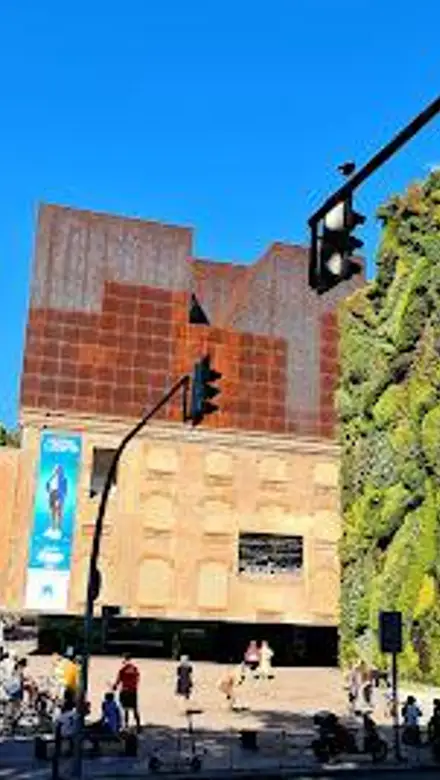
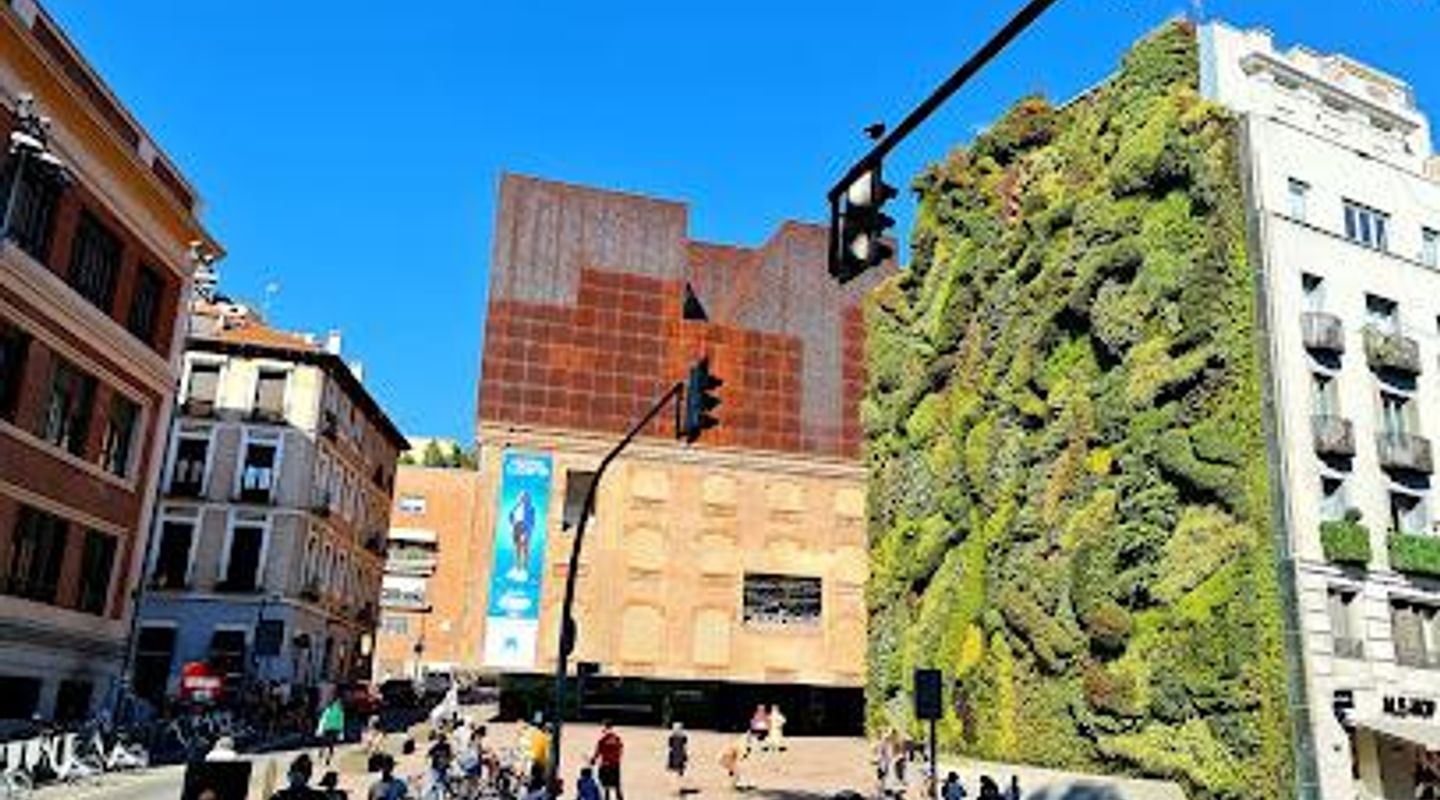
Housed in a striking converted power station, CaixaForum Madrid blends industrial heritage with contemporary art in Madrid's cultural corridor. Explore rotating exhibitions, a vertical garden entrance, and a buzzing cafe amid the Prado's shadow. This cultural hub offers immersive art, architecture, and events that captivate art lovers and casual visitors alike.
A brief summary to CaixaForum Madrid
- P.º del Prado, 36, Madrid, Centro, Madrid, 28014, ES
- Click to display
- Click to display
- Mid ranged
-
 Mixed
Mixed
- Mobile reception: 5 out of 5
- Monday 10 am-8 pm
- Tuesday 10 am-8 pm
- Wednesday 10 am-8 pm
- Thursday 10 am-8 pm
- Friday 10 am-8 pm
- Saturday 10 am-8 pm
- Sunday 10 am-8 pm

Know before you go
Hi, I'm Eve. Here are a few practical things to know before exploring CaixaForum Madrid.
- Book tickets online in advance for major exhibitions to skip lines, especially during peak tourist seasons.
- Combine with nearby Prado Museum for a full art day; the short walk enhances the cultural immersion.
- Visit the vertical garden early morning for photos without crowds and to enjoy cooler temperatures.
- Check the auditorium schedule for free or low-cost concerts that complement visual art experiences.
- Explore the lower level cafe for affordable coffee with views of the garden and plaza activity.
Do you manage this location?
Take control to get all the benefits, like improved information, better appearance, and stronger visibility across AI-powered discovery. Learn more about listing your business on Evendo
Activate your presenceOther nearby places you may find interesting
The closest places of the same kind, if this one is not quite what you had in mind.
Explore CaixaForum Madrid on the Map
A handpicked selection of must-see spots near CaixaForum Madrid, mapped for you.
Unlock the Best of CaixaForum Madrid
Buy tickets
-
No tickets available
Book tours with entry


Getting There
-
Metro
Take Line 1 or 2 to Banco de España station (10-15 min from Sol), then 5-min walk south along Paseo del Prado; €1.50-2 single ticket.
-
Bus
Lines 14, 27, or 45 from central Puerta del Sol (10 min ride), direct drop-off nearby; €1.50 fare, frequent service.
-
Walking
From Puerta del Sol, 20-min stroll east via Carrera de San Jerónimo and Paseo del Prado; free, scenic through historic center.
-
Taxi
10-min ride from Sol or Gran Vía; €6-8 fixed rate zone, available 24/7 but traffic-dependent.
For the on-the-go comforts that matter to you
-
 Restrooms
-
 Drink Options
-
 Food Options
-
 Seating Areas
-
 Sheltered Areas
-
 Information Boards
-
 Visitor Center
Discover more about CaixaForum Madrid
A Transformed Industrial Icon
Once a 1900s power plant, CaixaForum Madrid stands as a testament to adaptive reuse in architecture. The building's brick facade and towering smokestack evoke its industrial past, while a bold cantilevered entrance defies gravity, drawing visitors into a space where history meets modernity. Positioned along Paseo del Prado, it anchors Madrid's 'Golden Triangle of Art' alongside the Prado and Reina Sofía museums.Artistic Heartbeat
Inside, expansive galleries host world-class temporary exhibitions spanning photography, sculpture, painting, and digital media. Past shows have featured masters like Sorolla and emerging global talents, curated to provoke thought and dialogue. The permanent collection highlights Spanish modern art, with rotating displays ensuring fresh discoveries on every visit. Multimedia installations and interactive elements engage all ages, transforming passive viewing into active exploration.Architectural Marvel by Herzog & de Meuron
Swiss architects Herzog & de Meuron reimagined the structure in 2007, rotating the main body 2 degrees for dramatic effect and adding a rusted iron 'roof' that appears to float. The entrance features a sloped plaza plunging underground, symbolizing a journey from street level to cultural depths. This Pritzker Prize-winning design earned acclaim for harmonizing old and new, making the building itself a masterpiece.Cultural Vibrancy and Events
Beyond visuals, CaixaForum pulses with life through concerts, lectures, workshops, and film screenings. The auditorium hosts jazz, classical, and experimental performances, while educational programs delve into art history and contemporary issues. A spacious cafe overlooks the vertical garden, where over 15,000 plants climb 24 meters, creating a lush green wall that filters light and air naturally.Atmosphere and Visitor Flow
The vibe shifts from contemplative gallery spaces to lively social areas, with natural light flooding through skylights and rust accents adding warmth. Crowds peak on weekends, but midweek offers quieter immersion. Expect a cosmopolitan crowd—locals, tourists, students—mingling in this accessible yet sophisticated venue that embodies Madrid's creative spirit.Legacy in Madrid's Cultural Landscape
Funded by La Caixa Foundation, it democratizes culture through free youth access and community outreach. Its location fosters walkable art pilgrimages, enhancing the Prado area's allure. CaixaForum endures as a dynamic force, evolving with each exhibition to redefine cultural engagement in Spain's capital.












Your all‑in‑one travel companion app
Explore expert travel guides, compare and book tours, experiences, hotels, and more—all from the palm of your hand. Download now for seamless trip planning wherever your wanderlust takes you.


Explore More of Madrid
Looking beyond CaixaForum Madrid? Discover Madrid for broader travel guides, local hot-spots, and regional highlights.
Explore Madrid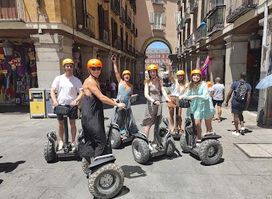
Segway through Madrid's Centro: Plaza Mayor to Royal Palace on effortless rides with guided tales of Habsburg history and literary lore.

Contemporary art pulses in Madrid's Centro at Cámara Oscura, where intimate spaces host provocative exhibitions blending Spanish innovation with global visions in a first-floor retreat.