
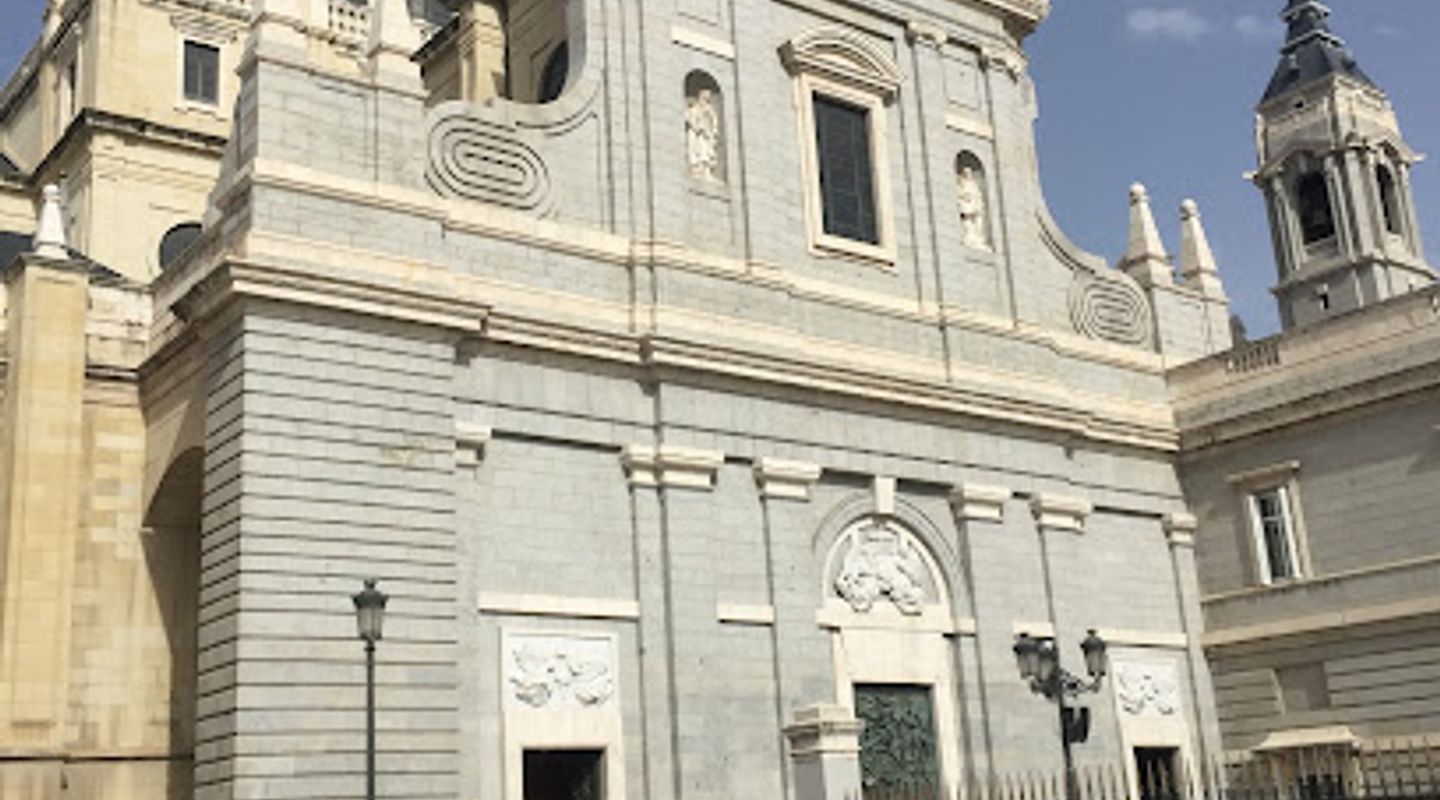
Catedral de la Almudena, Madrid Travel Guide
Madrid's neo-Gothic cathedral facing the Royal Palace, with dome-top views across the city and Manzanares, plus a vast crypt echoing ancient Reconquista echoes amid soaring vaults and saintly chapels.
Towering over the Royal Palace, the Catedral de la Almudena stands as Madrid's grand neo-Gothic cathedral, blending intricate stonework, soaring vaults, and panoramic city views. Completed in 1993 after centuries of construction, it offers a striking contrast to the adjacent Baroque palace, with its dome providing breathtaking vistas of the capital and the Manzanares River below. Inside, visitors encounter a fusion of architectural styles, from Gothic arches to modernist elements, illuminated by vibrant stained glass that casts colorful patterns across marble floors and ornate altars. The cathedral's history weaves through wars, regime changes, and royal events, making it a pivotal site for understanding Madrid's Catholic heritage. Explore chapels dedicated to saints, the crypt's Romanesque arches, and the museum's artifacts for a deep dive into ecclesiastical art and lore. Its location in the historic Centro district places it at the heart of Madrid's monumental core, drawing pilgrims, history enthusiasts, and sightseers alike to witness where faith meets royal splendor.
A brief summary to Catedral de la Almudena
- C. de Bailén, 10, Madrid, Centro, Madrid, 28013, ES
- Click to display
- Click to display
- Mid ranged
-
 Mixed
Mixed
- Mobile reception: 5 out of 5
- Monday 10 am-8:30 pm
- Tuesday 10 am-8:30 pm
- Wednesday 10 am-8:30 pm
- Thursday 10 am-8:30 pm
- Friday 10 am-8:30 pm
- Saturday 10 am-8:30 pm
- Sunday 10 am-8:30 pm

Know before you go
Hi, I'm Eve. Here are a few practical things to know before exploring Catedral de la Almudena.
- Visit the dome early morning for fewer crowds and optimal lighting over the palace gardens.
- Combine with Palacio Real entry ticket for bundled access and seamless exploration.
- Explore the crypt on hot days for its cool, shaded Romanesque arches and quieter vibe.
- Attend a midday mass to experience the space acoustically alive with choral echoes.
- Wear comfortable shoes for the dome's steep stairs leading to expansive city panoramas.
Do you manage this location?
Take control to get all the benefits, like improved information, better appearance, and stronger visibility across AI-powered discovery. Learn more about listing your business on Evendo
Activate your presenceOther nearby places you may find interesting
The closest places of the same kind, if this one is not quite what you had in mind.



Explore Catedral de la Almudena on the Map
A handpicked selection of must-see spots near Catedral de la Almudena, mapped for you.
Unlock the Best of Catedral de la Almudena
Buy tickets
-
No tickets available
Book tours with entry


Getting There
-
Walking
From La Latina metro, walk 15 minutes uphill through historic streets to the cathedral; free, direct path along pedestrian-friendly routes.
-
Taxi
Taxi ride from La Latina center takes 5 minutes, costs €6-8; quick drop-off near palace plaza, available on-demand.
-
Bus
Local bus from La Latina plaza reaches site in 7 minutes, €1.50 fare; frequent service with stops close to entrance.
-
Bicycle
Bike share from La Latina stations covers 10 minutes, €2 for 30 minutes; scenic route via bike lanes to palace area.
For the on-the-go comforts that matter to you
-
 Restrooms
-
 Drink Options
-
 Food Options
-
 Seating Areas
-
 Sheltered Areas
-
 Information Boards
-
 Visitor Center
Discover more about Catedral de la Almudena
A Architectural Marvel Overlooking the Palace
The Catedral de la Almudena rises dramatically opposite the Palacio Real, its twin towers framing the Madrid skyline with neo-Gothic elegance. Construction began in 1883 under Alfonso XII but spanned over a century, culminating in its consecration by Pope John Paul II in 1993. This delay reflects Spain's turbulent history, including civil wars and dictatorships that halted progress multiple times. The facade blends Gothic Revival with neoclassical influences, featuring pointed arches, flying buttresses, and a massive rose window that dominates the western entrance. From the exterior, the cathedral's golden dome catches the sunlight, signaling its prominence in the city's western edge, where it guards the approach to the royal residence.Interior Splendor and Artistic Treasures
Stepping inside reveals a vast nave supported by slender columns that draw the eye upward to ribbed vaulting painted in soft pastels. Unlike purely Gothic structures, the interior incorporates modernist touches, such as the undulating aluminum ceiling designed by Spanish architect Juan de Zavala. Stained glass windows by artists like Carlos Sáez flood the space with jewel-toned light, depicting biblical scenes and local saints. The high altar, crafted from Carrara marble, centers on a 17th-century image of the Virgin of Almudena, Madrid's patroness, whose feast day fills the cathedral with devotees. Side chapels house relics, including those from early Christian martyrs, connecting visitors to the site's ancient roots dating back to the 12th century, when a mosque stood here before the Reconquista.The Crypt: Underground Romanesque Wonder
Descending to the crypt uncovers the cathedral's oldest layer, a cavernous space with 400 columns forming a labyrinthine hall reminiscent of a Byzantine basilica. Built in the early 20th century in brick and stone, it serves as the parish church and burial site for notable Madrileños. Vaulted ceilings and horseshoe arches evoke Moorish influences, nodding to the Almudena hill's pre-Christian history. Tombs of bishops and aristocrats line the walls, while frescoes illustrate scenes from the lives of Madrid's founding figures. This subterranean level provides a cool respite from the main nave's grandeur, offering a meditative contrast to the upper church's opulence.Dome Views and Museum Insights
Ascending the dome rewards with 360-degree panoramas encompassing the Palacio Real's gardens, the Guadarrama mountains, and the bustling Centro district. The climb involves narrow staircases and ramps, building anticipation for the expansive terrace. The cathedral museum, housed in adjacent rooms, displays chalices, vestments, and architectural models chronicling the build's evolution. Exhibits highlight the 1883 competition won by Francisco de Cubas, whose designs merged Madrid's traditional styles with emerging Gothic revivalism. Paintings by Goya and El Greco underscore the cathedral's ties to Spain's artistic canon.Historical Significance and Cultural Role
Almudena's story intertwines with Madrid's identity. Legend claims the Virgin's image was hidden in the Almudena wall during Muslim rule, rediscovered in 1083 by Alfonso VI. The cathedral hosted Juan Carlos I's wedding and endures as a venue for state funerals and papal visits. Its construction symbolized Catholic resurgence post-Napoleonic invasion, when French troops used the palace as barracks. Today, it anchors the Plaza de la Almudena, where locals gather for processions during Holy Week, blending solemn liturgy with vibrant street life.Vibe and Visitor Expectations
The atmosphere shifts from reverent silence in the nave to animated chatter near the museum entrance. Pilgrims light candles before side altars, while tourists photograph the dome's ascent. The scent of incense lingers, mingling with stone's cool dampness in the crypt. Expect a multicultural crowd, from school groups studying Spanish history to couples seeking romantic photo ops against the palace backdrop. The cathedral embodies Madrid's layered past—Islamic, Christian, monarchical—inviting reflection on faith's endurance amid urban evolution.More to explore near Catedral de la Almudena













Your all‑in‑one travel companion app
Explore expert travel guides, compare and book tours, experiences, hotels, and more—all from the palm of your hand. Download now for seamless trip planning wherever your wanderlust takes you.


Explore More of Madrid
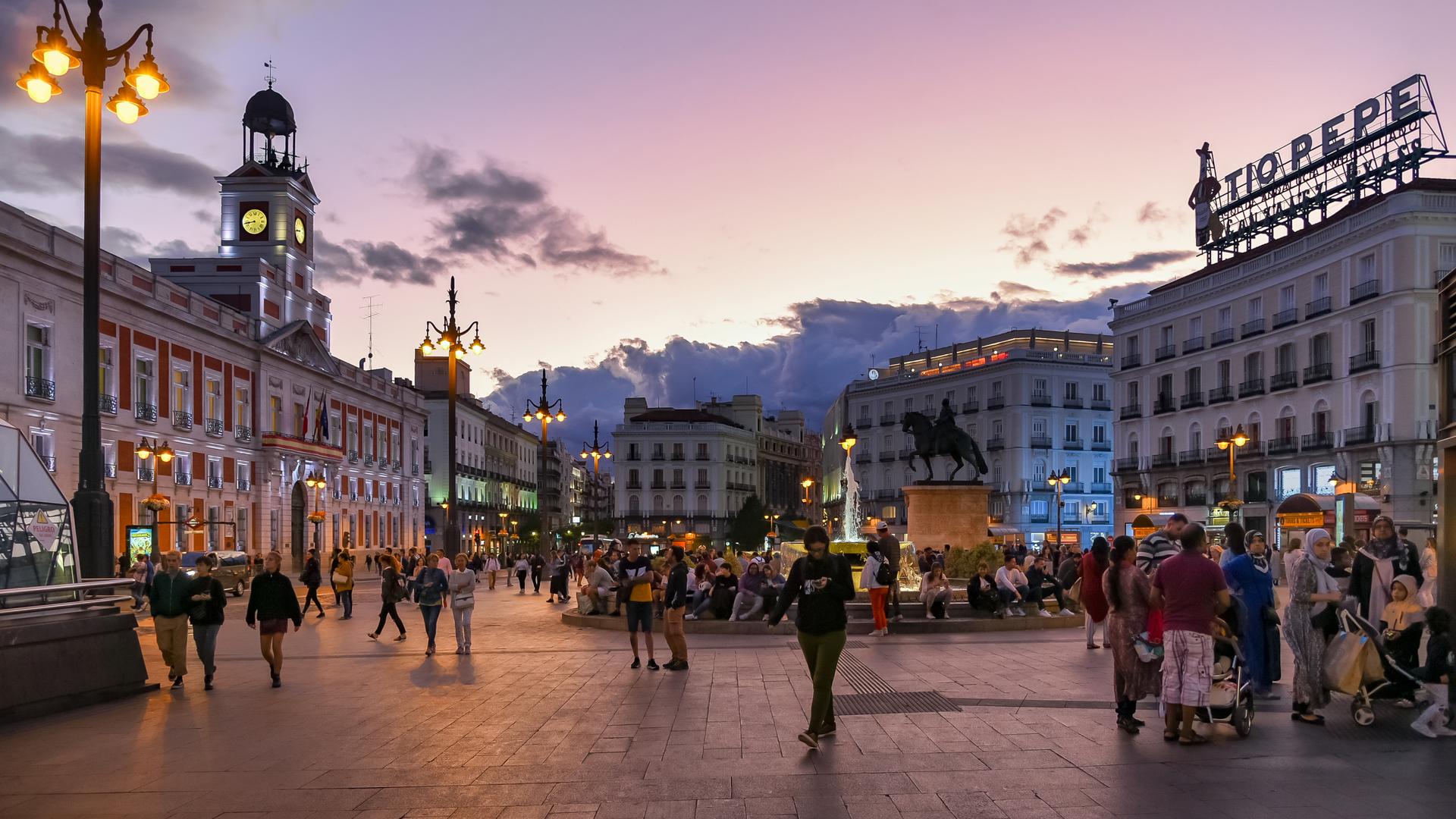
Looking beyond Catedral de la Almudena? Discover Madrid for broader travel guides, local hot-spots, and regional highlights.
Explore Madrid
16th-century noble mansion in La Latina's oldest plaza, where exposed brick patios and heraldic shields reveal Madrid's aristocratic underbelly amid tapas-lined streets.
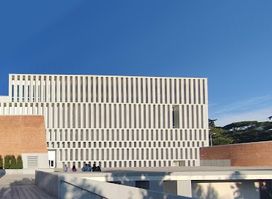
Madrid's underground vault of Bourbon masterpieces: Velázquez portraits, Goya visions, gilded carriages, and Renaissance jewels in a Moneo-designed architectural triumph beside the Royal Palace.
