

Campo del Moro, Madrid Travel Guide
Madrid's royal riverside gardens blend English romance with French formality, fountains flowing beneath the palace gaze amid swan ponds and shaded pergolas.
Tucked along the Manzanares River behind the Royal Palace, Campo del Moro unfolds as a lush 19th-century English-style garden masterpiece. Formal French parterres blend with romantic fountains, shaded pergolas, and panoramic palace views, offering a serene escape amid Madrid's urban pulse. Wander tree-lined paths past ponds alive with swans, discover hidden grottos, and soak in the elegant tranquility of this historic green haven just steps from the city center.
A brief summary to Campo del Moro
- P.º de la Virgen del Puerto, 1, Madrid, Centro, Madrid, 28013, ES
- Click to display
- Click to display
- Free
-
 Outdoor
- Mobile reception: 5 out of 5
- Monday 10 am-6 pm
- Tuesday 10 am-6 pm
- Wednesday 10 am-6 pm
- Thursday 10 am-6 pm
- Friday 10 am-6 pm
- Saturday 10 am-6 pm
- Sunday 10 am-6 pm

Know before you go
Hi, I'm Eve. Here are a few practical things to know before exploring Campo del Moro.
- Enter from Cuesta de la Vega near the Almudena Cathedral for the most dramatic approach, descending into the gardens with palace views unfolding immediately.
- Visit in late afternoon for golden light illuminating the fountains and fewer crowds, ideal for photography along the tree-shaded paths.
- Combine with Sabatini Gardens across the palace for a full royal green circuit, contrasting formal topiaries with Campo del Moro's wilder charm.
- Watch for peacocks and swans near the central pond; keep a respectful distance to observe their natural behaviors undisturbed.
Do you manage this location?
Take control to get all the benefits, like improved information, better appearance, and stronger visibility across AI-powered discovery. Learn more about listing your business on Evendo
Activate your presenceOther nearby places you may find interesting
The closest places of the same kind, if this one is not quite what you had in mind.
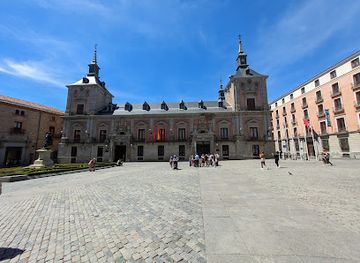
Explore Campo del Moro on the Map
A handpicked selection of must-see spots near Campo del Moro, mapped for you.
Getting There
-
Metro
Take Metro Line 2 to Opera station (10-15 min from Sol), then 10-min walk via Cuesta de la Vega; €1.50-2 single ticket.
-
Walking
From Puerta del Sol, 25-min walk west along Calle Bailén to palace area then Cuesta de la Vega; free, scenic through historic Centro.
-
Bus
Bus 25 or 39 from Plaza Mayor (15 min), stop near Puente de Segovia; €1.50, frequent service every 5-10 min.
For the on-the-go comforts that matter to you
-
 Restrooms
-
 Seating Areas
-
 Sheltered Areas
-
 Trash Bins
-
 Information Boards
Discover more about Campo del Moro
Historical Origins and Royal Legacy
Campo del Moro traces its roots to the 16th century when King Felipe II established it as a royal estate for falconry and leisure hunts. The name evokes the Moorish camp where Abu Zakariya Yahya, a 12th-century Almoravid leader, briefly besieged Madrid before defeat. Transformed in the 19th century under Queen María Cristina, it became a landscaped park inspired by English garden ideals, contrasting the geometric precision of neighboring Sabatini Gardens. Today, managed by Spain's National Heritage, it stands as a testament to evolving royal tastes in horticulture and landscape design.Garden Layout and Key Features
Spanning over 20 hectares, the gardens feature a harmonious mix of formal and naturalistic elements. At the heart lies the grand Fountain of the Tritons and Shell, a Baroque cascade imported from Aranjuez in 1899, where water jets dance amid sculpted figures. Tree-lined avenues of chestnuts, lindens, and magnolias frame manicured lawns, while pergolas draped in climbing roses and wisteria provide shaded retreats. A central pond hosts elegant swans, and winding paths lead to romantic grottos adorned with stalactites and shells. The layout culminates in sweeping vistas of the Royal Palace's eastern facade, especially striking at dusk.Flora, Fauna, and Seasonal Shifts
Over 1,500 plant species thrive here, from ancient cypresses to exotic palms and rhododendrons imported during the garden's redesign. Spring bursts with tulips, hyacinths, and cherry blossoms carpeting the parterres, while summer azaleas and hydrangeas add vibrant color. Autumn paints the foliage in golds and crimsons, and winter reveals the bare skeletons of plane trees against the palace silhouette. Wildlife includes peacocks strutting freely, ducks on the ponds, and diverse birdlife drawn to the mature canopy, creating a living tapestry that shifts with the seasons.Atmosphere and Visitor Experience
The vibe is one of refined seclusion, where the hum of central Madrid fades into birdsong and rustling leaves. Paths invite leisurely strolls, perfect for quiet contemplation or sketching the palace against the sky. Benches under gazebos offer spots to unwind, and the undulating terrain provides gentle elevation changes for subtle exploration. As a public counterpart to the private palace grounds, it balances grandeur with accessibility, drawing locals for picnics and visitors seeking respite from Plaza de Oriente's bustle.Cultural and Architectural Highlights
Beyond greenery, neoclassical pavilions like the Asunción Chapel and Prince's Pavilion add architectural intrigue, their faded elegance hinting at bygone eras. Statuary from Italian masters dots the grounds, including allegorical figures amid rose gardens. The site's proximity to the Royal Palace enhances its allure, forming part of Madrid's royal axis that links history, power, and nature in a cohesive ensemble.












Your all‑in‑one travel companion app
Explore expert travel guides, compare and book tours, experiences, hotels, and more—all from the palm of your hand. Download now for seamless trip planning wherever your wanderlust takes you.


Explore More of Madrid
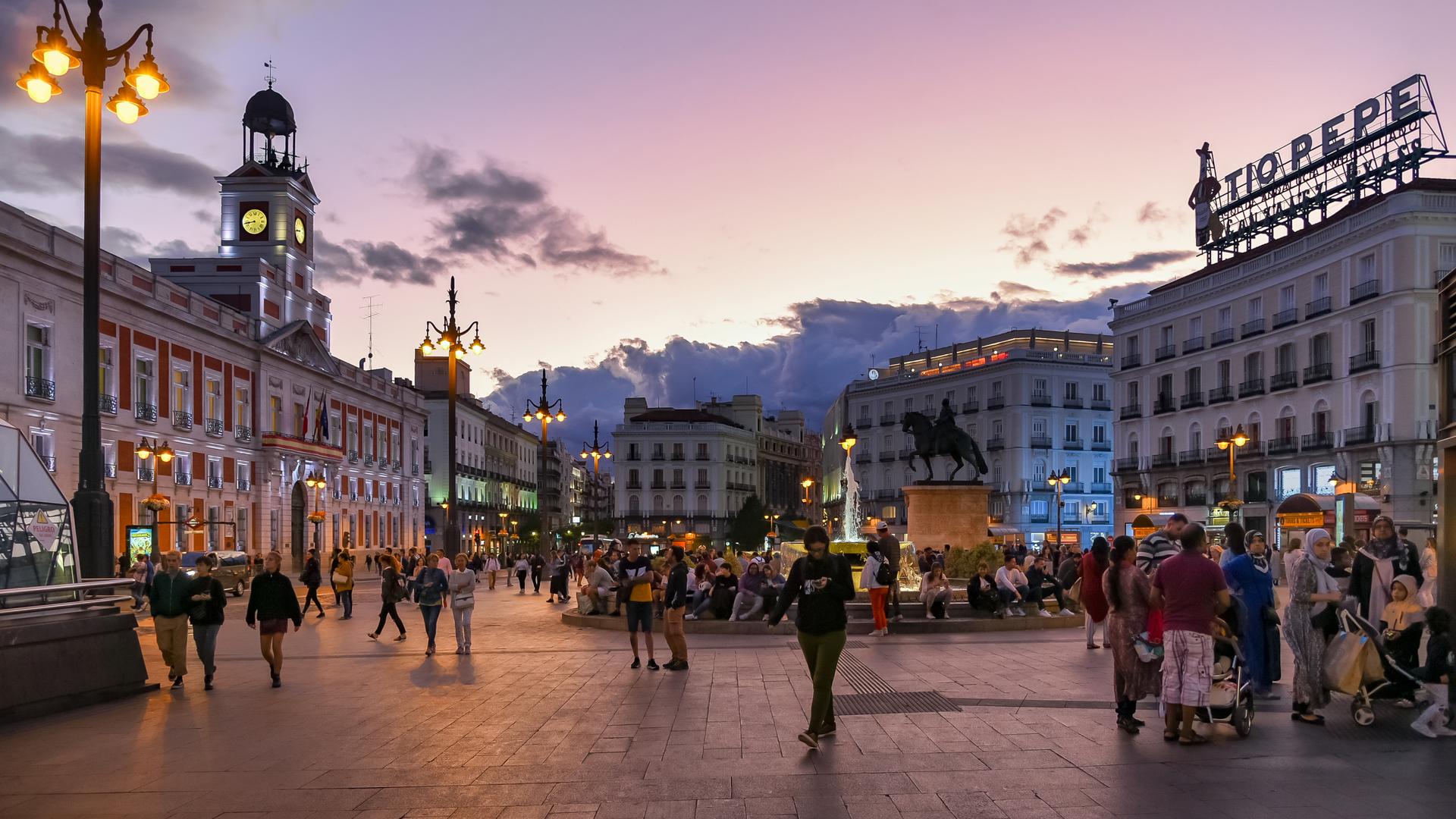
Looking beyond Campo del Moro? Discover Madrid for broader travel guides, local hot-spots, and regional highlights.
Explore Madrid