
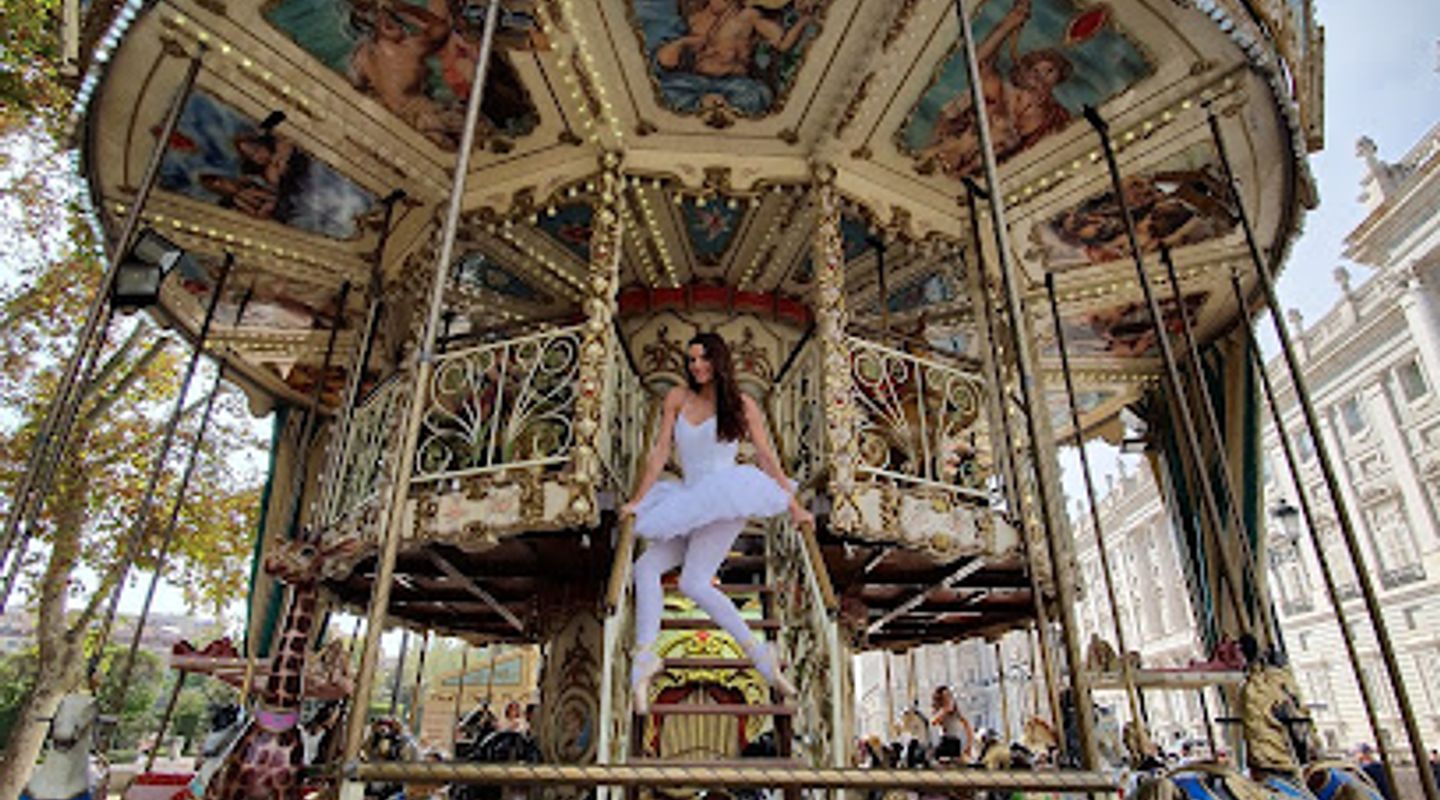
Campo del Moro, Madrid Travel Guide
Formal gardens cascading from Royal Palace with fountains, peacocks and city vistas in historic Madrid setting.
Tucked behind the Royal Palace, these lush gardens unfold in formal French style with manicured hedges, fountains, and sweeping views over Madrid. A serene escape blending Moorish echoes with neoclassical grandeur, perfect for quiet strolls amid exotic blooms and shaded paths. Discover peacocks strutting freely and hidden grottos whispering history in every corner.
A brief summary to Campo del Moro
- P.º de la Virgen del Puerto, 1, Madrid, Centro, Madrid, 28013, ES
- Click to display
- Click to display
- Budget
-
 Outdoor
- Mobile reception: 5 out of 5
- Monday 10 am-8 pm
- Tuesday 10 am-8 pm
- Wednesday 10 am-8 pm
- Thursday 10 am-8 pm
- Friday 10 am-8 pm
- Saturday 10 am-8 pm
- Sunday 10 am-8 pm

Know before you go
Hi, I'm Eve. Here are a few practical things to know before exploring Campo del Moro.
- Enter from the southern gate near Puente Isabel II for the classic uphill approach revealing the palace silhouette.
- Visit in late afternoon for cooler temps and golden light enhancing fountain photos.
- Watch for peacocks near ponds; keep distance to avoid startling them.
- Combine with palace visit via connecting paths for efficient sightseeing.
Do you manage this location?
Take control to get all the benefits, like improved information, better appearance, and stronger visibility across AI-powered discovery. Learn more about listing your business on Evendo
Activate your presenceOther nearby places you may find interesting
The closest places of the same kind, if this one is not quite what you had in mind.



Explore Campo del Moro on the Map
A handpicked selection of must-see spots near Campo del Moro, mapped for you.
Unlock the Best of Campo del Moro
Buy tickets
-
No tickets available
Book tours with entry


Getting There
-
Walking
15-20 minute downhill stroll from La Latina center through streets to southern entrance; free, direct paths.
-
Metro
One stop on Metro Line 10 or 12 from La Latina station to Príncipe Pío, then 10-minute walk; €1.50-2 ticket.
-
Bus
Frequent EMT buses from La Latina plaza to nearby stops; 10-15 minutes, €1.50 single fare.
-
Taxi
5-10 minute ride from La Latina center; €5-8 depending on traffic.
For the on-the-go comforts that matter to you
-
 Restrooms
-
 Drink Options
-
 Food Options
-
 Seating Areas
-
 Sheltered Areas
-
 Trash Bins
Discover more about Campo del Moro
Historical Origins
Originally laid out in the 16th century as private hunting grounds for Spanish royalty, Campo del Moro evolved dramatically under Alfonso XII in the late 19th century. Inspired by Versailles, French landscape architect Jean-Claude Nicolas Forestier redesigned it with geometric parterres, grand avenues, and cascading fountains. Its name nods to the Moorish camp established here during the 1109 siege of Madrid by Alfonso VI, when Muslim forces briefly held the hilltop fortress that preceded the palace. Traces of that era linger in the site's layered history, bridging Islamic and European influences.Garden Layout and Features
Spanning 20 hectares behind the Palacio Real, the gardens descend in terraces from the palace facade. Central is the grand avenue lined with century-old lindens and chestnuts, flanked by symmetrical flowerbeds bursting with roses, irises, and seasonal blooms. Key highlights include the Fountain of the Shell, a Baroque masterpiece with tritons spouting water, and the Grotto of Pan, a rocky alcove evoking ancient myths. Exotic trees like cedars from the Atlas Mountains and Himalayan cypresses tower overhead, while ponds teeming with koi reflect the sky. Peacocks roam freely, their cries punctuating the calm.Architectural Highlights
Neoclassical pavilions dot the landscape, including the Asunción Chapel with its ornate dome and the Prince's Pavilion, once a royal retreat. The Cybele Fountain anchors the northern edge, its chariot goddess symbolizing abundance. Winding paths reveal hidden statues of gods and heroes, crafted by top sculptors of the era. The design masterfully layers open vistas with intimate nooks, offering panoramic city views from upper terraces while shielding visitors from urban bustle below.Atmosphere and Seasonal Shifts
Daylight reveals a tranquil haven where sunlight filters through foliage, casting dappled patterns on gravel paths. Evenings bring a magical hush, with lamps illuminating fountains' misty sprays. Spring unleashes tulip carpets and cherry blossoms; summer's heat tempers under pergolas heavy with wisteria. Autumn paints leaves in gold and crimson, while winter's bare branches frame the palace like a etching. Birdsong and water's murmur create a symphony, drawing those seeking respite from Madrid's energy.Cultural Significance
As part of the Patrimonio Nacional, Campo del Moro preserves Spain's monarchical legacy, hosting occasional concerts and exhibitions. It embodies the 19th-century romanticism of public gardens as democratic spaces, once exclusive to nobility. Today, it stands as a testament to landscape artistry, where every vista tells of empires clashing and flourishing. Visitors leave with a deeper sense of Madrid's regal past woven into its green present.












Your all‑in‑one travel companion app
Explore expert travel guides, compare and book tours, experiences, hotels, and more—all from the palm of your hand. Download now for seamless trip planning wherever your wanderlust takes you.


Explore More of Madrid
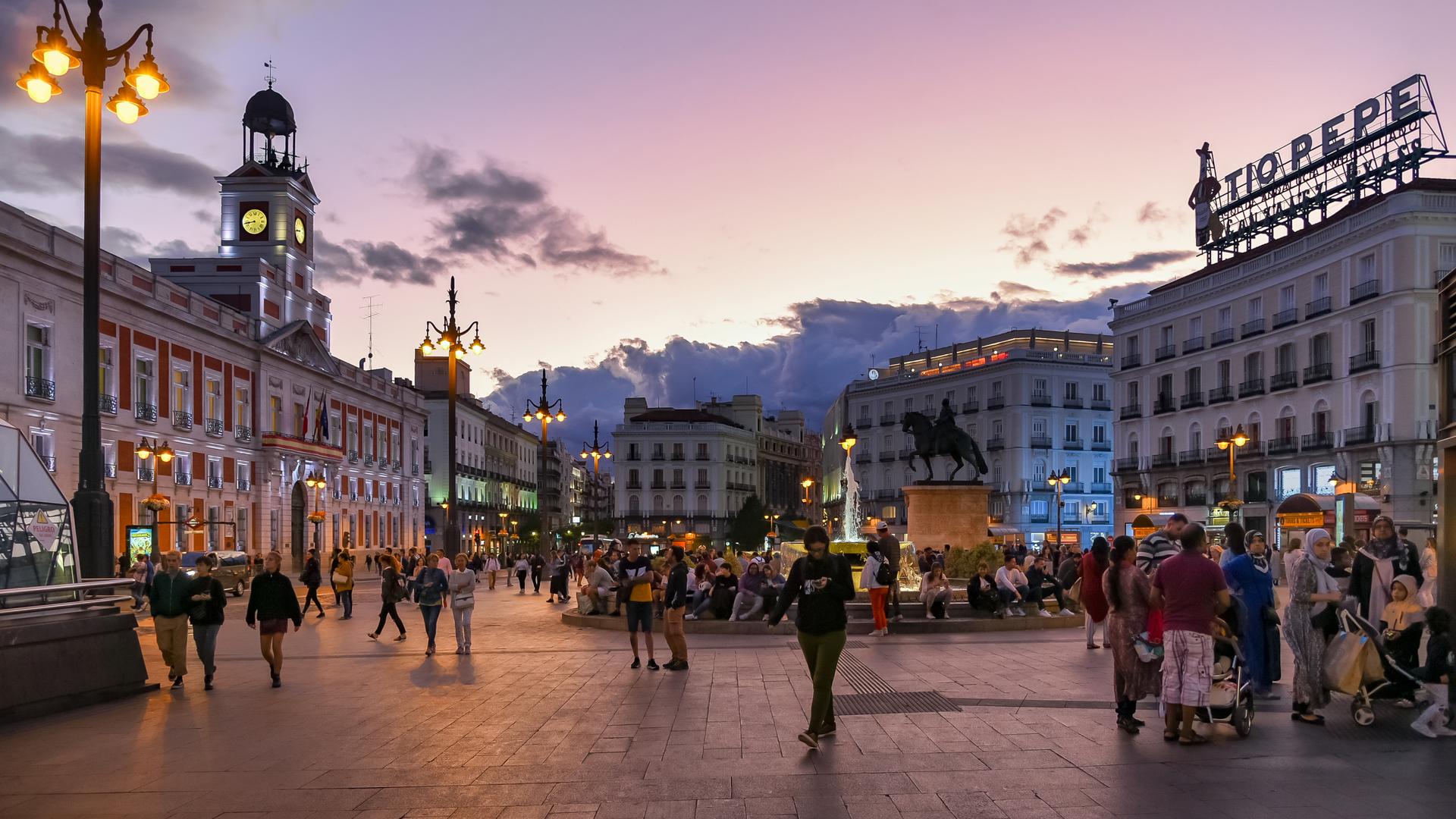
Looking beyond Campo del Moro? Discover Madrid for broader travel guides, local hot-spots, and regional highlights.
Explore Madrid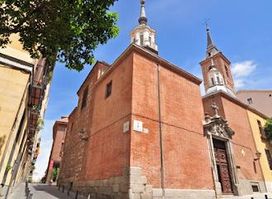
Madrid's Mudéjar masterpiece: 12th-century arches, fortress-like tower and saintly frescoes blend Islamic craft with Catholic legacy in Centro's lively plaza.
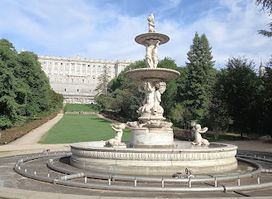
Experience the enchanting Fuente de las Conchas in Madrid, a historical landmark blending art and nature in a tranquil setting.
