
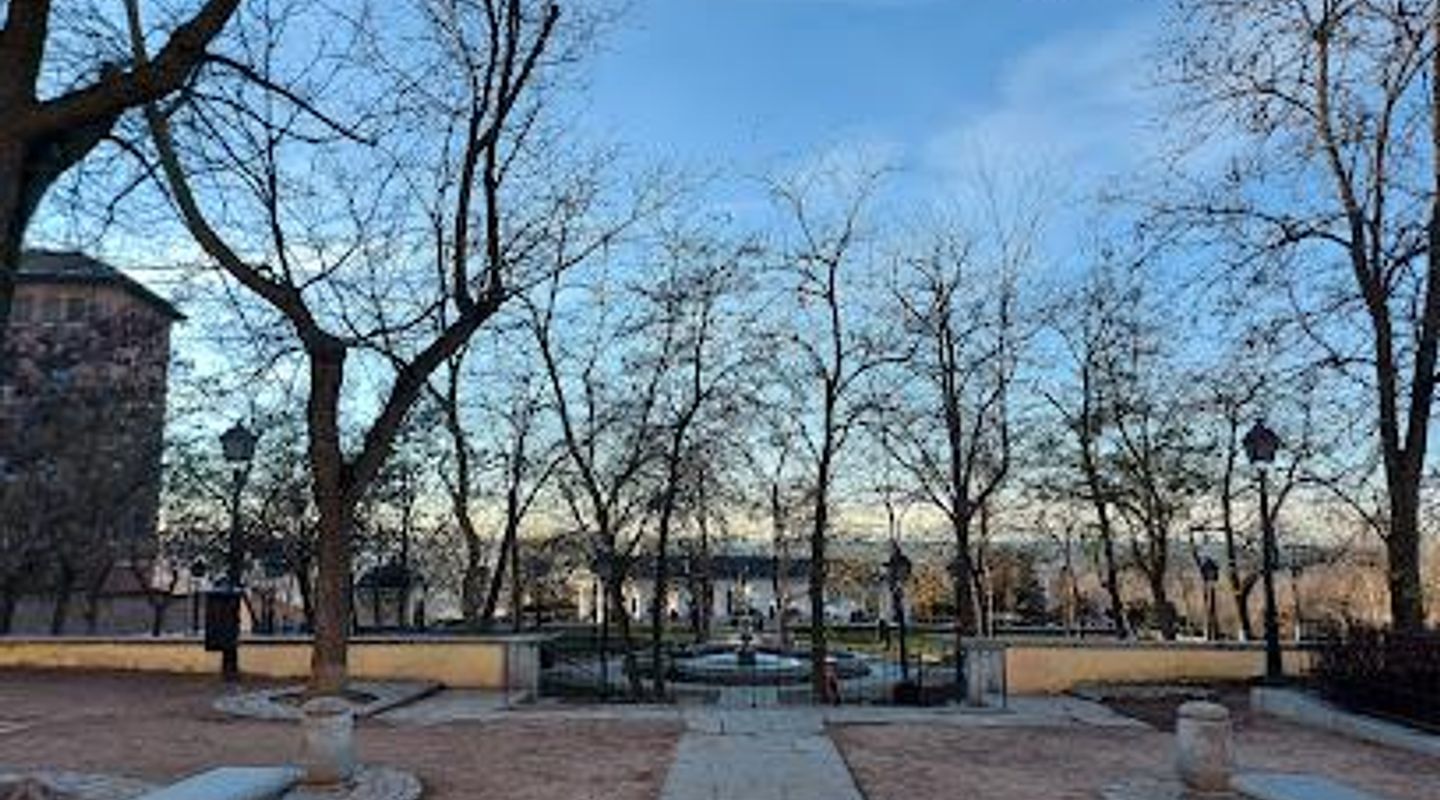
Las Vistillas Garden, Madrid Travel Guide
Terraced gardens crown La Latina with cathedral panoramas, fountains, and shaded lawns where Madrid's skyline meets blooming hilltop serenity.
Perched above La Latina, Jardín de las Vistillas offers sweeping views of Almudena Cathedral and the Royal Palace from terraced gardens bursting with flowers. This hidden hillside park blends manicured lawns, mature trees, and playful fountains, creating a serene escape amid Madrid's vibrant Centro district. Locals picnic here while tourists capture postcard panoramas, especially at sunset when the city glows golden. Steps lead to scenic belvederes perfect for unwinding with a drink from nearby bars, making it an essential stop for anyone exploring historic Madrid.
A brief summary to Las Vistillas Garden
- Jardín de las Vistillas, Pl. de Gabriel Miró, 2, Madrid, Centro, Madrid, 28005, ES
- Click to display
- Free
-
 Outdoor
- Mobile reception: 5 out of 5

Know before you go
Hi, I'm Eve. Here are a few practical things to know before exploring Las Vistillas Garden.
- Visit at sunset for golden light over Almudena Cathedral; arrive early on weekends to claim prime bench spots.
- Bring a picnic and blanket—the grassy terraces are perfect for casual meals with palace views.
- Combine with a La Latina tapas crawl; the garden's steps double as evening gathering points.
- Spring cherry blossoms frame epic photos; avoid midday summer heat by coming morning or evening.
Do you manage this location?
Take control to get all the benefits, like improved information, better appearance, and stronger visibility across AI-powered discovery. Learn more about listing your business on Evendo
Activate your presenceOther nearby places you may find interesting
The closest places of the same kind, if this one is not quite what you had in mind.
Explore Las Vistillas Garden on the Map
A handpicked selection of must-see spots near Las Vistillas Garden, mapped for you.
Getting There
-
Metro
Take Metro Line 5 to La Latina station (10-15 min from Sol), then 5-min uphill walk; €1.50-2 one-way.
-
Walking
From Puerta del Sol or Plaza Mayor, 20-25 min stroll via La Latina streets; free, scenic through historic Centro.
-
Bus
Bus lines 3 or 17 from center (e.g., Sol) drop nearby; 10-15 min ride, €1.50, frequent service.
For the on-the-go comforts that matter to you
-
 Restrooms
-
 Drinking Water
-
 Seating Areas
-
 Picnic Areas
-
 Trash Bins
Discover more about Las Vistillas Garden
Historical Roots and Creation
Jardín de las Vistillas emerged in the mid-20th century as part of Madrid's urban renewal efforts in the La Latina neighborhood. Originally part of the sloping terrain near the Guardia Civil barracks, the site was transformed into terraced gardens during the 1930s and expanded post-Spanish Civil War. Designed to provide green space in the densely packed Centro district, it draws inspiration from traditional Spanish huertas, or vegetable gardens, with stone walls and cascading levels that echo the city's layered history. The name 'Vistillas,' meaning little views, perfectly captures its purpose: offering elevated perspectives over Madrid's iconic landmarks.Layout and Key Features
The garden spans several terraced levels connected by wide staircases and winding paths, covering about 20,000 square meters. At the top, expansive lawns shaded by plane trees and palms invite relaxation, while flowerbeds overflow with seasonal blooms like roses, lavender, and jasmine, their scents mingling with pine from adjacent trees. Central fountains bubble softly, surrounded by benches ideal for reading or conversation. Lower levels feature playgrounds with swings and slides for children, plus a small kiosk area where visitors often enjoy takeaway coffee. Stone balustrades line the edges, framing unobstructed views that stretch from the dome of Almudena Cathedral to the turrets of the Royal Palace and beyond to the Sierra de Guadarrama mountains on clear days.Panoramic Vistas and Photography Appeal
What sets Jardín de las Vistillas apart are its multiple belvederes, each offering a unique angle on Madrid's skyline. The main viewpoint overlooks the cathedral's white facade and twin towers, providing a dramatic foreground for sunset photos as the sun dips behind the palace. In spring, cherry blossoms frame these scenes, while autumn brings golden foliage. The elevated position catches breezes that cool the summer heat, and at night, the garden's subtle lighting casts a magical glow over the illuminated monuments below. Photographers flock here for compositions that capture the blend of Baroque architecture and modern city life.Atmosphere and Local Life
The vibe shifts with the time of day: mornings bring joggers and dog walkers enjoying quiet paths, while afternoons fill with families picnicking on the grass. Evenings transform it into a social hub, with groups gathering on steps for impromptu gatherings, guitars strumming flamenco tunes, and laughter echoing as locals share bottles of vermouth from nearby tabernas. Though in the heart of touristy La Latina, it retains an authentic neighborhood feel, free from commercial intrusion. The soundtrack mixes birdsong, distant church bells, and the hum of the city below, fostering a peaceful yet lively atmosphere.Integration with Madrid's Centro
Perfectly positioned between La Latina and La Morería, the garden serves as a green bridge linking historic sites. It overlooks the cathedral's rear, offering a less crowded alternative to ground-level visits, and peers toward the Palacio Real across the viaduct. Nearby, the vibrant streets of La Latina pulse with tapas bars and markets, making it easy to combine a garden stroll with culinary exploration. This strategic location enhances its role as a respite point during walks through Madrid's foundational quarters, where Moorish, medieval, and Renaissance layers intertwine.Seasonal Charms and Visitor Expectations
Spring explodes in color with tulips and wisteria draping pergolas, ideal for romantic outings. Summer evenings draw crowds escaping the heat for al fresco chats, while winter provides crisp air and misty views. Expect terraced tranquility with bursts of activity—children playing, elders chatting, photographers angling for the perfect shot. Visitors leave refreshed, having savored Madrid from an insider's perch, with memories of cathedral silhouettes against vibrant skies.












Your all‑in‑one travel companion app
Explore expert travel guides, compare and book tours, experiences, hotels, and more—all from the palm of your hand. Download now for seamless trip planning wherever your wanderlust takes you.


Explore More of Madrid
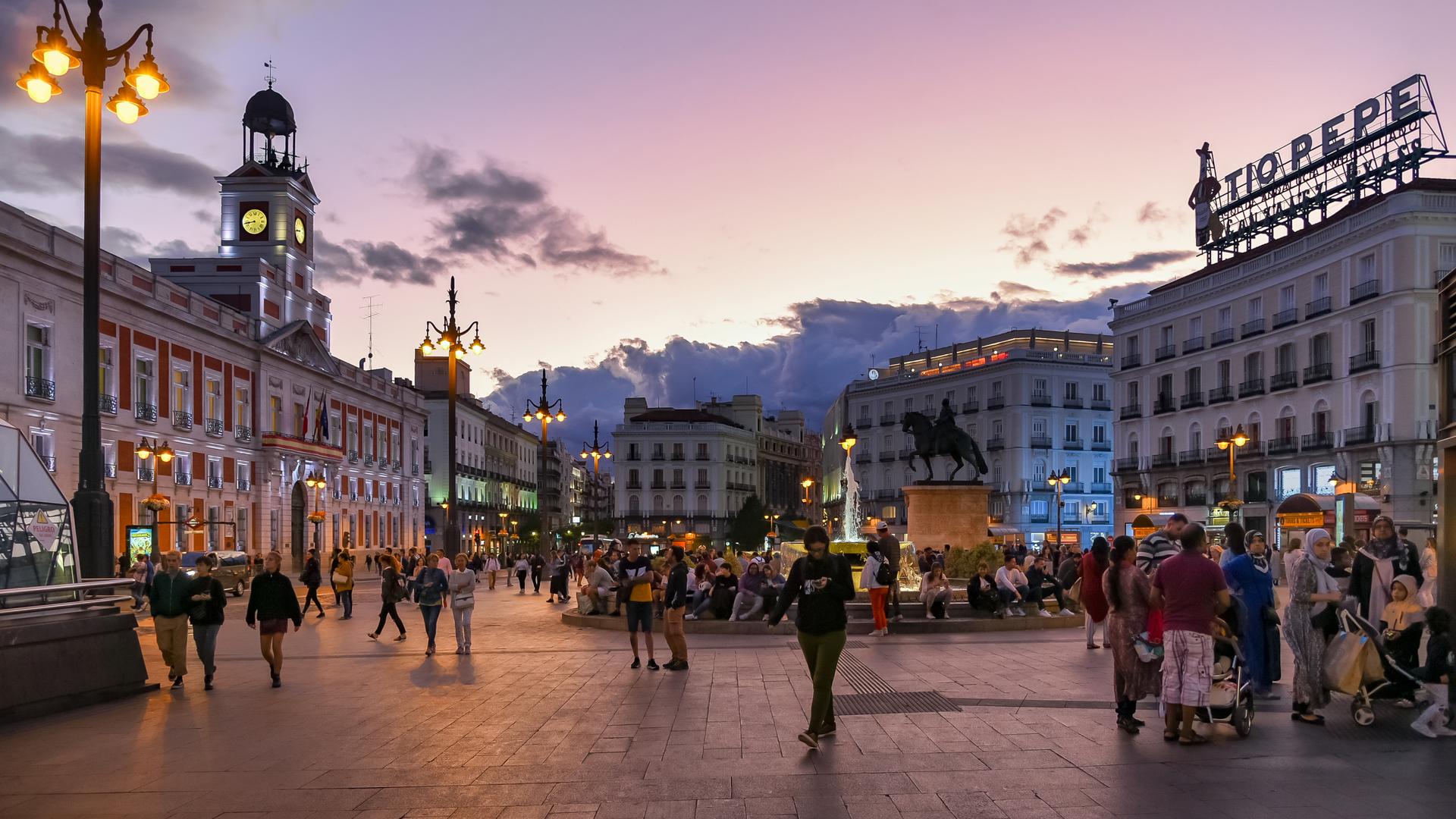
Looking beyond Las Vistillas Garden? Discover Madrid for broader travel guides, local hot-spots, and regional highlights.
Explore Madrid
Medieval stone remnants on La Latina's cobbled streets trace Madrid's 12th-century reconquest, blending ancient fortification with tapas district energy.

Madrid's original flamenco tablao fuses 17th-century heritage with live duende and fine Spanish dining in La Latina's vibrant Moorish quarter.
