Palacio de Cristal, Madrid Travel Guide
Madrid's glass-wrought iron palace where Retiro's lake mirrors contemporary sculptures amid 19th-century arches, blending park serenity with rotating art exhibits.
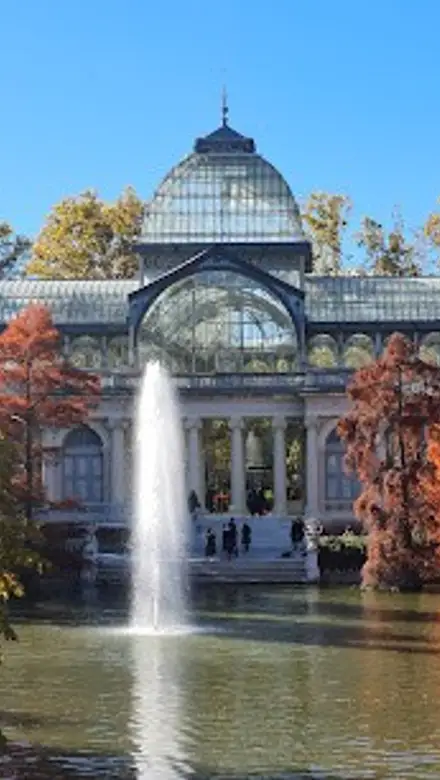
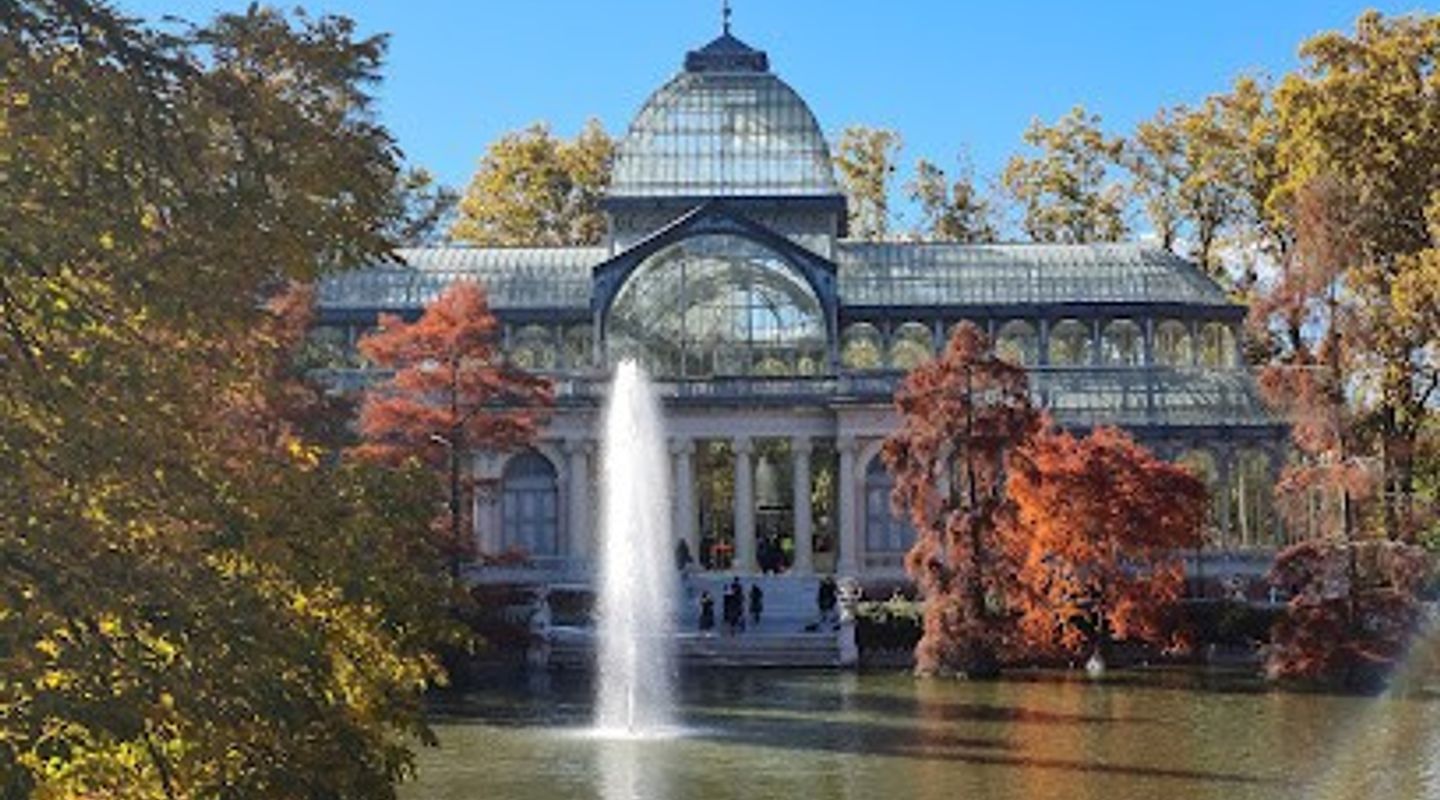
An exquisite 19th-century glass palace nestled in Madrid's Retiro Park, where iron filigree frames vast arched vaults enclosing lush gardens and rotating contemporary art exhibitions. Free entry draws crowds to this architectural marvel blending nature and sculpture in harmonious light-filled spaces.
A brief summary to Palacio de Cristal
- P.º de Cuba, 4, Madrid, Retiro, Madrid, 28009, ES
- Click to display
- Click to display
- Free
-
 Mixed
Mixed
- Mobile reception: 5 out of 5

Know before you go
Hi, I'm Eve. Here are a few practical things to know before exploring Palacio de Cristal.
- Visit early morning or late afternoon to avoid peak crowds and enjoy optimal lighting through the glass structure.
- Combine with a rowboat ride on the adjacent lake for a full sensory experience of the palace's reflections.
- Check Reina Sofía's site for current exhibitions, as displays change and influence the interior atmosphere.
- Wear comfortable shoes for park paths; the palace integrates seamlessly with surrounding trails.
Do you manage this location?
Take control to get all the benefits, like improved information, better appearance, and stronger visibility across AI-powered discovery. Learn more about listing your business on Evendo
Activate your presenceOther nearby places you may find interesting
The closest places of the same kind, if this one is not quite what you had in mind.
Explore Palacio de Cristal on the Map
A handpicked selection of must-see spots near Palacio de Cristal, mapped for you.
Unlock the Best of Palacio de Cristal
Buy tickets
-
No tickets available
Book tours with entry


Getting There
-
Metro
Take line 2 to Retiro station (15 min from Sol), then 10-min walk through park; €1.50-2 single ticket.
-
Bus
Lines 15 or C2 from Atocha or center (20 min), stop near park entrance; €1.50 fare, frequent service.
-
Walking
From Puerta del Sol, 30-min stroll via Calle de Alcalá into Retiro; free, scenic urban park route.
-
Bicycle
BiciMAD stations citywide to park docks (10-20 min); €1 unlock + €0.05/min, flat paths ideal.
For the on-the-go comforts that matter to you
-
 Restrooms
-
 Seating Areas
-
 Sheltered Areas
-
 Trash Bins
-
 Information Boards
Discover more about Palacio de Cristal
Architectural Marvel in Retiro Park
The Palacio de Cristal stands as a testament to 19th-century engineering ingenuity within Madrid's expansive Retiro Park. Constructed between 1885 and 1887 by architect Ricardo Velázquez Bosco in collaboration with engineer Alberto de Palacio Elola, this structure draws inspiration from London's Crystal Palace. Its design features a delicate iron skeleton supporting expansive glass panels that create an illusion of weightlessness, allowing natural light to flood the interior year-round. Positioned on the park's Paseo de Cuba, the palace originally served as a functional exhibition space for the Exposición Filipina in 1887, showcasing flora and fauna from the Philippines.Contemporary Art Showcase
Today, the Palacio de Cristal functions as an extension of the Museo Reina Sofía, hosting temporary exhibitions of modern and contemporary art. Rotating installations often integrate with the architecture and surrounding environment, transforming the space into a dynamic canvas. Large-scale sculptures and immersive works frequently occupy the central nave, where visitors encounter pieces that dialogue directly with the glass walls and verdant backdrop. The museum's curation emphasizes Spanish and international artists, maintaining the palace's role as a bridge between historical architecture and cutting-edge creativity.Integration with Nature
Surrounding the palace is a manicured lake teeming with waterfowl, framed by weeping willows and manicured lawns. This aquatic setting enhances the building's ethereal quality, reflecting its form in rippling waters and creating mirrored vistas from every angle. Seasonal changes dramatically alter the experience: spring blooms frame the structure in vibrant greens, while autumn foliage casts golden hues through the glass. The interplay of interior and exterior spaces invites contemplation, with pathways leading from the park's rowboat pond directly to the entrance.Historical Significance
As part of Retiro Park, once the private grounds of Spanish royalty in the 17th century, the palace embodies Madrid's transition from monarchical retreat to public green space. Opened to the public in the late 19th century, it has witnessed diverse uses, from industrial expositions to cultural events. Its survival through wars and urban development underscores its enduring value as a protected cultural asset, recognized for its innovative use of prefabricated materials during an era of rapid industrialization.Visitor Experience and Atmosphere
Stepping inside reveals a serene yet vibrant atmosphere, where the gentle hum of conversations mingles with birdsong filtering through open vents. Sunlight shifts across floors throughout the day, animating artworks and casting elongated shadows on marble bases. The vast scale accommodates crowds without feeling cramped, though peak times bring a lively buzz. Photography thrives here, capturing the symbiosis of structure, art, and nature that defines the site's unique appeal. Free access democratizes this cultural gem, making it a staple for both locals and travelers seeking architectural poetry amid urban greenery.Cultural Context in Madrid
In the Retiro district, the Palacio de Cristal complements nearby icons like the Puerta de Alcalá and the Prado Museum, forming a cluster of neoclassical and modern attractions. Its proximity to the Reina Sofía solidifies its place in Madrid's art triangle, offering a lighter, more open-air counterpoint to traditional galleries. Events occasionally spill into the park, enhancing the palace's role as a living venue for cultural exchange.












Your all‑in‑one travel companion app
Explore expert travel guides, compare and book tours, experiences, hotels, and more—all from the palm of your hand. Download now for seamless trip planning wherever your wanderlust takes you.


Explore More of Madrid
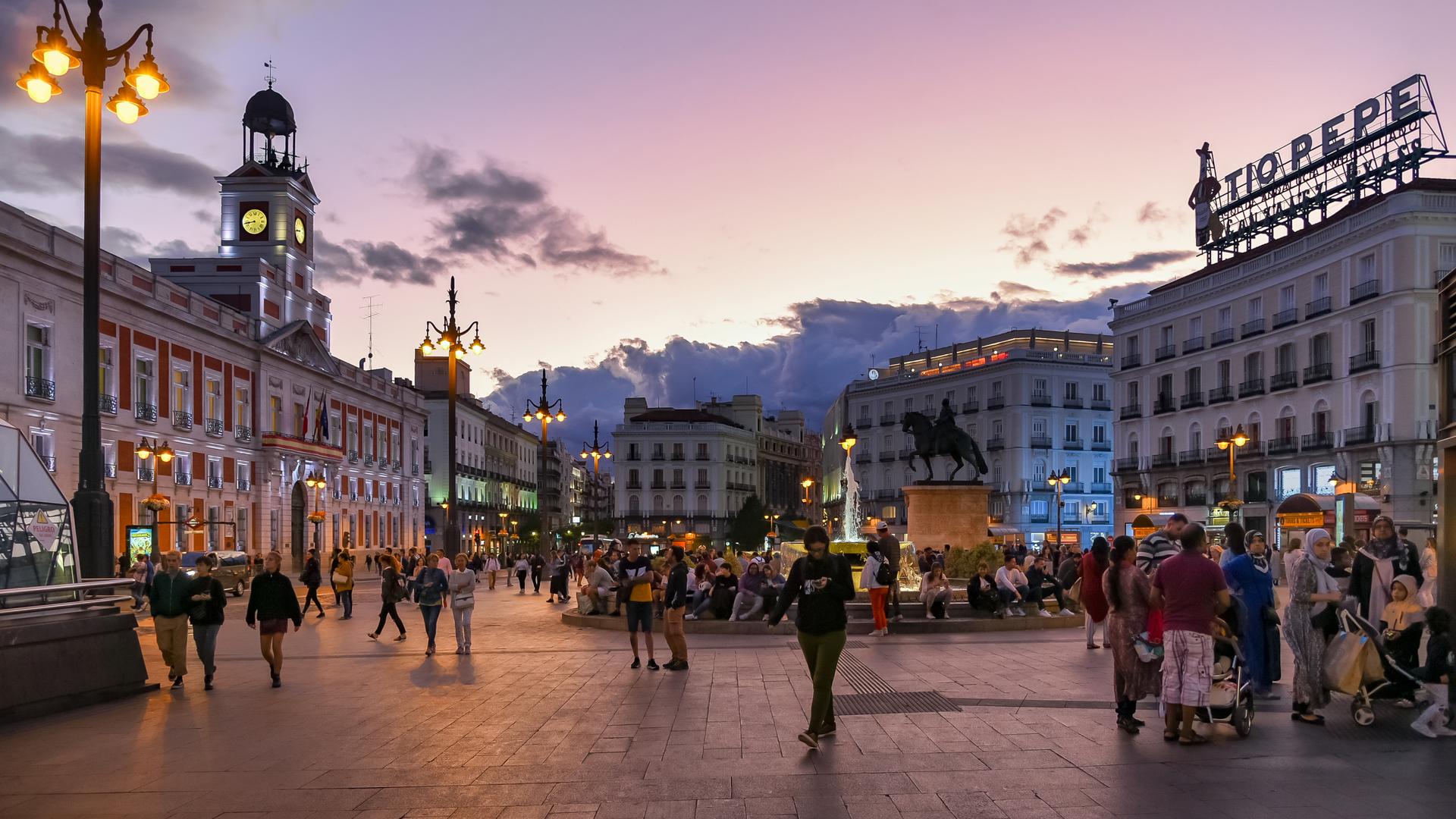
Looking beyond Palacio de Cristal? Discover Madrid for broader travel guides, local hot-spots, and regional highlights.
Explore Madrid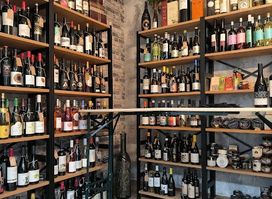
Revived 1940s market hall in Retiro hosts Madrid's boldest art shows, live theater, and workshops under iron arches, fueling neighborhood creativity daily.
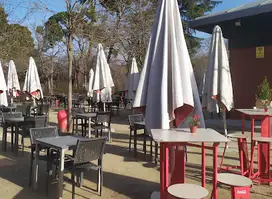
Retiro's terrace bar with sweeping park panoramas, crisp beers and savory bites under Madrid's leafy canopy—prime for sunset toasts amid rose-scented breezes.