

Velázquez Palace, Madrid Travel Guide
Neoclassical palace in El Retiro Park exhibiting centuries of European and Asian decorative arts, from Renaissance tapestries to Ming ceramics in iron-framed halls.
Nestled within Madrid's lush El Retiro Park, the Velázquez Palace stands as a neoclassical jewel housing the National Museum of Decorative Arts. Its elegant facade and opulent interiors showcase exquisite collections of ceramics, glassware, furniture, and textiles from across Europe and Asia, offering a captivating journey through centuries of artistic craftsmanship and royal patronage.
A brief summary to Velázquez Palace
- El Retiro Park, P.º de Venezuela, 2, Madrid, Retiro, Madrid, 28001, ES
- Click to display
- Click to display
- Budget
-
 Indoor
- Mobile reception: 5 out of 5

Know before you go
Hi, I'm Eve. Here are a few practical things to know before exploring Velázquez Palace.
- Combine your visit with a stroll through El Retiro Park to appreciate the palace's integration with its landscaped surroundings.
- Focus on the Spanish ceramics collection for insights into local artistic traditions influenced by Moorish techniques.
- Visit on weekdays to avoid weekend crowds drawn by the park's popularity.
- Look for temporary exhibits on furniture design, which often reveal hidden stories of royal patronage.
Do you manage this location?
Take control to get all the benefits, like improved information, better appearance, and stronger visibility across AI-powered discovery. Learn more about listing your business on Evendo
Activate your presenceOther nearby places you may find interesting
The closest places of the same kind, if this one is not quite what you had in mind.
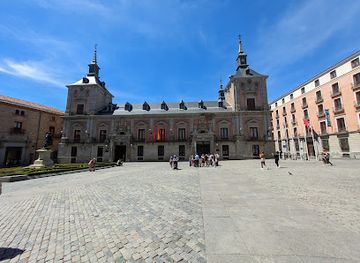
Explore Velázquez Palace on the Map
A handpicked selection of must-see spots near Velázquez Palace, mapped for you.
Getting There
-
Metro
Take Metro Line 2 to Retiro station (15 min from Sol, €1.50-2), then 10-min walk through park paths.
-
Bus
Bus lines 203 or C2 from Atocha (20 min, €1.50), direct drop-off near park entrance.
-
Walking
From Puerta del Sol, 30-min walk southeast via Calle de Alcalá into El Retiro Park.
-
Bicycle
Rent city bikes (BiciMAD, €2/30min) from central stations, 15-min ride to park's southern edge.
For the on-the-go comforts that matter to you
-
 Restrooms
-
 Seating Areas
-
 Information Boards
Discover more about Velázquez Palace
Historical Foundations
Built in the mid-19th century during the reign of Isabella II, the Velázquez Palace—originally known as the Palacio de Velázquez—represents a pinnacle of neoclassical architecture in Madrid. Designed by architect Ricardo Velázquez Bosco, who also crafted the nearby Crystal Palace, it was constructed for the 1887 Mining Exhibition to display industrial innovations and artistic works. Its iron-and-glass structure, inspired by London's Crystal Palace, blended modern engineering with classical aesthetics, symbolizing Spain's industrial ambitions amid rapid modernization. Over time, it transitioned from exhibition hall to cultural venue, eventually becoming part of the National Museum of Decorative Arts in 1927, preserving its role as a showcase for refined artistry.Architectural Splendor
The palace's exterior features a symmetrical facade of stone and brick, with grand arched windows and a pedimented entrance that exudes grandeur. Inside, vast halls with soaring ceilings and intricate ironwork frame the exhibits, while natural light floods through expansive glass panels, highlighting the delicate textures of displayed objects. The building's location on Paseo de Venezuela provides sweeping views of El Retiro Park's greenery, integrating urban elegance with natural serenity. This harmonious design creates an atmosphere of timeless sophistication, where visitors feel immersed in both architectural history and artistic legacy.Artistic Collections
The museum's permanent collection spans decorative arts from the Middle Ages to the 20th century, featuring Spanish lusterware ceramics, French porcelain, Italian majolica, and English silver. Highlights include 18th-century lacquered furniture from the Far East, Gothic ivory carvings, and Renaissance tapestries that tell stories of mythology and nobility. Rotating exhibitions often explore themes like Orientalism in European design or the evolution of tableware, drawing connections between everyday objects and high art. Each piece reflects the cultural exchanges along trade routes, from Ming dynasty vases to Viennese glass, offering insights into the tastes of European aristocracy.Cultural Significance
As a cornerstone of Madrid's Retiro cultural axis—alongside the Prado Museum—Velázquez Palace enriches the city's reputation as a hub for fine and applied arts. It hosted early modernist events, including Picasso exhibitions in the 20th century, bridging traditional crafts with avant-garde movements. Today, it attracts art enthusiasts seeking a quieter alternative to grander institutions, fostering appreciation for the unsung heroes of design: the artisans whose works adorned royal courts and bourgeois homes alike.Visitor Experience
Wandering the palace evokes a sense of stepping into a bygone era of opulence, with rooms arranged to mimic period interiors—dining salons laden with crystal and silver, boudoirs draped in silk. The park setting invites leisurely approaches, blending indoor refinement with outdoor repose. Expect detailed labels contextualizing each artifact's provenance, from Spanish royal commissions to colonial imports, making the visit intellectually rewarding and visually sumptuous.












Your all‑in‑one travel companion app
Explore expert travel guides, compare and book tours, experiences, hotels, and more—all from the palm of your hand. Download now for seamless trip planning wherever your wanderlust takes you.


Explore More of Madrid
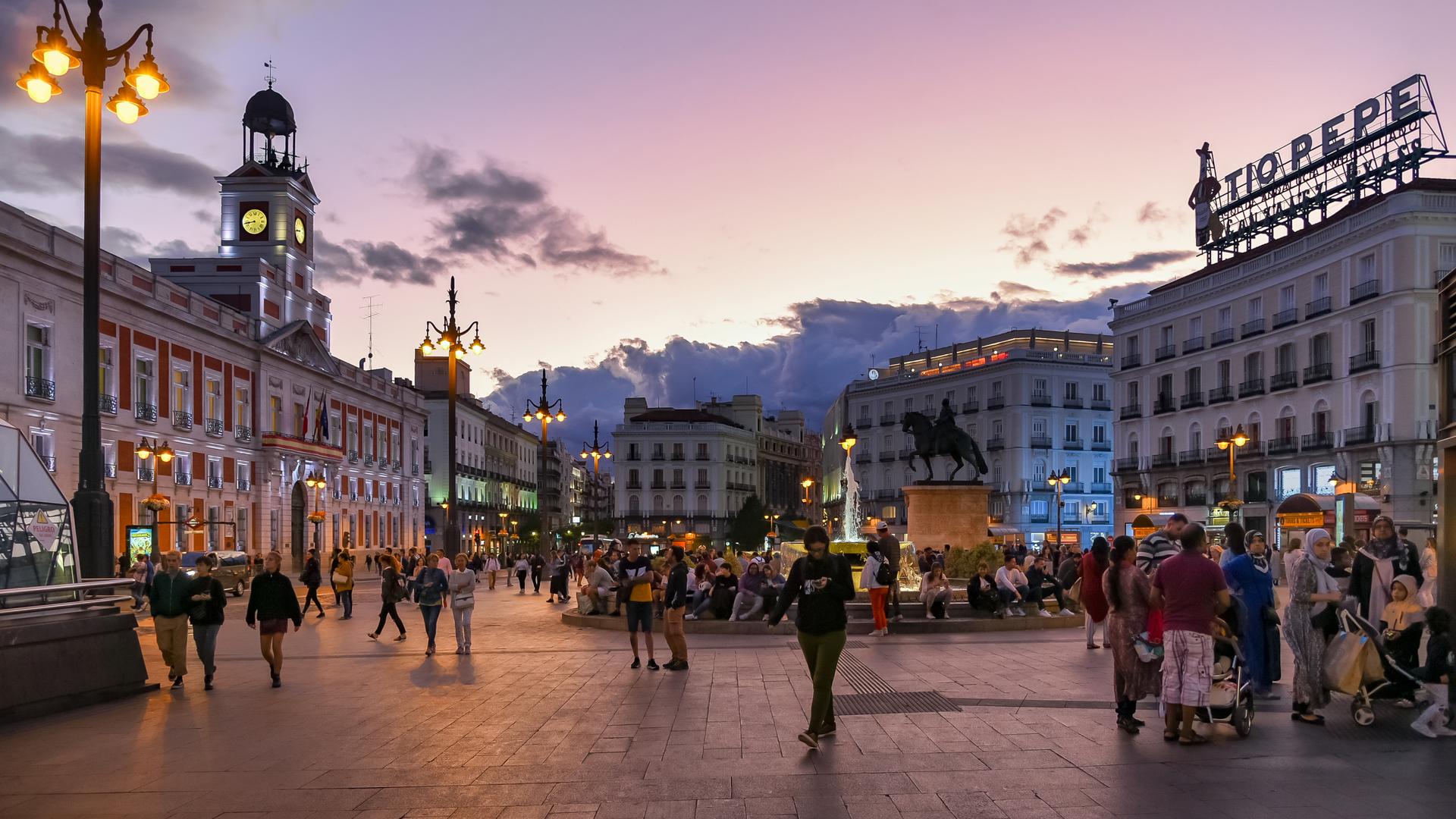
Looking beyond Velázquez Palace? Discover Madrid for broader travel guides, local hot-spots, and regional highlights.
Explore Madrid