Basílica de El Escorial, Madrid Community Travel Guide
Explore the Basilica de El Escorial, a UNESCO World Heritage site, where stunning architecture meets rich Spanish history in a tranquil setting.
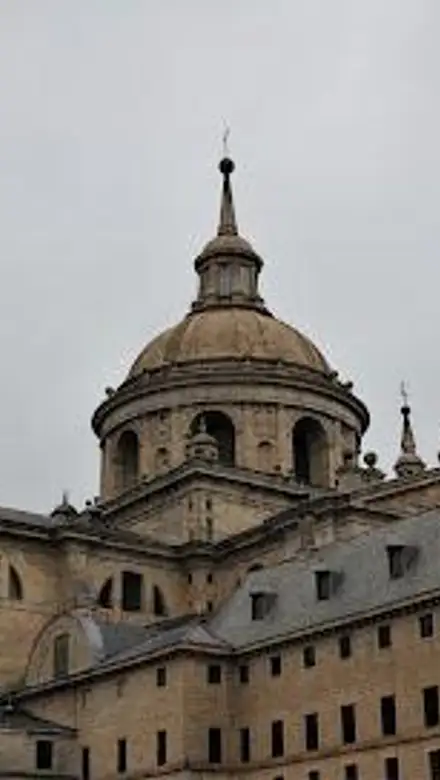
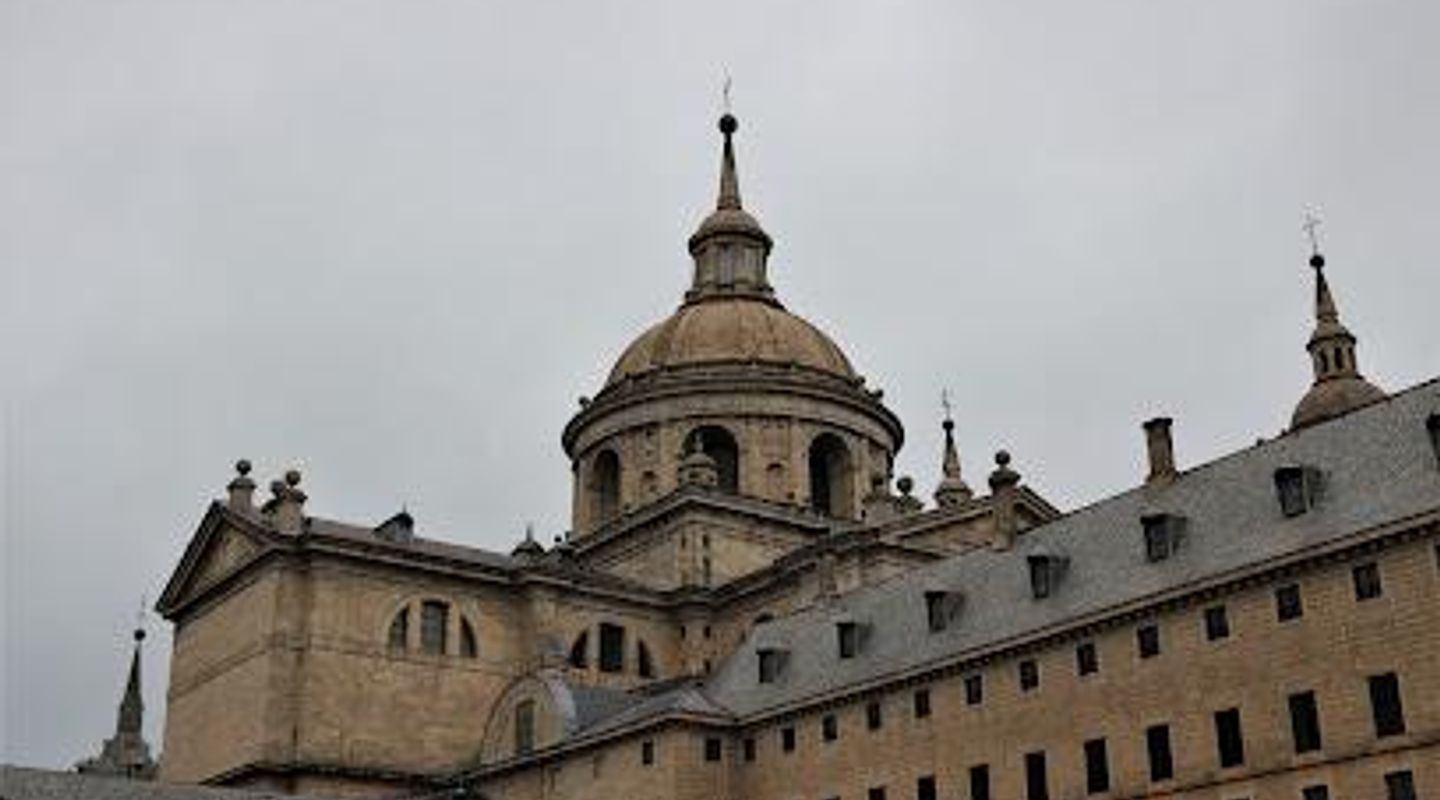
Nestled in the serene town of San Lorenzo de El Escorial, the Basilica de El Escorial stands as a stunning testament to Spain's rich religious and cultural history. This magnificent structure is not only a place of worship but also a UNESCO World Heritage site, drawing tourists from around the globe who come to admire its intricate architecture, beautiful artworks, and tranquil surroundings.
A brief summary to Basílica de El Escorial
- C/ Floridablanca, 12, San Lorenzo de El Escorial, Madrid, 28200, ES

Know before you go
Hi, I'm Eve. Here are a few practical things to know before exploring Basílica de El Escorial.
- Visit early in the morning to avoid crowds and enjoy a quieter experience.
- Take a guided tour to fully appreciate the historical significance and artistic details of the basilica.
- Don't miss the stunning views from the surrounding gardens—perfect for photography.
- Check the schedule for special religious services or events that you might want to attend.
Do you manage this location?
Take control to get all the benefits, like improved information, better appearance, and stronger visibility across AI-powered discovery. Learn more about listing your business on Evendo
Activate your presenceOther nearby places you may find interesting
The closest places of the same kind, if this one is not quite what you had in mind.
Explore Basílica de El Escorial on the Map
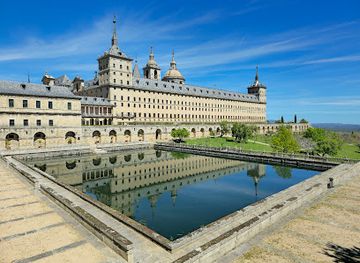
A handpicked selection of must-see spots near Basílica de El Escorial, mapped for you.
Unlock the Best of Basílica de El Escorial
Buy tickets
-
No tickets available
Book tours with entry

Book tours without entry
-
No tours available
Getting There
-
Walking
If you are in the center of Ávila, start at the Plaza de Santa Teresa. Head northwest on Calle de Santa Teresa, which will lead you to the main street. Continue straight on Calle de San Segundo until you reach the bus station (Estación de Autobuses de Ávila). From there, take a bus to San Lorenzo de El Escorial. The bus journey takes about 1 hour. Once you arrive at the San Lorenzo de El Escorial bus station, exit the station and walk south on Calle de Floridablanca. The Basílica de El Escorial is located at C/ Floridablanca, 12, just a short walk away.
-
Bus
From Ávila, head to the bus station located near Plaza de Santa Teresa. Purchase a ticket for San Lorenzo de El Escorial. Buses run regularly, approximately every 30 minutes. The journey will take around 1 hour. Once you arrive at the San Lorenzo de El Escorial bus station, turn right onto Calle de Floridablanca, and walk for about 5 minutes to reach the Basílica de El Escorial at C/ Floridablanca, 12.
Discover more about Basílica de El Escorial
More to explore near Basílica de El Escorial













Your all‑in‑one travel companion app
Explore expert travel guides, compare and book tours, experiences, hotels, and more—all from the palm of your hand. Download now for seamless trip planning wherever your wanderlust takes you.


Explore More of Madrid Community
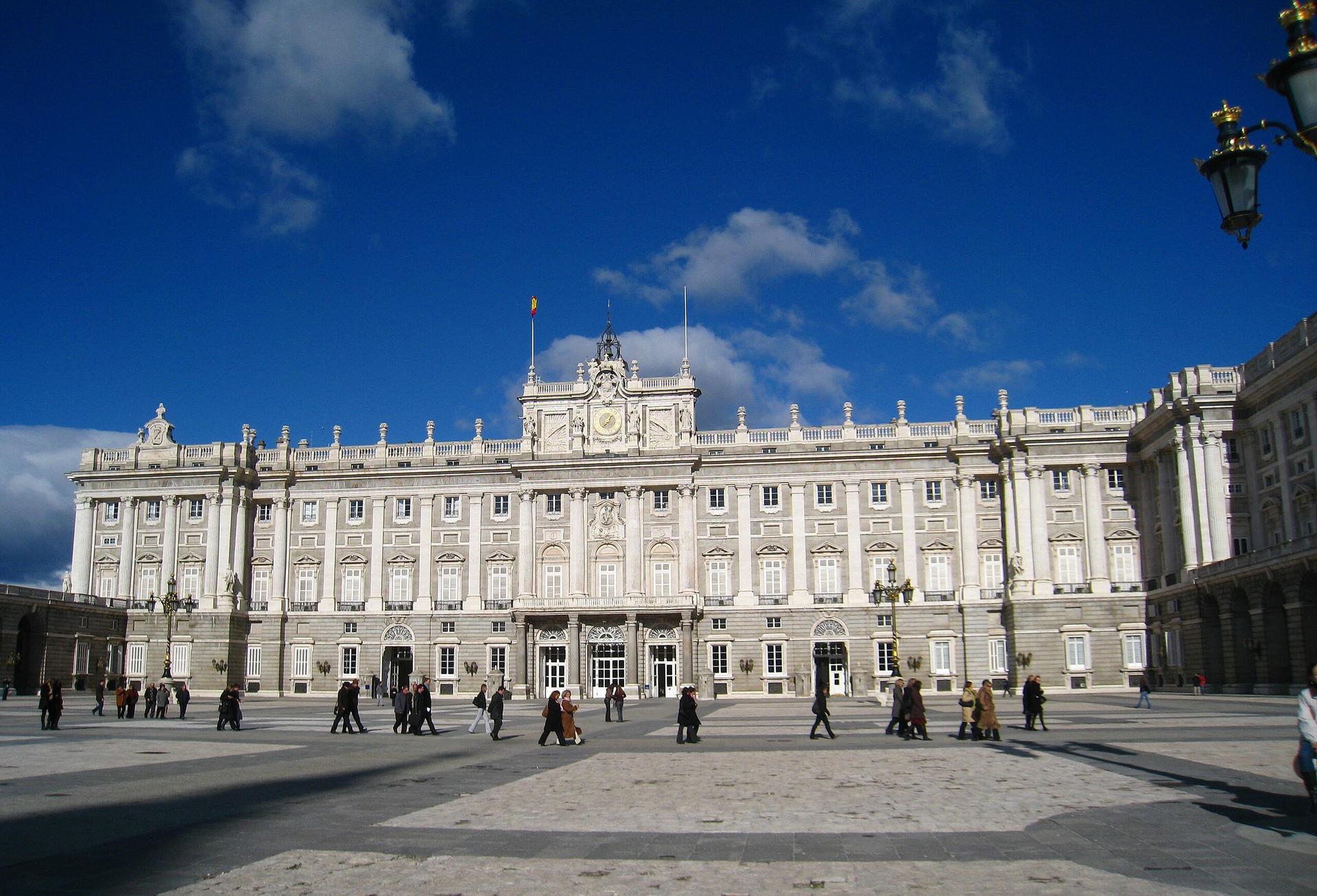
Looking beyond Basílica de El Escorial? Discover Madrid Community for broader travel guides, local hot-spots, and regional highlights.
Explore Madrid Community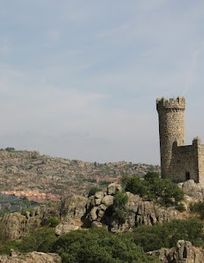
15th-century stone watchtower atop Torrelodones hills, guarding panoramic Sierra views and anchoring rugged hiking trails in Madrid's northern outskirts.

Explore the grand Royal Site of San Lorenzo de El Escorial, a UNESCO World Heritage site that embodies Spain's rich royal heritage and architectural splendor.