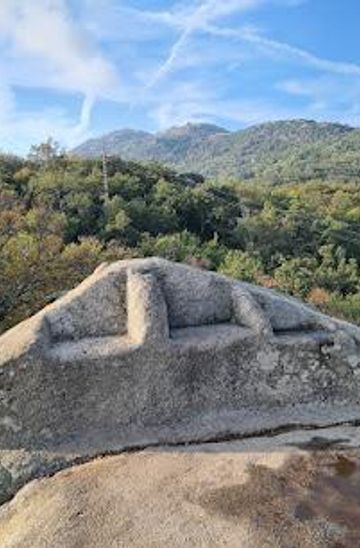
Silla de Felipe II: Philip II's Throne Overlooking the Escorial
Stone throne of Philip II commands epic views over El Escorial's vast monastery from Guadarrama's heights, reached by trails blending royal legacy with mountain solitude.
Perched high on Monte Abantos, the Silla de Felipe II offers sweeping vistas of the Monastery of El Escorial and the valley below. This stone-carved seat, legendarily used by King Philip II to supervise his grand palace-monastery construction, blends royal history with invigorating hikes through Sierra de Guadarrama's rugged trails. A must for history buffs and nature seekers exploring beyond Madrid.
A brief summary to Silla de Felipe II
- Calle Monte Escorial, San Lorenzo de El Escorial, Madrid, 28200, ES
- Click to display
- Click to display
- Free
-
 Outdoor
- Mobile reception: 3 out of 5

Know before you go
Hi, I'm Eve. Here are a few practical things to know before exploring Silla de Felipe II.
- Wear sturdy hiking boots with good grip for the rocky PR-1 trail sections, especially after rain when paths turn slippery.
- Visit early morning or late afternoon to avoid midday heat in summer and catch the best light over the monastery.
- Bring binoculars to spot wildlife like eagles and distant Madrid landmarks from the panoramic overlook.
- Combine with a monastery tour downhill for a full day tracing Philip II's domain from throne to tomb.
- Check weather forecasts; fog can obscure views, while clear winter days offer crisp, snow-capped panoramas.
Do you manage this location?
Take control to get all the benefits, like improved information, better appearance, and stronger visibility across AI-powered discovery. Learn more
Activate your presence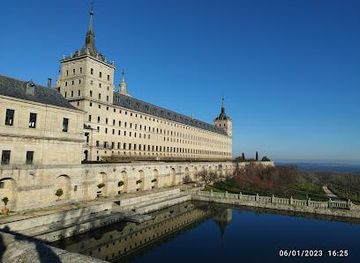
Getting There
-
Train
Take Cercanías C-3 line from Madrid's Atocha station to El Escorial (about 1 hour, €5-10 one-way), then 20-30 min uphill hike or local bus to trailhead.
-
Bus
Direct buses from Madrid's Moncloa interchange to San Lorenzo de El Escorial (1 hour, €6-9), followed by 40-min walk to PR-1 trail start.
-
Driving
Drive A-5 then M-600 from Madrid center (45-60 min, parking €2-5/hour near La Herrería), then 1.5-hour hike to site.
-
Taxi
Taxi from Madrid to El Escorial trailhead (50 min, €60-80 one-way); arrange return or hike down for public transport links.
For the on-the-go comforts that matter to you
-
 Information Boards
-
 Trash Bins
-
 Seating Areas
Discover more about Silla de Felipe II
Historical Origins
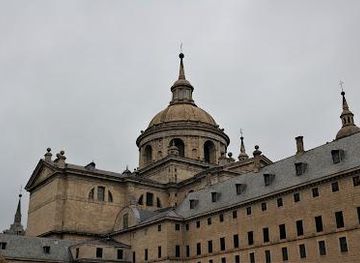
The Silla de Felipe II stands as a poignant relic of 16th-century Spain, attributed to King Philip II, the architect of the sprawling Monastery of San Lorenzo de El Escorial. Carved directly into the granite of Monte Abantos, this simple stone chair provided the monarch a vantage point roughly 900 meters above the valley floor. Legend holds that Philip, plagued by gout and wary of the damp lowlands, would ride up on horseback to oversee the monastery's construction from 1563 to 1584. While historians debate the extent of his personal visits, the seat symbolizes his unyielding vision for a complex that fused palace, basilica, pantheon, library, and monastery into one monumental edifice, reflecting the height of Habsburg power and Catholic Counter-Reformation zeal.Architectural and Natural Setting
Roughly 3 kilometers from the monastery's entrance via the PR-1 hiking trail, the Silla integrates seamlessly into the Sierra de Guadarrama's craggy terrain. The seat itself is unadorned—a flat slab backed by a vertical stone slab—yet its position commands panoramic views southward over El Escorial's slate-roofed expanse, the Casa de Campo forests, and distant Madrid skyline on clear days. Flanked by pine groves and heather fields, the site exemplifies the harmonious blend of human ambition and mountainous wilderness that defines this UNESCO World Heritage region. Granite outcrops and seasonal wildflowers frame the throne, turning a historical footnote into a dramatic natural balcony.Hiking and Access Trails
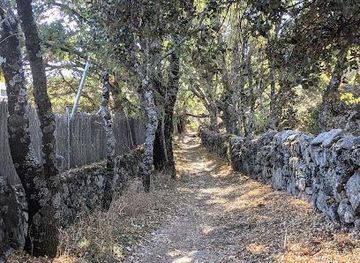
Reaching the Silla demands a moderate 1.5-2 hour ascent from San Lorenzo de El Escorial, following well-marked paths that wind through oak woods and open meadows. The route gains about 400 meters in elevation, passing interpretive panels on local flora like the Spanish broom and fauna such as griffon vultures soaring overhead. Alternative paths from La Herrería or Silla de Carlos III offer varied difficulty, with steeper sections rewarding hikers with unexpected overlooks. In autumn, chestnut trees glow golden; spring brings blooming rockroses, making the trail a seasonal showcase of Guadarrama biodiversity.Cultural and Symbolic Significance
Beyond its practical role, the Silla evokes Philip II's austere piety and strategic mind. From here, he could monitor progress on his 'eighth wonder,' a project that employed thousands and housed his royal court alongside 50 monks. The site's isolation mirrors the king's preference for contemplation amid Spain's golden age conquests, from the Americas to Lepanto. Today, it draws those pondering how one man's gaze shaped a landscape still echoing with Renaissance echoes, connecting visitors to an era when monarchy and faith literally moved mountains.Visitor Experience and Surroundings
Arriving at the Silla, expect a profound sense of scale: the monastery's vast grid shrinks to a model below, emphasizing human transience against eternal peaks. Nearby, the Silla de Carlos III adds a Bourbon-era counterpart, while broader explorations link to Abantos' summits or the Valle de los Caídos. Photographers capture dawn mists or sunset alpenglow bathing the monument in amber. The thin air sharpens senses, blending physical challenge with reflective solitude, ideal for those seeking Madrid's hinterlands where history meets horizon.Explore the best of what Silla de Felipe II has to offer













More about Madrid Community
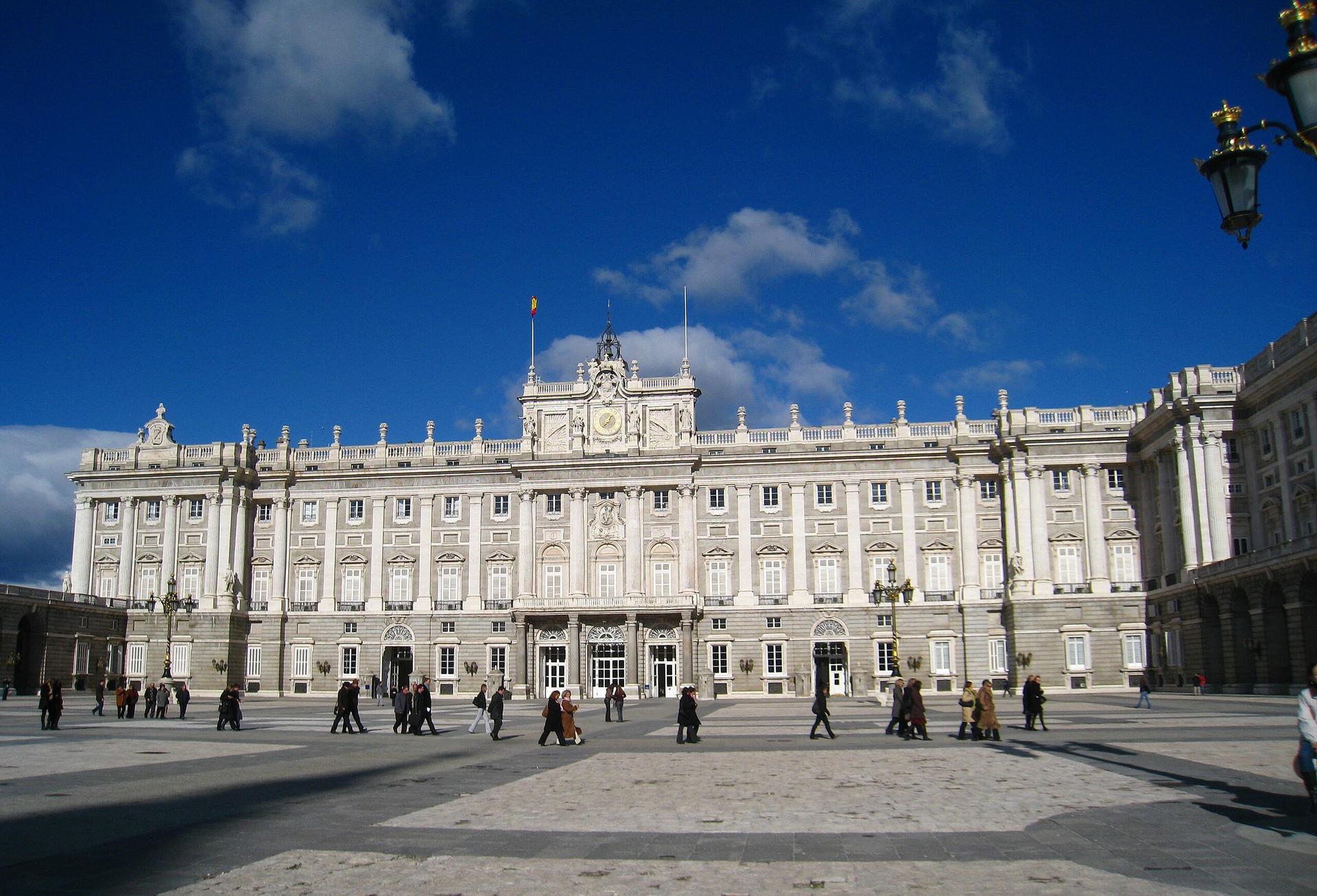
Discover the heart of Spain in the Madrid Community: a vibrant region rich in history, culture, and breathtaking landscapes.
Tell me more about Madrid Community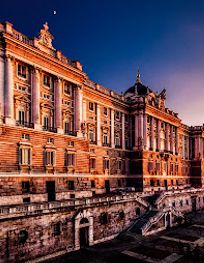
Spain's largest royal residence commands Madrid's skyline with 3,418 rooms of Baroque splendor, medieval armory, and gardens framing centuries of monarchical power.
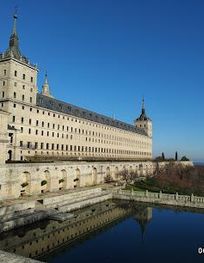
Granite colossus of Philip II's Spain: monastery-palace-library fusing Renaissance might, royal tombs, and mountain isolation in Guadarrama's shadow.