El Escorial: Royal Monastery and Palace of Kings
Spain's monumental Herrerian complex where Philip II forged monastery, palace, and pantheon into enduring granite legacy amid Guadarrama peaks.
Perched in the Sierra de Guadarrama foothills, El Escorial stands as Spain's grandest Renaissance monument, blending monastery, basilica, palace, and library into a symbol of Philip II's unyielding vision. Explore vast courtyards, opulent royal quarters, and the somber Pantheon of Kings, where history whispers through granite halls and gilded art.
A brief summary to El Escorial
- Madrid, ES
- Click to display
- Mid ranged
-
 Mixed
Mixed
- Mobile reception: 4 out of 5

Know before you go
Hi, I'm Eve. Here are a few practical things to know before exploring El Escorial.
- Visit mid-week to avoid weekend crowds from Madrid day-trippers.
- Wear comfortable shoes for extensive walking across vast courtyards and staircases.
- Focus on the Pantheon early morning for quieter reflection in the royal tombs.
- Combine with a short hike in nearby Guadarrama for mountain air after indoor tours.
Do you manage this location?
Take control to get all the benefits, like improved information, better appearance, and stronger visibility across AI-powered discovery. Learn more
Activate your presenceGetting There
-
Train
Cercanías C-3 line from Madrid Atocha or Chamartín to El Escorial station, 1 hour, €5-7 one-way, frequent service.
-
Bus
Direct buses from Madrid Príncipe Pío, 50-60 minutes, €6-9, hourly departures.
-
Car
A-5 highway then M-600, 45-60 minutes drive from central Madrid, paid parking on site.
For the on-the-go comforts that matter to you
-
 Restrooms
-
 Food Options
-
 Seating Areas
-
 Sheltered Areas
-
 Information Boards
-
 Visitor Center
Discover more about El Escorial
Historical Foundations
Constructed in the late 16th century under King Philip II, El Escorial emerged from a vow made after the Battle of St. Quentin. Designed by Juan de Herrera in a stark Herrerian style, this colossal complex fuses monastic austerity with royal grandeur, serving as both spiritual retreat and seat of empire. Granite quarried from nearby mountains forms its imposing facade, embodying Spain's golden age ambitions amid Counter-Reformation fervor.Architectural Majesty
The complex spans over 33,000 square meters, organized around four main patios: the Kings, Evangelists, Preachers, and Girls. Its basilica dominates with a 90-meter dome, housing El Greco's masterpieces and the Pantheon of the Kings, where 26 monarchs rest in marble sarcophagi. The library boasts 56,000 volumes, including rare manuscripts, while the palace quarters reveal Philip II's spartan bedroom overlooking the altar—a testament to his devout piety.Artistic Treasures
Over 1,600 paintings adorn its walls, from Titian's canvases to Velázquez portraits, curated to glorify Habsburg rule. The Chapter House and Old and New Churches display Flemish tapestries and intricate frescoes. The austere cloister contrasts with lavish royal apartments, where Italianate gardens and fountains offer serene vistas across the Guadarrama peaks.Monastic Life and Legacy
Home to Hieronymite monks for centuries, El Escorial's daily rhythm blended prayer, scholarship, and service to the crown. Philip II's tomb lies here alongside his forebears, underscoring its role as Spain's sacred necropolis. Designated a UNESCO World Heritage site, it reflects Renaissance ideals of harmony between faith, art, and power.Surrounding Landscape
Set 45 kilometers northwest of Madrid at 900 meters elevation, the site commands sweeping views of pine-clad mountains. Nearby gardens feature symmetrical parterres and a reflecting pool mirroring the facade. The cool mountain air and rugged terrain enhance its contemplative aura, drawing visitors to ponder Spain's imperial past amid timeless natural beauty.Explore the best of what El Escorial has to offer













More about Madrid Community
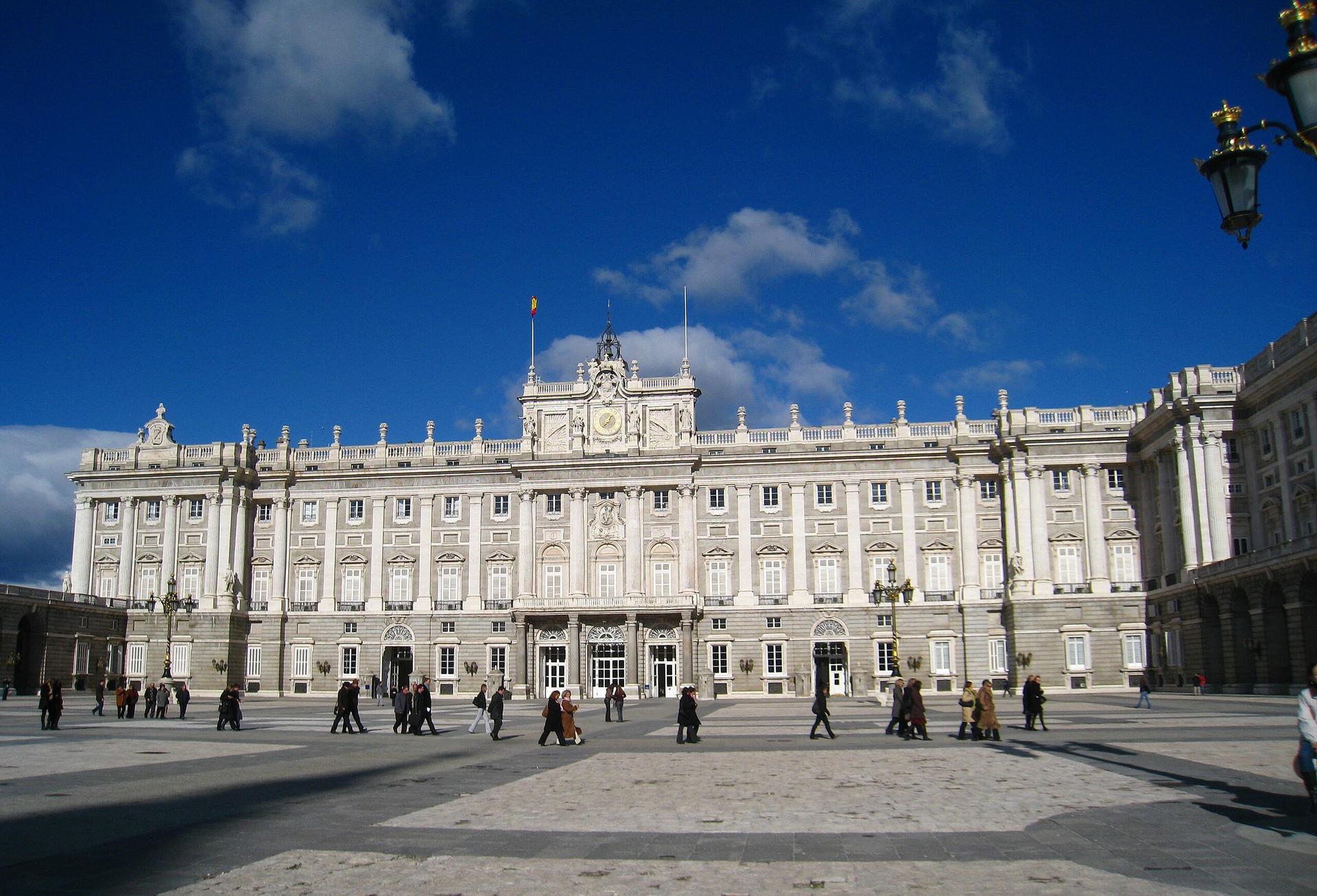
Discover the heart of Spain in the Madrid Community: a vibrant region rich in history, culture, and breathtaking landscapes.
Tell me more about Madrid Community