Casa Gallardo, Madrid Travel Guide
Free Guide: Casa Gallardo's 1921 eclectic facade on Ferraz Street showcases Montaner's brick artistry and sculptural depth, anchoring Moncloa's architectural heritage amid university vibrancy.


A brief summary of Casa Gallardo
Casa Gallardo's 1921 eclectic facade on Ferraz Street showcases Montaner's brick artistry and sculptural depth, anchoring Moncloa's architectural heritage amid university vibrancy.
Tucked on Calle de Ferraz in Moncloa-Aravaca, Casa Gallardo captivates with its striking early 20th-century architecture blending modernist and eclectic styles. This residential gem, built in 1921 by architect Luis Montaner, showcases intricate brickwork, sculptural balconies, and ornate details that reflect Madrid's vibrant interwar building boom. Once home to notable figures, it stands as a quiet testament to the city's architectural evolution amid bustling university surroundings. Visitors drawn to urban history find here a photogenic slice of Madrid's less-touristed past, perfect for appreciating fine craftsmanship up close.
On-site amenities
 Information boards
Opening hours
- Every dayOpen 24 hours
Opening hours as listed on the venue’s Google Business Profile. Hours can change for services and special events, so check with the venue before you go.
- Address
- C. de Ferraz, 2, Moncloa - Aravaca, 28008 Madrid
Getting there
Metro
Bus
Walking
Discover more about Casa Gallardo
Architectural Origins and Design
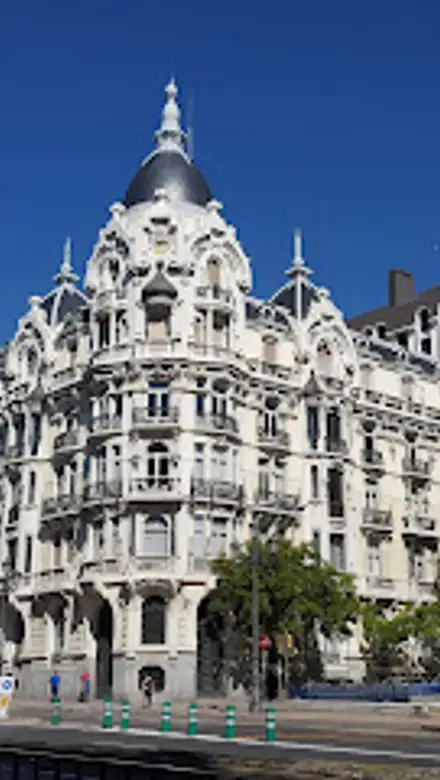
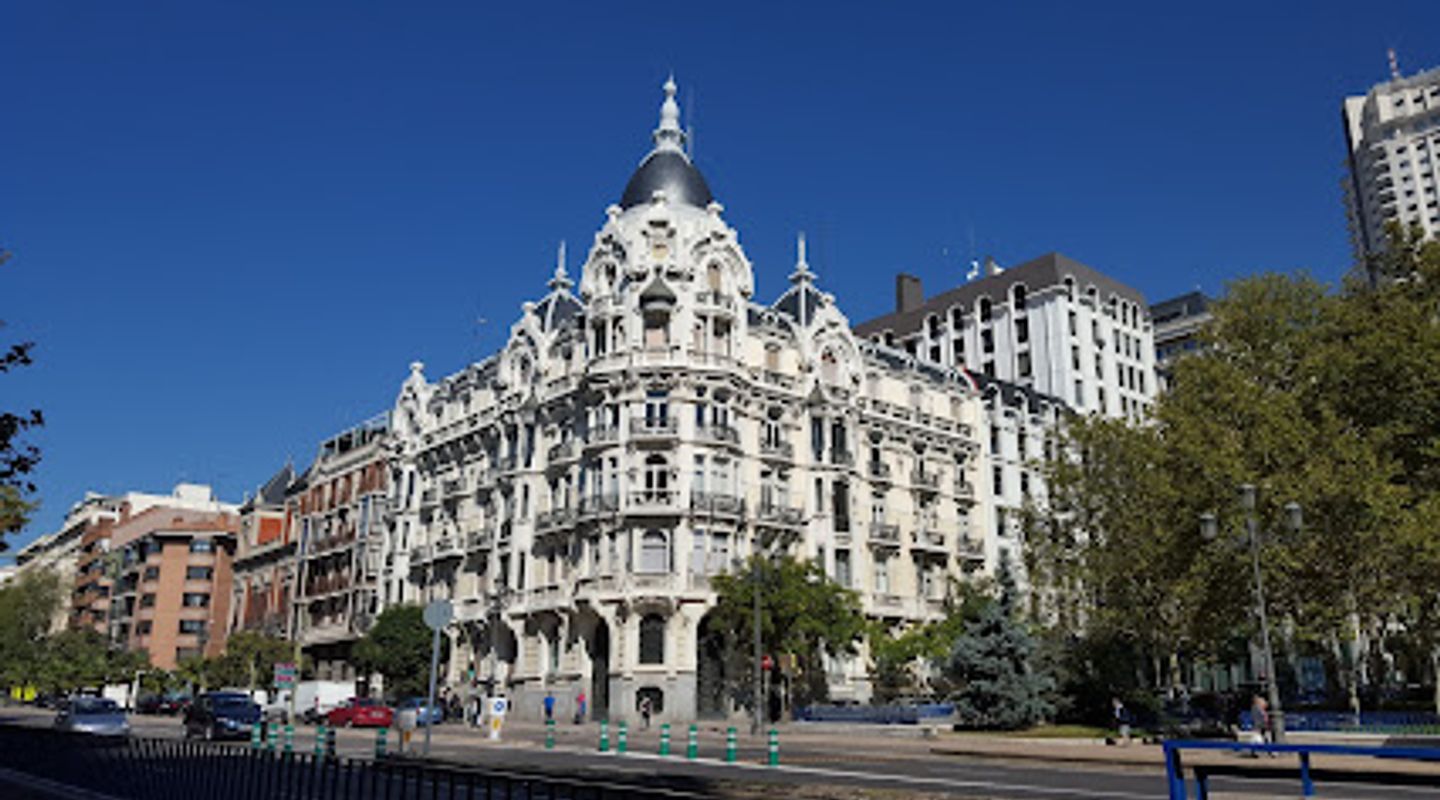
Casa Gallardo emerged in 1921 from the drawing board of Luis Montaner, a key figure in Madrid's early 20th-century architecture scene. Located at Calle de Ferraz 2 in the Moncloa-Aravaca district, this residential building embodies the eclectic style prevalent during Spain's interwar period, fusing modernist influences with traditional Iberian motifs. Its facade dominates with robust brick masonry, asymmetrical window placements, and elaborate sculptural elements that draw the eye upward. Balconies adorned with wrought-iron railings and floral-inspired carvings create a rhythmic pattern, while the ground-level arches hint at neo-Mudejar echoes from Madrid's historic fabric. Montaner's design responded to the growing demand for upscale housing near the expanding Complutense University, blending functionality with artistic flair.
Historical Context in Moncloa-Aravaca
Positioned in Moncloa-Aravaca, a neighborhood synonymous with academia and green spaces like Casa de Campo, Casa Gallardo mirrors the area's transformation from outskirts to cultural hub. Constructed amid Madrid's population surge post-1910s, it housed professionals and intellectuals linked to nearby institutions. The building's survival through Franco-era urban shifts and modern developments underscores its role in preserving the district's pre-war character. Unlike grander landmarks, its modest scale offers an intimate glimpse into everyday elite living, where private residences doubled as statements of cultural aspiration. Today, it contrasts sharply with surrounding utilitarian structures, highlighting Madrid's layered urban narrative.
Artistic and Sculptural Highlights
The facade's crowning glory lies in its sculptural details, crafted by artisans whose work evokes the era's obsession with ornamentation. Gargoyle-like figures perch above entrances, while bas-reliefs depict flora and abstract forms influenced by Vienna Secession aesthetics adapted locally. The brickwork varies in color and texture, creating depth under varying light—best observed during golden hour when shadows accentuate the reliefs. These elements, less bombastic than those at nearby Palacio de Liria, reward patient observers with subtle nods to Catalan modernism, thanks to Montaner's regional ties. Casa Gallardo thus serves as a microcosm of Madrid's architectural dialogue between tradition and innovation.
Vibe and Visitor Experience
Approaching Casa Gallardo, expect a serene yet intriguing atmosphere amid Ferraz's steady foot traffic of students and locals. The building exudes quiet dignity, its preserved state inviting contemplation rather than crowds. Passersby often pause to photograph the facade, fostering a subtle communal appreciation. The surrounding Moncloa buzz—cafes, trams, and university energy—provides context without overwhelming the site's intimacy. What emerges is a sense of discovery: stumbling upon a architectural jewel that encapsulates Madrid's understated elegance, ideal for those weaving personal histories into their city exploration.
Significance in Madrid's Landscape
In a city dominated by Renaissance palaces and postmodern towers, Casa Gallardo represents the transitional residential architecture that filled Madrid's expansion. Its 4.7 visitor acclaim stems from authenticity, standing resilient against gentrification pressures. For architecture enthusiasts, it complements routes through Moncloa's modernist pockets, offering fodder for discussions on Spain's 1920s building renaissance. Ultimately, visiting yields a profound connection to Madrid's living history, where every carved detail whispers tales of a dynamic past.
Evendo Review Centre
 Google
Guest reviews
Best time to go
Quietest: Jun, Sep & Dec
Busy times are Evendo estimates for a typical year, to help you plan. Actual crowds vary with events, school holidays and the weather.
Explore Casa Gallardo on the map
A handpicked selection of must-see spots near Casa Gallardo, mapped for you.
Get your free copy of our complete guide to Casa Gallardo, delivered straight to you.
Everything on this page, from opening hours and how to get there to Eve’s tips and the best time to go, in one PDF you can read offline, print or share.
Already have an account? Sign in
Your Casa Gallardo guide is ready.
We'll send it to · Not you? Sign out

Getting your guide ready…
We are putting together a fresh copy of the Casa Gallardo guide. This can take up to a minute.
This can take a few moments. If your browser asks, choose Allow so the download can start. You'll find the guide in your Downloads folder.
Nothing happened? Download it again
Sorry, the guide is taking longer than usual. Please try again in a minute, or get it by email instead.
Other nearby places you may find interesting
The closest places of the same kind, if this one is not quite what you had in mind.
-
-
-
-
-


Swipe for more places
More to explore near Casa Gallardo

 Best experiences near Casa Gallardo
 Best hotels near Casa Gallardo
 Best landmarks near Casa Gallardo
 Best attractions near Casa Gallardo
 Best shops near Casa Gallardo
 Best restaurants near Casa Gallardo
 Best bars near Casa Gallardo
Do you manage this location?
Take control to get all the benefits, like improved information, better appearance, and stronger visibility across AI-powered discovery.
Explore more

Explore more of Madrid
Discover Madrid: A city of art, culture, and culinary delights, where history and modern vibrancy meet in the heart of Spain.
Explore Madrid
Explore more of Spain
Discover Spain: A vibrant tapestry of culture, history, and breathtaking landscapes, where every city offers a unique adventure and unforgettable experiences.
Explore Spain