Pl. de España, Madrid Travel Guide
Free Guide: Where Cervantes' literary legacy meets Madrid's modern skyline in monumental splendor.


A brief summary of Pl. de España
Where Cervantes' literary legacy meets Madrid's modern skyline in monumental splendor.
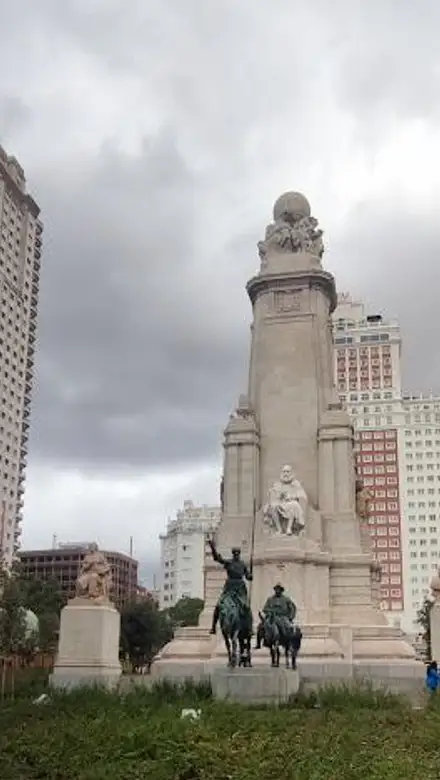
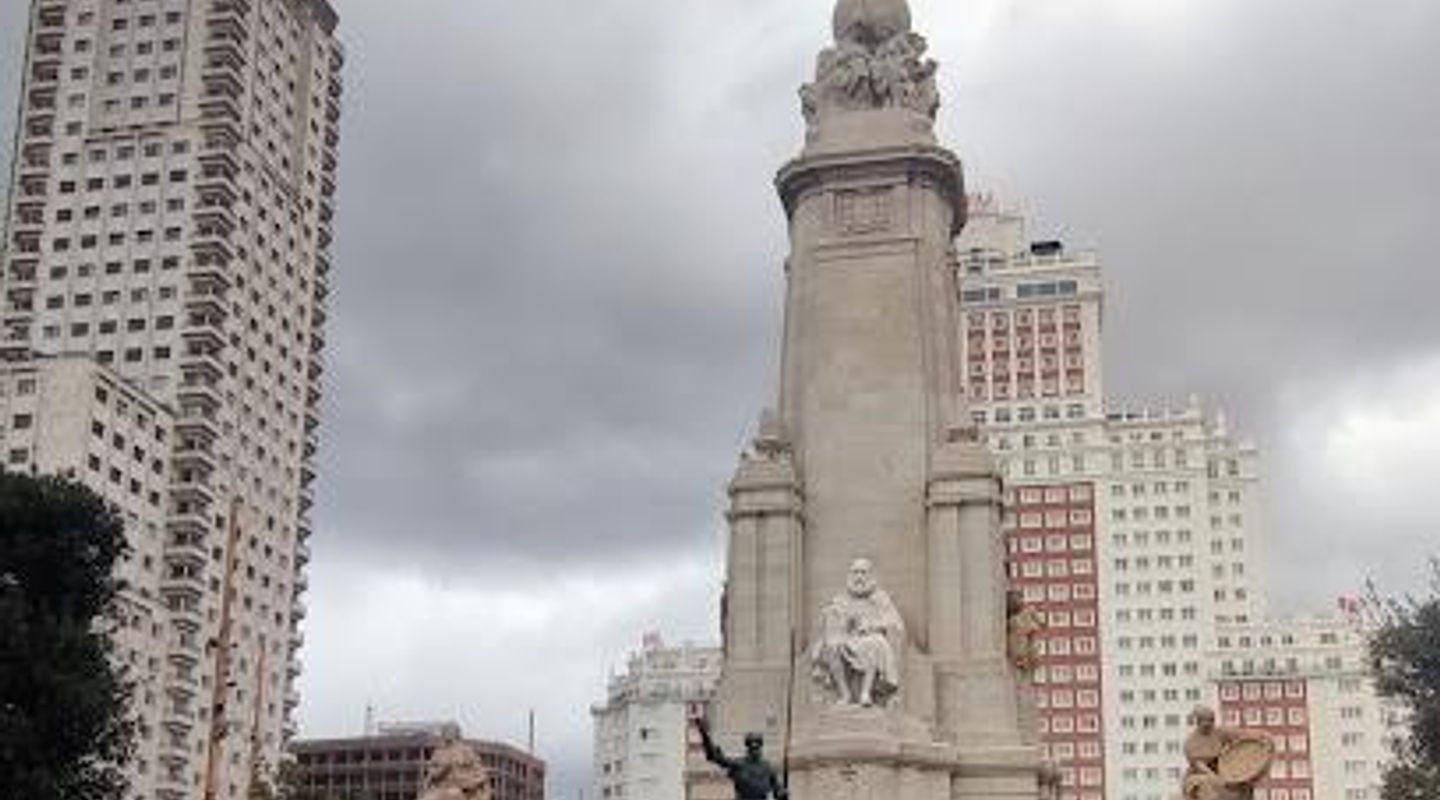
One of Madrid's most iconic squares, Plaza de España combines grand architecture with vibrant urban energy. Dominated by the towering Monument to Cervantes and flanked by impressive early 20th-century buildings, this landmark plaza serves as a cultural crossroads where locals and visitors converge beneath the gaze of Don Quixote and Sancho Panza.
On-site amenities
 Restrooms
 Drink options
 Food options
 Seating areas
 Information boards
 Trash bins
- Address
- Moncloa - Aravaca, Madrid
Getting there
Metro
Bus
Walking
Taxi or Ride-Share
Discover more about Pl. de España
A Monument to Spanish Literature
Plaza de España stands as Madrid's tribute to Miguel de Cervantes, author of Don Quixote. The plaza's centerpiece is the Monument to Cervantes, an elaborate sculptural ensemble completed in 1930 that features bronze statues of Don Quixote and Sancho Panza at its base. This monument represents one of Spain's most recognizable artistic achievements and draws literature enthusiasts from around the world who come to pay homage to the characters that shaped Spanish cultural identity.
Architectural Grandeur and Urban Design
The plaza's distinctive character emerges from its early 20th-century architecture. The two prominent high-rise buildings flanking the square—the Torre de Madrid and the Edificio España—were among Madrid's first skyscrapers when constructed in the 1950s and 1930s respectively. These structures create an impressive urban canyon effect that frames the monument and gives the plaza its distinctive silhouette. The architectural blend of classical monument and modernist towers reflects Madrid's evolution from imperial capital to contemporary metropolis.
Cultural Significance and Public Life
Beyond its architectural importance, Plaza de España functions as a vital gathering space in Madrid's urban fabric. The square hosts various cultural events, temporary exhibitions, and seasonal celebrations throughout the year. Its position in the Moncloa-Aravaca district, one of Madrid's most dynamic neighborhoods, makes it a natural meeting point and transit hub. The plaza's open design encourages both contemplation of its artistic elements and casual social interaction.
Visitor Experience and Atmosphere
The plaza maintains a distinctive atmosphere that shifts throughout the day. Morning hours tend to be quieter, offering peaceful moments for photography and reflection. Afternoons bring increased foot traffic as the square becomes a social hub. The surrounding area features cafés, shops, and cultural institutions that enhance the visitor experience. The monument's elevated position provides natural vantage points for observing the square's activity and the surrounding cityscape.
Historical Context
Plaza de España emerged as a major urban development project in the early 20th century, reflecting Madrid's ambitions to modernize while honoring its cultural heritage. The Cervantes monument specifically commemorates the 300th anniversary of Don Quixote's publication, cementing the plaza's role as a celebration of Spanish literary achievement. The subsequent addition of the high-rise buildings in the mid-20th century transformed the plaza into a symbol of Madrid's post-war development and modernization.
Evendo Review Centre
 Google
Guest reviews
Best time to go
Quietest: Jan, Feb & Nov · before 3am
Busy times are Evendo estimates for a typical year, to help you plan. Actual crowds vary with events, school holidays and the weather.
Explore Pl. de España on the map
A handpicked selection of must-see spots near Pl. de España, mapped for you.
Get your free copy of our complete guide to Pl. de España, delivered straight to you.
Everything on this page, from opening hours and how to get there to Eve’s tips and the best time to go, in one PDF you can read offline, print or share.
Already have an account? Sign in
Your Pl. de España guide is ready.
We'll send it to · Not you? Sign out

Getting your guide ready…
We are putting together a fresh copy of the Pl. de España guide. This can take up to a minute.
This can take a few moments. If your browser asks, choose Allow so the download can start. You'll find the guide in your Downloads folder.
Nothing happened? Download it again
Sorry, the guide is taking longer than usual. Please try again in a minute, or get it by email instead.
Unlock the best of Pl. de España
Skip-the-line tickets, guided tours with entry, and walking tours of the area, booked in a few clicks.



Other nearby places you may find interesting
The closest places of the same kind, if this one is not quite what you had in mind.
-
-
-
-
-


Swipe for more places
More to explore near Pl. de España

 Best experiences near Pl. de España
 Best hotels near Pl. de España
 Best landmarks near Pl. de España
 Best attractions near Pl. de España
 Best shops near Pl. de España
 Best restaurants near Pl. de España
 Best bars near Pl. de España
Do you manage this location?
Take control to get all the benefits, like improved information, better appearance, and stronger visibility across AI-powered discovery.
Explore more

Explore more of Madrid
Discover Madrid: A city of art, culture, and culinary delights, where history and modern vibrancy meet in the heart of Spain.
Explore Madrid
Explore more of Spain
Discover Spain: A vibrant tapestry of culture, history, and breathtaking landscapes, where every city offers a unique adventure and unforgettable experiences.
Explore Spain