

Culebra Bridge, Madrid Travel Guide
Twisting stone arches over Manzanares in Casa de Campo link Madrid's royal past to wooded trails and quiet river panoramas.
Nestled in Madrid's Casa de Campo, the Culebra Bridge captivates with its sinuous 18th-century stone arch design spanning the Manzanares River. This historic engineering feat offers serene views, hiking trails, and a glimpse into royal park evolution, blending natural beauty with architectural elegance for an understated urban escape.
A brief summary to Culebra Bridge
- Madrid, Moncloa - Aravaca, Madrid, 28011, ES
- Click to display
- Free
-
 Outdoor
- Mobile reception: 4 out of 5

Know before you go
Hi, I'm Eve. Here are a few practical things to know before exploring Culebra Bridge.
- Combine with a full Casa de Campo hike starting from the teleferico for varied terrain and wildlife sightings.
- Visit at dawn or dusk for fewer crowds and optimal light on the bridge's curves against the river.
- Wear sturdy shoes; surrounding paths can be uneven and muddy after rain.
- Pack water and snacks, as facilities are sparse in this natural park section.
- Check park trail maps online beforehand to link the bridge into longer loops toward the zoo or lake.
Do you manage this location?
Take control to get all the benefits, like improved information, better appearance, and stronger visibility across AI-powered discovery. Learn more about listing your business on Evendo
Activate your presenceOther nearby places you may find interesting
The closest places of the same kind, if this one is not quite what you had in mind.
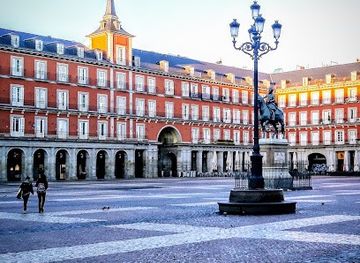
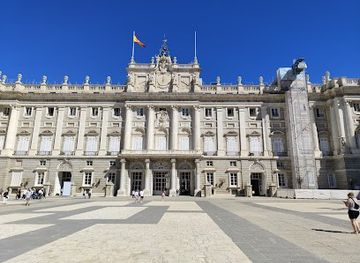
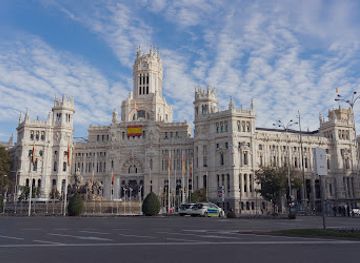
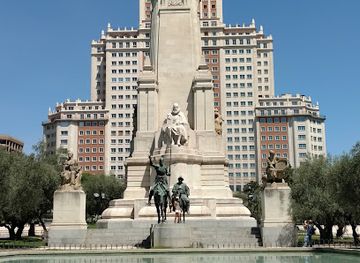
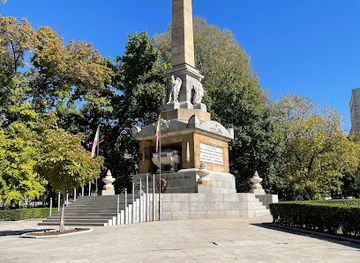
Explore Culebra Bridge on the Map
A handpicked selection of must-see spots near Culebra Bridge, mapped for you.
Getting There
-
Metro
Take Metro Line 10 to Lago station (20-25 min from Sol), then 15-min walk through Casa de Campo trails; €1.50-2 single ticket.
-
Bus
Bus 55 or 65 from center to Casa de Campo entrance (15-20 min), followed by 20-min downhill trail walk; €1.50 fare.
-
Bicycle
Rent city bikes (BiciMAD) near Plaza España (10-15 min ride to park edge), then short trail pedal; €2 first 30 min.
-
Cable Car
Teleférico de Madrid from Paseo del Pintor Rosales (5 min ride to park overlook), 10-min descent to bridge; €6 round-trip.
For the on-the-go comforts that matter to you
-
 Seating Areas
-
 Trash Bins
-
 Information Boards
-
 Picnic Areas
Discover more about Culebra Bridge
Historical Origins and Engineering
The Culebra Bridge, known locally as Puente de la Culebra, traces its roots to the mid-18th century during the expansive development of Casa de Campo under King Ferdinand VI. Constructed between 1752 and 1763 by engineer Ventura Rodríguez, it exemplifies neoclassical Spanish engineering with its distinctive serpentine form—'culebra' meaning snake in Spanish—allowing the structure to gracefully curve along the Manzanares River. Unlike straight Roman viaducts, this design accommodated the river's meanders while providing stable passage for carriages and pedestrians, reflecting Enlightenment-era priorities of utility fused with aesthetic harmony.Architectural Features and Surroundings
Spanning approximately 150 meters with multiple low arches, the bridge's weathered limestone blocks bear the patina of centuries, overgrown with moss and ivy that enhance its organic integration into the landscape. Flanked by wooded hills and meadows of Casa de Campo—the vast former royal hunting grounds turned public park—it serves as a vital link in the park's network of paths. The structure's gentle undulations create intimate viewing platforms overlooking the river's flow, where sunlight filters through overhanging branches, casting dappled patterns on the water below.Cultural and Recreational Role
Beyond its utilitarian past, the bridge has evolved into a focal point for recreation within one of Madrid's largest green lungs. Part of extensive hiking and cycling routes, it draws locals and visitors seeking respite from the city's bustle. Its position near the park's teleferico cable car and zoo adds layers of accessibility, yet it retains a quiet authenticity away from major tourist circuits. Photographers prize its curves against verdant backdrops, while birdwatchers note kingfishers darting along the riverbanks.Ecological and Seasonal Dynamics
Embedded in Casa de Campo's diverse ecosystem, the bridge witnesses seasonal shifts: spring wildflowers carpet the approaches, summer brings picnickers to its shadows, autumn paints the foliage in golds, and winter reveals stark stone silhouettes against bare trees. The Manzanares' waters, once polluted, now support fish populations thanks to restoration efforts, underscoring the site's blend of history and renewed natural vitality. Erosion from floods has sculpted subtle wear on the arches, adding character without compromising integrity.Visitor Experience and Legacy
Approaching via trails, one senses the bridge's understated grandeur—no grand monuments here, but a functional beauty born of necessity. It invites lingering: cross its span to feel the stone's cool texture, pause for river gazes, or extend into multi-hour park explorations. As a testament to Madrid's layered history, it connects the grandeur of royal estates to contemporary leisure, offering solitude amid proximity to urban life. Its preservation ensures future generations ponder the ingenuity that tamed the river's whims with elegant restraint.












Your all‑in‑one travel companion app
Explore expert travel guides, compare and book tours, experiences, hotels, and more—all from the palm of your hand. Download now for seamless trip planning wherever your wanderlust takes you.


Explore More of Madrid
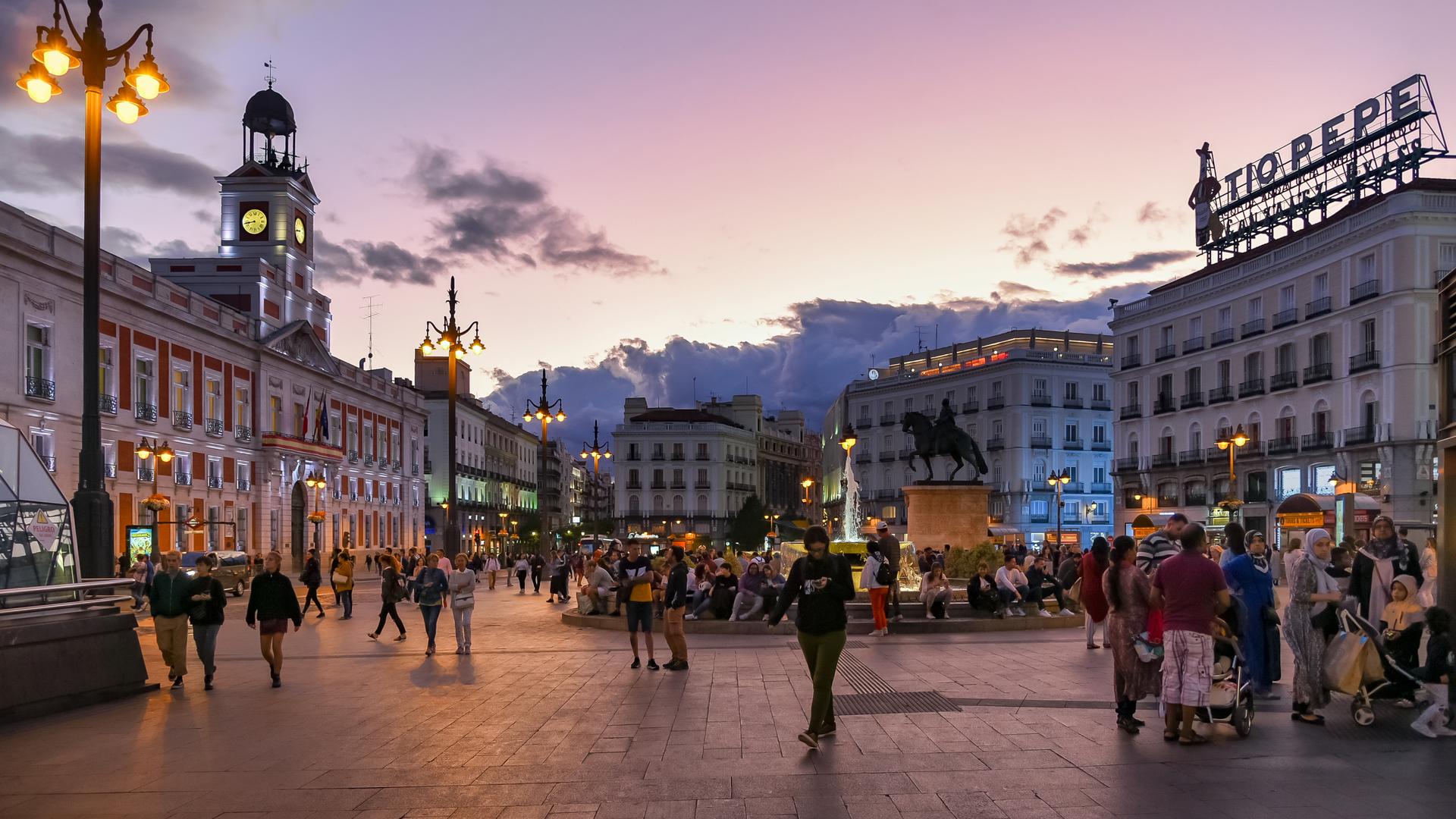
Looking beyond Culebra Bridge? Discover Madrid for broader travel guides, local hot-spots, and regional highlights.
Explore Madrid
Discover the serene beauty of Athens Park, a lush green retreat in Madrid that invites relaxation and exploration within the city's vibrant atmosphere.
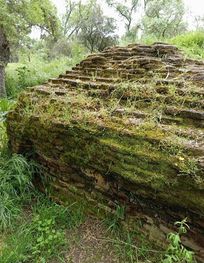
Weathered kiln ruins in Casa de Campo evoke Madrid's industrial roots, blending stone relics with woodland paths for quiet historical immersion in Moncloa-Aravaca.
