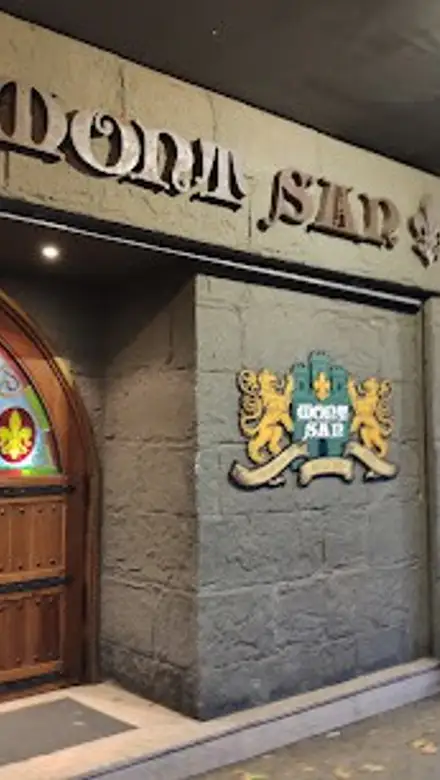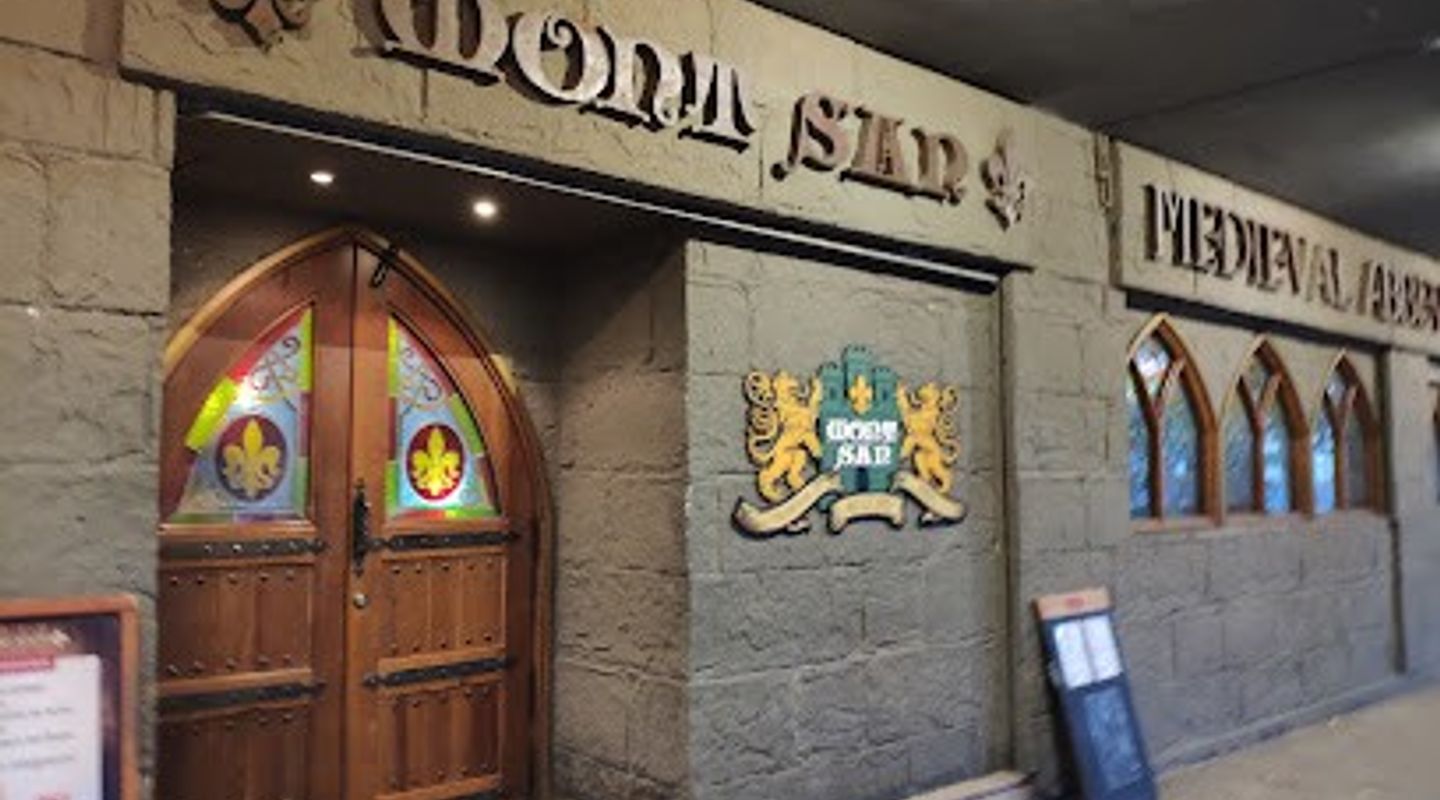
Medieval Abbey, Madrid Travel Guide
Madrid's Latina medieval abbey fuses cloistered stone heritage with urban pulse, unveiling monastic echoes in a working-class district's heart.
Tucked in Madrid's Latina district, this medieval abbey stands as a rare architectural gem blending monastic history with modern vibrancy. Its ancient stone facade whispers tales of cloistered lives amid the bustling urban energy of contemporary Madrid, offering visitors a serene portal to the city's layered past. Explore vaulted arches and historic courtyards that have witnessed centuries of transformation from sacred retreat to community landmark.
A brief summary to Medieval Abbey
- C. de Guareña, 7, Madrid, Latina, Madrid, 28044, ES
- Click to display
- Free
-
 Outdoor
- Mobile reception: 5 out of 5
- Tuesday 8 am-9 pm
- Wednesday 8 am-9 pm
- Thursday 8 am-9 pm
- Friday 8 am-2 am
- Saturday 8 am-2 am
- Sunday 8 am-11 pm

Know before you go
Hi, I'm Eve. Here are a few practical things to know before exploring Medieval Abbey.
- Visit during early morning for undisturbed views of the cloister bathed in soft light, avoiding midday crowds from nearby residents.
- Combine with a stroll through Latina's markets to contextualize the abbey's role in local daily life and history.
- Look for subtle Gothic details on the facade, best appreciated from across the street for full perspective.
Do you manage this location?
Take control to get all the benefits, like improved information, better appearance, and stronger visibility across AI-powered discovery. Learn more about listing your business on Evendo
Activate your presenceOther nearby places you may find interesting
The closest places of the same kind, if this one is not quite what you had in mind.
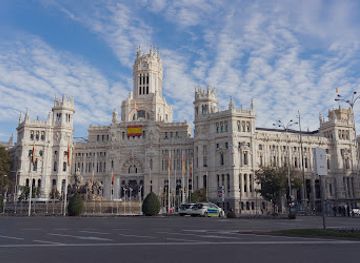
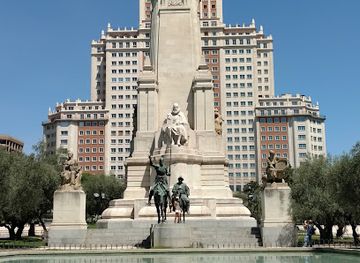
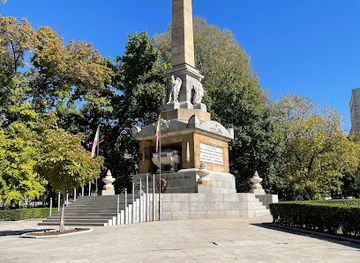
Explore Medieval Abbey on the Map
A handpicked selection of must-see spots near Medieval Abbey, mapped for you.
Getting There
-
Metro
Take Metro Line 12 to Latina station, 10-minute walk southwest; €1.50-2 single ticket, frequent service every 5 minutes.
-
Bus
Board EMT bus lines 47 or 65 from central Puerta del Sol, 20-25 minutes to nearby stop; €1.50 fare, runs every 10-15 minutes.
-
Walking
From Plaza de España, 30-minute walk south through Argüelles; free, scenic route along tree-lined avenues.
For the on-the-go comforts that matter to you
-
 Restrooms
-
 Seating Areas
-
 Information Boards
Discover more about Medieval Abbey
Historical Foundations
The Medieval Abbey in Madrid's Latina neighborhood traces its origins to the Middle Ages, when monastic orders shaped the spiritual and architectural landscape of the Iberian Peninsula. Constructed with robust stone masonry typical of Romanesque influences, the abbey served as a center for contemplation, prayer, and scholarly pursuits. Its location on C. de Guareña positioned it away from the royal core, allowing it to function as a self-sustaining enclave with gardens, scriptoriums, and communal halls dedicated to religious life.Architectural Marvels
Key features include pointed arches, ribbed vaults, and a cloister that exemplifies Gothic transitions prevalent in Castilian monasteries. The facade bears weathered carvings depicting biblical scenes and heraldic symbols, while interior spaces reveal fresco remnants faded by time yet evocative of medieval artistry. The abbey's bell tower, rising modestly above surrounding buildings, once summoned monks to prayer and now punctuates the Latina skyline with timeless elegance.Evolution Through Eras
Surviving wars, secularizations, and urban expansion, the abbey adapted from a monastic house to a parish church and cultural site. During the 19th-century disentailment, many religious properties were repurposed, but this abbey retained much of its integrity. In the 20th century, it became integrated into Madrid's fabric, hosting community events while preserving its sacred aura amid the neighborhood's residential growth.Atmosphere and Vibe
Today, the abbey exudes a profound tranquility contrasting Latina's lively streets. Sunlight filters through stained glass, casting kaleidoscopic patterns on stone floors, creating moments of quiet reverence. The air carries faint scents of incense and aged wood, fostering an atmosphere ideal for reflection. Visitors sense the weight of history in every corner, from echoing cloisters to modest altars that invite personal contemplation.Cultural Significance
As a landmark, it represents Madrid's underrepresented medieval heritage outside the tourist-heavy center. Local traditions tie it to neighborhood festivals, where processions weave through adjacent lanes, blending faith with communal spirit. Its endurance symbolizes resilience, offering insights into how sacred spaces evolve within dynamic urban environments.Visitor Experience
Wandering the grounds reveals hidden chapels and gardens where wildflowers reclaim stone crevices. The structure's scale—neither grandiose nor diminutive—invites intimate exploration, rewarding those who pause to appreciate subtle details like worn gargoyles or inscribed memorials. It stands as a bridge between Madrid's ancient roots and its forward gaze, enriching any itinerary focused on authentic, offbeat heritage.












Your all‑in‑one travel companion app
Explore expert travel guides, compare and book tours, experiences, hotels, and more—all from the palm of your hand. Download now for seamless trip planning wherever your wanderlust takes you.


Explore More of Madrid
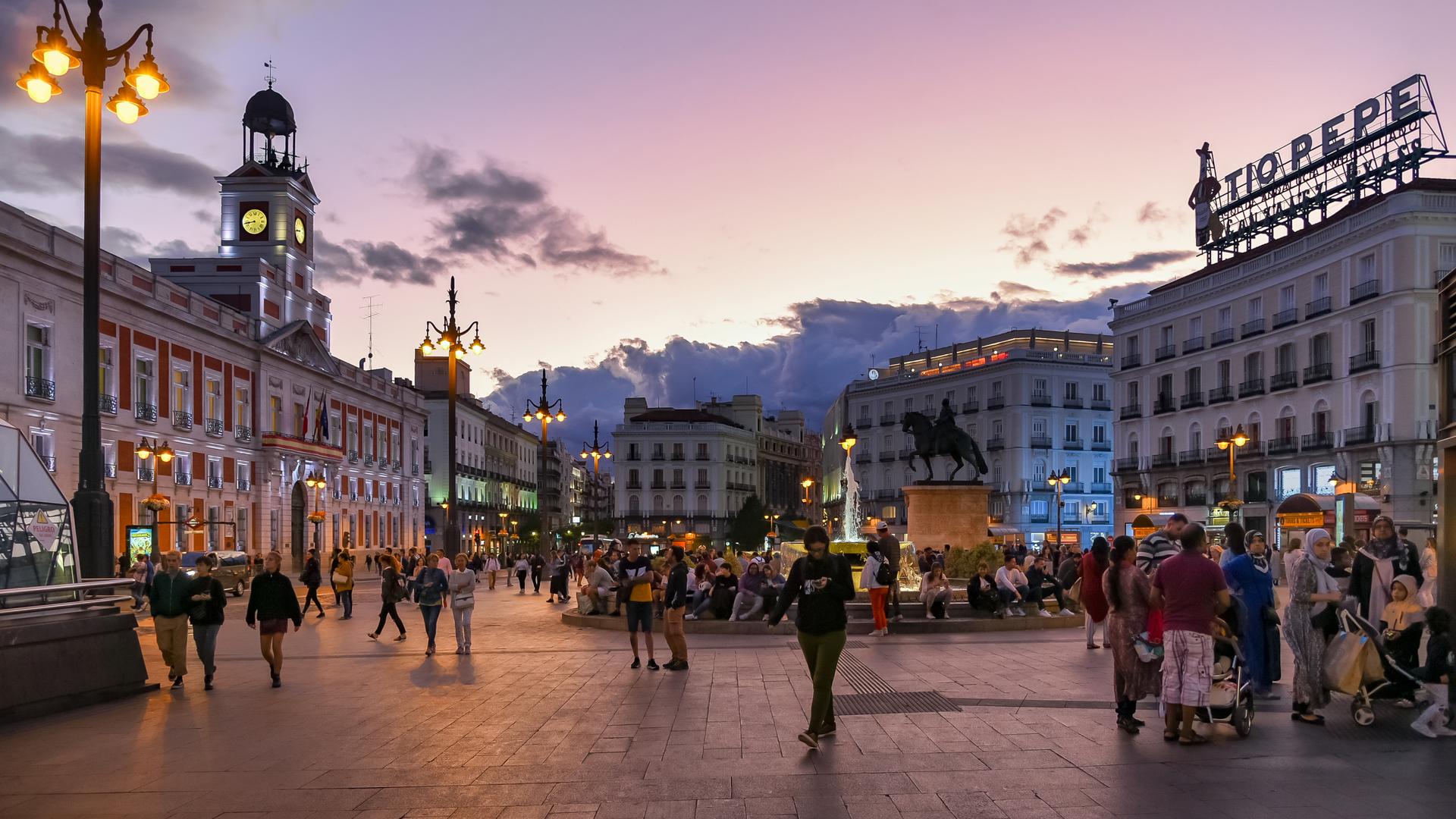
Looking beyond Medieval Abbey? Discover Madrid for broader travel guides, local hot-spots, and regional highlights.
Explore Madrid