El Pardo Royal Palace, Madrid Travel Guide
Sixteenth-century royal hunting palace in Madrid's northern forests, blending Renaissance halls, Franco-era history, and expansive gardens amid wildlife-rich hills.
Nestled in the verdant hills of El Pardo, this 16th-century royal residence blends Renaissance grandeur with hunting lodge simplicity. Explore opulent chambers, manicured gardens, and tapestries that whisper tales of Spanish monarchs from Felipe II to Franco. A serene escape revealing Madrid's layered royal legacy amid pine-scented forests.
A brief summary to El Pardo Royal Palace
- C. Manuel Alonso, s/n, Madrid, El Pardo, Madrid, 28048, ES
- Click to display
- Click to display
- Mid ranged
-
 Mixed
Mixed
- Mobile reception: 4 out of 5
- Tuesday 10 am-6 pm
- Wednesday 10 am-6 pm
- Thursday 10 am-6 pm
- Friday 10 am-6 pm
- Saturday 10 am-6 pm
- Sunday 10 am-6 pm

Know before you go
Hi, I'm Eve. Here are a few practical things to know before exploring El Pardo Royal Palace.
- Combine your visit with a hike in adjacent Monte de El Pardo for deer sightings and panoramic views enhancing the royal hunting theme.
- Early mornings yield quieter palace tours and optimal light for photographing gardens and interiors.
- Explore El Pardo village post-visit for authentic tapas reflecting local falconry and forest traditions.
- Wear comfortable shoes for gravel paths and uneven stone floors throughout the palace and grounds.
Do you manage this location?
Take control to get all the benefits, like improved information, better appearance, and stronger visibility across AI-powered discovery. Learn more about listing your business on Evendo
Activate your presenceOther nearby places you may find interesting
The closest places of the same kind, if this one is not quite what you had in mind.
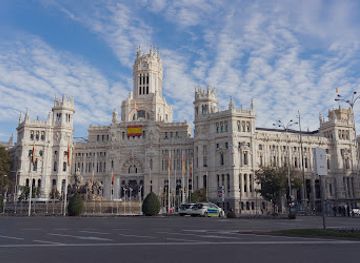
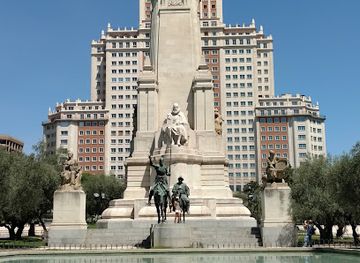
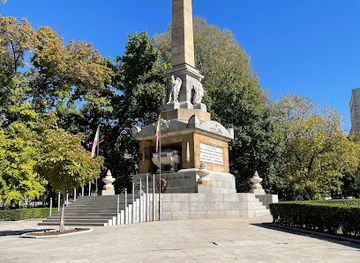
Explore El Pardo Royal Palace on the Map
A handpicked selection of must-see spots near El Pardo Royal Palace, mapped for you.
Unlock the Best of El Pardo Royal Palace
Buy tickets
-
No tickets available
Book tours with entry
-
No tours available
Book tours without entry

Getting There
-
Bus
Take EMT bus 124 or 125 from Plaza de Castilla (20-30 min, €1.50, every 15-30 min) directly to El Pardo, then 10-min walk.
-
Subway + Bus
Metro Line 10 to Hospital Severo Ochoa (25 min from center, €1.50-2), transfer to 127 bus (15 min, €1.50) to palace entrance.
-
Taxi
Taxi from central Madrid (25-35 min, €25-35 depending on traffic), direct drop-off at palace gates.
-
Driving
Drive A-6 north then M-607 (25-35 min, free parking nearby), navigate to El Pardo via signed royal sites.
For the on-the-go comforts that matter to you
-
 Restrooms
-
 Food Options
-
 Seating Areas
-
 Sheltered Areas
-
 Information Boards
-
 Visitor Center
Discover more about El Pardo Royal Palace
Historical Foundations
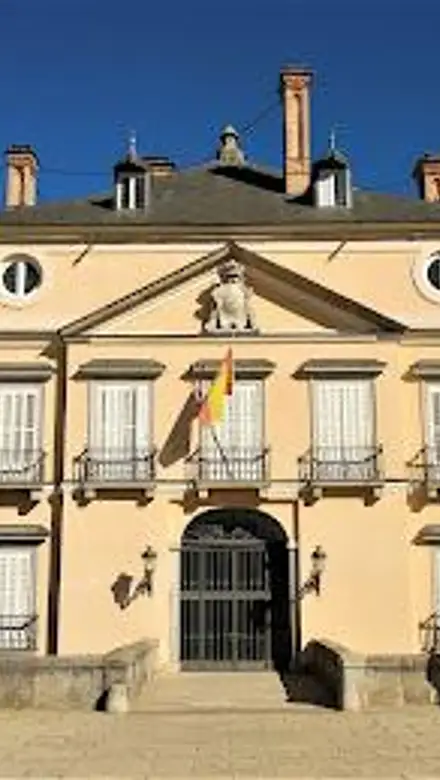
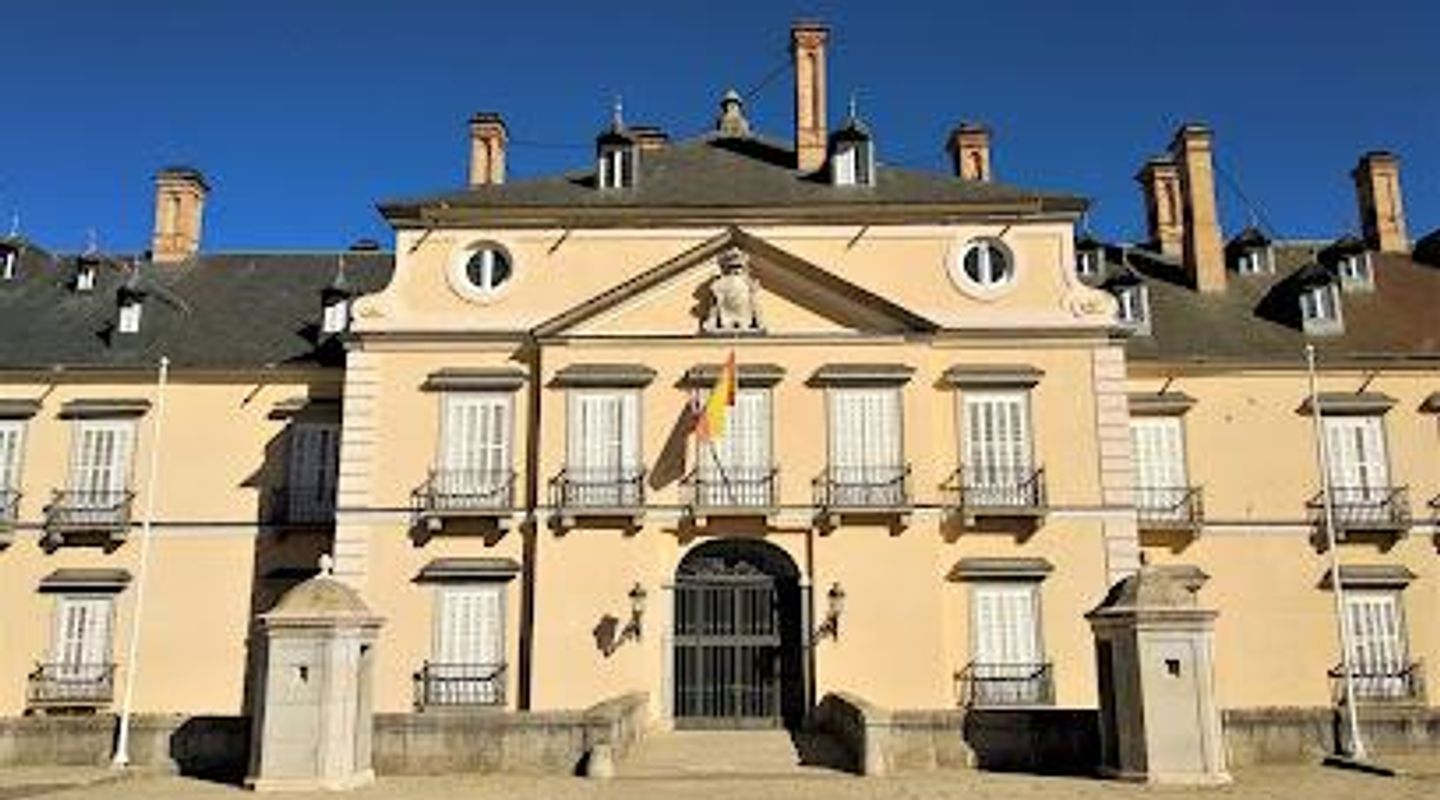
The Palacio Real de El Pardo originated as a modest hunting lodge in the early 16th century under Carlos I, evolving into a grand royal seat during Felipe II's reign. Unlike the ornate Palacio Real in central Madrid, El Pardo embodies a more restrained Renaissance style adapted to its forested surroundings. Spanish monarchs favored it for retreats, hosting pivotal diplomatic encounters and family sojourns. During the 20th century, it served as General Franco's official residence until 1975, layering modern Spanish history onto its Bourbon foundations. Today, managed by Spain's National Heritage, it stands as a testament to evolving royal tastes and political shifts.Architectural Splendor
Step through imposing portals into halls adorned with frescoed ceilings and intricate stucco work by Italian masters. The palace's facade presents a balanced symmetry of stone and brick, crowned by slate roofs typical of Spanish Renaissance design. Interiors boast cavernous salons hung with Gobelin tapestries depicting mythological scenes, commissioned for the court. Bedrooms and private quarters reveal personal touches—ornate four-poster beds, porcelain collections, and period furnishings evoking 18th-century luxury. The chapel, with its gilded altarpiece, offers quiet reflection amid Baroque flourishes. Surrounding structures include carriage houses and stables, remnants of the site's equestrian past.Garden Escapes and Grounds
Beyond the palace, expansive formal gardens unfold in geometric parterres clipped from boxwood and lavender, echoing Versailles on a Spanish scale. Fountains murmur along gravel paths, while citrus groves provide shaded walks fragrant with orange blossoms in season. The grounds merge into Monte de El Pardo, a vast nature reserve teeming with deer and wild boar—echoing the site's hunting heritage. Terraced viewpoints overlook the Manzanares valley, framing the palace against Sierra de Guadarrama peaks. These outdoor spaces invite leisurely exploration, blending cultivated elegance with untamed woodland.Cultural and Artistic Treasures
Art lovers encounter masterpieces from the royal collection, including portraits by Goya and Velázquez precursors. Porcelain rooms gleam with Meissen and Buen Retiro pieces, while armories display ceremonial swords and period firearms. The site's role in diplomacy shines through preserved salons used for treaties and receptions. Rotating exhibits highlight royal portraits and decorative arts, contextualizing Spain's artistic patronage. The palace's relative seclusion fosters intimate encounters with heritage, free from urban crowds.Atmosphere and Visitor Experience
El Pardo exudes a contemplative vibe, its hushed corridors and sun-dappled gardens contrasting Madrid's bustle. Visitors wander self-guided or via audio tours, absorbing centuries of monarchy through preserved authenticity. The surrounding village of El Pardo adds rustic charm with tapas bars and falconry traditions. Photographers capture light filtering through leaded windows, while history buffs ponder Franco-era echoes in unaltered chambers. This multifaceted site rewards patient discovery, unveiling Madrid's northern royal outpost.Legacy in Modern Context
Protected within a national monument designation, El Pardo sustains its legacy through meticulous conservation. Its dual role as royal retreat and political residence underscores Spain's transition from absolutism to democracy. Nearby Monte de El Pardo bolsters biodiversity efforts, with trails weaving cultural history into natural preservation. For travelers, it offers a nuanced portrait of Spanish identity—regal yet rooted, opulent yet approachable.












Your all‑in‑one travel companion app
Explore expert travel guides, compare and book tours, experiences, hotels, and more—all from the palm of your hand. Download now for seamless trip planning wherever your wanderlust takes you.


Explore More of Madrid
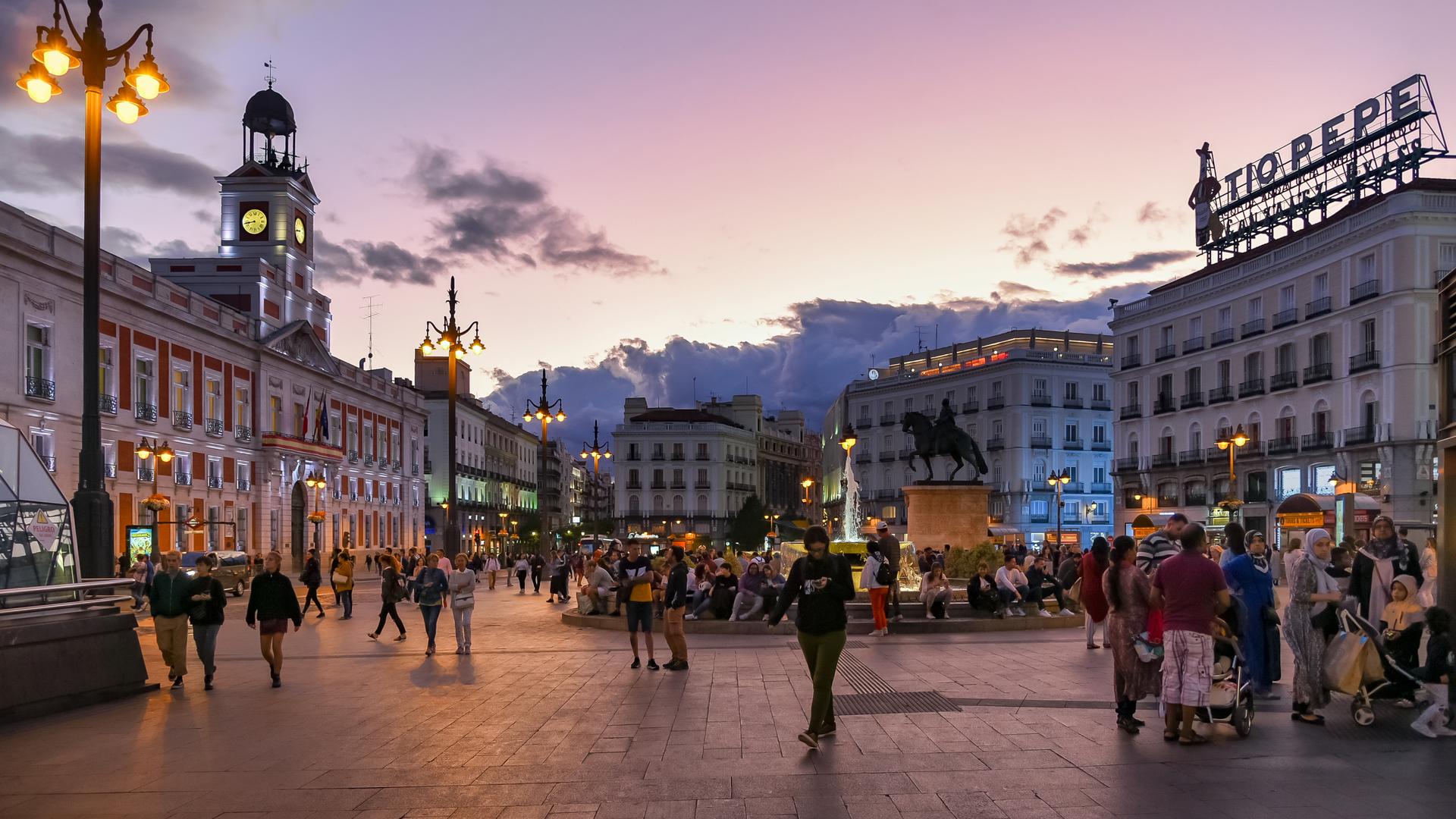
Looking beyond El Pardo Royal Palace? Discover Madrid for broader travel guides, local hot-spots, and regional highlights.
Explore Madrid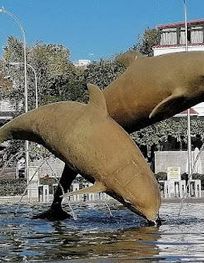
Dolphins frozen in eternal leaps spout water in Chamartín's bustling plaza, blending sculptural play with Madrid's street-side serenity for instant urban refreshment.

Baroque gardens of El Pardo's noble past, where formal parterres meet wild Madrid woodlands in timeless symmetry.