Valley of Cuelgamuros: Spain's Monumental Memorial Complex
Monumental basilica hewn from Sierra granite, crowned by Europe's towering cross, honors Civil War fallen in Guadarrama's dramatic valley setting.
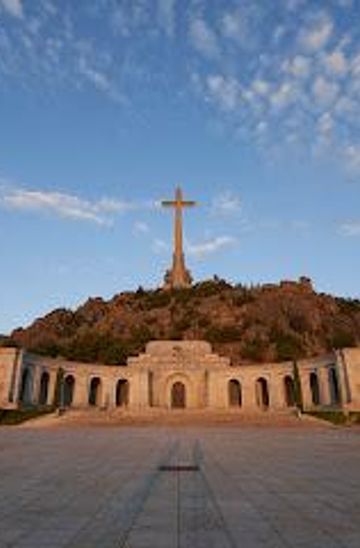
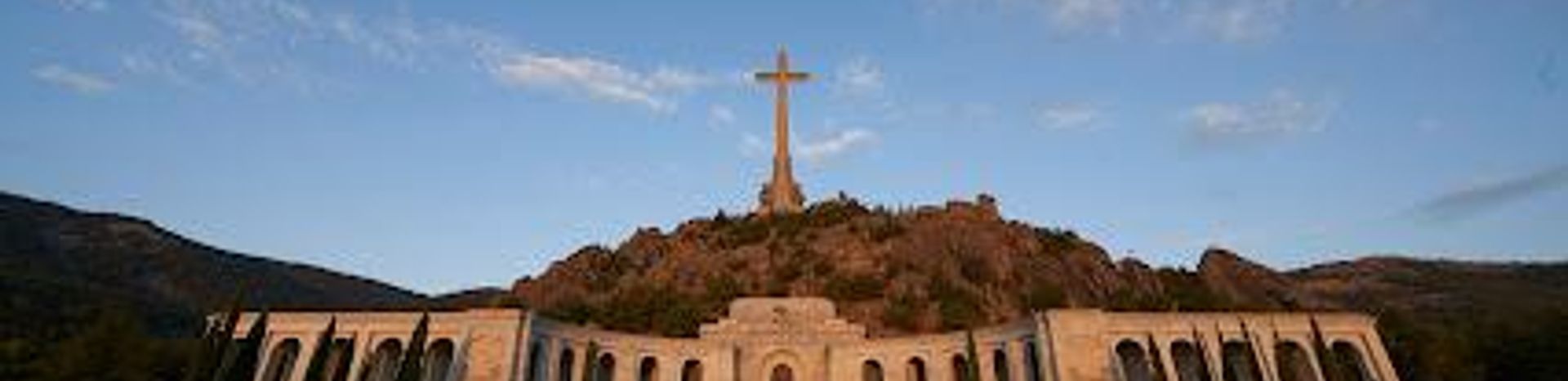
In the rugged foothills of the Sierra de Guadarrama, the Valley of Cuelgamuros stands as a vast memorial ensemble blending immense architecture, solemn history, and natural drama. This sprawling site features a towering cross, a grand basilica carved into the mountain, and an abbey, commemorating Franco-era figures amid pine forests and granite peaks. A place of reflection where monumental scale meets contemplative silence.
A brief summary to Finca de Cuelgamuros
- Carretera de Guadarrama/El Escorial, San Lorenzo de El Escorial, Madrid, 28209, ES
- Click to display
- Click to display
- Budget
-
 Outdoor
- Mobile reception: 4 out of 5
- Tuesday 10 am-6 pm
- Wednesday 10 am-6 pm
- Thursday 10 am-6 pm
- Friday 10 am-6 pm
- Saturday 10 am-6 pm
- Sunday 10 am-6 pm

Know before you go
Hi, I'm Eve. Here are a few practical things to know before exploring Finca de Cuelgamuros.
- Opt for guided tours to unlock crypt access and detailed historical context unavailable in self-guided visits.
- Visit midweek to sidestep weekend pilgrim crowds, especially during national remembrance dates.
- Layer clothing for mountain microclimates; winds intensify atop the esplanade even in summer.
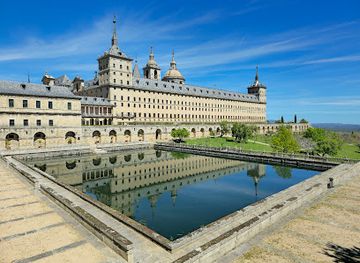
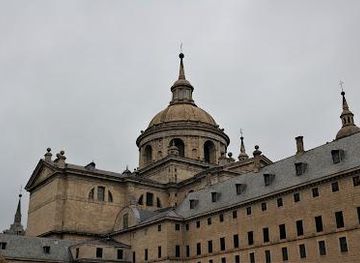
- Combine with nearby El Escorial Monastery for a full day tracing Habsburg-to-Franco architectural legacies.
- Approach respectfully; the site's dual role as cemetery and symbol warrants subdued photography inside sacred areas.
Do you manage this location?
Take control to get all the benefits, like improved information, better appearance, and stronger visibility across AI-powered discovery. Learn more
Activate your presenceOther nearby places you may find interesting
Getting There
-
Train
Cercanías C-3 or C-8 from Madrid-Atocha or Chamartín to El Escorial station (1 hour, €5-7), then 15-minute taxi €15-20.
-
Bus
Line 664 from Moncloa interchange to San Lorenzo de El Escorial (1 hour, €3-5), followed by 20-minute uphill walk or local taxi.
-
Driving
A-6 northwest then M-600 to Carretera de Guadarrama (50 minutes, tolls €5-10 roundtrip), ample parking at site entrance.
For the on-the-go comforts that matter to you
-
 Restrooms
-
 Food Options
-
 Seating Areas
-
 Sheltered Areas
-
 Information Boards
-
 Visitor Center
Discover more about Finca de Cuelgamuros
Historical Foundations
The Valley of Cuelgamuros emerged during the Spanish Civil War and early Franco regime as a monumental project to honor the fallen from the Nationalist side. Construction began in 1940 under architect Pedro Muguruza and sculptor Juan de Ávalos, transforming a natural valley into a symbolic necropolis. Over 33,000 combatants rest in its crypts, alongside a symbolic tomb for 150,000 more, reflecting the era's ideological drive to create enduring legacy through stone and earthwork.Architectural Grandeur
At the heart rises the Basilica of the Valley of the Fallen, hewn directly into the granite mountainside with its 150-meter entrance vault leading to cavernous interiors. Above soars a 150-meter cross, one of Europe's tallest, anchoring the esplanade flanked by 4-kilometer colonnades. The Benedictine Abbey integrates seamlessly, its cloisters and gardens providing monastic seclusion amid the monumental scale. Every element—from the esplanade's vast paving to the crypt's ribbed vaults—employs raw materials quarried on-site, forging harmony between human ambition and rugged terrain.Symbolic Elements and Artistic Mastery
Sculptural ensembles dominate: the massive angel at the altar, biblical figures along the facade, and the poignant 'Fallen' group portraying camaraderie in death. Frescoes by César Francia adorn the basilica's dome, while stained glass filters light through theological motifs. The site's axis aligns with cosmic precision, channeling views toward the altar and cross, evoking eternal vigilance. These artworks, forged in post-war Spain, blend classical heroism with Catholic iconography, demanding contemplation of sacrifice and transcendence.Natural Integration and Landscape Drama
Nestled 50 kilometers northwest of Madrid, the valley harnesses the Sierra's austere beauty—pine-clad slopes, sheer cliffs, and Guadarrama River echoes. The esplanade commands panoramic vistas, where mountain winds carry a hush over reflecting pools. Seasons transform it: autumn golds the forests, winter dusts the cross in frost, spring wildflowers carpet paths. This symbiosis of nature and artifice amplifies the site's gravity, positioning visitors amid elemental forces that mirror human transience.Cultural and Political Resonance
Designated a national heritage site, Cuelgamuros embodies 20th-century Spain's turbulent memory. Recent transitions toward inclusive remembrance have broadened its narrative, incorporating victims from both Civil War sides. Scholars debate its fascist aesthetics against its spiritual aspirations, making it a focal point for historical discourse. For travelers, it offers unfiltered engagement with Spain's past, where architecture provokes questions on glory, loss, and reconciliation.Visitor Immersion
Approach reveals the cross piercing the sky, drawing eyes across the plain to the mountain's maw. Inside, acoustics amplify footsteps in the basilica's depths, light shafts illuminating tombs. Exterior paths wind through gardens, rewarding with overlooks where Sierra peaks frame the monument. The atmosphere fuses reverence with awe, urging pauses amid colonnades to absorb the scale. Here, history materializes not as text, but lived space echoing collective memory.Explore the best of what Finca de Cuelgamuros has to offer













More about Madrid Community
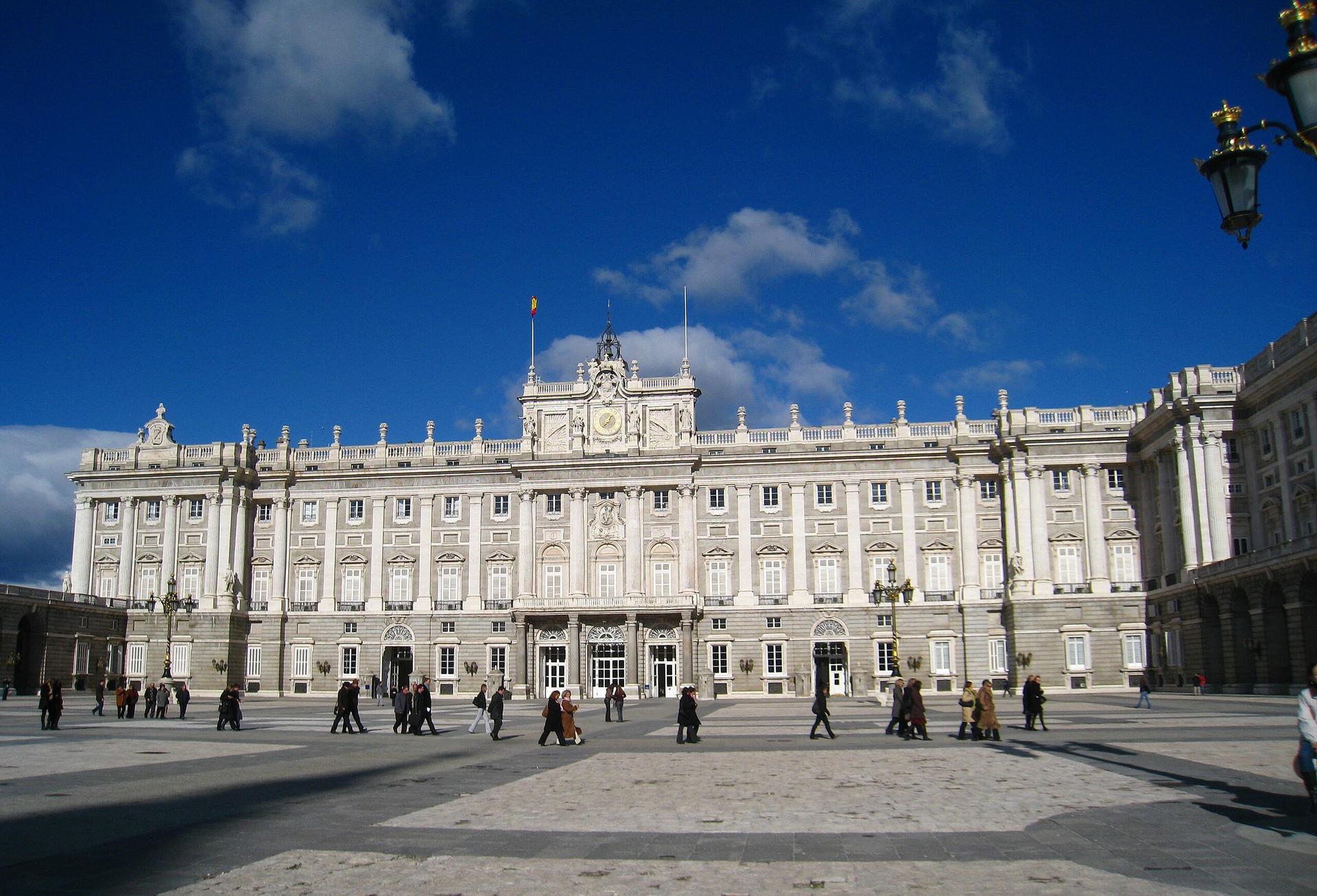
Discover the heart of Spain in the Madrid Community: a vibrant region rich in history, culture, and breathtaking landscapes.
Tell me more about Madrid Community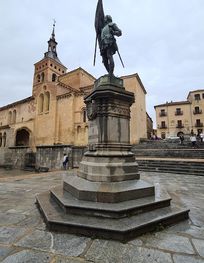
Explore the Monumento a Juan Bravo in Segovia, a stunning tribute to local heroism amidst the city's rich history and captivating architecture.

Explore the grand Royal Site of San Lorenzo de El Escorial, a UNESCO World Heritage site that embodies Spain's rich royal heritage and architectural splendor.