Monument to Felipe IV, Madrid Travel Guide
Madrid's rearing bronze king atop Plaza de Oriente fuses Velázquez vision with Tacca engineering for a 17th-century equestrian icon of Habsburg power.
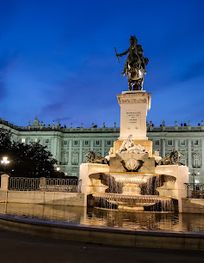
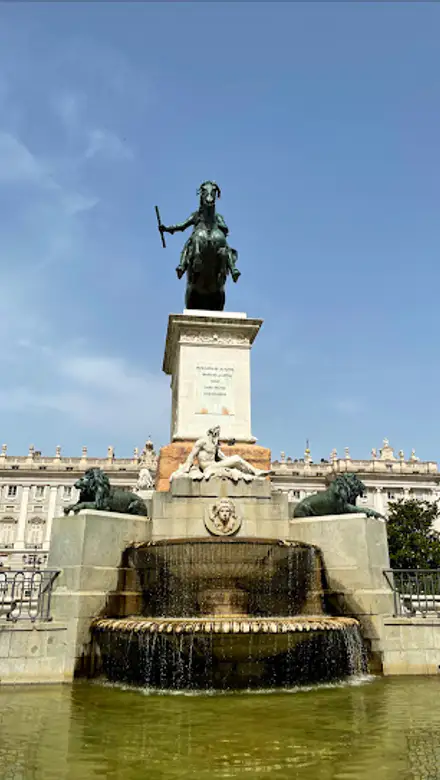
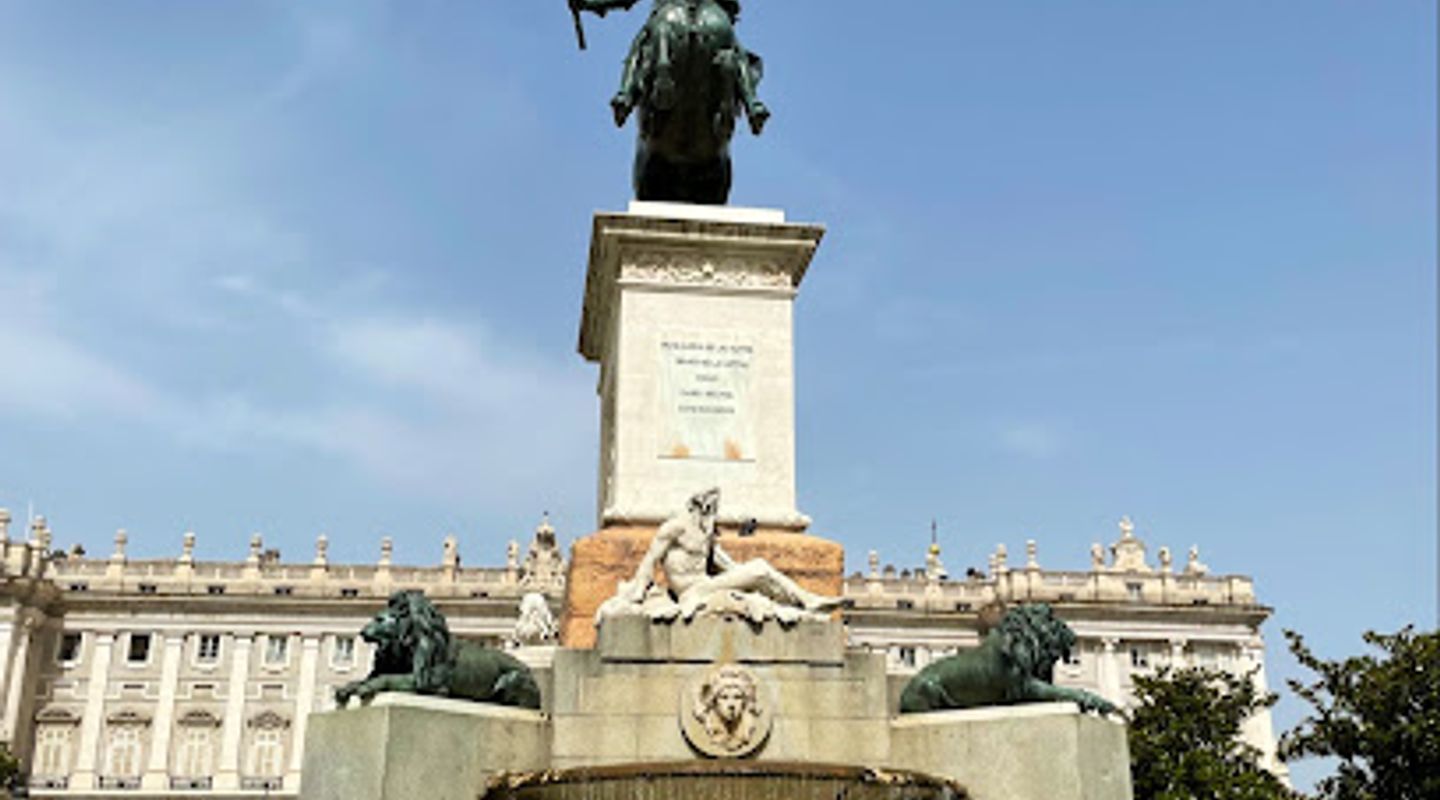
Towering equestrian bronze statue of King Felipe IV commands Plaza de Oriente in Madrid's historic heart. Pietro Tacca's 17th-century marvel, reimagined by Velázquez, showcases dynamic equine motion and royal grandeur amid grand palaces and gardens.
A brief summary to Monument to Felipe IV
- Pl. de Ote., Madrid, Centro, Madrid, 28013, ES
- Free
-
 Outdoor
- Mobile reception: 5 out of 5

Know before you go
Hi, I'm Eve. Here are a few practical things to know before exploring Monument to Felipe IV.
- Visit at dawn or dusk for optimal lighting on the bronze surfaces and fewer crowds in the plaza.
- Combine with Palacio Real entry ticket for plaza access and contextual royal history.
- Walk full circle around the base to appreciate engineering balance from all angles.
- Note nearby statues of Gothic kings lining the plaza for a complete Habsburg ensemble.
Do you manage this location?
Take control to get all the benefits, like improved information, better appearance, and stronger visibility across AI-powered discovery. Learn more about listing your business on Evendo
Activate your presenceOther nearby places you may find interesting
The closest places of the same kind, if this one is not quite what you had in mind.
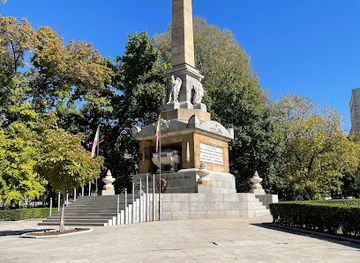
Explore Monument to Felipe IV on the Map
A handpicked selection of must-see spots near Monument to Felipe IV, mapped for you.
Unlock the Best of Monument to Felipe IV
Buy tickets
-
No tickets available
Book tours with entry


Getting There
-
Metro
Take Metro Line 2 or 3 to Opera station, 5-minute walk, €1.50-2 single ticket, frequent service every 3-5 minutes.
-
Walking
From Puerta del Sol, 15-minute walk west via Calle Bailén, free, scenic through historic Centro district.
-
Bus
Bus lines 3 or 25 from Sol or Callao, 8-10 minutes, €1.50 single ticket, every 10 minutes daytime.
For the on-the-go comforts that matter to you
-
 Restrooms
-
 Drink Options
-
 Food Options
-
 Seating Areas
-
 Trash Bins
-
 Information Boards
Discover more about Monument to Felipe IV
Historical Origins
Commissioned in 1634 by King Philip IV of Spain, this monumental equestrian statue honors the Habsburg monarch during Spain's Golden Age. Designed by court painter Diego Velázquez, who provided detailed sketches of the king in dynamic pose, Italian sculptor Pietro Tacca crafted the bronze masterpiece in Florence. Shipped in pieces, it faced engineering challenges upon arrival in Madrid, requiring innovative solutions to balance the rearing horse without visible support.Engineering Marvel
The statue's ingenious design relies on counterweights: the horse rears on its hind legs while the king's forward-leaning posture and outstretched arm create perfect equilibrium. Cast in bronze using lost-wax technique, the 27-ton figure stands over 10 meters tall on a granite pedestal. Tail, mane, and muscles rendered with lifelike tension capture motion frozen in time, a technical feat for its era that influenced future equestrian sculptures worldwide.Artistic Significance
Velázquez's influence imbues the king with regal authority and realism, his armor, sash, and commanding gaze reflecting absolutist power. The horse's anatomical precision and dramatic rearing pose symbolize controlled might. Unveiled in 1654 after decades of refinement, it became a symbol of Spanish artistic prowess, blending Italian craftsmanship with Spanish vision in the Baroque style.Plaza de Oriente Setting
Dominating Plaza de Oriente's eastern edge, the monument anchors a neoclassical square framed by the Royal Palace to the west and the Almudena Cathedral nearby. Formal gardens, fountains, and statues of Spanish kings surround it, creating a harmonious ensemble of royal heritage. The plaza's open expanse allows unobstructed views, enhancing the statue's imposing scale against Madrid's skyline.Cultural Role
Central to Madrid's ceremonial life, the monument witnesses royal events, protests, and daily promenades. It marks the transition from medieval to modern Madrid, linking Habsburg legacy to contemporary urban vitality. Photographers and artists flock here for its photogenic angles, while historians appreciate its role in understanding 17th-century sculpture evolution.Visitor Perspective
Approach from the plaza's edges to grasp its full height and drama, especially at golden hour when bronze gleams. Circling reveals intricate details like the horse's veins and the king's hat plume. Integrated into walking routes from Palacio Real, it offers a quick yet profound encounter with Spain's monarchical past amid bustling city energy.












Your all‑in‑one travel companion app
Explore expert travel guides, compare and book tours, experiences, hotels, and more—all from the palm of your hand. Download now for seamless trip planning wherever your wanderlust takes you.


Explore More of Madrid
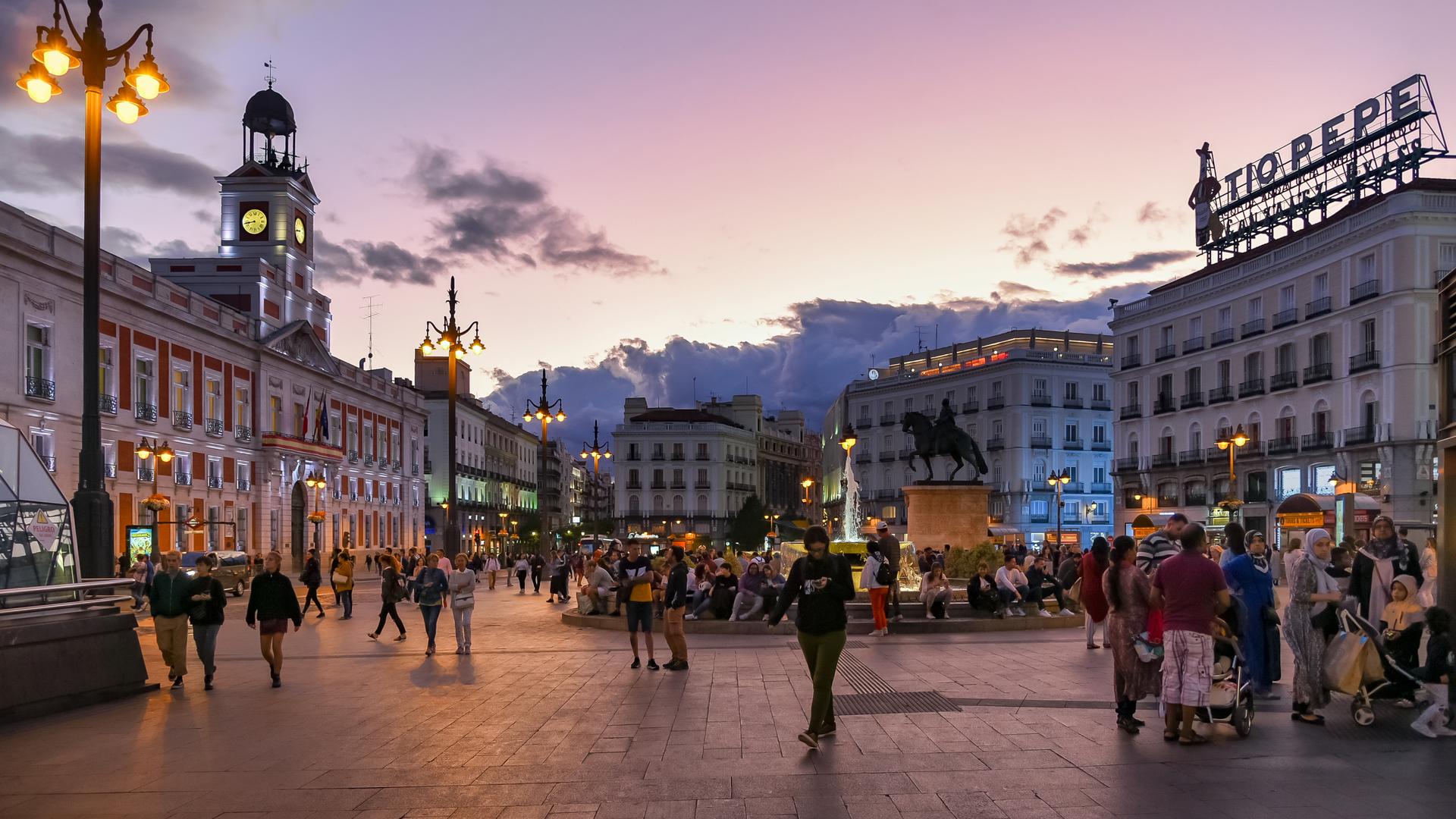
Looking beyond Monument to Felipe IV? Discover Madrid for broader travel guides, local hot-spots, and regional highlights.
Explore Madrid