El Retiro Park, Madrid Travel Guide
Madrid's timeless green sanctuary where royal heritage meets urban escape.
Madrid's most iconic green space, El Retiro Park spans 125 hectares of manicured gardens, serene lakes, and cultural monuments. Home to the Crystal Palace, rowing boats, and countless shaded pathways, this 17th-century royal retreat transforms into a living gallery where locals and visitors alike find respite from the bustling city streets.
A brief summary to El Retiro Park
- Madrid, Retiro, Madrid, 28009, ES
- Click to display
- Free
-
 Outdoor
- Mobile reception: 4 out of 5
- Monday 6 am-12 am
- Tuesday 6 am-12 am
- Wednesday 6 am-12 am
- Thursday 6 am-12 am
- Friday 6 am-12 am
- Saturday 6 am-12 am
- Sunday 6 am-12 am

Know before you go
Hi, I'm Eve. Here are a few practical things to know before exploring El Retiro Park.
- Rent a rowing boat on the central lake early in the morning for a peaceful experience with fewer crowds and optimal light for photography.
- Visit the Crystal Palace during late afternoon when the setting sun illuminates the glass structure, creating dramatic reflections and ideal photography conditions.
- Explore the park's eastern sections and hidden gardens beyond the main monuments to discover quieter areas with local atmosphere away from tourist concentrations.
- Check the park's event calendar before visiting—temporary art installations and cultural performances frequently occur and significantly enhance the experience.
- Bring comfortable walking shoes and water; the park spans 125 hectares and distances between major attractions are greater than they initially appear.
Do you manage this location?
Take control to get all the benefits, like improved information, better appearance, and stronger visibility across AI-powered discovery. Learn more about listing your business on Evendo
Activate your presenceOther nearby places you may find interesting
The closest places of the same kind, if this one is not quite what you had in mind.



Explore El Retiro Park on the Map
A handpicked selection of must-see spots near El Retiro Park, mapped for you.
Unlock the Best of El Retiro Park
Buy tickets
-
No tickets available
Book tours with entry


Getting There
-
Metro + Walk
Take Metro Line 2 toward Cuatro Caminos and exit at Retiro station. From the station, follow signs to the park's main entrance at Puerta de Alcalá. Journey time approximately 15-25 minutes depending on your starting point in Madrid's center. This is the most direct and popular option.
-
Bus
Multiple bus lines serve the park's perimeter including lines 9, 19, 28, and 37. Board at central locations and alight at stops near Puerta de Alcalá or Puerta de España. Journey time 20-30 minutes. Buses offer flexibility if you're unfamiliar with metro routes.
-
Bicycle
Use Madrid's public bike-sharing system (BiciMAD) to reach the park from central Madrid. Multiple docking stations exist around the park's perimeter. This option takes 15-20 minutes from Plaza Mayor and offers flexibility for exploring different park entrances.
-
Walking
From central Madrid locations like Plaza Mayor or Puerta del Sol, walking to the park takes 25-35 minutes. Head east through the city center toward Paseo del Prado, then continue to Puerta de Alcalá. This approach allows you to experience Madrid's urban fabric before entering the park.
For the on-the-go comforts that matter to you
-
 Restrooms
-
 Drink Options
-
 Drinking Water
-
 Food Options
-
 Seating Areas
-
 Sheltered Areas
-
 Picnic Areas
-
 Trash Bins
-
 Information Boards
Discover more about El Retiro Park
A Royal Legacy Reimagined
El Retiro Park originated in the 17th century as a private retreat for Spanish royalty, designed as an extension of the nearby Royal Palace. The name itself—"retiro" means "retreat" in Spanish—reflects its original purpose as a sanctuary for contemplation and leisure. What began as an exclusive royal domain has evolved into one of Europe's most beloved public parks, maintaining its aristocratic elegance while welcoming millions of visitors annually. The park's transformation from private estate to democratic public space mirrors Madrid's own journey through centuries of cultural and political change.Landscape and Architecture
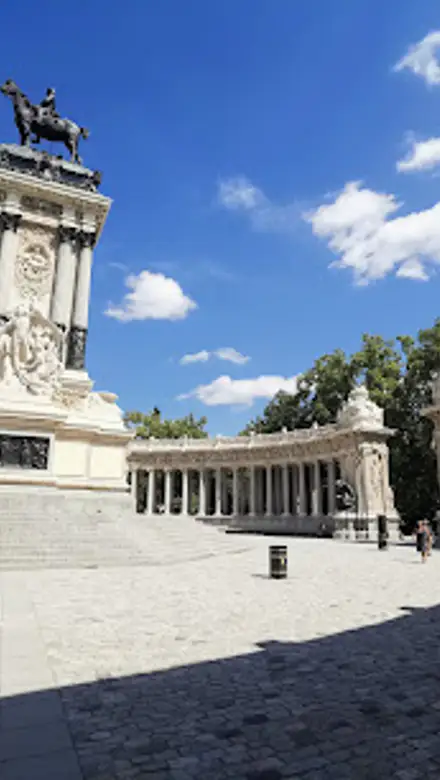
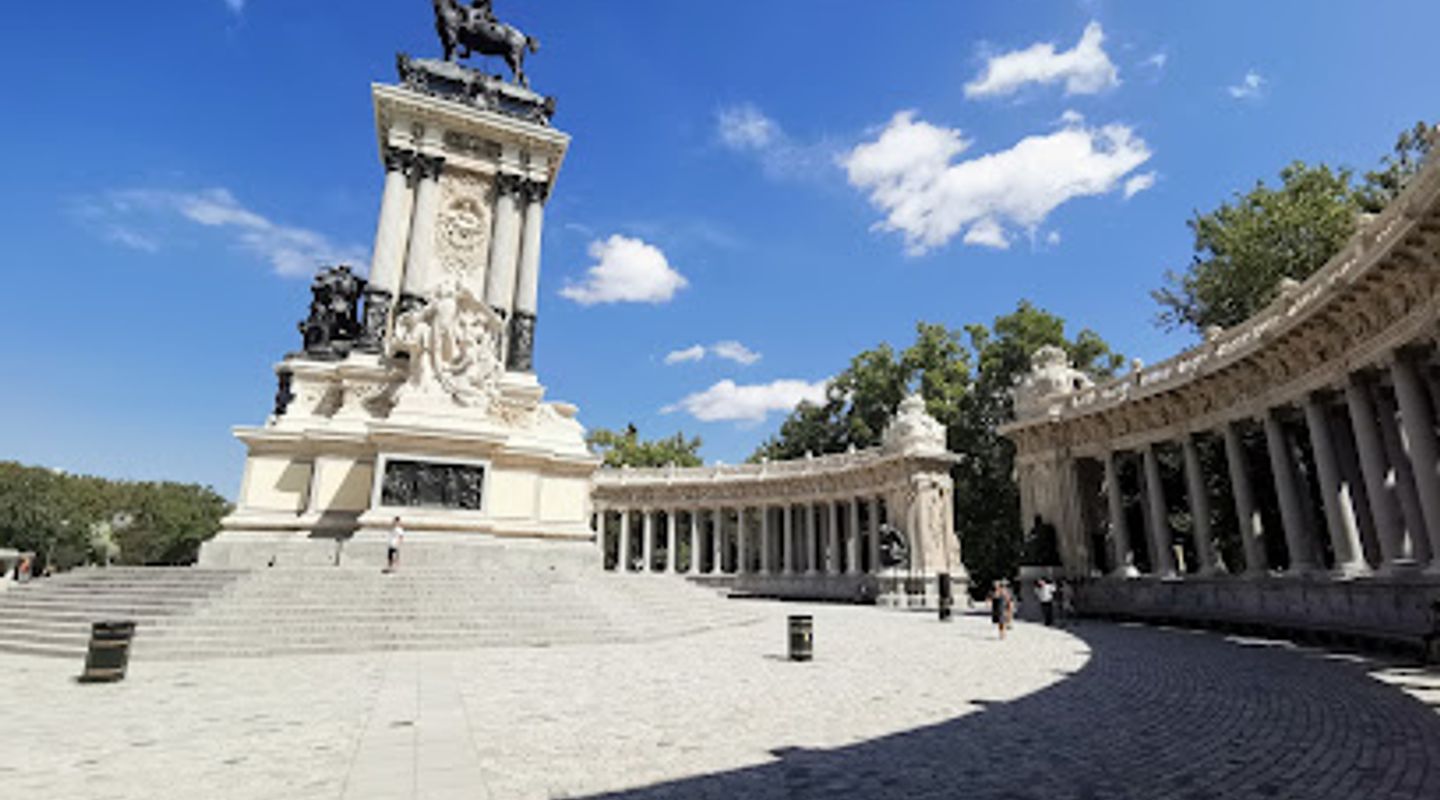
The park's 125 hectares contain a carefully orchestrated blend of formal gardens, tree-lined avenues, and natural water features. The Crystal Palace stands as the park's most photographed monument—a stunning iron and glass structure built in 1887 that reflects the Belle Époque era. Nearby, the Monument to Alfonso XII rises majestically above the park's central lake, its colonnade framing views across the water. The Palacio de Velázquez, another architectural gem, hosts rotating contemporary art exhibitions. Beyond these landmarks, the park reveals itself through intimate discoveries: hidden grottos, sculptural gardens dedicated to poets and artists, and peaceful groves where time seems to pause.The Waters and Recreation
The park's artificial lake—originally created in the 18th century—remains its beating heart. Visitors can rent traditional wooden rowing boats, a quintessentially Madrid experience that offers perspective on the park's scale and beauty. The water reflects surrounding monuments and trees, creating constantly shifting compositions that photographers and painters have captured for generations. Beyond the main lake, smaller ponds and fountains punctuate the landscape, each with its own character and purpose.Flora and Seasonal Rhythms
El Retiro hosts over 9,000 trees representing diverse species from across Spain and the Mediterranean. Spring transforms the park into a canvas of blossoms—cherry trees, magnolias, and flowering shrubs create ephemeral beauty. Summer brings dense green canopy and cooling shade, while autumn paints the landscape in amber and gold. The park's botanical gardens, including the Jardín de Vivaces and specialized plant collections, offer year-round horticultural interest. This seasonal transformation makes the park a destination worth revisiting across different times of year.Cultural and Social Significance
El Retiro functions as Madrid's open-air cultural center. Street performers, musicians, and artists activate the pathways daily. The park hosts temporary art installations, outdoor theater productions, and cultural events throughout the year. It serves as a gathering place for Madrid's diverse communities—families with children, elderly couples, students, tourists, and locals seeking respite. The park's accessibility and free entry make it a true democratic space, where social hierarchies dissolve beneath the trees.Practical Experience
The park's infrastructure supports extended visits without overwhelming its natural character. Cafés and restaurants are discretely positioned rather than dominating the landscape. Pathways range from formal promenades to winding nature trails, accommodating various mobility levels and preferences. The park's size—roughly equivalent to 350 city blocks—means visitors can spend anywhere from a quick stroll to an entire day discovering different zones. Early mornings offer solitude and the best light for photography, while afternoons bring vibrant social energy.












Your all‑in‑one travel companion app
Explore expert travel guides, compare and book tours, experiences, hotels, and more—all from the palm of your hand. Download now for seamless trip planning wherever your wanderlust takes you.


Explore More of Madrid
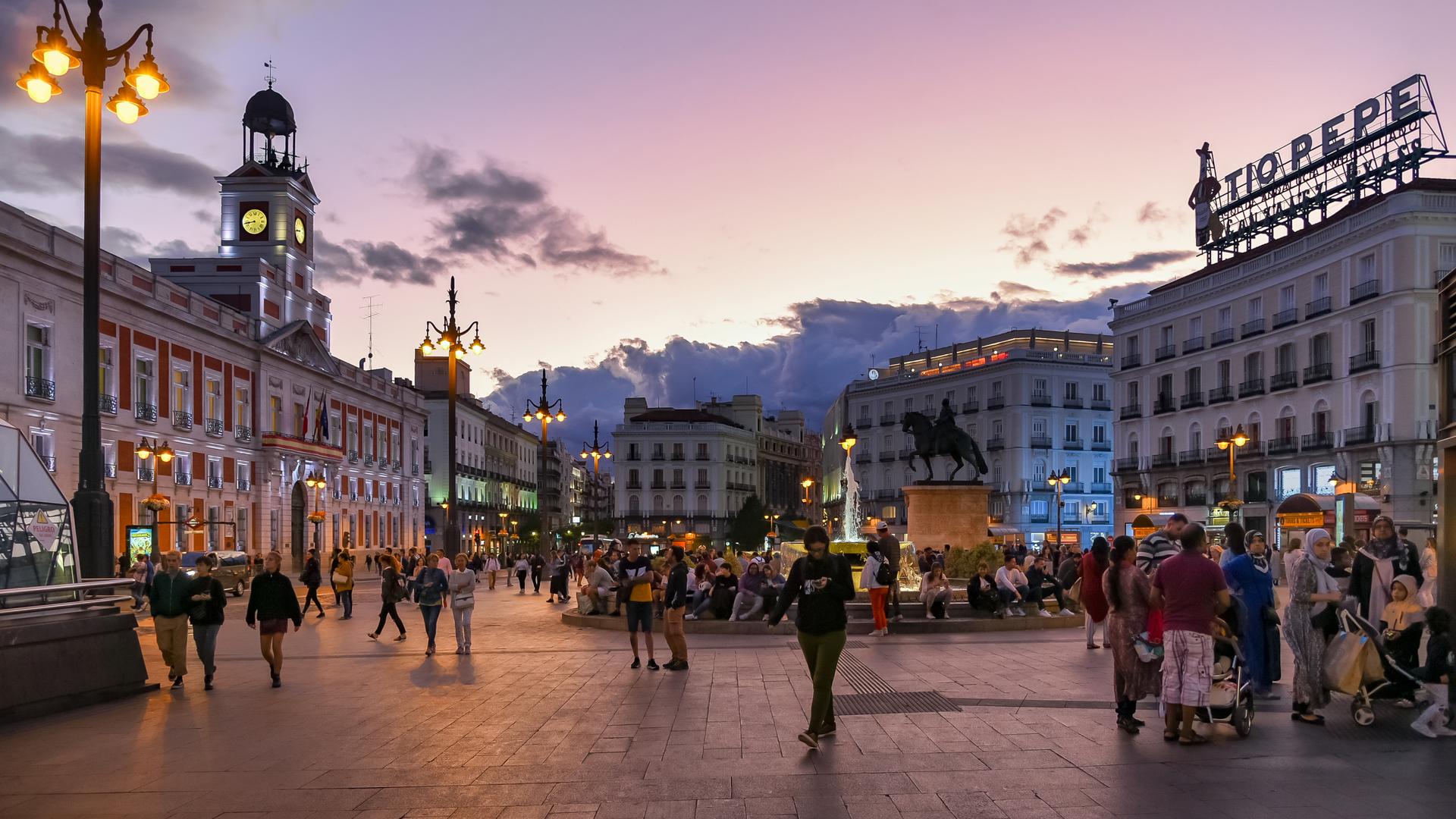
Looking beyond El Retiro Park? Discover Madrid for broader travel guides, local hot-spots, and regional highlights.
Explore Madrid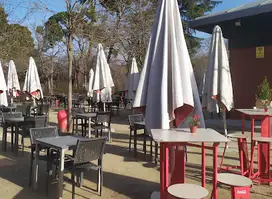
Retiro's terrace bar with sweeping park panoramas, crisp beers and savory bites under Madrid's leafy canopy—prime for sunset toasts amid rose-scented breezes.
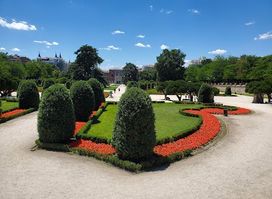
Madrid's Retiro Park gem with Versailles-style parterres, central fountain, and geometric hedges framing seasonal flowers in a compact oasis of formal landscaping.