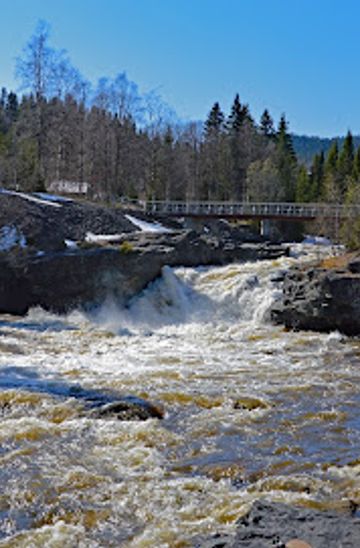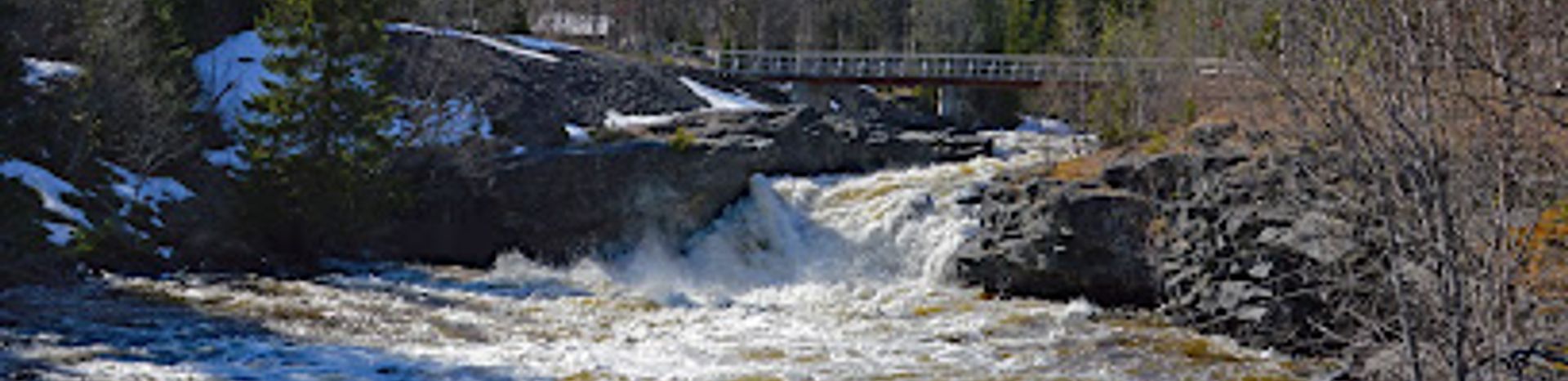
Huså Bruk
Discover 18th-century copper mining heritage at Huså Bruk, where historic forges and Huså Herrgård manor overlook Jämtland's majestic mountains—a preserved slice of Sweden's industrial dawn.
Huså Bruk stands as a testament to Sweden's 18th- and 19th-century industrial heritage in the Jämtland mountains. Established in 1742 following a major copper ore discovery near Åreskutan, this historic ironworks and processing site features preserved structures like the elegant Huså Herrgård manor. Explore remnants of copper smelting operations, mining history exhibits, and the scenic surroundings that once fueled a bustling community. The site offers insights into early industrial life amid stunning Nordic landscapes, with mineral collections and gruvbrytning artifacts highlighting its mining legacy. Free access makes it an accessible highlight for history enthusiasts visiting Järpen.
A brief summary to Huså Bruk
- Huså Pettersvägen 16, Järpen, 830 05, SE
- Duration: 1 to 2.5 hours
- Free
-
 Outdoor
- Mobile reception: 3 out of 5

Know before you go
Hi, I'm Eve. Here are a few practical things to know before exploring Huså Bruk.
- Look for English descriptions at the museum for deeper insights into mining techniques.
- Visit in summer for optimal exploration of outdoor remnants and surrounding trails.
- Combine with a stop at nearby Fröå Gruva for a fuller picture of regional mining history.
Do you manage this location?
Take control to get all the benefits, like improved information, better appearance, and stronger visibility across AI-powered discovery. Learn more
Activate your presenceOther nearby places you may find interesting

Getting There
-
Bus
Take the regional bus from Järpen centrum to Huså stop, 10-15 minutes journey, services every 1-2 hours daily, adult fare 30-50 SEK.
-
Car
Drive from Åre via Route 321 to Huså Pettersvägen, 25-35 minutes from town center, free roadside parking available but limited in peak summer, winter tires required seasonally.
-
Taxi
Hail a taxi from Järpen or Åre train station, 15-25 minutes ride depending on traffic, costs 300-500 SEK one-way, bookable via local apps with 24/7 availability.
-
Walking
Hike from Järpen along marked forest paths, 45-60 minutes moderate uphill terrain, suitable May-October, sturdy boots advised for rocky sections.
For the on-the-go comforts that matter to you
-
 Restrooms
-
 Drink Options
-
 Seating Areas
-
 Information Boards
-
 Trash Bins
Discover more about Huså Bruk
Origins in Copper Riches
The story of Huså Bruk begins in 1742 with a significant discovery of kopparmalm at Skutån above Huså by, igniting the copper epoch in this remote Jämtland valley. This find prompted the establishment of a bruk to process ore from nearby mines like Bielkes gruva and Fröå gruva, transforming the area into a hub of early industrial activity. Workers extracted and refined copper, laying the foundation for a community that thrived on metal production amid the rugged terrain of Åreskutan's northern slopes.Peak of Industrial Prosperity
During the 1700s and 1800s, Huså reached its zenith as ore processing boomed, supporting a vibrant local economy. The bruk's operations extended to related ventures, such as the Järpens ångsåg established in 1881 by its owners, marking a shift toward timber alongside mining. Despite official mine closures around that time, informal extraction persisted, underscoring the site's enduring economic role in Västra Jämtland's inland history.Huså Herrgård's Elegant Legacy
At the heart of the bruk stands Huså Herrgård, constructed between 1835 and 1837 as the residence for brukspatron Gustaf Adolf Montgomery. This stately manor exemplifies neoclassical architecture adapted to the mountain setting, serving as both home and administrative center. Its preserved interiors and surroundings evoke the lives of industrial elites who oversaw operations, blending domestic comfort with the harsh realities of frontier industry.Museum of Mines and Minerals
Today, Huså Gruv- och Bruksmuseum preserves the site's tangible history through gruvbrytning displays and mineralsamling. Artifacts from copper extraction, smelting tools, and geological specimens illustrate the technical challenges overcome by early miners. The museum brings to life the labor-intensive processes that powered Sweden's metallurgical past, offering a window into an era when human ingenuity harnessed mountain resources.Enduring Cultural Landscape
Beyond structures, Huså Bruk embodies a levande kulturmiljö, where industrial remnants integrate with the natural beauty of Jämtland's forests and valleys. The site's evolution from mining boomtown to heritage gem reflects broader shifts in Norrland's economy, from metal forges to modern tourism. Visitors can sense the echoes of hammers on anvils and the scent of smoldering charcoal in this atmospheric relic of innovation.Explore the best of what Huså Bruk has to offer













More about Jamtland
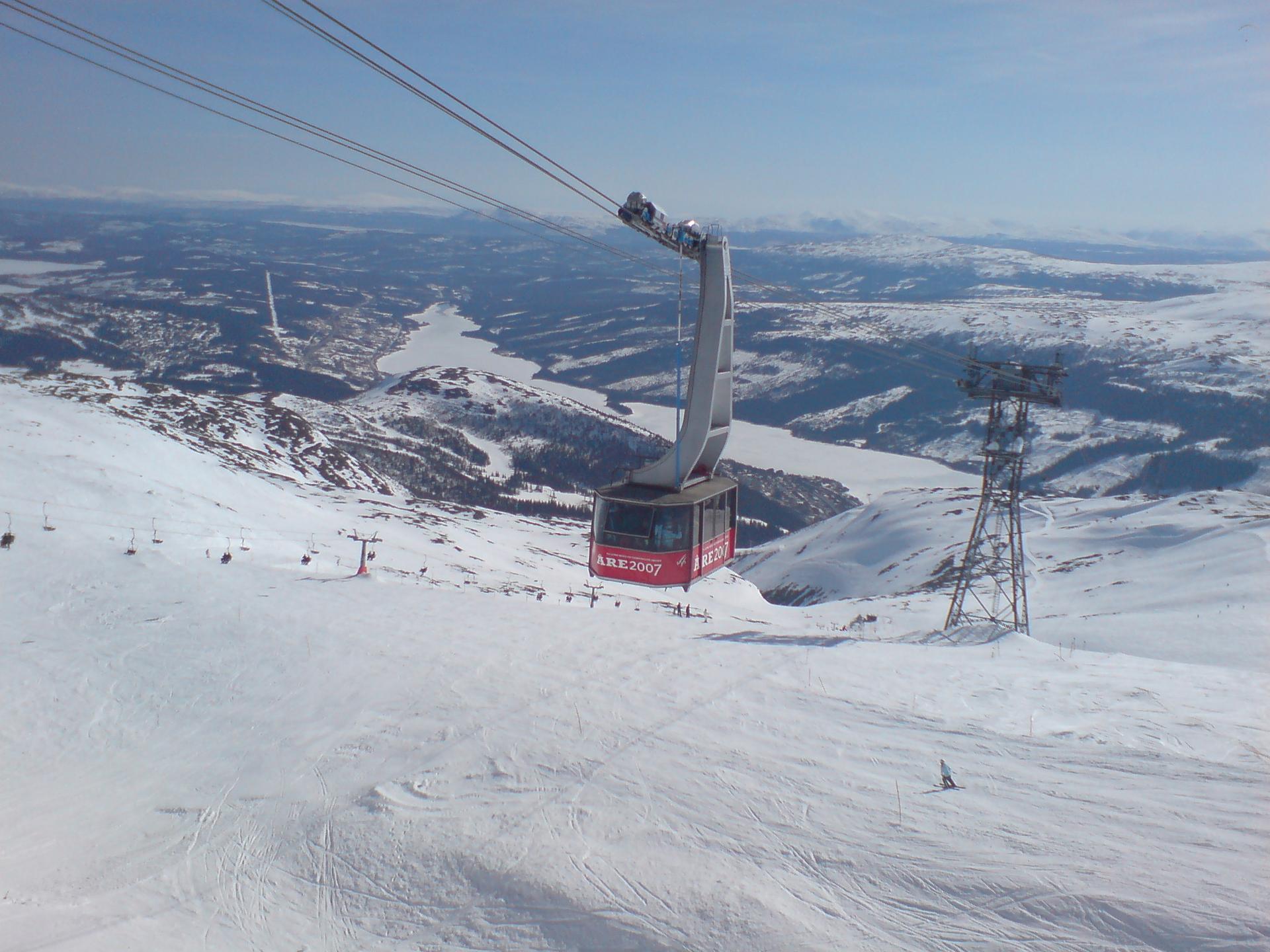
Explore Jämtland: A Swedish gem where natural beauty, outdoor adventure, and rich cultural heritage blend seamlessly.
Tell me more about Jamtland
Ascend to alpine bliss at Rödkulleliften, where chairlift rides reveal Jämtland's peaks, forests, and endless outdoor adventures in Bustadmon.
The practical, year-round visitor hub in Åre village — maps, seasonal advice and connections to guides and activities for confident mountain outings.