Bilkyrkogården Kyrkö Mosse Travel Guide
Free Guide: A surreal peat‑softened graveyard of vintage cars where moss, rust and forest translate decades of motoring into a living outdoor gallery.


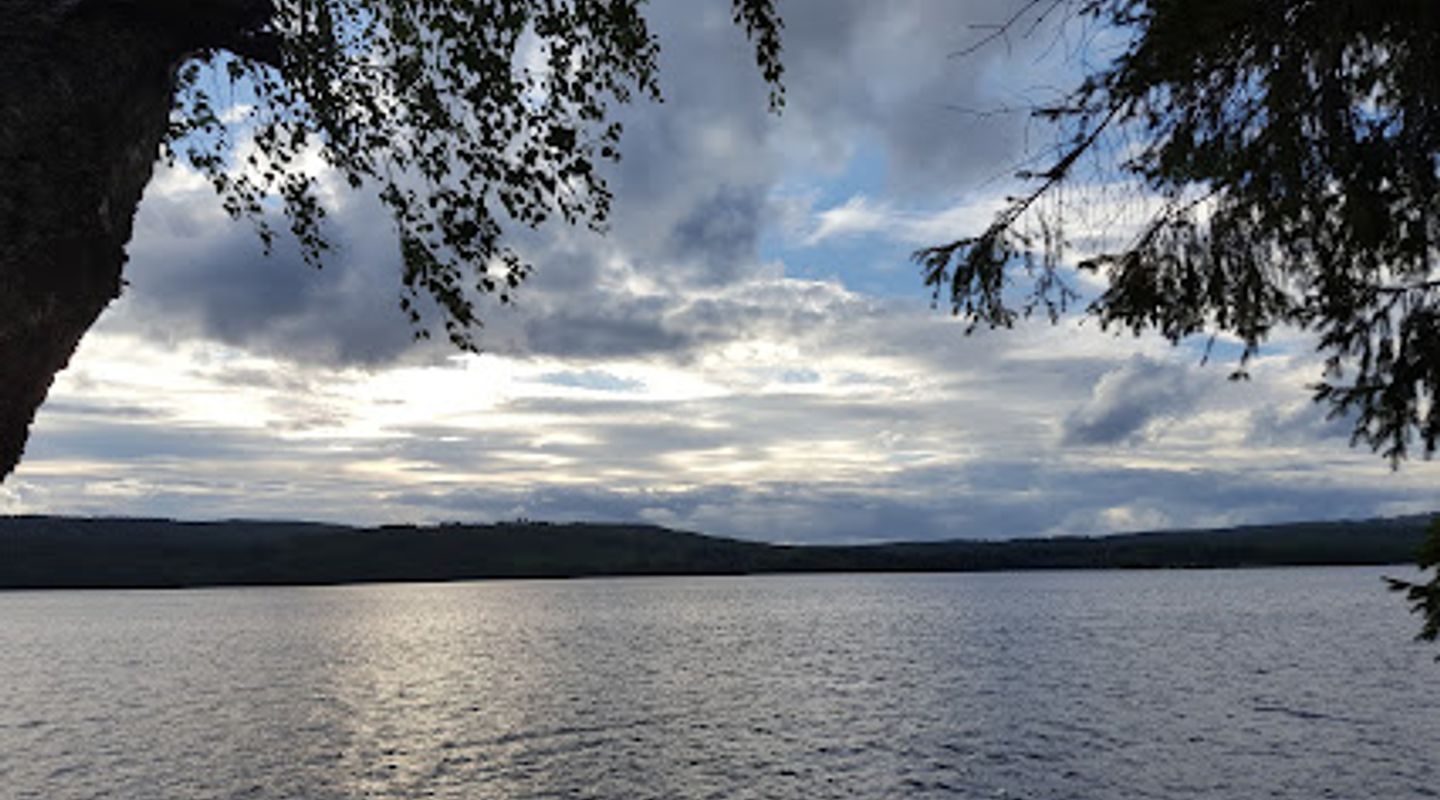
A brief summary of Bilkyrkogården Kyrkö Mosse
A surreal peat‑softened graveyard of vintage cars where moss, rust and forest translate decades of motoring into a living outdoor gallery.
An eerie, moss-softened open-air museum of abandoned cars set within a pine-fringed peat bog in Ryd, Småland. Started by Åke Danielsson mid‑20th century, the site preserves dozens of rusting vehicles—cars, vans and farm machines—gradually being reclaimed by sphagnum and birch. The atmosphere is simultaneously nostalgic and uncanny: curved fenders, moss-filled seats and slow natural decay invite quiet wandering and photography in all seasons.
On-site amenities
 Information boards
 Seating areas
 Trash bins
Opening hours
- Every dayOpen 24 hours
Opening hours as listed on the venue’s Google Business Profile. Hours can change for services and special events, so check with the venue before you go.
- Address
- Värendsgatan, 362 96 Ryd
- Website
Getting there
By car
Public transport + walk
Guided tour or local shuttle
Discover more about Bilkyrkogården Kyrkö Mosse
A mossy collection born from one man's work
Bilkyrkogården at Kyrkö Mosse began when Åke Danielsson bought a tract of torvmosse (peat bog) in the 1930s and, over decades, gathered abandoned vehicles that had been left in surrounding woods and roadsides. What started as practical salvage and storage evolved into a scatter of car bodies, wheel arches and bonnets laid out across an emerald carpet of sphagnum moss. The cars span decades: rounded pre‑ and postwar silhouettes, boxy 1950s saloons and utilitarian vans whose metal has been softened by rain and time.
The place where metal meets mire
Walking among the rows you notice how the bog and forest are the real sculptors: carpets of moss ooze up through door frames, brake‑dust brown rivets bloom with lichen, and tree roots thread through engine bays. The ground underfoot gives a gentle, spongey feel; wooden planks or compacted tracks are absent, so visitors share the soft, somewhat uneven terrain with ants, bog plants and damp air. The overall impression is of controlled abandonment — machines left to their elemental fate while the surrounding woodland frames the scene like a living gallery.
Objects that tell quiet stories
Each vehicle is a fragment of a life: upholstery where ferns now grow, steering wheels bleached by sun, and faded badges that hint at once‑common marques. The arrangement feels informal rather than curated; some cars lean at angles, one or two noses have sunk into the peat, and others hold small pools where rain has settled. Information panels at the edge provide background on Åke and the site's history, but much of the experience is contemplative — reading the patina of paint and imagining the era when these models were everyday transport.
A fragile landscape and its conservation tensions
Kyrkö Mosse is both a cultural oddity and an environmentally sensitive peatland. Over time there have been debates about preservation versus removal: the bog is an ecosystem that slowly sequesters carbon and supports specialized flora, while the cars raise questions about contamination and heritage. That tension gives the site an intriguing dual identity — part vernacular museum, part vanishing landscape — and the visual effect shifts year by year as metal decays and moss spreads.
Visiting textures, sounds and light
Sensory details shape the visit: the smell of damp earth and resin, the soft hush of needles underfoot, the metallic tang of rust at close range, and the way late afternoon light sheets across curved fenders. In high summer the site is greener, with ferns and seedlings in crevices; in winter the white of frost outlines door handles and frames, producing a stark monochrome poetry. Birdsong and the creak of tree branches punctuate the silence, so the place reads like a slow, outdoor installation rather than a static scrapheap.
Practical character and visitor expectations
The site is open-air and informal: there is no staffed reception, and visitors explore at their own pace. Because surfaces are often slippery or uneven and some areas lie over soft peat, sturdy footwear and sensible clothing are advisable. Photography rewards patient observation — every season reveals different tones and textures — and the location invites reflection on industrial history, the lifecycle of objects and the way nature reclaims human artefacts.
Evendo Review Centre
 Google
Guest reviews
Best time to go
Quietest: Jan, Feb & Dec · before 7am
Busy times are Evendo estimates for a typical year, to help you plan. Actual crowds vary with events, school holidays and the weather.
Explore Bilkyrkogården Kyrkö Mosse on the map
A handpicked selection of must-see spots near Bilkyrkogården Kyrkö Mosse, mapped for you.
Get your free copy of our complete guide to Bilkyrkogården Kyrkö Mosse, delivered straight to you.
Everything on this page, from opening hours and how to get there to Eve’s tips and the best time to go, in one PDF you can read offline, print or share.
Already have an account? Sign in
Your Bilkyrkogården Kyrkö Mosse guide is ready.
We'll send it to · Not you? Sign out

Getting your guide ready…
We are putting together a fresh copy of the Bilkyrkogården Kyrkö Mosse guide. This can take up to a minute.
This can take a few moments. If your browser asks, choose Allow so the download can start. You'll find the guide in your Downloads folder.
Nothing happened? Download it again
Sorry, the guide is taking longer than usual. Please try again in a minute, or get it by email instead.
Other nearby places you may find interesting
The closest places of the same kind, if this one is not quite what you had in mind.
-
-
-
-
-


Swipe for more places
More to explore near Bilkyrkogården Kyrkö Mosse
-
 Best experiences near Bilkyrkogården Kyrkö Mosse
-
 Best hotels near Bilkyrkogården Kyrkö Mosse
-
 Best landmarks near Bilkyrkogården Kyrkö Mosse
-
 Best attractions near Bilkyrkogården Kyrkö Mosse
-
 Best shops near Bilkyrkogården Kyrkö Mosse
-
 Best restaurants near Bilkyrkogården Kyrkö Mosse
-
 Best bars near Bilkyrkogården Kyrkö Mosse


Do you manage this location?
Take control to get all the benefits, like improved information, better appearance, and stronger visibility across AI-powered discovery.
Explore more
Explore more of Blekinge
Discover Blekinge, Sweden's coastal gem, with its stunning archipelago, historic towns, lush nature reserves, and vibrant culinary scene.
Explore Blekinge
Explore more of Sweden
Discover Sweden's breathtaking landscapes, vibrant cities, and rich cultural heritage. From the Northern Lights to historic castles, experience the essence of Scandinavia.
Explore Sweden