Torpa Stenhus, Blekinge Travel Guide
A compact, centuries‑layered stone manor where medieval fortress fabric, Renaissance halls and baroque chapel meet six centuries of family history.
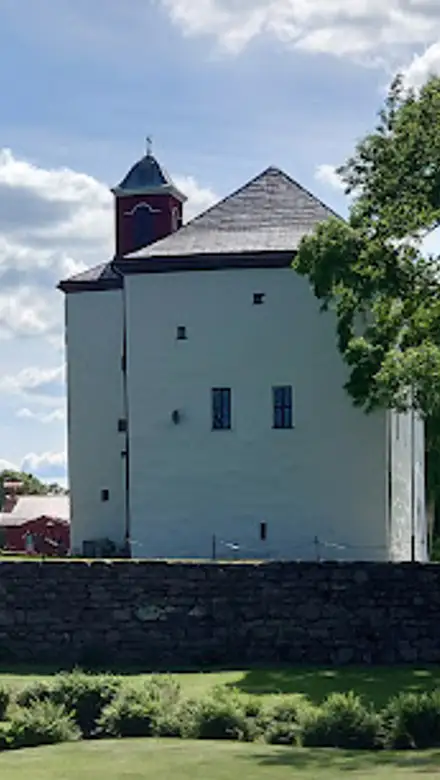
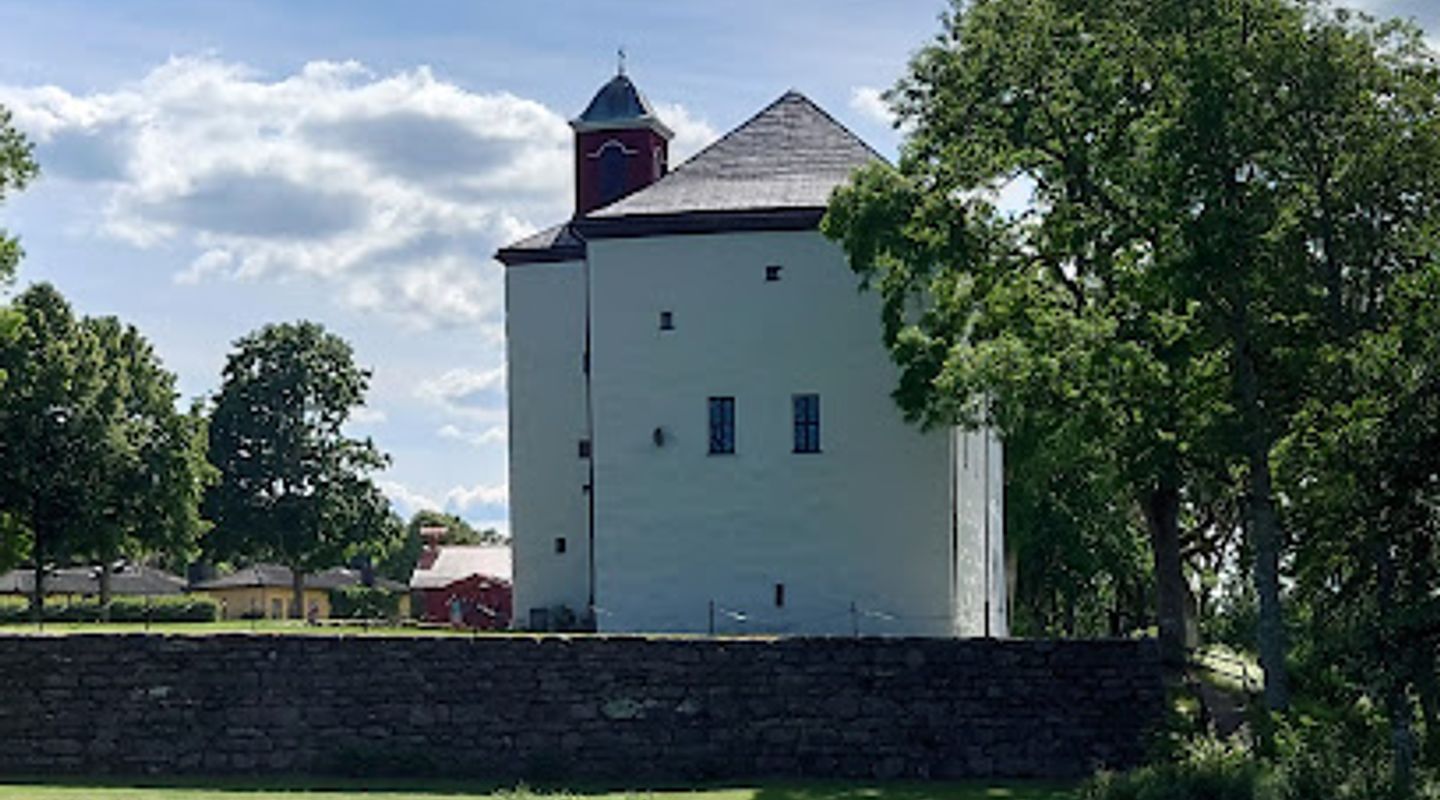
Torpa Stenhus is a well-preserved medieval stone manor near Länghem in Västra Götaland, Sweden, whose origins date to about 1470. Part fortress, part noble residence, the complex grew through 16th–17th century additions and preserves Renaissance interiors and a late‑17th‑century chapel. Still in the direct line of descent from its medieval builders, Torpa combines layered architecture, family stories and atmosphere of quiet, rural antiquity.
A brief summary to Torpa Stenhus
- Torpa Gård, Länghem, 514 52, SE
- Click to display
- Click to display
- Duration: 1 to 2.5 hours
- Mid ranged
-
 Outdoor
- Mobile reception: 4 out of 5

Know before you go
Hi, I'm Eve. Here are a few practical things to know before exploring Torpa Stenhus.
- Respect that Torpa is a privately owned historic home; follow signage and stay on permitted routes when exploring the grounds.
- Look for the Renaissance wall paintings and the chapel’s late‑17th‑century fittings—these interior details reveal the house’s changing tastes.
- Allow time to linger in the parkland; the building’s profile and the surrounding fields are worth viewing in different light conditions.
Do you manage this location?
Take control to get all the benefits, like improved information, better appearance, and stronger visibility across AI-powered discovery. Learn more about listing your business on Evendo
Activate your presenceOther nearby places you may find interesting
The closest places of the same kind, if this one is not quite what you had in mind.
Explore Torpa Stenhus on the Map
A handpicked selection of must-see spots near Torpa Stenhus, mapped for you.
Getting There
-
Car
Private car from central Gothenburg or nearby regional towns; typical journey time 1–1.5 hours depending on start point. Expect narrow country lanes and limited on‑site parking capacity at busy times; parking may be uneven ground, so low vehicles should exercise caution. No tolls are required; fuel costs vary by vehicle.
-
Regional bus plus short walk
Regional bus services run from larger nodes in Västra Götaland to the nearest village (travel time varies, typically 1–2 hours from major towns); buses operate on limited schedules so check timetables in advance. From the nearest scheduled stop plan a walk over rural lanes of at least 1 km on mixed surfaces; the last section may lack pavements and is uneven underfoot.
-
Taxi or rideshare
Door‑to‑door taxi from a nearby town takes about 20–40 minutes depending on origin and road conditions; fares can range broadly (expect local taxi rates charged per kilometre—book in advance when visiting outside normal hours). Taxis remove the need to navigate rural minor roads yourself but availability can be limited in off‑peak periods.
For the on-the-go comforts that matter to you
-
 Seating Areas
-
 Information Boards
-
 Restrooms
-
 Food Options
Discover more about Torpa Stenhus
A defensive heart that became a family seat
Torpa Stenhus began as a compact medieval stone house built around 1470 as a defensive stronghold by Privy Councillor Arvid Knutsson; its original function was both protective and administrative for a prosperous estate in the Ätran–Viskan valley. Over the late Middle Ages the thick stone walls and narrow openings marked it as a fortified home intended to resist raids and local unrest, while also serving as the nucleus of a landed household whose activities extended into long‑distance cattle and grain commerce.The layers of change from 1500s remodelling to baroque chapel
In the 1500s and 1600s the manor was altered and enlarged: a stair tower was added in the mid‑16th century, an extra floor was built and interiors were redecorated in Renaissance taste; later, a chapel received elaborate late‑17th‑century baroque fittings. These successive building campaigns created the compact, slightly vertical silhouette you see today, where medieval masonry, Renaissance halls and later domestic refinements sit within a single, continuous historic fabric.Households, dynasties and a courtly episode
Torpa’s history is inseparable from the Stenbock family and their successors; the estate has passed by inheritance through branching lines for centuries rather than being sold. One of its best‑known links to national history is Katarina Stenbock, who became the third wife of King Gustav I; that kind of dynastic connection underlines the manor’s role as both a private home and a stage for larger political and social ties.Interior character: halls, paintings and smaller rooms
Inside, the scale shifts from robust defensive chambers to more intimate and ornamented spaces. The great hall preserves Renaissance decoration and grisaille wall painting traces that reflect 16th‑century tastes, while the chapel and some parlours show later baroque influences. Furniture, panelling and painted surfaces are arranged in a way that emphasises the building’s evolution—each room reads like a chapter that maps changing needs, fashions and ritual moments in household life.Stories, folklore and the house’s human presence
The manor’s long chronology has accrued legends and personal anecdotes that form part of its character: tales of a sorrowful, walled‑in girl and phantom processions belong to a localized folklore that has followed the house across centuries. These stories, alongside documented events such as transfers of ownership through inheritance, give the place a sense of continuity and human depth uncommon in newer sites.The setting: parkland, farmland and a quiet rural approach
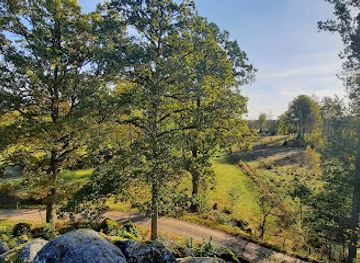
Torpa sits within working farmland and cultivated parkland; its immediate surroundings read as a historic estate landscape rather than an urban museum context. Mature trees, managed lawns and the rhythm of fields provide a calm, open foreground for the stone house, and seasonal shifts—fresh greens in spring, the mellow colours of late summer and the bare austerity of winter—change how the architecture is perceived across the year.












Your all‑in‑one travel companion app
Explore expert travel guides, compare and book tours, experiences, hotels, and more—all from the palm of your hand. Download now for seamless trip planning wherever your wanderlust takes you.


Explore More of Blekinge
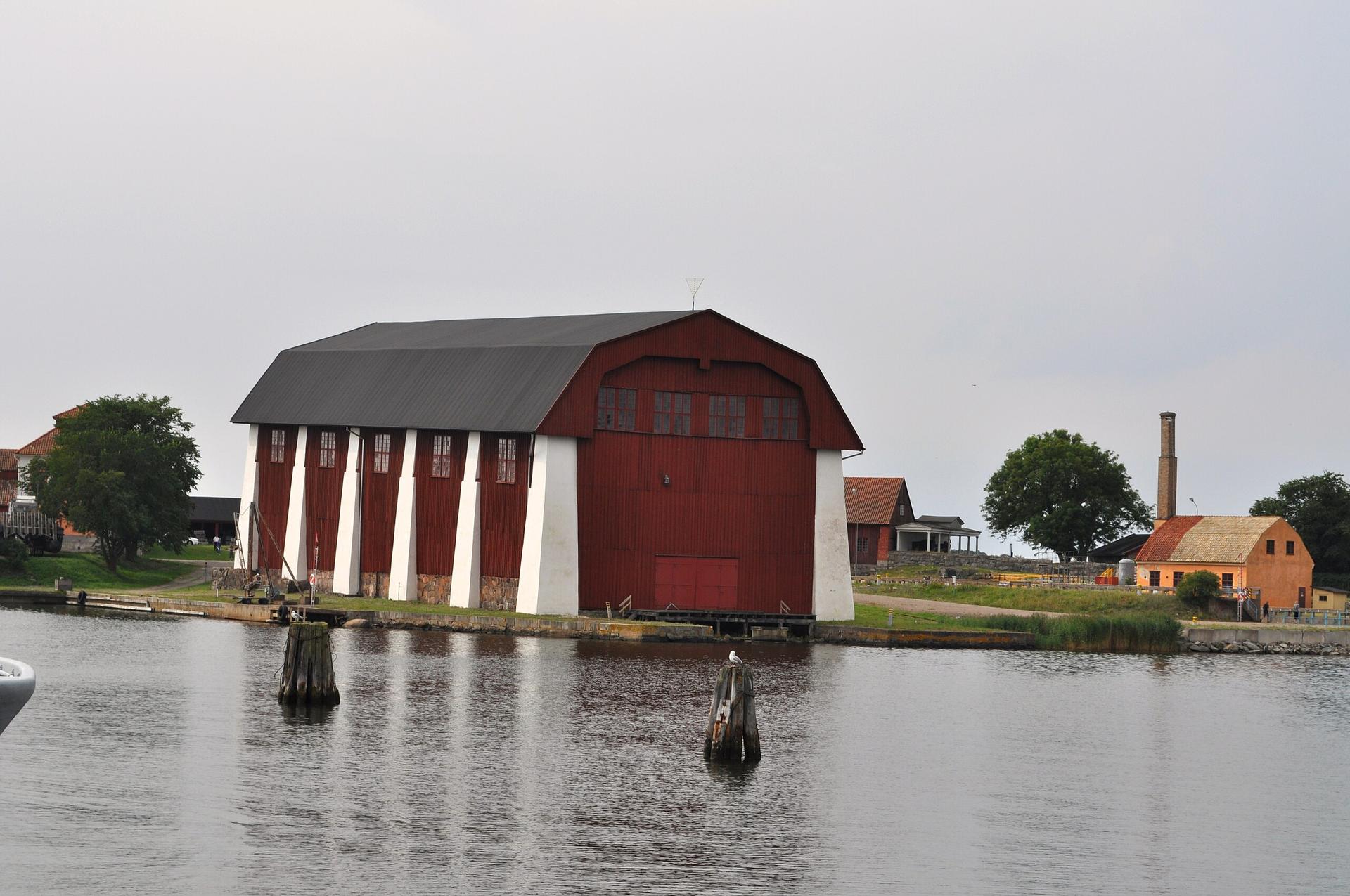
Looking beyond Torpa Stenhus? Discover Blekinge for broader travel guides, local hot-spots, and regional highlights.
Explore Blekinge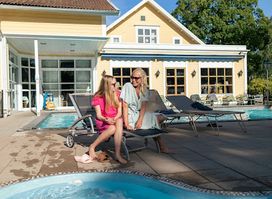
A classic Småland riverside hotel where seasonal food, a nature-shaped spa and year-round outdoor activities meet.
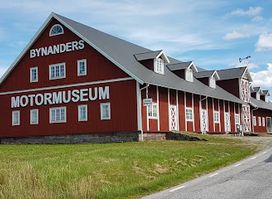
Discover 100+ cars, 300 motorcycles, and rare motoring gems at this modern rural museum in Svenljunga— a must for vintage vehicle lovers amid Sweden's serene countryside.