

Carlstens Fästning Travel Guide
Free Guide: A commanding stone fortress above Marstrand harbour—centuries of sieges, prisoners and coastal defence wrapped in panoramic ramparts and granite walls.


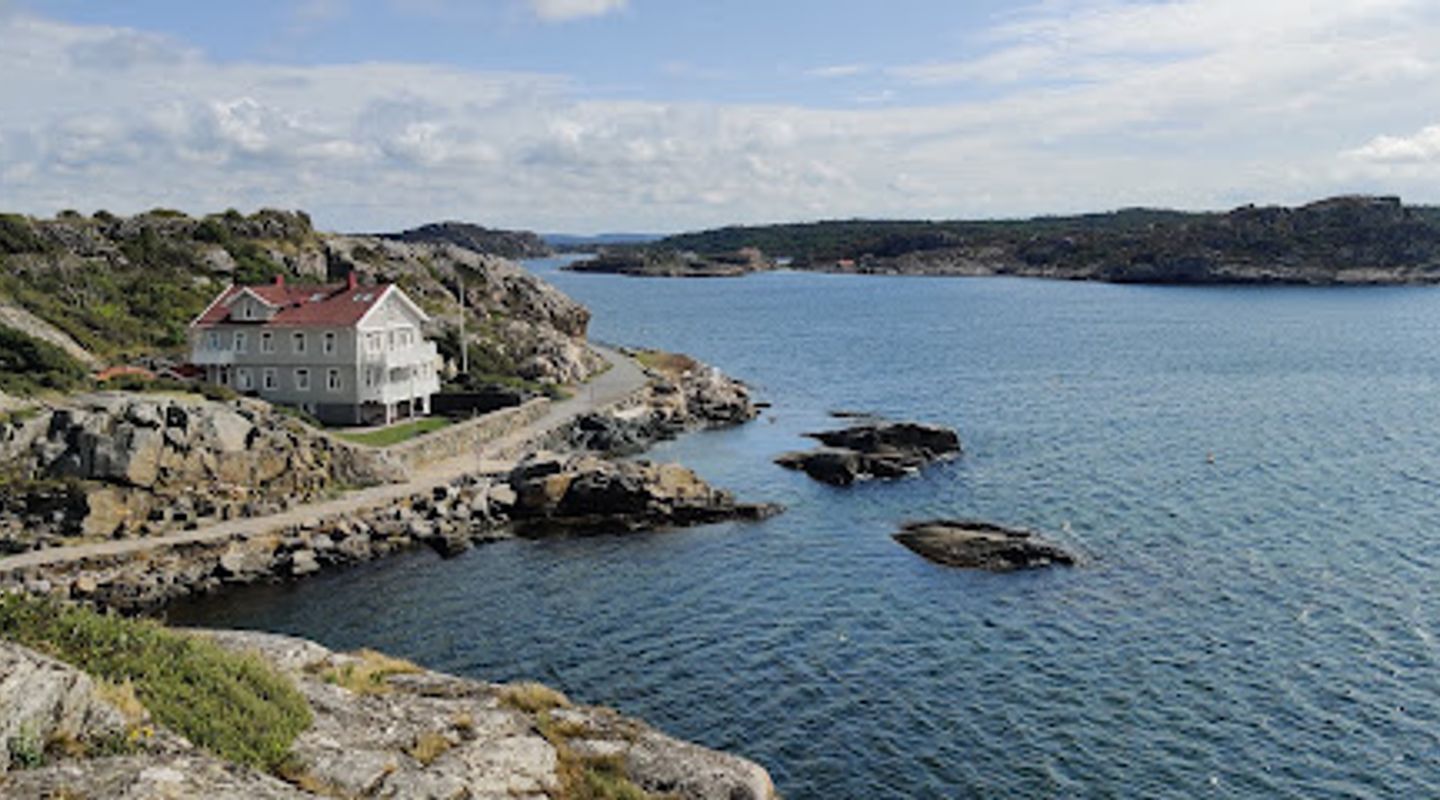
A brief summary of Carlstens Fästning
A commanding stone fortress above Marstrand harbour—centuries of sieges, prisoners and coastal defence wrapped in panoramic ramparts and granite walls.
Perched on Marstrand's highest point, Carlstens fästning is a 17th–19th century stone fortress that dominated Sweden’s west-coast defence. Built after the Treaty of Roskilde, it evolved from a compact redoubt into a multi-layered stronghold and prison, with thick ramparts, winding courtyards and a tall donjon. Today the site offers atmospheric ramparts, prison stories, historic architecture, panoramic sea views and a layered sense of maritime and military history.
On-site amenities
 Seating areas
 Information boards
 Food options
 Restrooms
- Address
- Carlstens fästning, 442 67 Marstrand
- Phone
- Website
Getting there
Ferry + Walk
Car to Island Ferry + Walk
Regional Bus + Short Walk
Discover more about Carlstens Fästning
Origins on an ice‑free harbour
Carlstens fästning began as a rapid wartime response after the mid‑17th century transfer of Bohuslän to Sweden and was sited to guard one of the nation's few reliably ice‑free western harbours. The earliest works were pragmatic timber redoubts and a square stone tower; over decades those were reshaped into the large round tower and concentric ramparts that you see today. Construction was iterative across more than a century, reflecting shifting artillery doctrine and the island’s strategic importance.
The fortress as workplace and prison
The stone walls, barrack blocks and service buildings were raised by organised labour that included convicted prisoners serving ‘Marstrand labour’ sentences. Prison life left visible traces in the fabric of the site: narrow domestic rooms, service kitchens, the walkways known by evocative names such as the Walk of Sighs, and spaces once used for shackled convicts. The fortress combined defensive technology and punitive infrastructure in one complex, producing austere interiors and heavy iron fittings that still punctuate doorways and courtyard corners.
Sieges, surrender and changing purpose
Carlsten's history is stamped by at least two successful assaults and negotiated returns; its walls witnessed negotiations, sieges and the psychology of coastal warfare. As steam power and modern naval tactics made static fortresses less decisive, the site’s role shifted. By the late 19th century Carlsten was decommissioned as an active permanent defence, but its buildings continued to be used by military units long after active fortification ended, leaving a palimpsest of uses across its yards and towers.
Architectural ensemble and landscape feeling
The fortress presents a layered ensemble: a high donjon and inner keep, broad masonry ramparts, outer batteries and a series of gates and courtyards connected by defensive corridors. From the ramparts the geometry of bastions and embrasures reads against the low wooden town below and the open sea beyond. Granite, lime mortar and timber create a raw, tactile palette; steps worn by centuries of feet and patched masonry tell of continuous maintenance and adaptation. The site’s silhouette is a landmark in the local seascape.
Stories, characters and human traces
Interwoven with stones and battlements are human stories: notorious prisoners, forced labourers, garrison routines and the odd colourful inmate such as the famed Lasse‑Maja who passed long years inside these walls. These lives shaped the fortress’ interior spaces—kitchens, cells and guardrooms—so that practical fixtures double as narrative fragments for visitors exploring corridors and small chapels.
Visitor experience and senses
On the ramparts, sea air, gull calls and the sharp light off the water fill the senses; winds can be brisk, and the panoramic outlook makes the defensive logic instantly legible. Inside, the stone cools the air and echoes soften footsteps. The complex alternates between exposed battlements with sweeping views and enclosed, low‑lit chambers where the atmosphere feels compact and intimate. Time spent here blends hard military geometry with coastal calm, offering both dramatic viewpoints and quiet, history‑steeped corners.
Evendo Review Centre
 Google
Guest reviews
Best time to go
Quietest: Jan, Feb & Nov · before 7am or from 9pm
Busy times are Evendo estimates for a typical year, to help you plan. Actual crowds vary with events, school holidays and the weather.
Explore Carlstens Fästning on the map
A handpicked selection of must-see spots near Carlstens Fästning, mapped for you.
Get your free copy of our complete guide to Carlstens Fästning, delivered straight to you.
Everything on this page, from opening hours and how to get there to Eve’s tips and the best time to go, in one PDF you can read offline, print or share.
Already have an account? Sign in
Your Carlstens Fästning guide is ready.
We'll send it to · Not you? Sign out

Getting your guide ready…
We are putting together a fresh copy of the Carlstens Fästning guide. This can take up to a minute.
This can take a few moments. If your browser asks, choose Allow so the download can start. You'll find the guide in your Downloads folder.
Nothing happened? Download it again
Sorry, the guide is taking longer than usual. Please try again in a minute, or get it by email instead.
Unlock the best of Carlstens Fästning
Skip-the-line tickets, guided tours with entry, and walking tours of the area, booked in a few clicks.

Other nearby places you may find interesting
The closest places of the same kind, if this one is not quite what you had in mind.
-
-
-
-
-


Swipe for more places
More to explore near Carlstens Fästning

 Best experiences near Carlstens Fästning
 Best hotels near Carlstens Fästning
 Best landmarks near Carlstens Fästning
 Best attractions near Carlstens Fästning
 Best shops near Carlstens Fästning
 Best restaurants near Carlstens Fästning
 Best bars near Carlstens Fästning
Do you manage this location?
Take control to get all the benefits, like improved information, better appearance, and stronger visibility across AI-powered discovery.
Explore more
Explore more of Bohuslän
Explore Bohuslän, Sweden's stunning coastal region known for its picturesque islands, rich history, and delectable seafood. A paradise for nature lovers and history enthusiasts.
Explore Bohuslän
Explore more of Sweden
Discover Sweden's breathtaking landscapes, vibrant cities, and rich cultural heritage. From the Northern Lights to historic castles, experience the essence of Scandinavia.
Explore Sweden
