

Dragsmark Abbey Travel Guide
Free Guide: Whispers of medieval monks echo through Dragsmark Abbey's atmospheric ruins on Bohuslän's windswept Bokenäset, where 13th-century stones meet serene churchyard tranquility.


A brief summary of Dragsmark Abbey
Whispers of medieval monks echo through Dragsmark Abbey's atmospheric ruins on Bohuslän's windswept Bokenäset, where 13th-century stones meet serene churchyard tranquility.
Dragsmark Abbey ruins on Bokenäset peninsula offer a haunting glimpse into medieval monastic life. Founded in the 13th century by Norwegian King Håkon Håkonsson, this Premonstratensian monastery thrived for centuries before falling into decay during the Reformation. Explore the remnants of its grand church, chapter house, and sacristy beside the 1756 wooden Dragsmark Church. Free access year-round, surrounded by scenic coastal landscapes and historic farmsteads in Bohuslän.
On-site amenities
 Seating areas
 Trash bins
 Information boards
 Sheltered areas
Opening hours
- Every dayOpen 24 hours
Opening hours as listed on the venue’s Google Business Profile. Hours can change for services and special events, so check with the venue before you go.
- Address
- Dragmarks kloster, 451 97 Uddevalla
- Website
Getting there
Driving
Bus
Cycling
Discover more about Dragsmark Abbey
Foundations of a Medieval Monastery
Dragsmark Abbey emerged in the mid-13th century on the rugged Bokenäset peninsula, then part of southern Norway. Norwegian King Håkon Håkonsson initiated its founding around 1234, relocating barefoot friars from Tønsberg and bolstering it with brethren from Børglum Abbey in Jutland. Dedicated to the Virgin Mary as Marieskog or Monasterium de Silva Sanctae Mariae, the Premonstratensian order emphasized meditative cloister life alongside pastoral care. The site's strategic position near vital sea routes facilitated its growth amid forested shores.The abbey complex featured a towering church with 18-meter gables, chapter house, sacristy, and wings for choir monks and lay brothers. Living quarters included dormitories, refectories, and kitchens, all encircled by a cloister garth. Early prosperity stemmed from royal endowments and continental ties, setting the stage for cultural and economic influence.
Peak Prosperity and Daily Monastic Rhythms
During the 14th and 15th centuries, Dragsmark reached its zenith, sustaining itself through rents from 141 farms, noble education, scriptorium work, trade, and fishing. An academy educated aristocratic youth, while benefactors like King Magnus Eriksson and Queen Dorothea enhanced its prestige. Monks cultivated herb gardens with medicinal plants like wormwood, houseleek, and comfrey, alongside fish ponds for sustenance.Daily life blended prayer, labor, and scholarship. Choir monks chanted divine offices in the Mariakyrka, while lay brothers managed estates and fisheries. The abbey wielded regional influence, its chalice—possibly gifted by Håkon in 1247–1248—symbolizing royal favor and artistic mastery of English origin. This era painted Dragsmark as a beacon of piety and learning in medieval Bohuslän.
Decline Amid Reformation Storms
The Black Death ushered hardships, eroding the monastery's vitality. By the early 16th century, secular oversight dominated, culminating in full secularization in 1532, predating Norway's 1536 Reformation. Surviving monks maintained Lutheran services in nearby Bokenäs church under strict conditions. The abbey church crumbled by the late 1500s, unfit for worship, prompting new wooden structures.Stones from the ruins later fortified Bohus Fortress in the early 1600s. Sweden's 1658 conquest of Bohuslän saw lands granted to Rutger von Ascheberg. The final church walls collapsed in 1846, but excavations around 1900 by the Göteborgs och Bohus läns fornminnesförening revealed foundations, preserving the site's legacy.
Dragsmark Church: A Timbered Survivor
Adjacent to the ruins stands Dragsmark Church, a wooden edifice consecrated on New Year's Day 1756—the third such structure on the site. Its interior boasts relics like a gilded silver chalice and paten linked to Håkon Håkonsson, predikstol from 1626 by Chresten Snedker, and 1776 ceiling paintings by Johan Henric Dieden. The churchyard merges seamlessly with abbey remnants, enclosing a quiet valley framed by steep slopes.Surrounding farmsteads from the mid-1800s evoke continuity, while Klosterbukten's early 1900s bathing resort added coastal charm. Today, restored ruins invite contemplation amid benwood trees and wild herbs echoing ancient gardens.
Enduring Landscape and Cultural Echoes
Nestled in a fertile dell by Klosterbukten, the abbey once dominated its parish lands. Branta bergsluttningar shield the site, blending natural drama with human history. Premonstratensians persist globally, their Nordic legacy vivid in Dragsmark's stones—a testament to faith, kingship, and time's inexorable passage.
Evendo Review Centre
 Google
Guest reviews
Best time to go
Quietest: Jan, Feb & Dec · before 8am or from 9pm
Busy times are Evendo estimates for a typical year, to help you plan. Actual crowds vary with events, school holidays and the weather.
Explore Dragsmark Abbey on the map
A handpicked selection of must-see spots near Dragsmark Abbey, mapped for you.
Get your free copy of our complete guide to Dragsmark Abbey, delivered straight to you.
Everything on this page, from opening hours and how to get there to Eve’s tips and the best time to go, in one PDF you can read offline, print or share.
Already have an account? Sign in
Your Dragsmark Abbey guide is ready.
We'll send it to · Not you? Sign out

Getting your guide ready…
We are putting together a fresh copy of the Dragsmark Abbey guide. This can take up to a minute.
This can take a few moments. If your browser asks, choose Allow so the download can start. You'll find the guide in your Downloads folder.
Nothing happened? Download it again
Sorry, the guide is taking longer than usual. Please try again in a minute, or get it by email instead.
Other nearby places you may find interesting
The closest places of the same kind, if this one is not quite what you had in mind.
-
-
-
-
-


Swipe for more places
More to explore near Dragsmark Abbey

 Best experiences near Dragsmark Abbey
 Best hotels near Dragsmark Abbey
 Best landmarks near Dragsmark Abbey
 Best attractions near Dragsmark Abbey
 Best shops near Dragsmark Abbey
 Best restaurants near Dragsmark Abbey
 Best bars near Dragsmark Abbey
Do you manage this location?
Take control to get all the benefits, like improved information, better appearance, and stronger visibility across AI-powered discovery.
Explore more
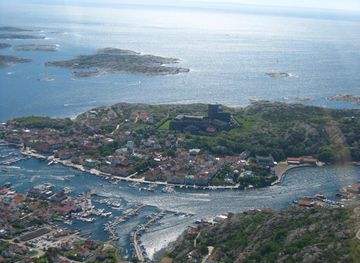
Explore more of Bohuslän
Explore Bohuslän, Sweden's stunning coastal region known for its picturesque islands, rich history, and delectable seafood. A paradise for nature lovers and history enthusiasts.
Explore Bohuslän
Explore more of Sweden
Discover Sweden's breathtaking landscapes, vibrant cities, and rich cultural heritage. From the Northern Lights to historic castles, experience the essence of Scandinavia.
Explore Sweden
