Fiskebäckskil Kvarn Travel Guide
Free Guide: A 19th‑century windmill perched above Fiskebäckskil, offering coastal views and a compact slice of Bohuslän’s maritime past.


A brief summary of Fiskebäckskil Kvarn
A 19th‑century windmill perched above Fiskebäckskil, offering coastal views and a compact slice of Bohuslän’s maritime past.
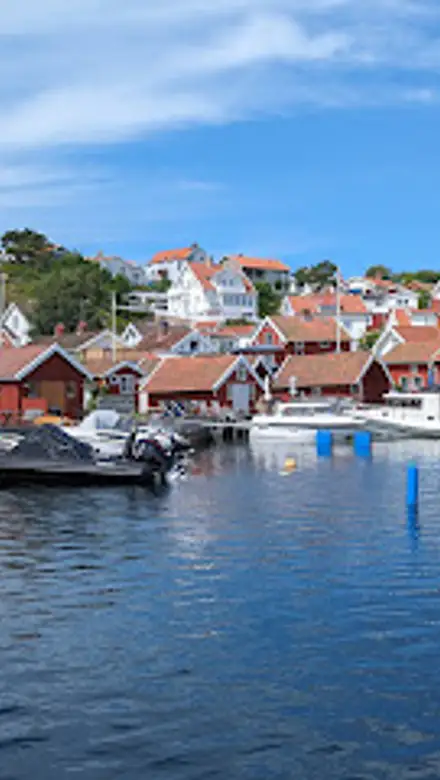
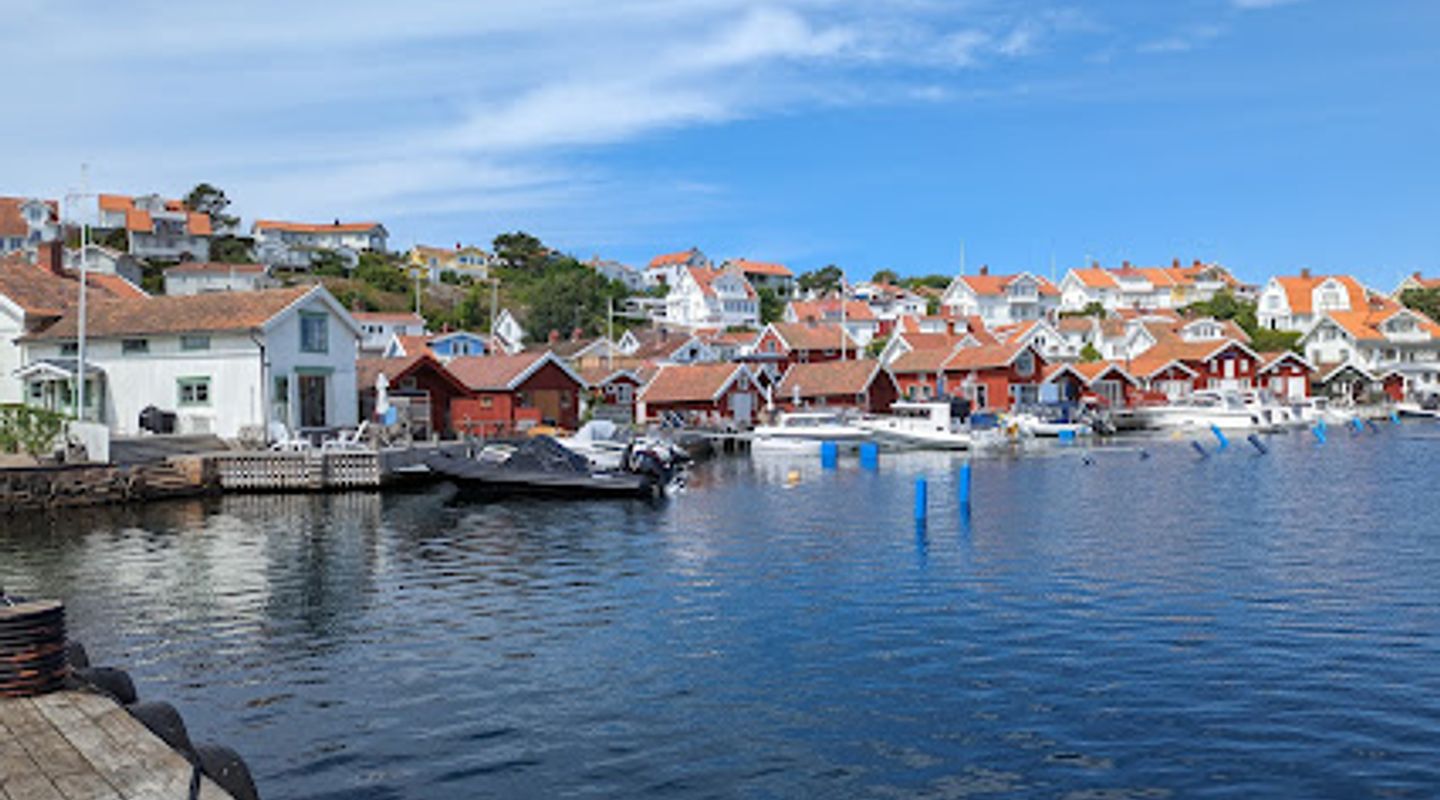
Perched above the village of Fiskebäckskil on Skaftö, Fiskebäckskil Kvarn is a 19th‑century windmill and local landmark that punctuates the Bohuslän coastline. The white, tower‑like mill and its grassy mound offer panoramic views across the harbour and gull‑strewn skerries; it reads as a quiet reminder of the area's coastal farming and milling past and forms a distinctive silhouette against sunrise and sunset skies.
On-site amenities
 Seating areas
 Information boards
 Trash bins
Opening hours
- Every dayOpen 24 hours
Opening hours as listed on the venue’s Google Business Profile. Hours can change for services and special events, so check with the venue before you go.
- Address
- Kvarnvägen 5, 450 34 Fiskebäckskil
- Website
Getting there
Local bus and short walk
Taxi or rideshare
Walk from central Fiskebäckskil
Discover more about Fiskebäckskil Kvarn
Salt‑aired landmark with working bones
Fiskebäckskil Kvarn stands on a rocky rise north of the village, its timbered profile and classic cap visible from boats in the sound. Built in the mid‑1800s as a local weather‑ or wind‑driven mill, the structure retains many traditional features: a tapered tower, an articulated cap, and traces of the internal gearing that once turned grain into flour. The mill’s weathered timbers and white cladding read as both practical and picturesque against the coastal light.
How the mill shaped a coastal community
The mill was part of a network of small rural industries that sustained Skaftö’s fishing and farming households; it processed local grain and served as a meeting point when sea harvests were stored or traded. Its hillside site was chosen for reliable winds and for visibility: the building doubled as a daymark for seafarers, a fixed point among islands and skerries that helped local pilots and fishermen recognise the approach to the harbour.
Details that reward a close look
A slow circuit around the base reveals functional details: narrow slit windows, a stone foundation that roots the timbered tower to the bedrock, and patched boards where past repairs met relentless salt and wind. Moss and lichen cling to the lower stones and the grass terrace softens the structure’s line—seasonal wildflowers will appear in late spring and summer, drawing insects and small birds to the ledges.
Framing the bay and the village
From the mill’s mound you get a wider sense of Fiskebäckskil’s layout—clustered cottages spilling down to the water, jetties and boathouses, and the patchwork of small gardens and granite outcrops that characterise Bohuslän. Light here changes fast: mornings often bring a clear, pearly clarity; afternoons warm the stone and highlight boats’ varnish; evenings lower a gold or lavender haze that bends the horizon.
Stories in timber and salt
Although the mill no longer grinds commercially, its presence carries layers of human story—generations who lived by sea and field, who read the weather in cloud and sail, and who adapted to shifting economies. Local histories record names of millers, ownership changes, and repairs that kept the wheelhouse standing through rough winters. These physical traces make the building a compact archive of community labour and coastal life.
Visiting with attention
Approach the mill slowly and allow time to absorb the scale: its height is modest but the siting magnifies its significance. The site invites photography and quiet observation rather than active exploration; respect the fabric of the building and nearby private properties. Bring windproof clothing in cooler months and sturdy footwear for the uneven ground—the experience is tactile and sensory, dominated by wind on the face, salt on the air, and a long view across sea and stone.
Evendo Review Centre
 Google
Guest reviews
Best time to go
Quietest: Jan, Feb & Dec · before 6am or at 9pm
Busy times are Evendo estimates for a typical year, to help you plan. Actual crowds vary with events, school holidays and the weather.
Explore Fiskebäckskil Kvarn on the map
A handpicked selection of must-see spots near Fiskebäckskil Kvarn, mapped for you.
Get your free copy of our complete guide to Fiskebäckskil Kvarn, delivered straight to you.
Everything on this page, from opening hours and how to get there to Eve’s tips and the best time to go, in one PDF you can read offline, print or share.
Already have an account? Sign in
Your Fiskebäckskil Kvarn guide is ready.
We'll send it to · Not you? Sign out

Getting your guide ready…
We are putting together a fresh copy of the Fiskebäckskil Kvarn guide. This can take up to a minute.
This can take a few moments. If your browser asks, choose Allow so the download can start. You'll find the guide in your Downloads folder.
Nothing happened? Download it again
Sorry, the guide is taking longer than usual. Please try again in a minute, or get it by email instead.
Other nearby places you may find interesting
The closest places of the same kind, if this one is not quite what you had in mind.
-
-
-
-
-


Swipe for more places
More to explore near Fiskebäckskil Kvarn

 Best experiences near Fiskebäckskil Kvarn
 Best hotels near Fiskebäckskil Kvarn
 Best landmarks near Fiskebäckskil Kvarn
 Best attractions near Fiskebäckskil Kvarn
 Best shops near Fiskebäckskil Kvarn
 Best restaurants near Fiskebäckskil Kvarn
 Best bars near Fiskebäckskil Kvarn
Do you manage this location?
Take control to get all the benefits, like improved information, better appearance, and stronger visibility across AI-powered discovery.
Explore more
Explore more of Bohuslän
Explore Bohuslän, Sweden's stunning coastal region known for its picturesque islands, rich history, and delectable seafood. A paradise for nature lovers and history enthusiasts.
Explore Bohuslän
Explore more of Sweden
Discover Sweden's breathtaking landscapes, vibrant cities, and rich cultural heritage. From the Northern Lights to historic castles, experience the essence of Scandinavia.
Explore Sweden